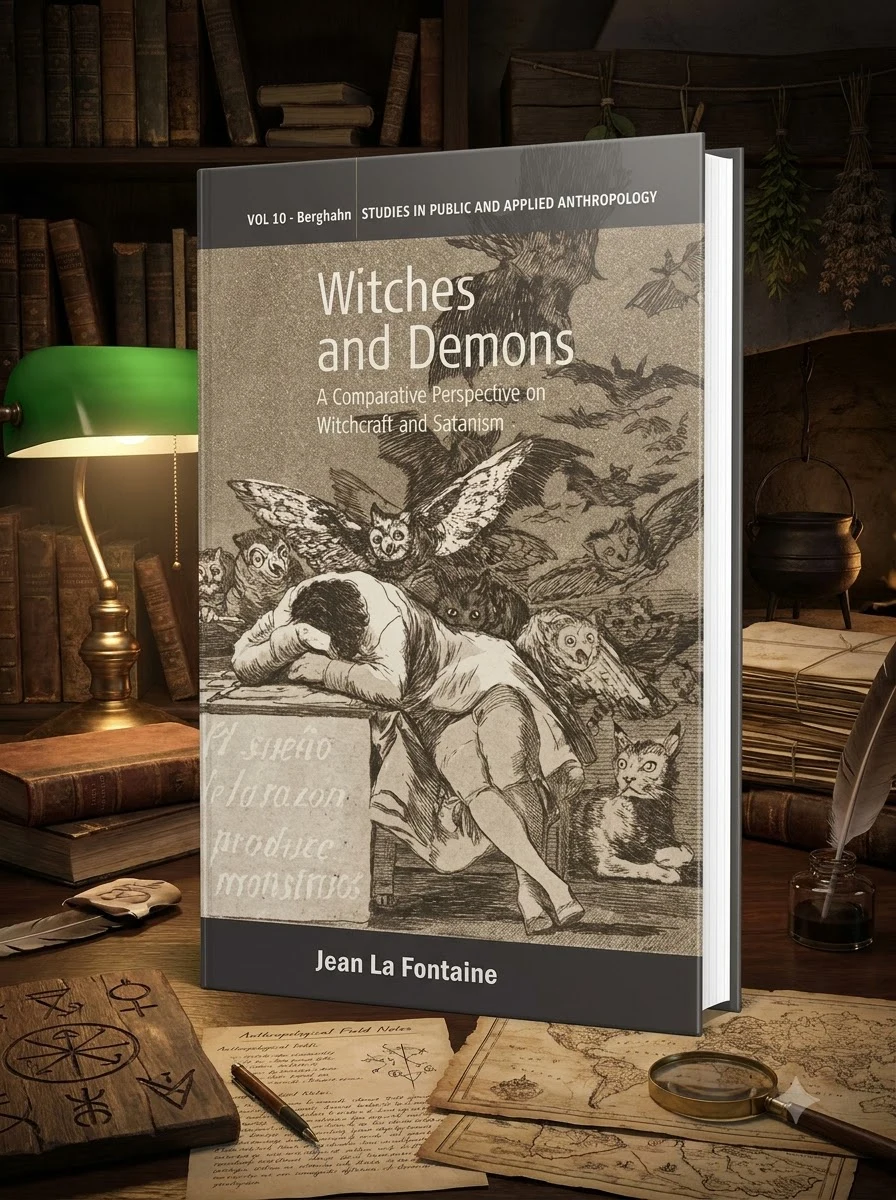


Witches and Demons: A Comparative Perspective on Witchcraft and Satanism - Ingram Academic Fontaine, Jean La
Fontaine, Jean La

Stock reported in the catalog; fulfillment is confirmed with your request.
Unmasking the complex interplay between cultural fear and spiritual beliefs.
Dive into Jean La Fontaine’s insightful examination of how societies perceive and construct 'evil' through the lenses of witchcraft and Satanism. This volume meticulously dissects popular fascinations with dark arts, contrasting them with rigorous anthropological analysis. La Fontaine navigates the treacherous waters of public panics, the tragic misinterpretations of ritual practices, and the profound dangers of unexamined cultural assumptions. It’s an essential work for anyone seeking to understand the deep-seated human need to define and confront the demonic, all while urging caution against the pitfalls of superficial comparison.
This work sits within the realm of rigorous anthropological analysis, exploring how societies construct perceptions of 'evil' through the lenses of witchcraft and Satanism. It addresses the complex interplay between cultural fear and spiritual beliefs, offering a scholarly perspective on public panics and ritual misinterpretations.


📝 Description: Witches and Demons: A Comparative Perspective on Witchcraft and Satanism - Ingram Academic Fontaine, Jean La
💎 Expert review
📖 Why choose it
Why this book is worth reading
Readers seeking a deep, scholarly understanding of why societies fear the 'demonic' will find this book invaluable. It is ideal for those who wish to move beyond superficial fascination with dark arts and instead examine the profound anthropological roots of spiritual beliefs. By navigating public panics and unexamined cultural assumptions, La Fontaine provides essential insights into the human need to define evil. This volume serves as a caution against simplistic comparisons, urging readers to appreciate the tragic misinterpretations of ritual practices. It is perfect for students of religion, history, or sociology who demand rigorous analysis over sensationalism.
⭐ Reader reviews
Reader rating
La Fontaine delivers a meticulous dissection of how cultural fears shape spiritual narratives, offering a necessary counterpoint to popular occult fascination. The text excels in highlighting the dangers of unexamined assumptions and the complexity of defining evil across different societies. However, this is not a guide for aspiring practitioners or those seeking entertaining tales of dark magic. It is strictly an academic exercise in anthropology and cultural history. Readers looking for practical spells, immediate spiritual comfort, or simplistic binaries between good and evil will find little utility here. The work demands patience and a willingness to engage with dense theoretical frameworks rather than offering accessible, narrative-driven content.
❓ Frequently asked questions
📖 Who should read this
If you're fascinated by the social construction of fear, the anthropology of religion, or the historical impact of moral panics, this book is for you. La Fontaine offers a rigorous, academic lens on phenomena often sensationalized, perfect for discerning readers seeking depth over drama.
🎯 Key themes and symbolism
Understanding Cultural Evil
La Fontaine explores the multifaceted ways cultures define and react to perceived evil, from public scares about devil-worship to the tragic misunderstandings of indigenous healing practices. The book meticulously analyzes how these concepts are shaped by societal anxieties, revealing the profound impact of collective belief on individual experience and communal harmony.
Comparative Anthropology of Belief
This work champions comparative methodology as a potent tool for cross-cultural understanding. By juxtaposing varied interpretations of witchcraft and Satanism, La Fontaine illuminates universal patterns in human belief systems while emphasizing the unique cultural contexts that give rise to specific fears and practices. It highlights both the power and the peril of cross-cultural analysis.
Dangers of Misinterpretation
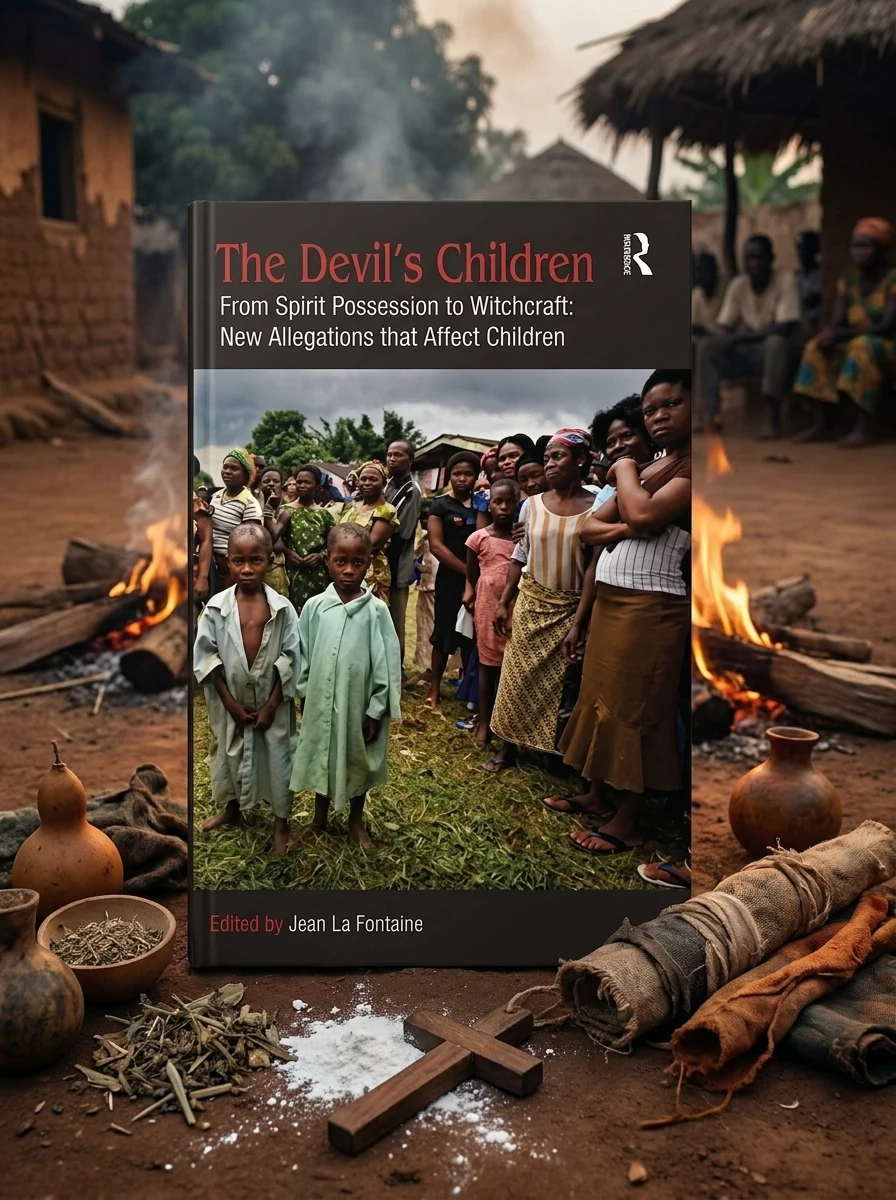
A core thread throughout the book is the critical warning against untrained or biased interpretations of other cultures. La Fontaine demonstrates how moral panics, such as those surrounding human sacrifice or child witchcraft accusations, often stem from a lack of nuanced understanding, leading to profound societal harm and injustice. It's a call for intellectual rigor.
💬 Quotes from the book
“The cultural constructs of evil reveal more about the societies that conceive them than they do about any inherent demonic reality.”
“Uncritical comparison, while seemingly illuminating, frequently serves only to reinforce preconceived notions, obscuring the nuanced realities of diverse belief systems.”
📜 Historical context
📚 Glossary
- Moral Panic
- Ethnocentrism
- Lay Understanding
📔 Questions to reflect on
- Reflect on a time you witnessed a 'moral panic' in society. What were its perceived origins, and how did it impact collective behavior?
- How do your own cultural assumptions shape your understanding of 'evil' or 'supernatural' phenomena? Are there any biases you recognize?
- Consider the power of language in shaping belief. How do terms like 'witchcraft' or 'devil worship' evoke specific societal reactions, regardless of their actual definition?
✍️ More books by this author Fontaine, Jean La
All books by this author →
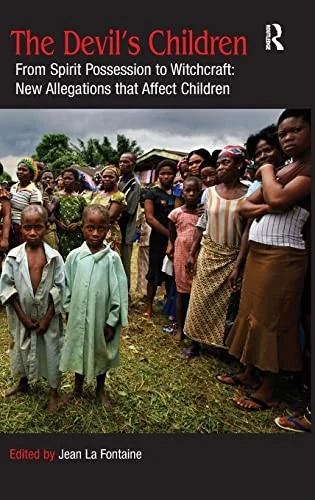
🏛 Books from this publisher Berghahn Books
All books from this publisher →






You might also like
See more →