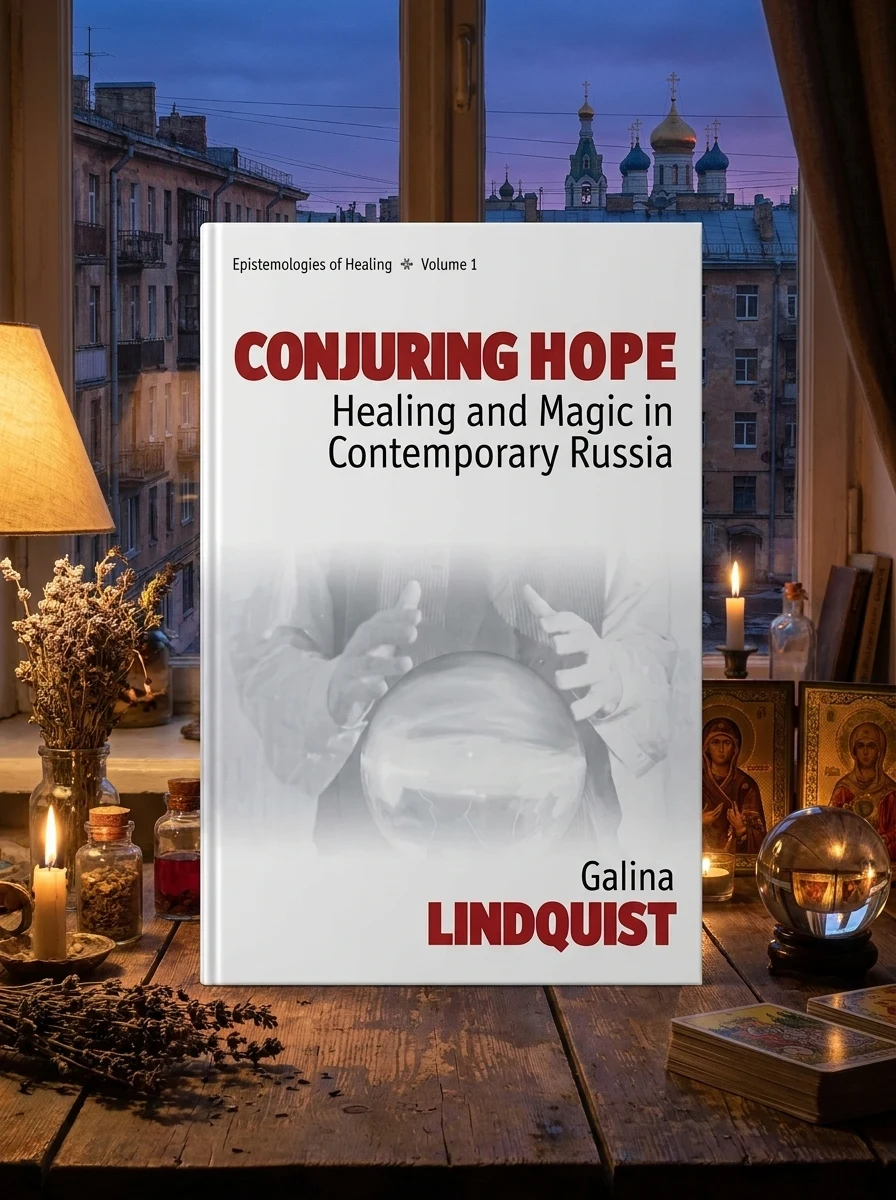
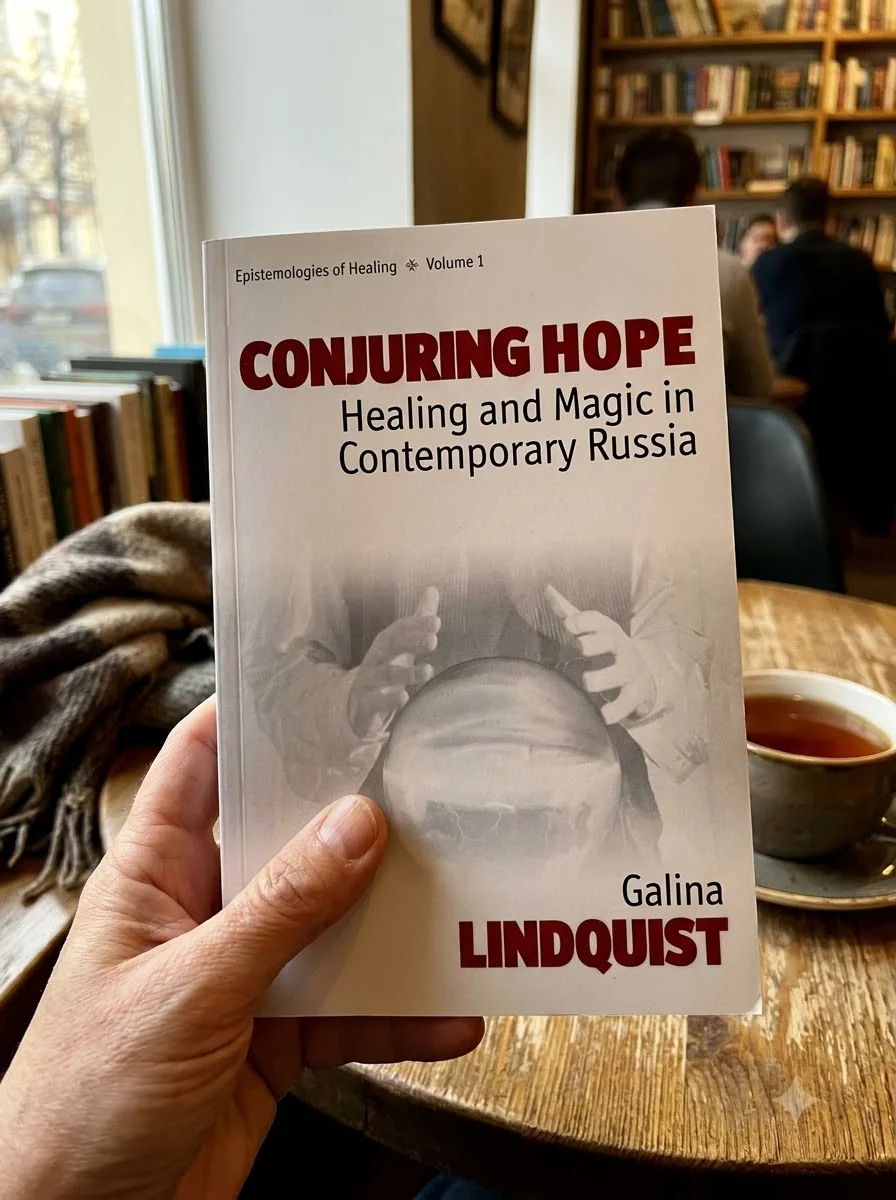
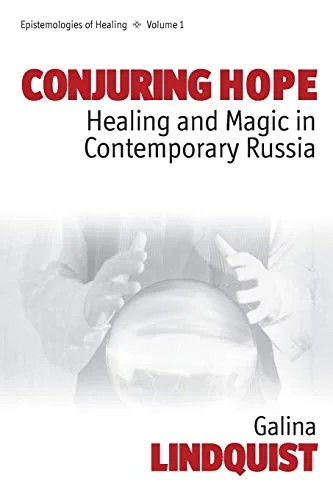
Conjuring Hope: Healing and Magic in Contemporary Russia - Ingram Academic
✍️ Lindquist, GalinaAn ethnographic study of urban Russian magic, healing practices, and healer-patient relationships.
Galina Lindquist approaches contemporary Russian magic through the lens of social science and medical anthropology. The work analyzes how urban patients and practitioners negotiate power, agency, and emotion within traditional healing frameworks. Drawing on ethnography, the text shows how magical practices reflect modern concepts of self and subjectivity in urban environments. It offers valuable insight for scholars studying semiotics, regional history, and global mind-body-spirit traditions.
Set in contemporary urban Russia, this research examines post-Soviet spiritual life. It sits at the intersection of local history, medical anthropology, and social science, detailing how regional ideas of agency, power, and traditional healing operate within modern Russian society.


Praise for this book
“Lindquist's book makes two important contributions, the first anthropological, and the second ethnographic...Lindquist clearly brought passion, care, and the highest ethical standards to her role as ethnographer, to the great benefit of her readers. When telling these stories, her writing is always clear, often elegant, and sometimes deeply moving.”
“Whoever wants to learn about life in today's Russia, where various forms of magic play a central role, should read this book. And of course all those interested in Semiotic or medical anthropology who will gain further insight into the relationships between healer and patient.”
📝 Description: Conjuring Hope: Healing and Magic in Contemporary Russia - Ingram Academic
💎 Expert review
📖 Why choose it
Why this book is worth reading
Scholars, anthropologists, and deep practitioners of comparative religion will find immense value in this rigorous exploration. It offers a rare, nuanced lens through which to view how individuals construct agency and meaning amidst societal change. Readers interested in the sociology of belief will appreciate how Lindquist dismantles static views of tradition. By focusing on urban Russia, the book provides critical insights into the resilience of esoteric practices. It is essential for those seeking to understand the psychological and social mechanics behind modern magical healing. The text bridges the gap between academic theory and lived spiritual experience, making it indispensable for researchers analyzing identity formation in transitional societies.
⭐ Reader reviews
Reader rating
Lindquist delivers a dense, academically rigorous ethnography that demands serious engagement from its audience. While intellectually stimulating for specialists in Slavic studies or esoteric anthropology, this text is not suitable for casual readers seeking accessible introductions to magic or simple self-help guides. The academic tone and complex theoretical framework may alienate those looking for practical spells or straightforward historical narratives. However, for those committed to understanding the sociological underpinnings of modern Russian spirituality, it offers profound depth. It serves as a vital resource for researchers rather than a leisurely read for the general public interested in occultism.
❓ Frequently asked questions
📖 Who should read this
If you're fascinated by the anthropology of belief, the resilience of spiritual practices in secular societies, or the intricate cultural dynamics of post-Soviet Russia, this book offers profound insights. It's for anyone seeking a nuanced understanding of magic's role beyond mere superstition, particularly within a modern European context.
🎯 Key themes and symbolism
Evolving Magic & Healing
This book posits that magic and healing are not fixed concepts but fluid, reflecting dynamic local interpretations of influence and personal capacity. It highlights their contemporary relevance in shaping both individual and collective realities, challenging preconceived notions of their role in modern society and culture.
Russian Urban Context
The study deeply explores modern Russian cities as a unique crucible for the resurgence and reinterpretation of spiritual and healing traditions. It uncovers how the pressures and opportunities of urban life profoundly influence, and are in turn influenced by, these esoteric practices, offering a fresh perspective on urban spirituality.
Selfhood & Agency
Lindquist examines how engaging with magical and healing practices provides individuals with potent pathways to construct their identities and assert personal agency. The book analyzes how these traditions become crucial frameworks for understanding subjectivity, emotional experience, and the very fabric of one's inner world.
📜 Historical context
📚 Glossary
- Agency
- Subjectivity
- Affect
📔 Questions to reflect on
- How do prevailing cultural narratives about healing and power in your own society shape individual approaches to well-being and personal agency?
- Consider a time you felt a significant lack of control or agency. What tools, beliefs, or practices did you turn to, or wish you had, to reclaim a sense of empowerment?
- In what specific ways might seemingly 'irrational' or non-scientific practices offer profound psychological, social, or even practical benefits in a modern context?
📖 Read on the blog
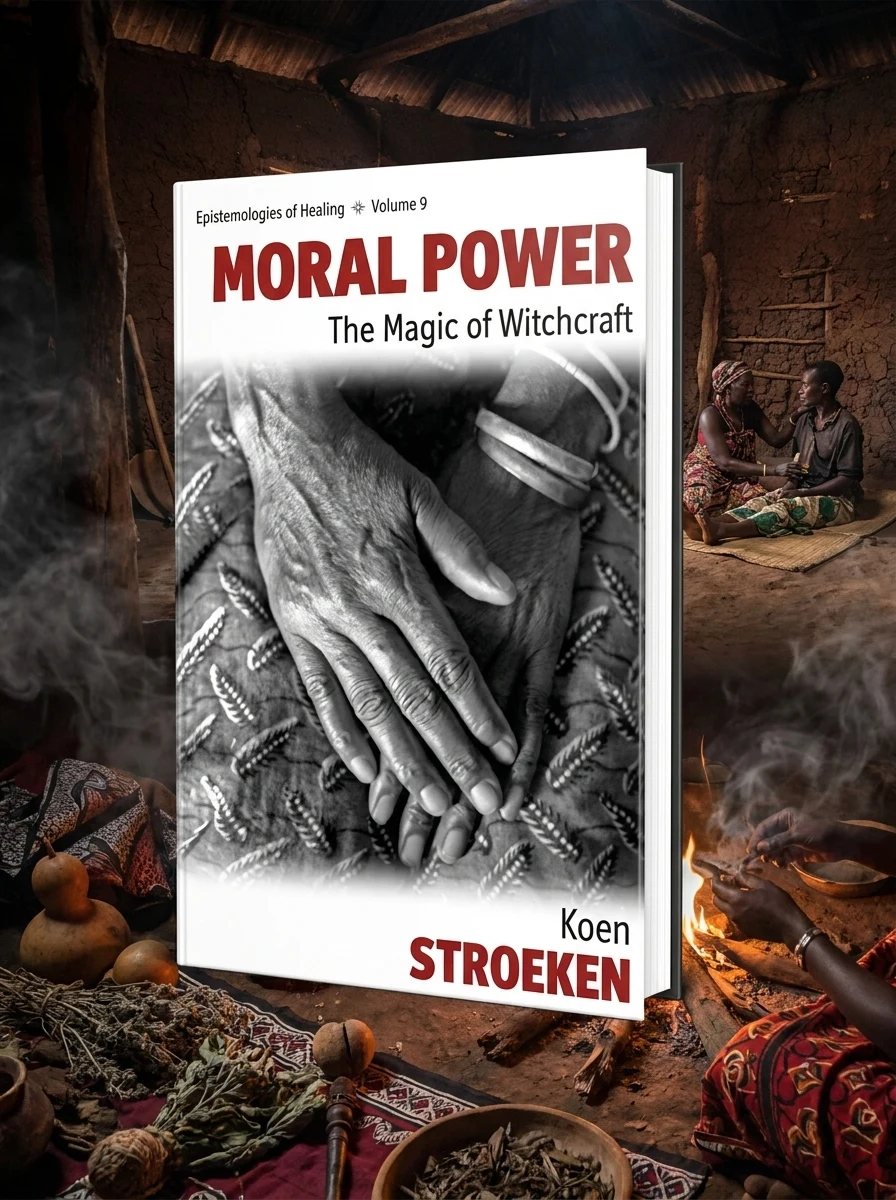
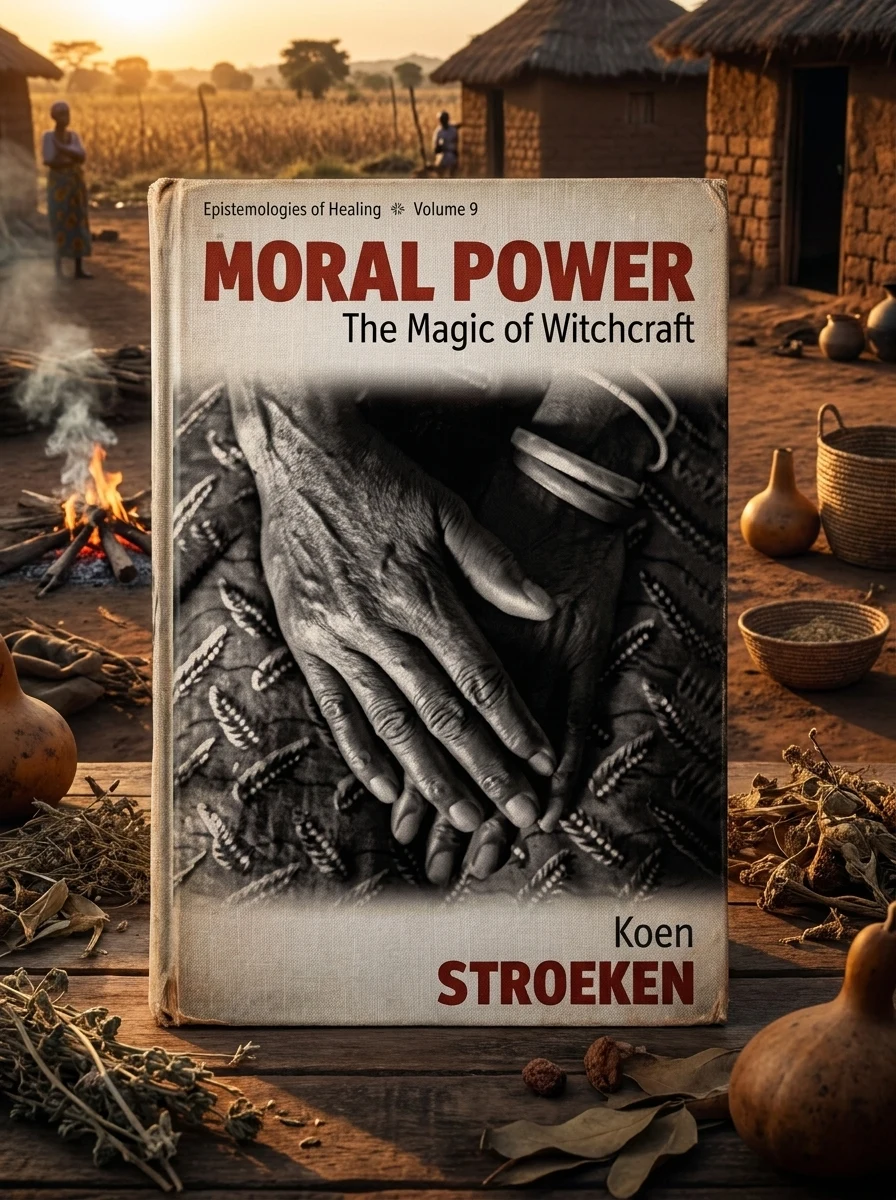
📖 From the series “Epistemologies of Healing”
All books in the series →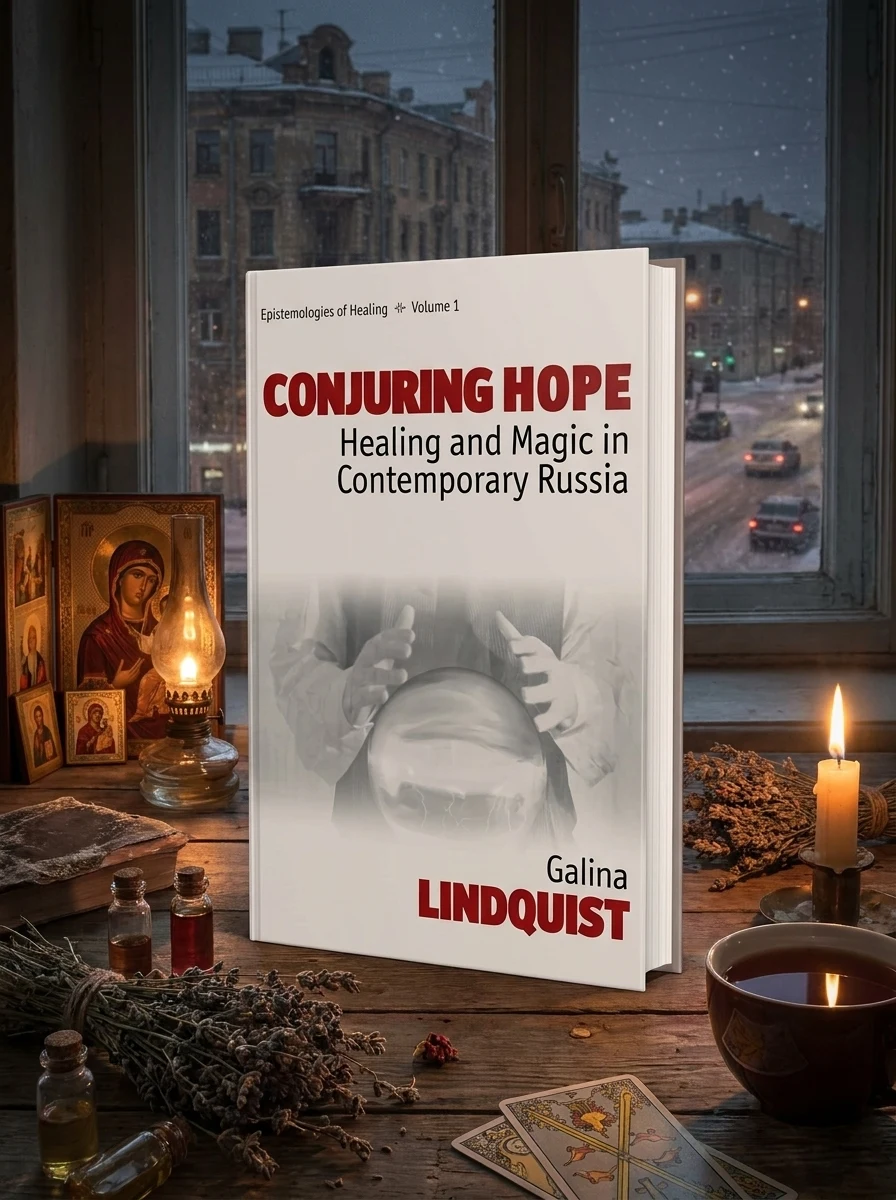


✍️ More books by this author Lindquist, Galina
All books by this author →🏛 Books from this publisher Berghahn Books
All books from this publisher →



You might also like
See more →


Have a question about this item?
Ask about the edition, condition, delivery or anything else — we reply by email or phone, usually within a day.
