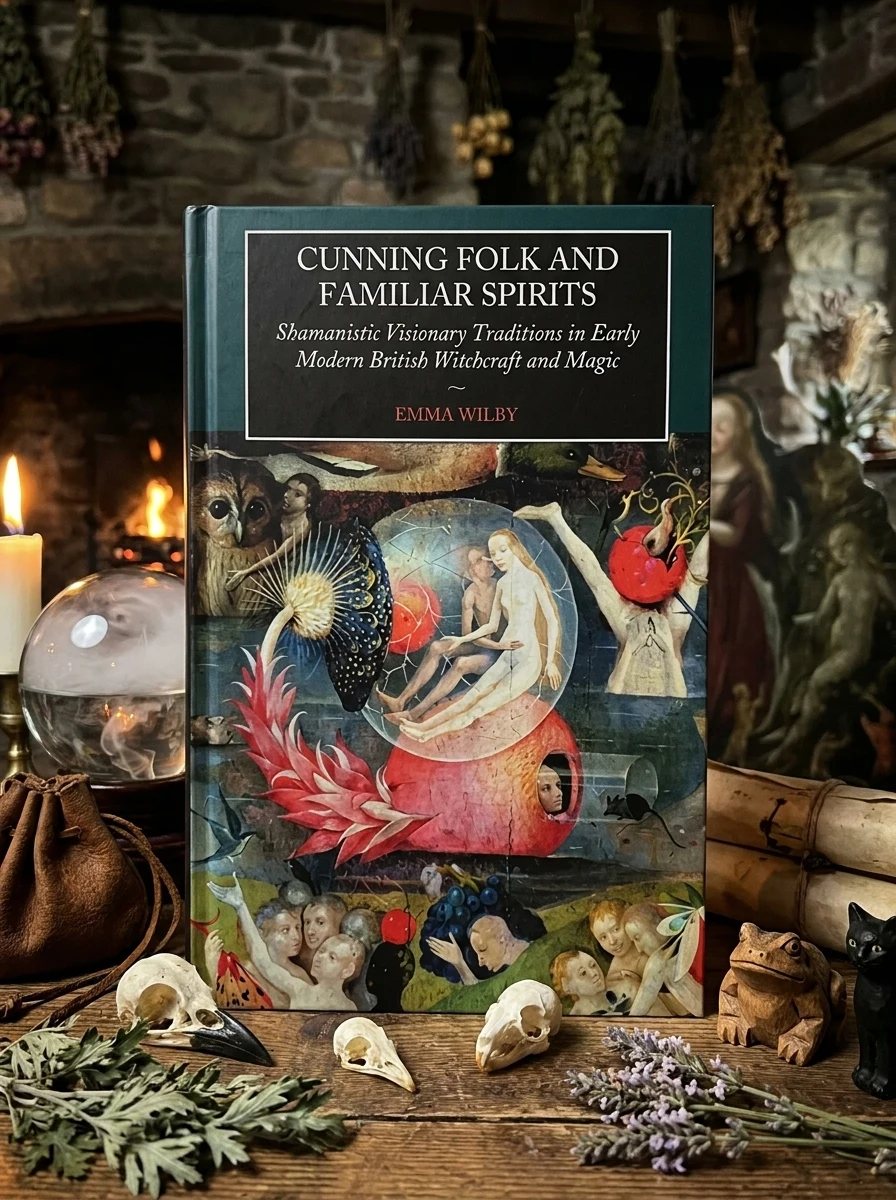
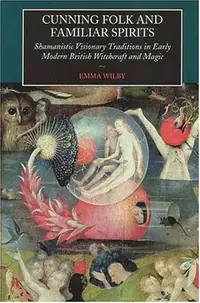
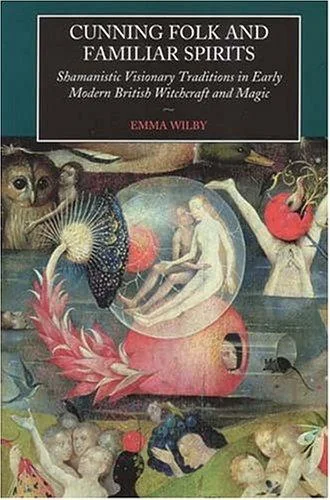
Cunning Folk and Familiar Spirits
Wilby, EmmaStock reported in the catalog; fulfillment is confirmed with your request.
Unearth the intimate world of familiar spirits and cunning folk in early modern Britain.
Wilby's seminal work unearths the profound reality of familiar spirits within early modern British magical practice. Moving beyond the judicial dismissal of these accounts, she meticulously reconstructs the experiential world of cunning folk and witches, revealing their intimate partnerships with spirit entities. The book draws compelling parallels between these practices and tribal shamanism, while also tracing the deep connections between indigenous fairy lore and witchcraft beliefs. It offers a groundbreaking reinterpretation of historical testimonies, presenting a vibrant, previously overlooked dimension of popular magic.
This work explores the esoteric practices of early modern Britain, specifically focusing on the roles of cunning folk and their relationships with familiar spirits. It bridges the gap between historical witchcraft trials and indigenous fairy lore within the context of popular magic.


📝 Description: Cunning Folk and Familiar Spirits
💎 Expert review
📖 Why choose it
Why this book is worth reading
Scholars and enthusiasts of occult history will find this text indispensable for its meticulous reconstruction of the experiential world of early modern British magic. Wilby moves beyond judicial dismissal to reveal the profound reality of spirit partnerships, offering a vibrant reinterpretation of popular magic that honors the cunning folk's perspective. Readers interested in the deep connections between tribal shamanism and witchcraft beliefs will gain valuable insights into how these practices were lived and understood. It is essential for anyone seeking to understand the intimate, often overlooked dimensions of historical spiritual life beyond the stereotypes of persecution.
⭐ Reader reviews
Reader rating
Wilby’s seminal analysis provides a groundbreaking reinterpretation of historical testimonies, unearthing the profound reality of familiar spirits in early modern Britain. By drawing compelling parallels between these practices and tribal shamanism, the book offers a rich, nuanced view of popular magic that transcends simple judicial narratives. However, readers seeking sensationalist tales of black magic or quick, accessible summaries may find the academic rigor demanding. It is not suited for those who prefer speculative fiction over historical reconstruction. This text demands patience and an open mind to appreciate its careful dismantling of traditional witchcraft stereotypes.
❓ Frequently asked questions
📖 Who should read this
If you're drawn to the genuine history of magic, the hidden lives of cunning folk, or the intricate folklore of early modern Britain, this book will illuminate previously obscured spiritual landscapes. It's essential reading for anyone seeking to understand the experiential heart of historical witchcraft.
🎯 Key themes and symbolism
British Magic and Shamanism
Wilby presents a fascinating argument for the striking parallels between the spirit-worker traditions of early modern Britain and global shamanic practices. By drawing these comparisons, the book sheds new light on the experiential nature of magic, suggesting a universal human impulse toward spirit communication and interaction across diverse cultures.
Fairy Lore and Witchcraft
The text meticulously uncovers the interwoven tapestry of fairy beliefs and witchcraft in early modern Britain. It illustrates how traditional folk understandings of the fae realm provided a foundational framework for the perceived interactions with familiar spirits, suggesting a continuity in spiritual landscape rather than a stark division.
💬 Quotes from the book
“The persistent dismissal of familiar accounts as mere judicial fantasy overlooks a sophisticated, deeply embedded spiritual cosmology that defined the experiential reality of many pre-industrial magical practitioners.”
“Through a comparative lens, the intimate reciprocity observed between the cunning folk and their familiars resonates strikingly with the spirit-journeys and helping-spirits central to global shamanic traditions.”
📜 Historical context
📚 Glossary
- Familiar Spirit
- Cunning Folk
- Early Modern Britain
📔 Questions to reflect on
- How does the re-evaluation of familiar spirits change your understanding of historical accusations of witchcraft?
- Consider the parallels drawn between British cunning folk and shamanic traditions. What does this suggest about universal spiritual practices?
- In what ways might traditional fairy lore have influenced or intertwined with early modern beliefs about magical assistance?
✍️ More books by this author Wilby, Emma
All books by this author →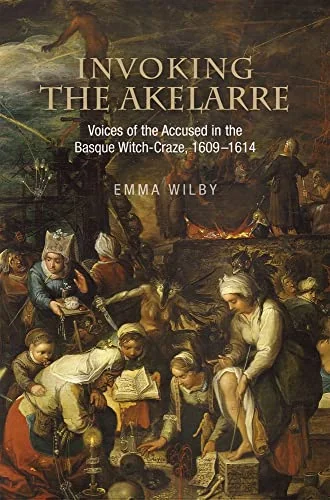
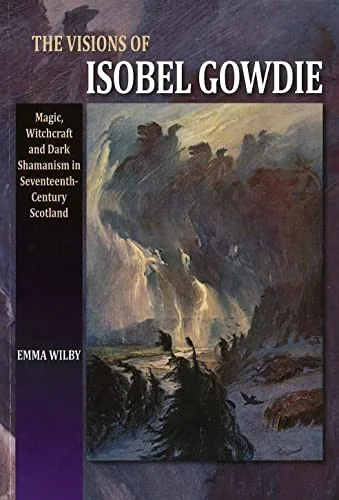
🏛 Books from this publisher Liverpool University Press
All books from this publisher →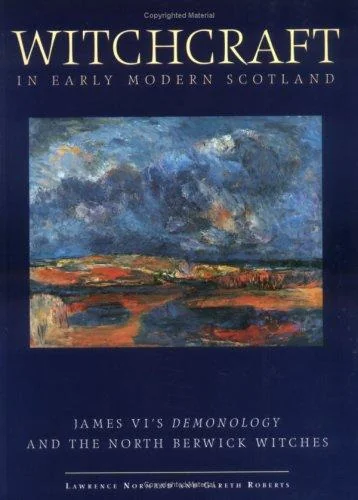
You might also like
See more →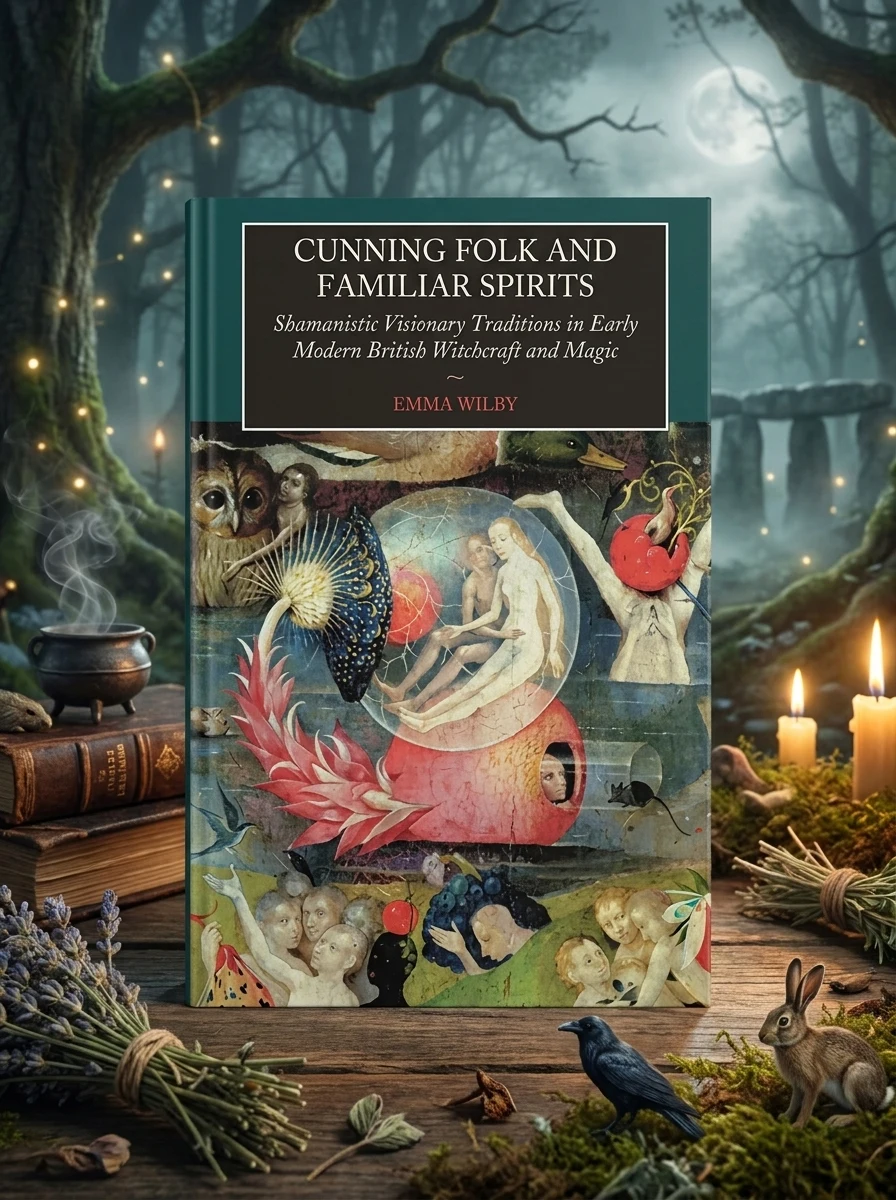
 81
81
 91
91