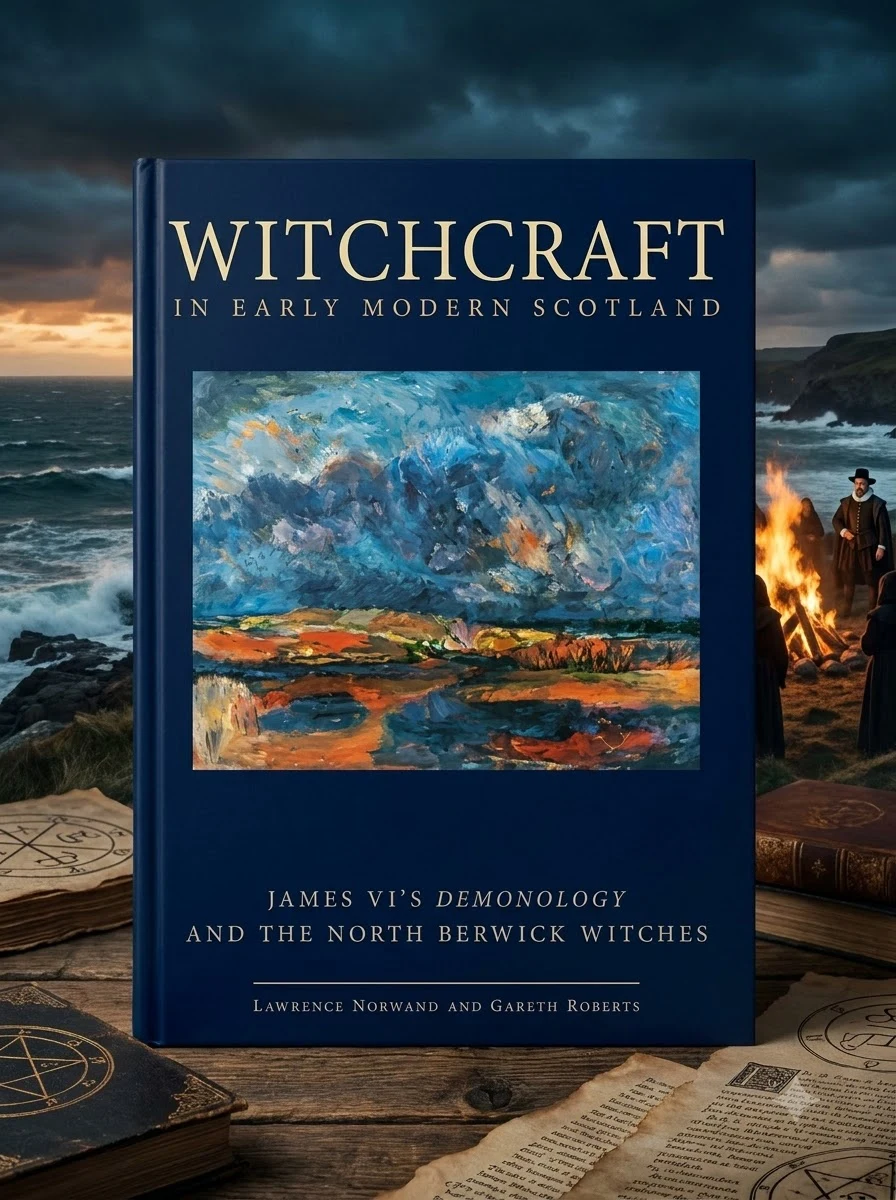
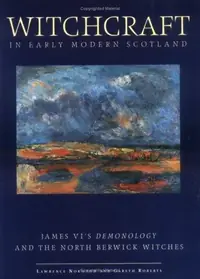
Witchcraft in Early Modern Scotland Normand
Normand, Lawrence; , Roberts, GarethStock reported in the catalog; fulfillment is confirmed with your request.
Unearth the chilling saga of Scotland's most infamous royal witch hunt.
Delve into the chilling saga of the North Berwick witch trials, a pivotal moment in Scottish history where spectral accusations and royal paranoia converged. This meticulously researched volume by Normand and Roberts dissects the foundational tenets of witchcraft and demonology that fueled this notorious episode, offering unparalleled insight into King James VI's deeply personal and political involvement, forever stamping its mark on the esoteric landscape. It's an essential read for understanding how belief, power, and fear intertwined during a tumultuous era.
This work situates itself within the rigorous academic study of early modern Scottish history and the specific sub-genre of esoteric legal history. It explores the intersection of royal power, religious paranoia, and demonological theory during a pivotal era in Scotland's past.


📝 Description: Witchcraft in Early Modern Scotland Normand
💎 Expert review
📖 Why choose it
Why this book is worth reading
Readers deeply interested in the historical mechanics of fear and power will find this volume indispensable. It offers unparalleled insight into how King James VI’s personal paranoia shaped political reality, forever stamping its mark on the esoteric landscape. For those seeking to understand how belief, power, and fear intertwined during a tumultuous era, this meticulously researched text provides essential context. It is not merely a recounting of events but an analysis of the foundational tenets that fueled one of history's most notorious episodes. Scholars and enthusiasts of occult history alike will appreciate the dissection of demonology’s role in statecraft.
⭐ Reader reviews
Reader rating
This text serves as a vital resource for understanding the North Berwick trials, yet it demands serious engagement from its audience. The authors dissect foundational tenets of witchcraft with academic precision, making it unsuitable for casual readers seeking quick thrills or simplified narratives. It does not suit those looking for sensationalist ghost stories; rather, it offers a cold, analytical look at royal involvement and spectral accusations. Readers expecting light entertainment may find the density of historical and theological context heavy. However, for those willing to delve into the chilling saga where political necessity met supernatural belief, it remains an authoritative and necessary contribution to the field.
❓ Frequently asked questions
📖 Who should read this
If you're drawn to the darker currents of history, the intricate interplay of power and belief, or wish to understand the historical context of magical persecution, this book is for you. It's a vital addition for anyone serious about the history of witchcraft and demonology.
🎯 Key themes and symbolism
Royal Fear & Witchcraft
Explore how King James VI's profound personal anxieties and scholarly interest in sorcery directly influenced the North Berwick trials. This book reveals the monarch's pivotal role in shaping the legal and theological framework that condemned accused witches, blurring the lines between state power and occult belief.
Demonology's Dark Grip
Unpack the intricate concepts of demonology that permeated Early Modern Scottish society. The authors meticulously examine how theological doctrines about pacts with the Devil, maleficium, and diabolical assemblies were applied, transforming folk beliefs into capital crimes and legitimizing the brutal persecution of alleged witches.
Historical Witch Hunts
Gain a detailed understanding of the North Berwick episode as a case study within the broader European witch panics. This work illuminates the societal fears, political machinations, and legal processes that characterized these intense periods of persecution, offering a microcosm of the larger historical tragedy.
💬 Quotes from the book
“The shadow of the Devil's pact loomed large over every accusation, transforming suspicion into proof in the eyes of the fearful.”
“James's conviction in the reality of diabolical conspiracy was not merely intellectual; it was a deeply personal crusade against perceived dark forces.”
📜 Historical context
📚 Glossary
- Demonology
- Maleficium
- North Berwick
📔 Questions to reflect on
- How did the political climate of Early Modern Scotland contribute to the intensity of the North Berwick witch trials?
- Reflect on the role of fear, both societal and individual, in shaping historical perceptions and persecutions of witchcraft.
- Consider how modern societal anxieties might, in different forms, lead to similar patterns of scapegoating or persecution.
📖 From the series “Exeter Studies in History”
All books in the series →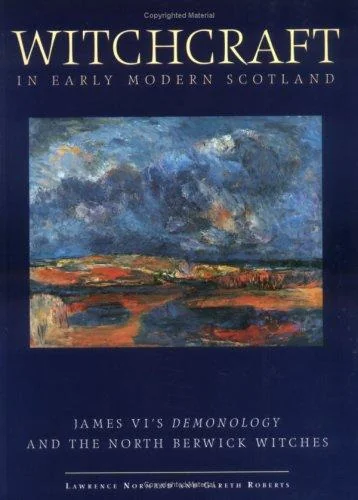
✍️ More books by this author Normand, Lawrence; , Roberts, Gareth
All books by this author →🏛 Books from this publisher Liverpool University Press
All books from this publisher →
 85
85
You might also like
See more →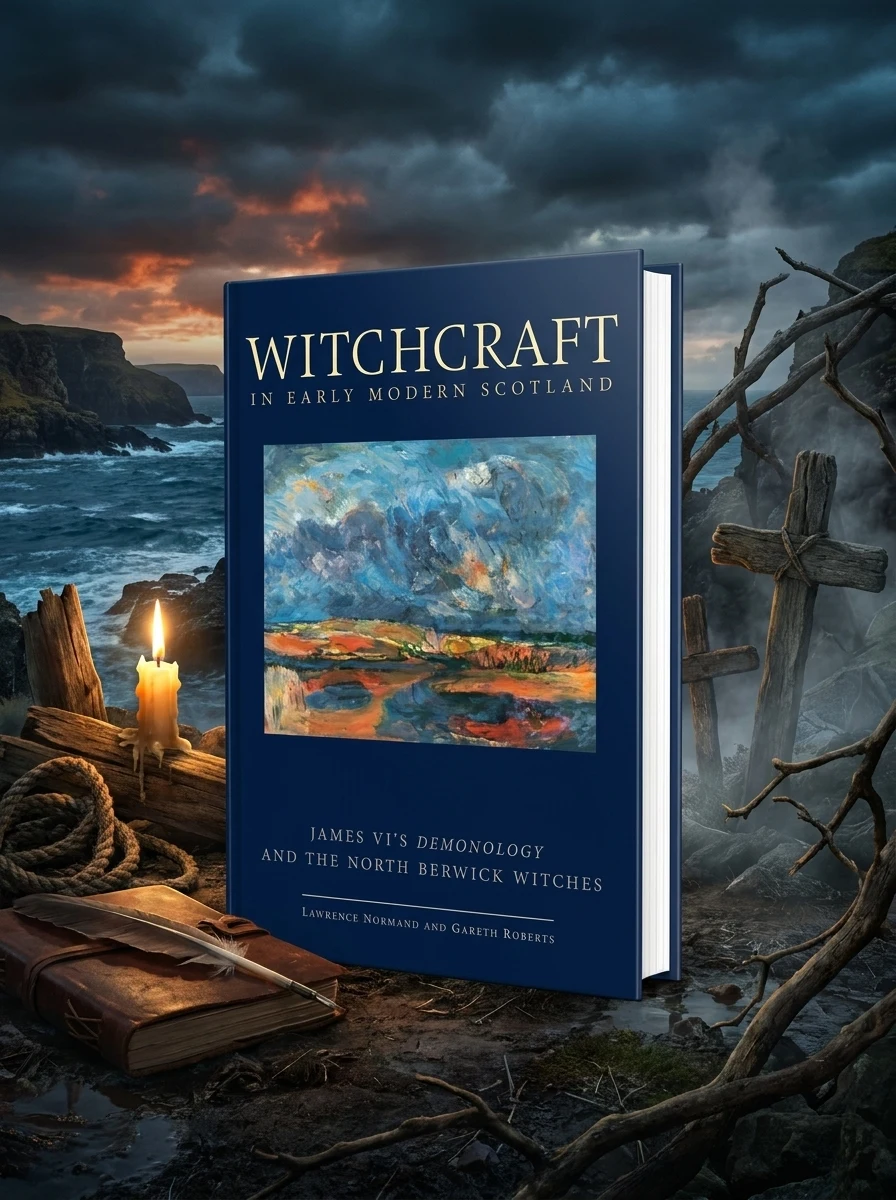 80
80