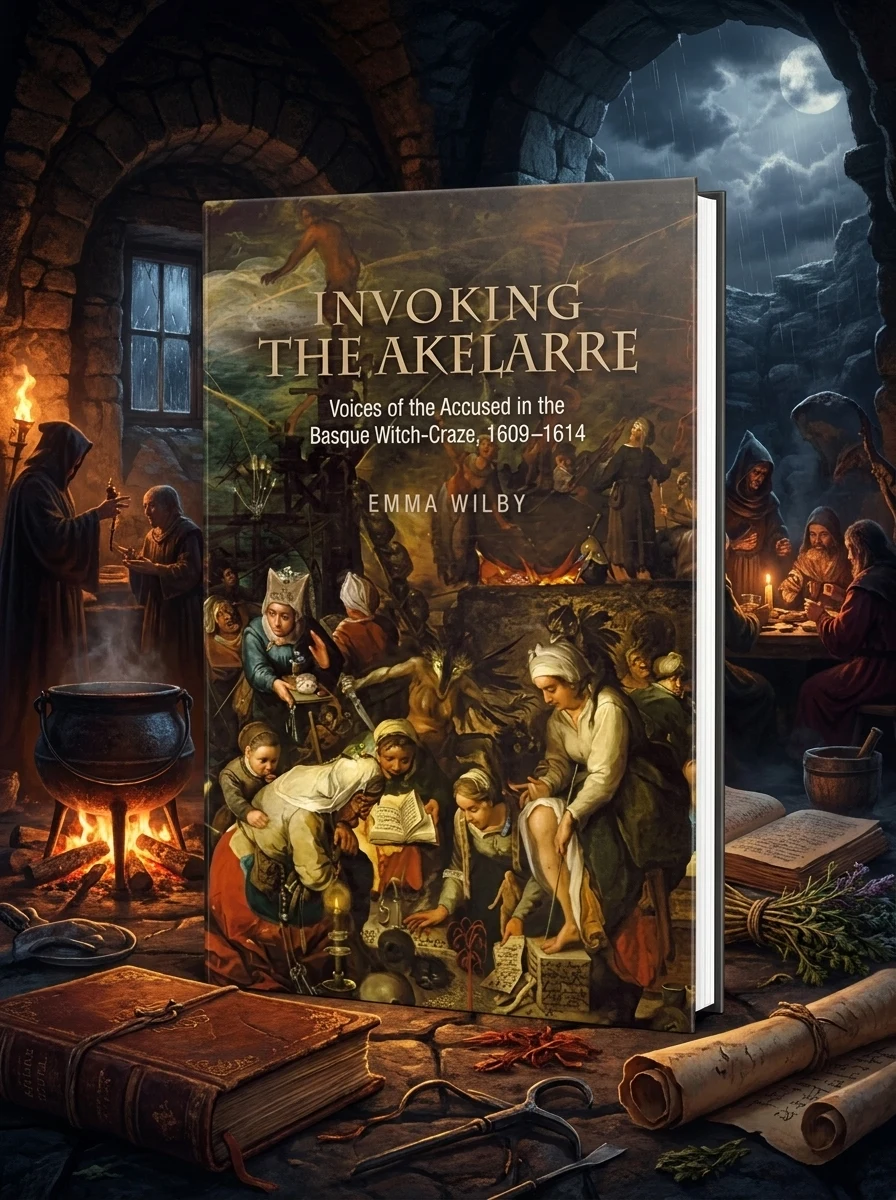
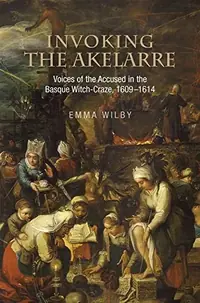
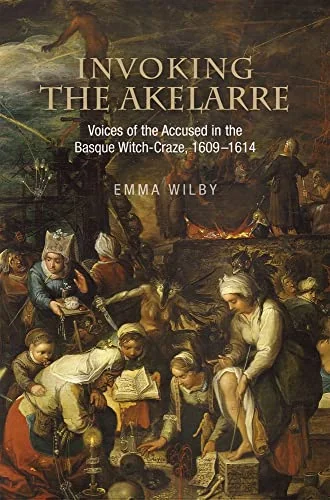
Invoking the Akelarre
Stock reported in the catalog; fulfillment is confirmed with your request.
Uncover the chilling reality behind the infamous Basque Akelarre, where witches' sabbaths took terrifying form.
This book re-examines the notorious Basque witch trials of the early 17th century, moving beyond the usual focus on interrogators to explore the perspectives of the accused. Through an interdisciplinary lens, and drawing from both French and Spanish Basque documents, it reveals how individuals actively shaped the infamous Akelarre narratives. Far from being mere victims of demonic stereotypes, the accused wove their own magical practices, folk beliefs, and daily rituals into the fabric of these confessions, offering a nuanced understanding of their agency within a horrifying historical context.
This work sits at the intersection of historical scholarship and esoteric studies, specifically examining the Basque witch trials through the lens of the accused rather than their interrogators. It challenges traditional narratives of demonic possession by highlighting the agency of individuals in shaping folk beliefs and magical practices.


📝 Description: Invoking the Akelarre
💎 Expert review
📖 Why choose it
Why this book is worth reading
Readers interested in the nuanced history of witchcraft, particularly those seeking to understand the Basque Akelarre beyond sensationalist tropes, will find this book invaluable. It offers a respectful and scholarly look at how accused individuals actively constructed their own narratives amidst terrifying historical pressures. By drawing on diverse French and Spanish Basque documents, it provides a unique perspective on daily rituals and folk beliefs. Those who appreciate interdisciplinary approaches to occult history will gain a deeper appreciation for the complexity of these events. It is essential for anyone wishing to move past simplistic stereotypes and grasp the human element within the horrifying context of the early 17th-century trials.
⭐ Reader reviews
Reader rating
Wilby’s rigorous re-examination of the Basque witch trials offers a vital counter-narrative to traditional accounts dominated by interrogators. The book succeeds in revealing the agency of the accused, weaving together magical practices and folk beliefs into a coherent historical tapestry. However, this academic focus may alienate casual readers seeking thrilling tales of demonic pacts or practical Wiccan instruction. It is not suitable for those preferring straightforward chronological histories or purely theological analyses. Scholars and serious enthusiasts of esoteric history will appreciate the depth, but general audiences might find the interdisciplinary density demanding. It is a significant contribution that demands careful, critical engagement rather than passive consumption.
❓ Frequently asked questions
📖 Who should read this
If you're fascinated by the complexities of historical witchcraft, the psychology of belief, and the intersection of folk magic with institutional power, this book offers a groundbreaking perspective. It's essential reading for anyone seeking a deeper understanding of early modern European demonology beyond simplistic narratives.
🎯 Key themes and symbolism
Agency in Witchcraft Confessions
This study profoundly shifts the narrative by emphasizing the active role of those accused during the Basque trials. It argues that individuals were not simply manipulated into confessing, but instead infused the imposed stereotypes of the Akelarre with their personal magical practices, folk traditions, and lived spiritual experiences, creating a complex tapestry of belief.
Interdisciplinary Historical Insights
By integrating insights from various academic fields, the book offers a richer, more comprehensive understanding of the Basque witch-craze. It meticulously cross-references both French and Spanish-Basque archival records, allowing for a multifaceted analysis that uncovers previously overlooked layers of meaning in the trial testimonies and historical context.
Folk Magic and the Akelarre
The work illuminates how ordinary folk practices, including practical domestic medicine, traditional religious observance, and even darker elements like magical conjuration or liturgical curses, formed the raw material that was then interpreted through the lens of elite demonology. It showcases the surprising continuity between daily life and the dramatic portrayals of the Akelarre.
💬 Quotes from the book
“The accused were not blank slates upon which diabolical narratives were simply inscribed; rather, they actively imbued these terrifying templates with their own local traditions and personal magical understanding.”
“By meticulously examining fragments of domestic healing alongside accounts of conjuration, we begin to see the intricate connections between everyday life and the extraordinary claims of the sabbath.”
📜 Historical context
📚 Glossary
- Akelarre
- Demonology
- Historiography
📔 Questions to reflect on
- How might understanding the accused's agency change our perception of historical witch trials, moving beyond victimhood to a more complex view of belief and coercion?
- Consider how local folk traditions and everyday practices, when viewed through a lens of fear and demonology, could be misconstrued or exaggerated into accusations of witchcraft.
- What does the interdisciplinary approach of this book reveal about the limitations of relying solely on official court records when reconstructing historical narratives of marginalized groups?
🏛 Books from this publisher Liverpool University Press
All books from this publisher →
 85
85
You might also like
See more →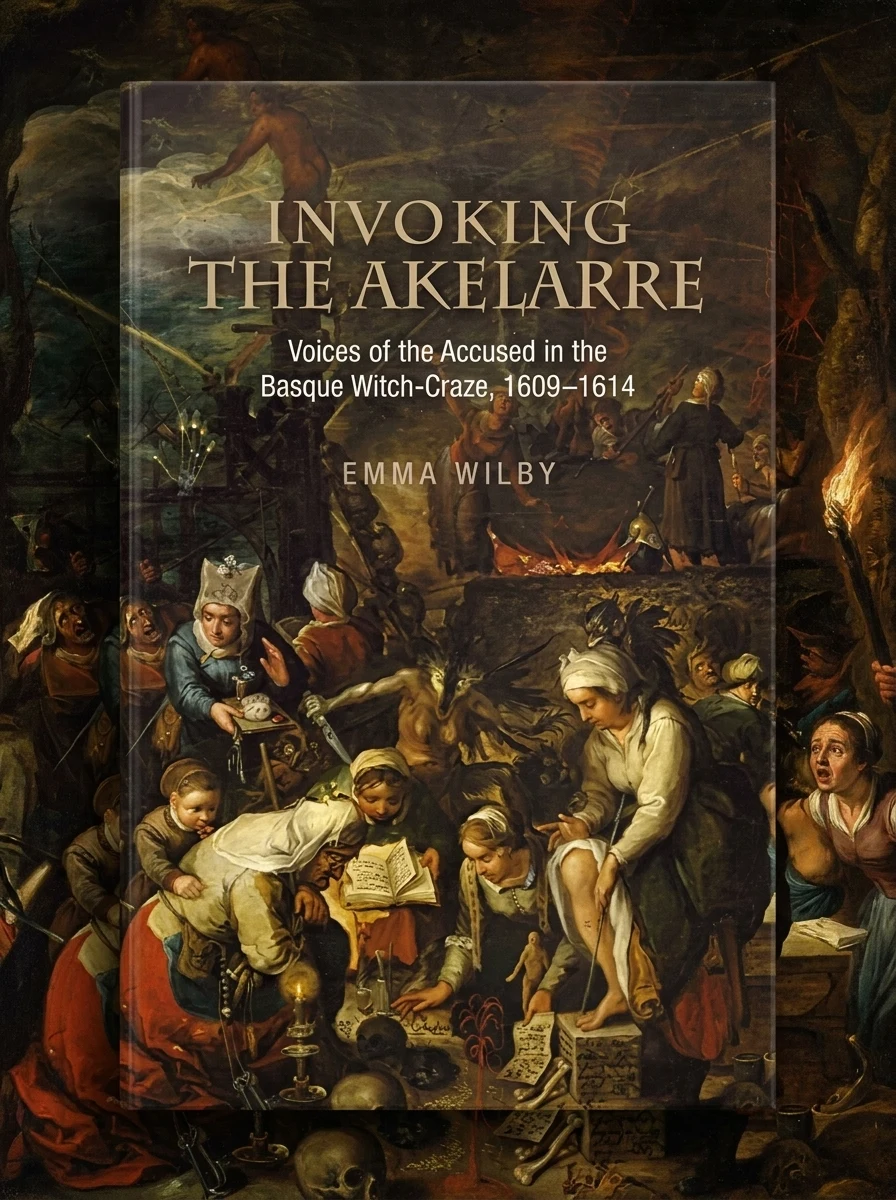

 80
80
 91
91