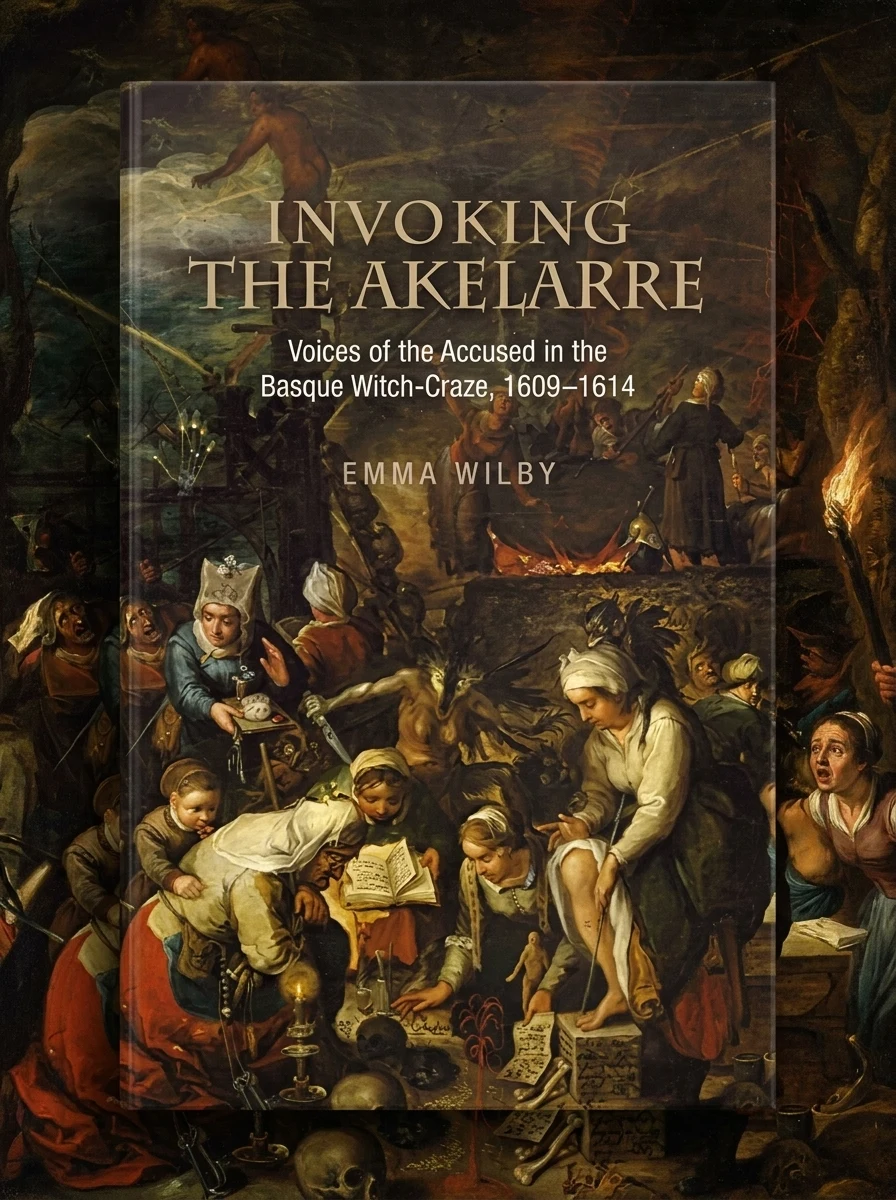
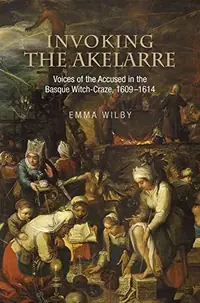
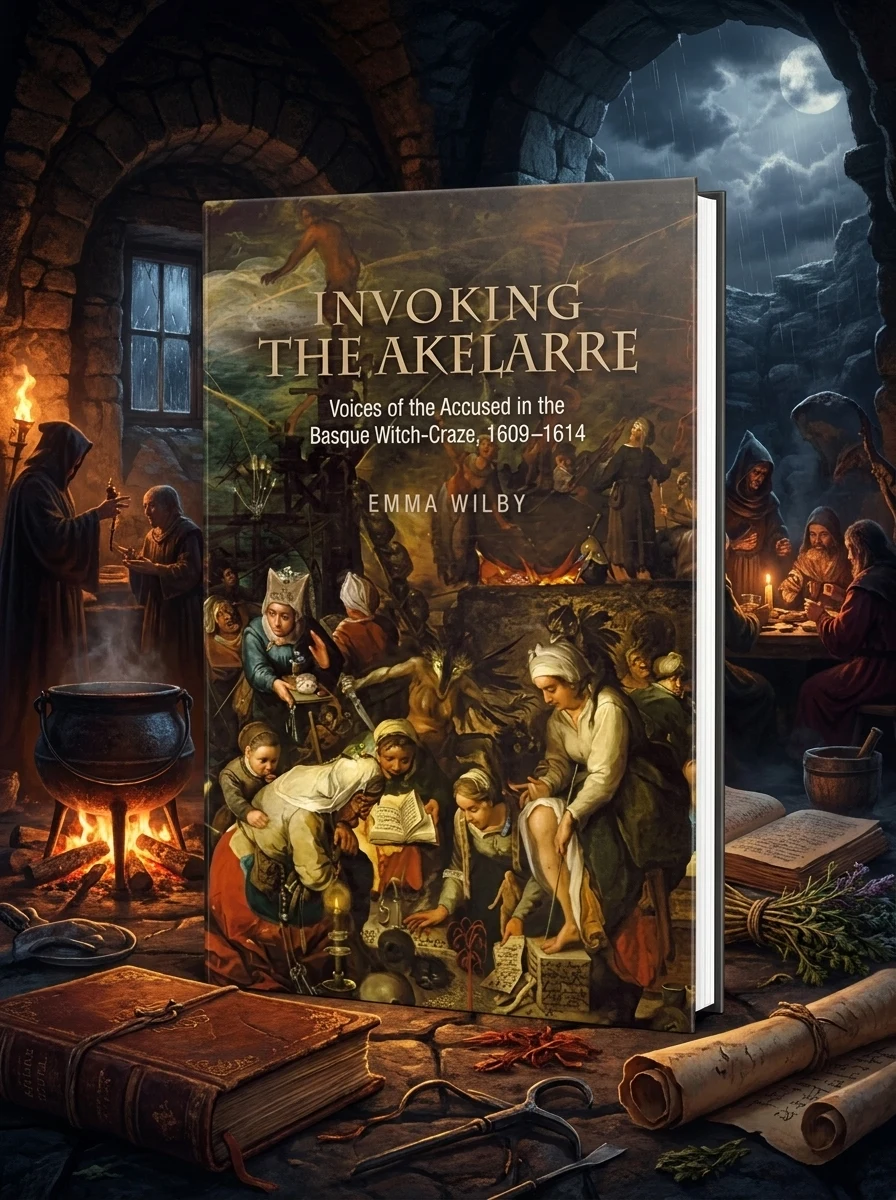
Invoking the Akelarre
Wilby, Emma 84
84
 Editorial score
How we rate
Editorial score
How we rate
Stock reported in the catalog; fulfillment is confirmed with your request.
Unearth the complex truths behind the most sensational witch trials of early modern Europe.
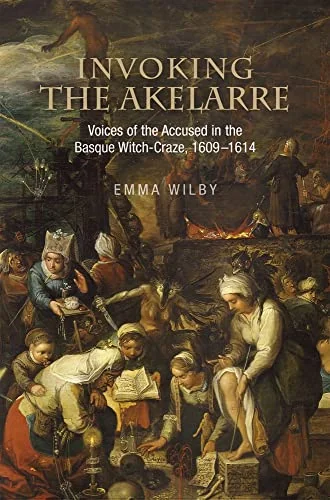
Emma Wilby's "Invoking the Akelarre" offers a compelling re-examination of the infamous Basque witch trials of 1609-1614, notorious for their dramatic descriptions of demonic gatherings. This groundbreaking study moves beyond traditional scholarship that often focused solely on the inquisitors' influence. Wilby argues that the accused were not passive recipients of demonological stereotypes. Instead, through interdisciplinary analysis of both French and Spanish Basque records, she reveals how individuals actively infused these narratives with their own beliefs and experiences, from the pragmatic use of folk medicine to the dark allure of magical conjuration and everyday religious observance.
This work sits firmly within the historiography of early modern European witchcraft and esotericism, challenging traditional demonological narratives through an interdisciplinary lens. It bridges the gap between academic historical analysis and the lived spiritual experiences of marginalized communities in the Basque region.


📝 Description: Invoking the Akelarre
💎 Expert review
📖 Why choose it
Why this book is worth reading
This book is essential for readers fascinated by the intersection of folk practice and institutional power in early modern Europe. It offers a refreshing perspective for those tired of viewing accused witches merely as victims of coercion, instead revealing their agency in shaping narratives that blended pragmatic folk medicine with dark conjuration. Scholars and enthusiasts of Basque culture will appreciate the nuanced use of French and Spanish records to uncover complex truths. By moving beyond simple demonological stereotypes, Wilby provides a richly layered understanding of how religious observance and magical belief coexisted. It is particularly rewarding for those seeking to understand the active role individuals played in constructing their own spiritual realities during times of intense persecution.
⭐ Reader reviews
Reader rating
Wilby’s study is a rigorous academic contribution that demands patience from its audience. While it successfully dismantles the passive victim narrative, its dense interdisciplinary methodology may alienate casual readers seeking accessible storytelling or straightforward historical summaries. It is not suitable for those looking for sensationalized accounts of demonic gatherings without critical analysis. However, for scholars and serious students of esoteric history who appreciate nuanced arguments about agency and belief formation, this text is a vital resource. It requires engagement with complex archival evidence but rewards the reader with a profound re-examination of the Basque witch trials.
❓ Frequently asked questions
📖 Who should read this
If you seek a profound understanding of early modern witch trials, moving beyond simplistic narratives of coercion, this book is essential. It offers crucial insights into human agency, the psychology of belief, and the intricate historical construction of magical practices, challenging preconceived notions about the accused.
🎯 Key themes and symbolism
Agency of the Accused
This work fundamentally challenges the long-held perception of accused witches as mere passive victims. Wilby compellingly demonstrates how individuals, even under duress, actively contributed to their testimonies, blending official demonological stereotypes with their deeply held personal beliefs, practical magic, and daily life experiences, revealing a surprising degree of personal interpretation.
Interdisciplinary Historical Insight
Wilby masterfully employs a rich, interdisciplinary approach, meticulously analyzing historical records from both French and Spanish Basque regions. By examining these diverse sources through multiple academic lenses, the book uncovers the nuanced interplay between local folk beliefs, legal frameworks, and the personal narratives that emerged during the witch trials, offering a comprehensive understanding.
The Akelarre Reimagined
This study delves deeply into the construction of the "akelarre," or witches' sabbath, accounts, arguing they were not solely imposed fictions. It illuminates how accused individuals integrated elements from their own traditions—ranging from liturgical curses and theatrical misrule to domestic healing practices—into the popular demonological narratives, creating a more complex and lived understanding of these dark gatherings.
💬 Quotes from the book
“The accused were not merely vessels for pre-ordained demonic narratives but dynamic agents, weaving their local beliefs and practical knowledge into the fabric of the inquisitorial script.”
“From the raw magic of conjuration to the pragmatic wisdom of folk healing, the alleged 'sabbath' emerged as a complex tapestry of imposed stereotype and lived tradition.”
📜 Historical context
📚 Glossary
- Akelarre
- Demonology
- Historiography
📔 Questions to reflect on
- How might our understanding of historical events change if we consistently seek the agency of the marginalized, even within oppressive systems?
- Consider how contemporary narratives, similar to historical demonology, might unintentionally shape or distort the personal experiences of individuals today.
- Reflect on the interplay between official doctrine and folk belief in your own cultural or spiritual background. How do they merge or conflict?
✍️ More books by this author Wilby, Emma
All books by this author →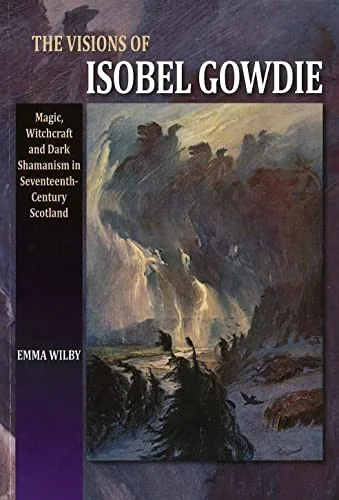
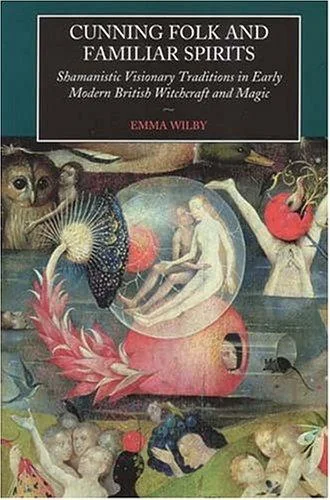
🏛 Books from this publisher Liverpool University Press
All books from this publisher →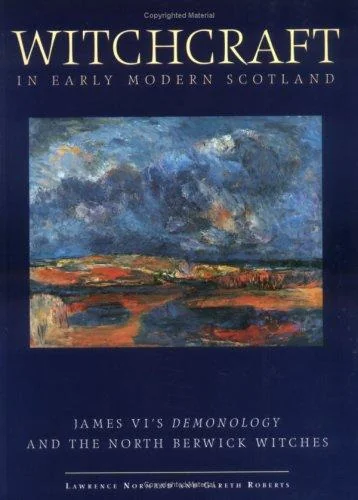
 85
85
You might also like
See more →
 80
80