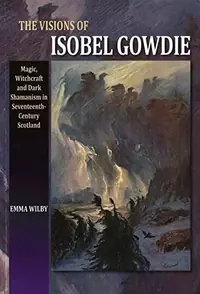
Visions of Isobel Gowdie
Wilby, EmmaStock reported in the catalog; fulfillment is confirmed with your request.
Unearth the haunting visions of Scotland's most extraordinary witch confession.
Emma Wilby's "Visions of Isobel Gowdie" delves into the singularly vivid and descriptive confessions of a 17th-century Scottish woman, widely regarded as the most remarkable in British history. This groundbreaking work, sparked by the rediscovery of lost trial records, offers an interdisciplinary examination. Wilby expertly navigates historical, psychological, and anthropological perspectives to distinguish Gowdie's authentic voice from her interrogators' influence. The book explores the complex interplay of fairy beliefs, pre-Christian shamanic traditions, and early modern witchcraft, shedding new light on a figure whose testimony profoundly shaped the ritual traditions of modern Wicca.
This work sits at the intersection of early modern British history and contemporary Wiccan ritual origins, bridging the gap between historical trial records and living esoteric practice. It serves as a critical resource for understanding how 17th-century Scottish folk beliefs evolved into modern occult traditions.


📝 Description: Visions of Isobel Gowdie
💎 Expert review
📖 Why choose it
Why this book is worth reading
Readers deeply invested in the roots of Wicca and the history of European witchcraft will find this book indispensable. Emma Wilby provides a rare window into the authentic voice of Isobel Gowdie, separating her vivid confessions from the coercive influence of her interrogators. By weaving together historical, psychological, and anthropological perspectives, the author illuminates the complex tapestry of fairy beliefs and pre-Christian shamanic traditions that underpin modern ritual magic. This interdisciplinary approach offers a profound appreciation for how a single woman’s testimony shaped contemporary esoteric practices, making it essential for scholars and practitioners alike who seek to understand the genuine spiritual lineage behind their craft.
⭐ Reader reviews
Reader rating
Wilby’s scholarship is rigorous and revelatory, offering a necessary corrective to romanticized notions of witchcraft by grounding them in historical reality. However, this book does not suit readers seeking a narrative memoir or casual folklore collection. It requires patience for its academic structure and interdisciplinary analysis, which may feel dense to those preferring lighter, more accessible storytelling. The focus on distinguishing authentic voice from interrogation pressure demands close attention. While invaluable for understanding the genesis of Wiccan ritual, it is best approached by those with a strong interest in historical methodology and anthropological theory rather than those looking for simple entertainment or straightforward spiritual guidance.
❓ Frequently asked questions
📖 Who should read this
If you are drawn to the intersections of history, folklore, and the esoteric, or if you seek a deeper understanding of witchcraft's complex origins and its impact on modern paganism, this book is essential. It's for those who appreciate rigorous scholarship applied to profound mysteries.
🎯 Key themes and symbolism
Fairy and Witch Beliefs
The book meticulously explores how pre-existing fairy lore and emerging witch beliefs intertwined within the early modern Scottish psyche. It analyzes how Gowdie's confessions uniquely illustrate this fascinating cultural convergence, offering an unparalleled glimpse into a world where these traditions were not distinct but deeply integrated into the popular imagination and spiritual landscape of the time.
Shamanic Visionary Traditions
Wilby provocatively examines the controversial argument that Gowdie's experiences suggest the persistence of pre-Christian shamanic visionary traditions in Scotland. Through careful comparative religious and anthropological analysis, the book investigates whether her vivid descriptions of spirit journeys and otherworldly encounters reflect ancient ecstatic practices, providing a compelling, albeit debated, perspective on her confessions.
Wicca's Historical Roots
This work illuminates the profound, often unacknowledged, influence of Isobel Gowdie's confessions on the development of modern Wiccan ritual traditions. It traces how her detailed accounts, more than any other British witch trial records, resonated with and were integrated into the foundational narratives and practices of contemporary Wicca, establishing a significant historical link for practitioners and scholars alike.
💬 Quotes from the book
“By meticulously disentangling the imposed narrative of her interrogators from the authentic texture of her own cultural and personal experience, we begin to hear Isobel Gowdie's true voice.”
“The sheer imaginative force of Gowdie's visions, far from mere delusion, provides an invaluable ethnographic lens into a syncretic spiritual cosmology where the fae and the infernal were intimately intertwined.”
📜 Historical context
📚 Glossary
- Stuart Era
- Shamanism
- Wicca
📔 Questions to reflect on
- How do you think the rediscovery of lost historical documents can fundamentally alter our understanding of past events or figures?
- Reflect on the power of personal narrative, even under duress, to shape historical and spiritual traditions. What does this tell us about resilience and belief?
- Consider the interplay between folklore, individual experience, and religious doctrine. Where do you see these forces converging in contemporary spiritual practices?
✍️ More books by this author Wilby, Emma
All books by this author →
🏛 Books from this publisher Liverpool University Press
All books from this publisher →
 85
85
You might also like
See more →
 80
80
 91
91