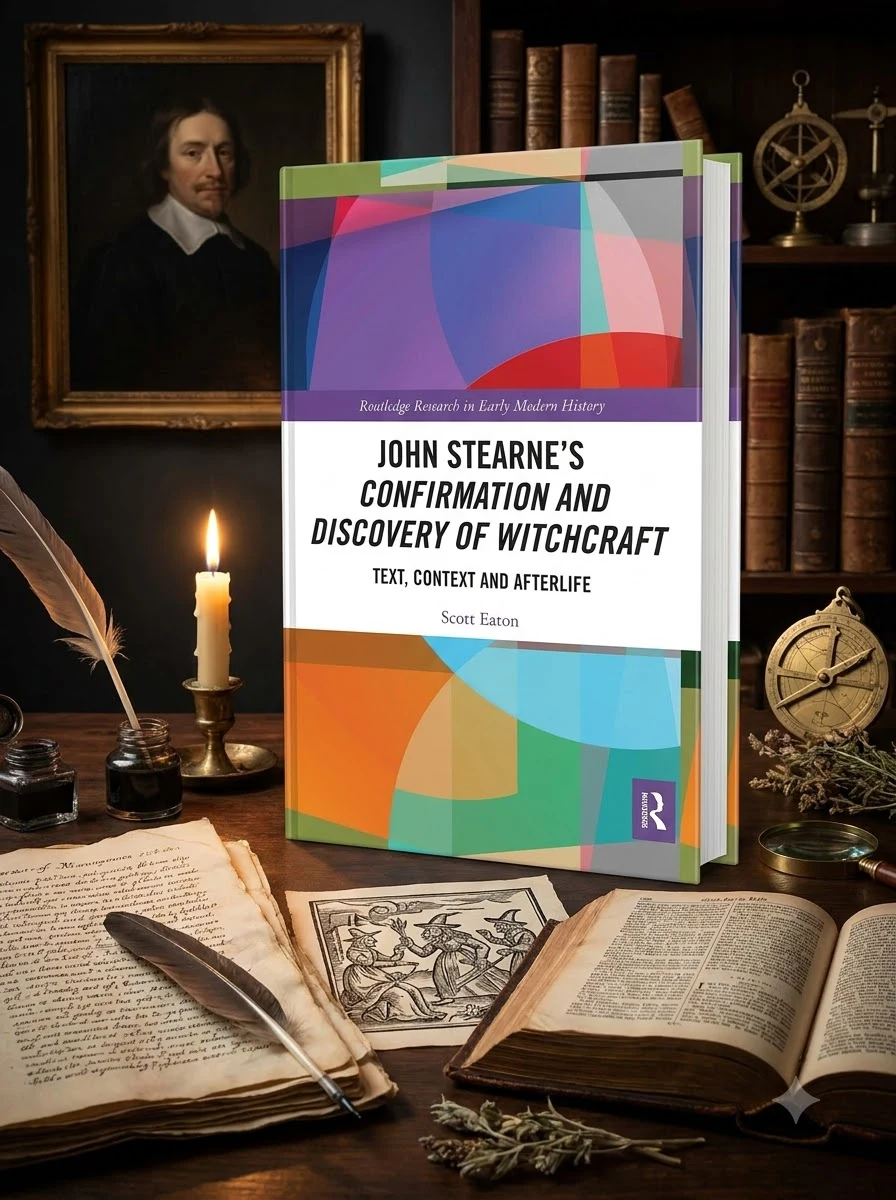
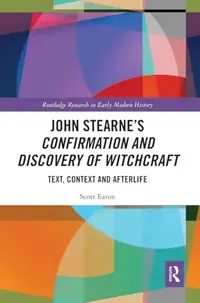
John Stearne's Confirmation and Discovery of Witchcraft: Text, Context and Afterlife Eaton, Scott
Eaton, ScottStock reported in the catalog; fulfillment is confirmed with your request.
Unmask the chilling convictions behind England's notorious witch-hunts.
Delve into Scott Eaton's groundbreaking analysis of John Stearne's infamous "A Confirmation and Discovery of Witchcraft." This essential study meticulously unpacks the 17th-century text, positioning Stearne's beliefs within the complex tapestry of early modern thought. Eaton illuminates how religious dogma, burgeoning scientific inquiry, pervasive demonological theories, evolving gender perceptions, and the burgeoning print culture shaped the mindset of a key figure in Britain's witch-finding fervor. Gain profound insight into the motivations and intellectual landscape that fueled one of history's darkest chapters.
This work sits firmly within the historiography of early modern European witch-hunts, specifically examining the intellectual and theological underpinnings of seventeenth-century English demonology. It bridges the gap between primary occult texts and modern academic analysis of how religious dogma and emerging scientific inquiry shaped persecution.


📝 Description: John Stearne's Confirmation and Discovery of Witchcraft: Text, Context and Afterlife Eaton, Scott
💎 Expert review
📖 Why choose it
Why this book is worth reading
Scholars and enthusiasts of esoteric history will find profound value in this meticulous unpacking of John Stearne's mindset. It is ideal for those seeking to understand not just the events of the witch-hunts, but the complex tapestry of beliefs—ranging from religious dogma to evolving gender perceptions—that fueled them. Readers interested in the intersection of print culture and demonological theory will gain essential insight into the motivations behind one of history's darkest chapters, moving beyond simple narrative to explore the intellectual landscape that justified such fervor.
⭐ Reader reviews
Reader rating
Eaton provides a groundbreaking analysis of a key figure in Britain's witch-finding fervor, offering deep insights into early modern thought. However, this text is strictly academic and analytical rather than narrative-driven. It does not suit readers seeking a dramatic retelling of events or general entertainment. Those looking for accessible storytelling or primary source translations without extensive contextual framing may find the dense theoretical approach tedious. It is best reserved for those prepared to engage with rigorous scholarly examination of historical motivations.
❓ Frequently asked questions
📖 Who should read this
If you're drawn to the shadowy corners of historical belief systems, the mechanics of mass hysteria, or the intellectual underpinnings of persecution, this book offers unparalleled insight. It's a vital read for anyone seeking to understand the darkest impulses of the early modern mind.
🎯 Key themes and symbolism
Early Modern Demonology
Explore how Stearne's work was deeply enmeshed in the prevailing demonological theories of the 17th century. Eaton dissects the intellectual currents that defined witchcraft as a tangible, insidious threat, revealing how these beliefs were systematically codified and propagated, influencing both legal and social responses to accused witches.
Gender and Witchcraft Accusations
This study critically examines the significant role of gender in the witch trials and accusations that Stearne spearheaded. Eaton investigates how societal perceptions of women, their roles, and their perceived vulnerabilities or transgressions were intrinsically linked to the profiling and persecution of those deemed to be practicing witchcraft.
Print Culture's Influence
Understand the revolutionary impact of the printing press on the spread and solidification of witch-hunting ideologies. Eaton reveals how published works like Stearne's amplified anxieties, disseminated methods for 'discovery,' and shaped public opinion, transforming local superstitions into widespread, state-sanctioned persecutions across Great Britain.
💬 Quotes from the book
“To truly grasp Stearne's zealous pursuit, one must first navigate the labyrinthine theological and philosophical currents that defined 17th-century perceptions of evil and divine retribution.”
“The intersection of nascent scientific inquiry and entrenched religious dogma created a fertile, yet perilous, ground for the 'discovery' of supernatural malevolence in the mundane.”
📜 Historical context
📚 Glossary
- Demonology
- Witch-finder
- Print Culture
📔 Questions to reflect on
- How did the intellectual and social anxieties of the 17th century parallel or diverge from periods of moral panic in more recent history?
- Reflect on the power of published texts, like Stearne's, to shape public perception and justify persecution. What modern parallels can you identify?
- Considering the role of gender in witch accusations, how do historical prejudices continue to manifest in contemporary societal judgments and scapegoating?
📖 From the series “Routledge Research in Early Modern History”
All books in the series →
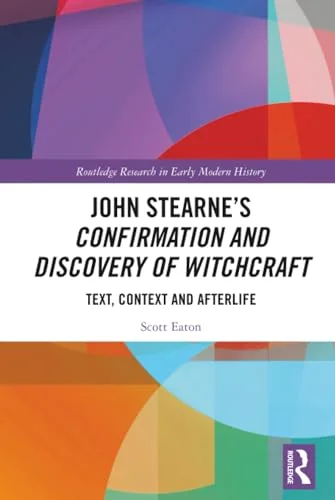
✍️ More books by this author Eaton, Scott
All books by this author →🏛 Books from this publisher Routledge
All books from this publisher →
 89
89

You might also like
See more →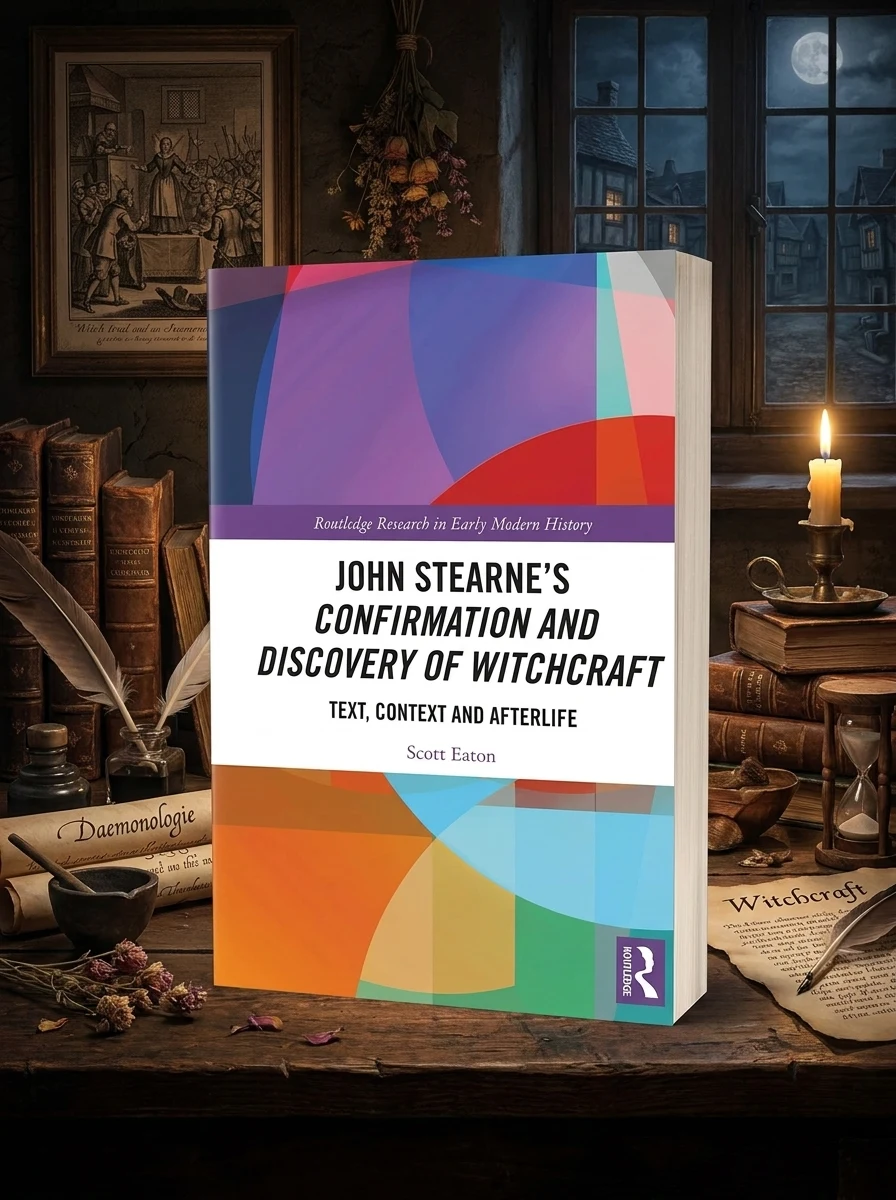
 91
91
 90
90
 90
90
 90
90