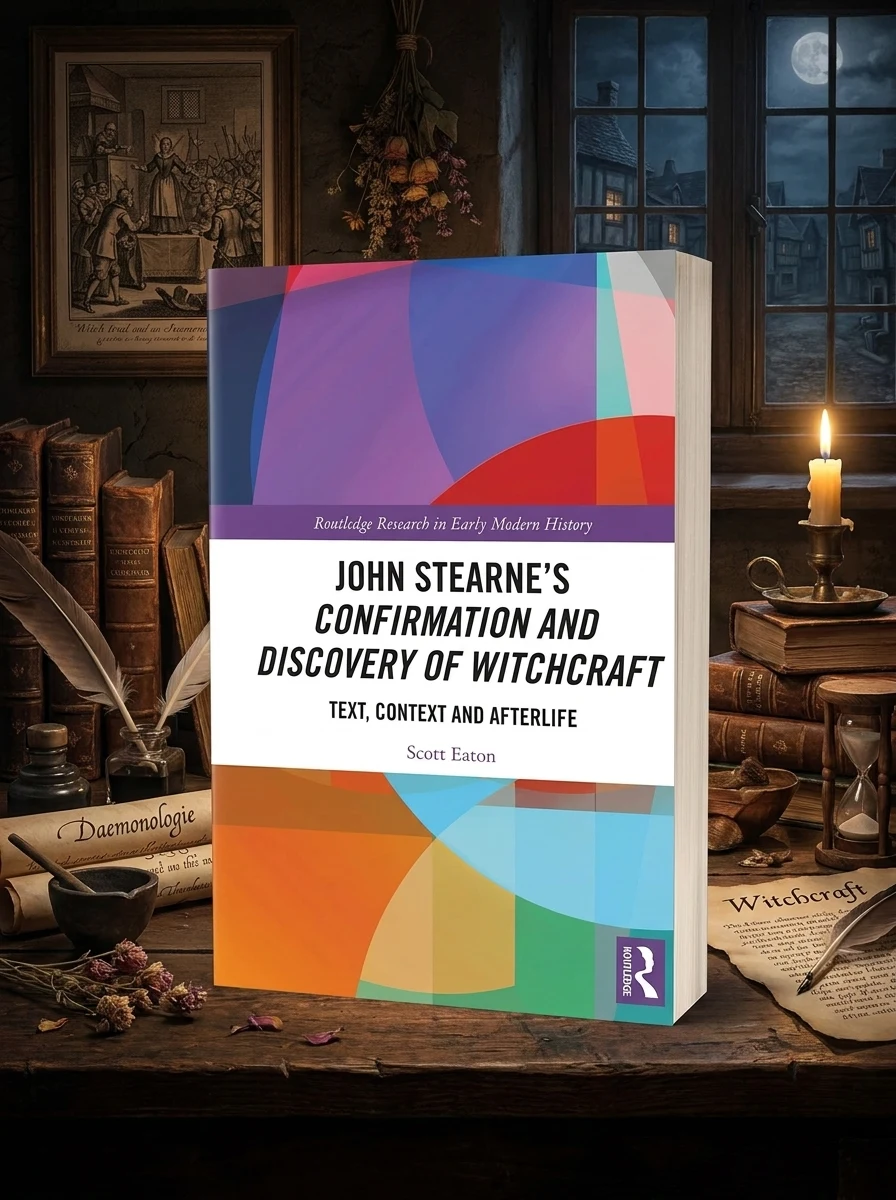
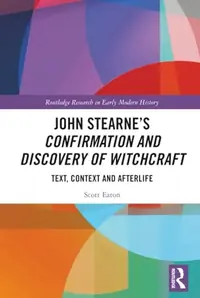
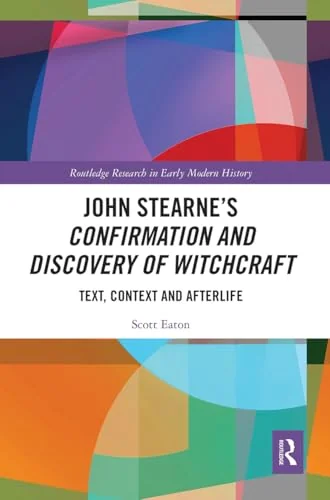
John Stearne's Confirmation and Discovery of Witchcraft: Text, Context and Afterlife Eaton, Scott
Eaton, Scott 81
81
 Editorial score
How we rate
Editorial score
How we rate
Stock reported in the catalog; fulfillment is confirmed with your request.
Delve into the chilling convictions of a 17th-century witch-finder, unraveling his dark legacy.
Scott Eaton's pioneering study offers the first in-depth examination of John Stearne's infamous work, "A Confirmation and Discovery of Witchcraft." Rather than merely dissecting the text, Eaton masterfully places Stearne's fervent beliefs within the intricate tapestry of early modern intellectual life. Explore how prevailing notions of religion, demonology, gender, emerging scientific thought, and the burgeoning print culture shaped Stearne’s worldview and fueled his zealous witch-hunting campaigns, offering profound insight into the motivations of a pivotal figure in this dark historical period.
This work sits at the intersection of early modern intellectual history and the study of demonology, examining how religious fervor and emerging scientific thought influenced witch-hunting campaigns in the seventeenth century.


📝 Description: John Stearne's Confirmation and Discovery of Witchcraft: Text, Context and Afterlife Eaton, Scott
💎 Expert review
📖 Why choose it
Why this book is worth reading
Scholars and serious enthusiasts of occult history will find this text indispensable for understanding the complex motivations behind seventeenth-century witch-hunting. Eaton moves beyond simple condemnation to explore how John Stearne’s worldview was shaped by the intricate tapestry of his time, including religion, gender dynamics, and print culture. By analyzing Stearne’s infamous work within its broader intellectual context, readers gain profound insight into the zealous mindset that fueled these dark campaigns. This book is essential for anyone seeking to move past superficial narratives and understand the historical mechanics of witchcraft convictions through a rigorous, contextual lens.
⭐ Reader reviews
Reader rating
Eaton provides a pioneering, in-depth examination of Stearne’s legacy, masterfully placing his beliefs within early modern intellectual life. However, this scholarly approach demands patience and academic rigor. It is not suited for casual readers seeking thrilling ghost stories or quick summaries of witch trials. Those expecting sensationalism or easy-to-digest anecdotes will likely find the dense analysis of demonology and print culture tedious. This volume is strictly for those willing to engage with complex historical arguments regarding religion, gender, and science in the early modern period.
❓ Frequently asked questions
📖 Who should read this
For those fascinated by the psychological and societal underpinnings of historical persecutions, or scholars delving into early modern religious fervor and the chilling mechanics of witch-hunts, this book offers unparalleled insight. It's essential reading for anyone seeking to comprehend the dark intellectual landscape that permitted such atrocities.
🎯 Key themes and symbolism
Early Modern Demonology
This work meticulously dissects how 17th-century demonological theories, prevalent in both theological and popular thought, formed the bedrock of Stearne's convictions. It illuminates how these doctrines provided the framework through which he interpreted perceived witchcraft, justifying his methods and beliefs within the intellectual currents of his era.
Gender and Witchcraft
Eaton explores the profound influence of contemporary gender norms and societal expectations on Stearne's accusations and interpretations. Discover how prevailing patriarchal views contributed to the disproportionate targeting of women, shaping the very definition of a witch and the perceived vulnerabilities that led to accusations and condemnation.
Print Culture's Impact
The study reveals how the burgeoning print culture of the 17th century played a crucial role in disseminating Stearne's ideas and influencing public perception. Understand how the widespread distribution of his treatise amplified his authority, standardized witch-hunting practices, and solidified certain beliefs about witchcraft across communities.
💬 Quotes from the book
“Stearne's zealous pursuit of witches was inextricably linked to his understanding of divine providence and the perceived moral decay of his society, viewing each accusation as a battle in a larger spiritual war.”
“The pervasive fear of the female body, coupled with established patriarchal structures, rendered women particularly vulnerable to accusations, often fitting neatly into existing demonological archetypes.”
📜 Historical context
📚 Glossary
- Demonology
- Print Culture
- Witch-finder
📔 Questions to reflect on
- How might Stearne's worldview, shaped by his era's beliefs, compare to modern-day moral panics or persecutions driven by fear?
- Consider the role of nascent 'scientific' thought in legitimizing practices like witch-finding. How do we distinguish between genuine inquiry and confirmation bias in historical contexts?
- Reflect on the enduring power of print and media to amplify voices and shape public opinion, both constructively and destructively, by considering Stearne's influence.
📖 From the series “Routledge Research in Early Modern History”
All books in the series →
✍️ More books by this author Eaton, Scott
All books by this author →🏛 Books from this publisher Routledge
All books from this publisher →
 89
89

You might also like
See more →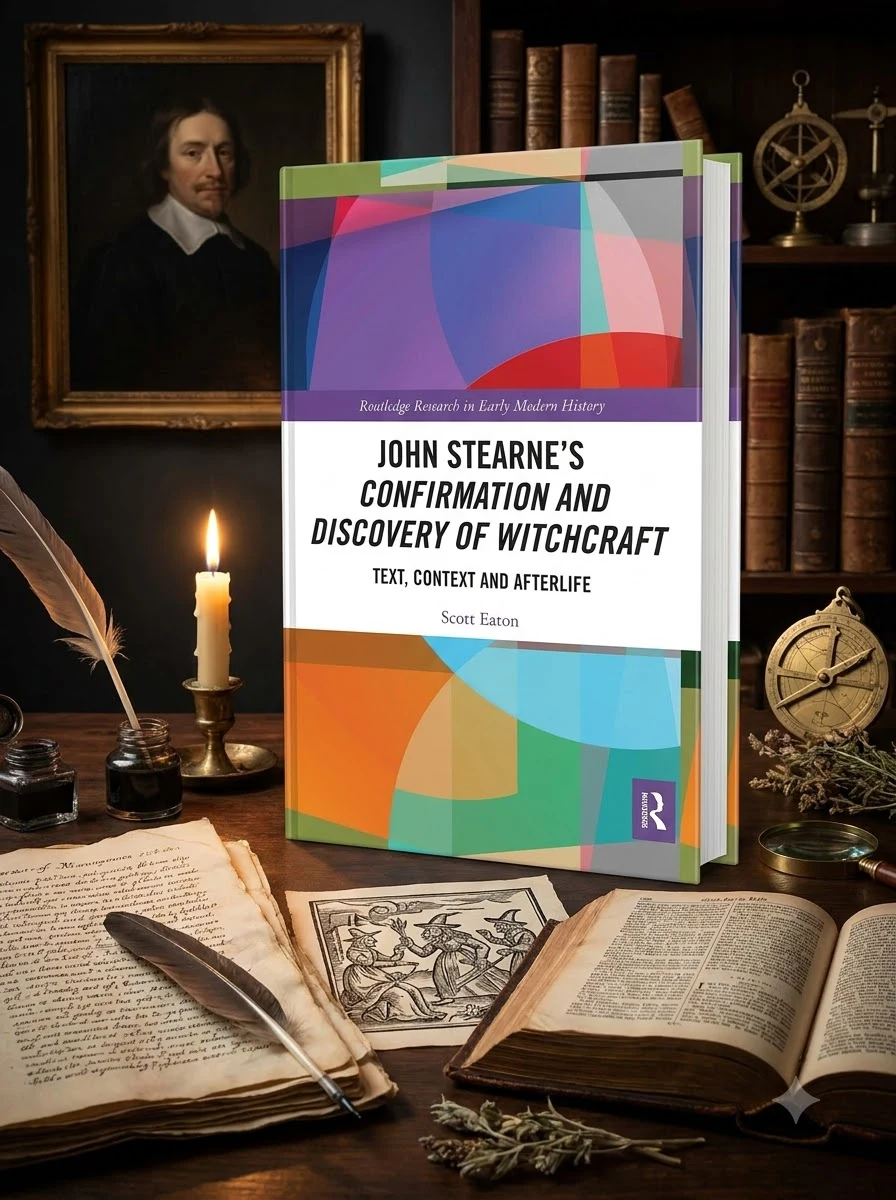
 91
91
 90
90
 90
90