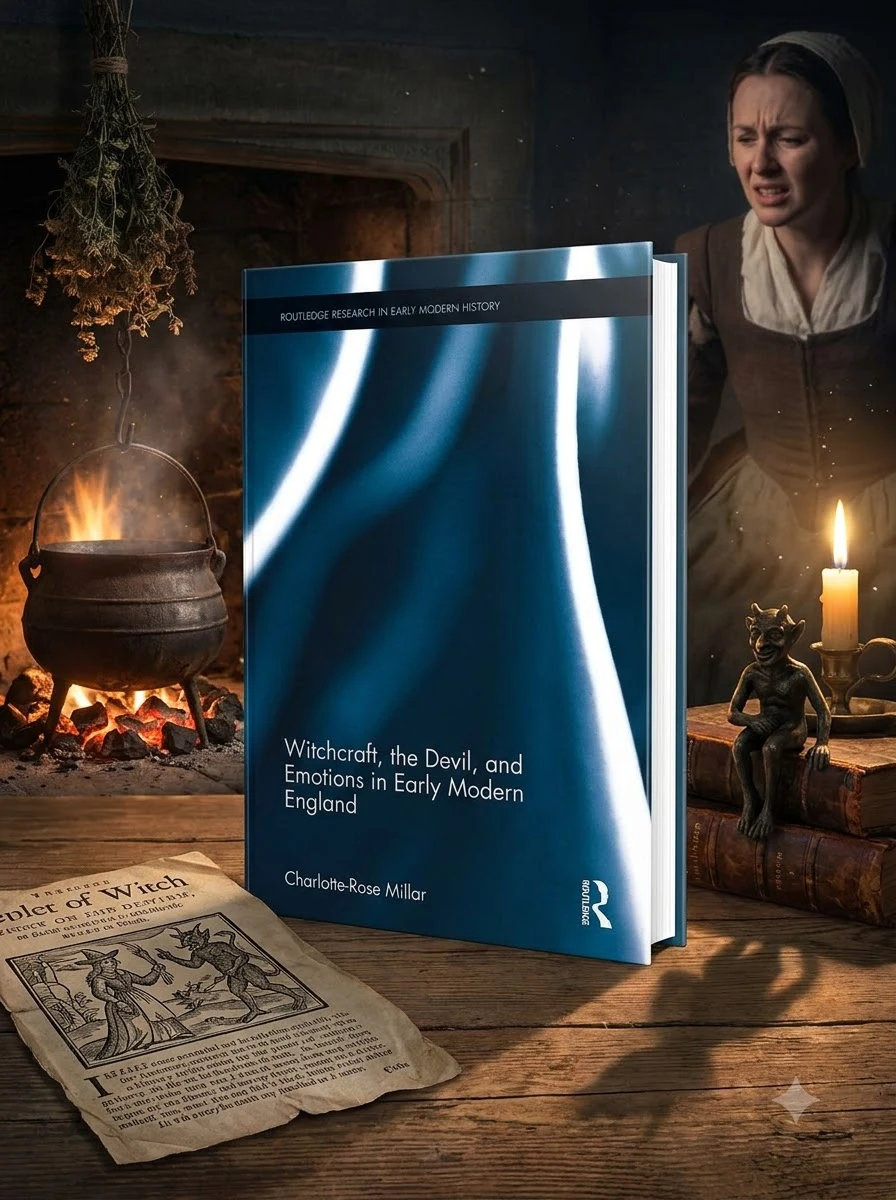
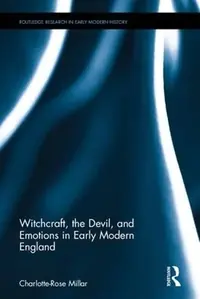
Witchcraft, the Devil, and Emotions in Early Modern England Millar, Charlotte-Rose
Millar, Charlotte-Rose 83
83
 Editorial score
How we rate
Editorial score
How we rate
Stock reported in the catalog; fulfillment is confirmed with your request.
Uncover the Devil's hidden hand in England's early modern witch trials.
Charlotte-Rose Millar’s meticulous study re-examines English witchcraft from 1563-1735, challenging the long-held notion that diabolical influence was secondary. Through a deep dive into pamphlets, she reveals the Devil, often manifesting as a familiar spirit, was central to belief systems. More profoundly, Millar illustrates how a complex tapestry of human emotions—fear, anger, resentment—fueled both accusations and the perceived motivations for witchcraft acts, linking these feelings directly to the infernal pact. This work fundamentally reshapes our understanding of the period's occult anxieties.
This scholarly work situates itself within the historiography of early modern England, specifically addressing the period's intense occult anxieties and the evolving theological understanding of witchcraft between 1563 and 1735.


📝 Description: Witchcraft, the Devil, and Emotions in Early Modern England Millar, Charlotte-Rose
💎 Expert review
📖 Why choose it
Why this book is worth reading
Scholars and students of religious history will find this text indispensable for its rigorous re-evaluation of diabolical influence in English witch trials. Millar’s meticulous analysis of pamphlets offers a fresh perspective on how human emotions like fear, anger, and resentment were inextricably linked to the concept of infernal pacts. It is essential reading for those seeking to move beyond simplified narratives of persecution and instead understand the complex psychological and spiritual tapestry that defined early modern occult beliefs. By centering the Devil and familiar spirits as primary drivers rather than secondary elements, this book provides a profound lens through which to view the era's societal fears and judicial logic.
⭐ Reader reviews
Reader rating
Millar delivers a dense, academically rigorous examination that demands patience and prior knowledge of early modern legal structures. While her argument regarding the centrality of the Devil is compellingly supported by pamphlet evidence, the text is undeniably heavy for casual readers seeking narrative drama or accessible storytelling. It will not suit those looking for light reading on witchcraft folklore or those who prefer broad cultural surveys over specific archival deep dives. However, for specialists in history of religion and gender studies, it offers a vital correction to established historiography regarding the role of emotion and demonic agency in judicial outcomes.
❓ Frequently asked questions
📖 Who should read this
For those fascinated by the dark corners of history, scholars of early modern England, or anyone seeking a profound reinterpretation of witchcraft beliefs. This book will captivate readers eager to explore the emotional and diabolical undercurrents of a turbulent era.
🎯 Key themes and symbolism
Diabolical Prominence
Millar compellingly argues against the traditional view that the Devil played a minor role in English witchcraft. Instead, she demonstrates his pervasive presence, frequently through familiar spirits, as a pivotal element in the period's beliefs and the perceived power source for witches, directly influencing their nefarious acts.
Emotional Drivers
This book explores how the full spectrum of human emotions—from the accusers' fear and outrage to the witches' alleged envy and malice—was intrinsic to the narratives of witchcraft. It reveals emotions not just as reactions, but as primary catalysts shaping both the acts themselves and the ensuing prosecutions, often intertwined with diabolical pacts.
Revisiting English Witchcraft
The author meticulously re-evaluates historical perspectives, asserting that English witchcraft was far more diabolical than previously acknowledged. By focusing on the entire period of state-sanctioned prosecutions, the book offers a fresh, nuanced understanding that highlights the infernal dimension often overlooked in earlier scholarship.
💬 Quotes from the book
“The familiar, often dismissed as a mere pet, was in fact the Devil's most intimate conduit, binding the witch irrevocably to infernal power and sealing their damnation.”
“Behind every accusation, every confession, lay a torrent of human feeling – fear, envy, vengeance – revealing emotions not just as symptoms, but as the very engine of diabolical pacts.”
📜 Historical context
📚 Glossary
- Malefic witchcraft
- Familiar spirit
- Historiography
📔 Questions to reflect on
- How might our modern understanding of emotion influence our interpretation of historical witchcraft accusations?
- If the Devil's role was more prominent, what does this imply about the spiritual and social landscape of early modern England?
- Consider how fear, belief, and social anxiety interact to shape public perceptions of the 'other' in any historical period, drawing parallels to Millar's findings.
📖 From the series “Routledge Research in Early Modern History”
All books in the series →
✍️ More books by this author Millar, Charlotte-Rose
All books by this author →🏛 Books from this publisher Routledge
All books from this publisher →


 89
89

You might also like
See more →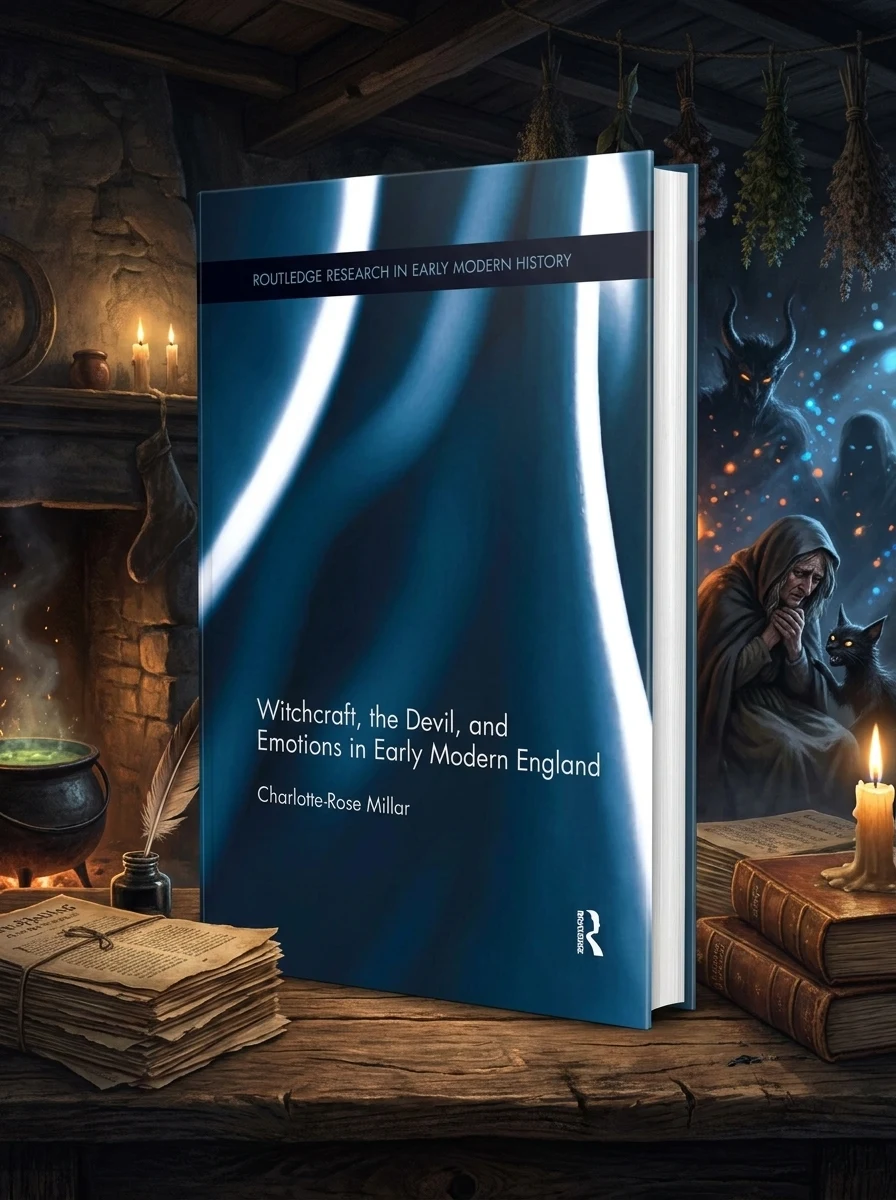
 91
91
 90
90
 90
90
 90
90