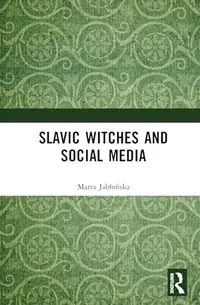
Slavic Witches and Social Media
Jablońska, Marta R 79
79
 Editorial score
How we rate
Editorial score
How we rate
Stock reported in the catalog; fulfillment is confirmed with your request.
Unveiling how ancient Slavic magic thrives in the digital age.
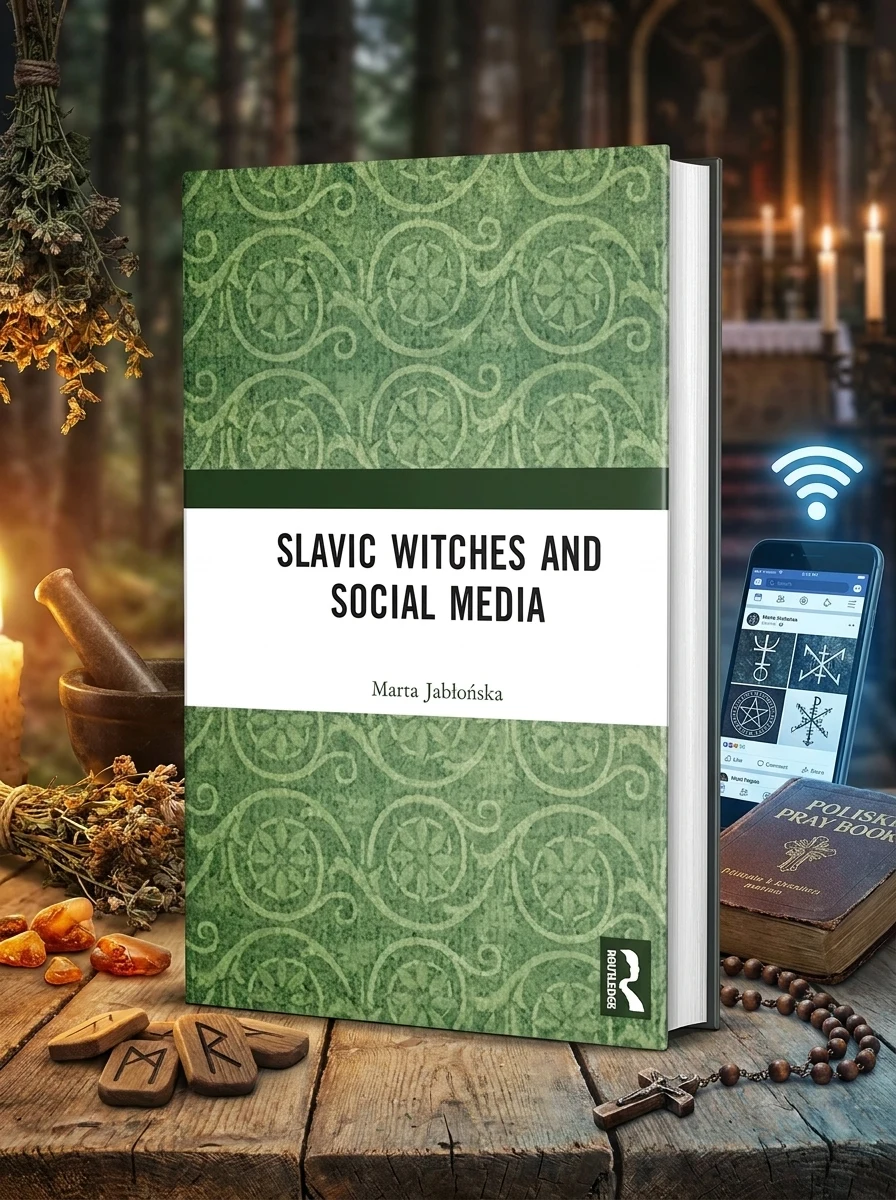
Marta R. Jablońska's insightful study explores the fascinating intersection of modern Slavic witchcraft and digital platforms. It illuminates how practitioners in Poland, encompassing Wicca, native beliefs, and eclectic paths, navigate their spiritual journeys online. The book offers a compelling comparative analysis, juxtaposing neopagan digital engagement with that of Polish Catholicism. Through vivid ethnographic detail, it provides a rich, contemporary portrait of evolving spiritual practices and their expressions within the interconnected world of social media.
This work situates itself within contemporary ethnographic studies of religion, specifically examining the intersection of Slavic neopaganism and digital culture in modern Poland.


📝 Description: Slavic Witches and Social Media
💎 Expert review
📖 Why choose it
Why this book is worth reading
Readers interested in the evolution of spiritual practices in the digital age will find this book invaluable. It offers a unique perspective on how ancient Slavic magic adapts to modern platforms, providing essential insight for scholars and practitioners alike. Those studying the tension between traditional Catholicism and emerging neopagan paths in Poland will appreciate the comparative depth. The vivid ethnographic details make complex sociological concepts accessible, revealing how online communities sustain and transform spiritual identity. It is particularly useful for anyone seeking to understand the nuanced ways technology influences contemporary witchcraft and religious expression in Eastern Europe.
⭐ Reader reviews
Reader rating
Jablońska delivers a rigorous academic analysis that may overwhelm casual readers seeking practical magical instruction or simple folklore. This text is not suitable for those looking for spellbooks or decorative imagery; it is a dense sociological study requiring patience and intellectual engagement. Readers expecting a straightforward guide to Wicca will be disappointed by the heavy focus on ethnographic methodology and comparative religious theory. However, for academics and serious students of digital religion, the work is a significant contribution, offering sharp insights into how Polish spiritual identities are negotiated online amidst competing religious frameworks.
❓ Frequently asked questions
📖 Who should read this
If you're drawn to the evolving landscape of digital spirituality, fascinated by Slavic folk magic, or studying the sociology of modern religion, this academic yet accessible work offers profound insights into contemporary magical practice and its online expressions.
🎯 Key themes and symbolism
Digital Sacred Spaces
This book thoroughly examines how social media platforms serve as vital conduits for spiritual expression, community building, and the transmission of esoteric knowledge among modern Slavic witches. It analyzes the ways online interactions shape religious identity and practice in the 21st century.
Slavic Neopagan Renaissance
Delve into the diverse tapestry of contemporary Polish witchcraft. The work explores various paths, from established Wiccan traditions to the vibrant resurgence of indigenous Slavic pantheons, demonology, and profound nature reverence, alongside highly individualistic spiritual journeys.
Faith in Flux
Jablońska offers a compelling comparison, investigating how both neopagan spiritualities and traditional Catholicism in Poland adapt to and incorporate social media into their respective spiritual journeys, highlighting the dynamic interplay between tradition and technological integration.
💬 Quotes from the book
“The virtual coven transcends geographical limitations, fostering a vibrant, interconnected web of practitioners who redefine the very notion of community in contemporary magical practice.”
“Far from being a monolithic entity, contemporary Slavic witchcraft embodies a dynamic spectrum, from the structured rites of Wicca to the deeply personal reverence for ancestral spirits and forgotten deities.”
📜 Historical context
📚 Glossary
- Neopaganism
- Digital Religion
- Slavic Witchcraft
📔 Questions to reflect on
- How do you perceive digital spaces influencing your own spiritual or philosophical journey, if at all?
- Consider how ancient traditions might be preserved, transformed, or even commercialized through modern technologies. What are the potential benefits and drawbacks?
- Reflect on the interplay between established religious institutions and emerging spiritual movements within a culturally diverse and technologically advanced society.
✍️ More books by this author Jablońska, Marta R
All books by this author →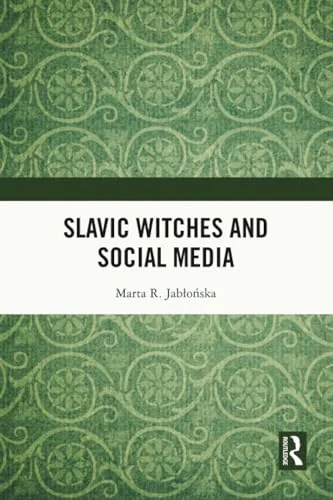
🏛 Books from this publisher Routledge
All books from this publisher →

 89
89

You might also like
See more →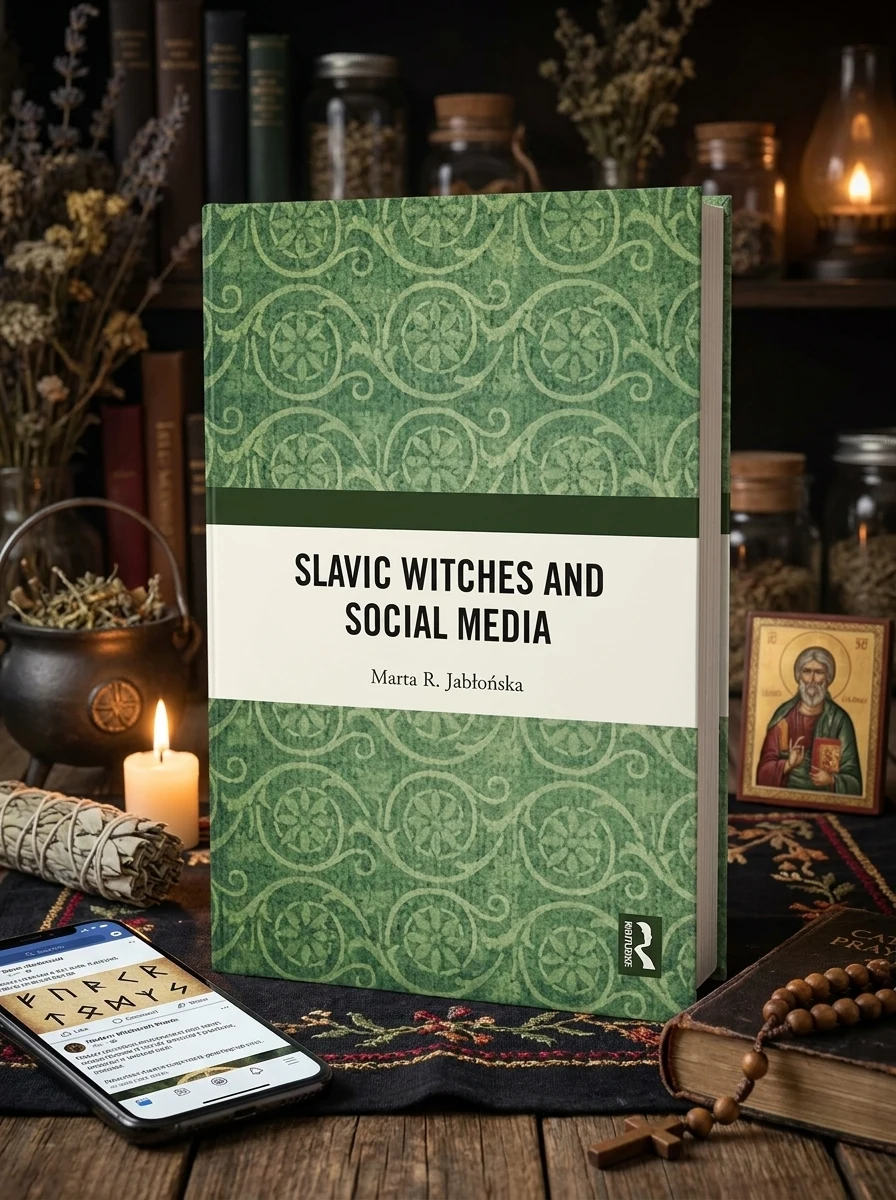 81
81
 91
91
 90
90
 90
90
 90
90