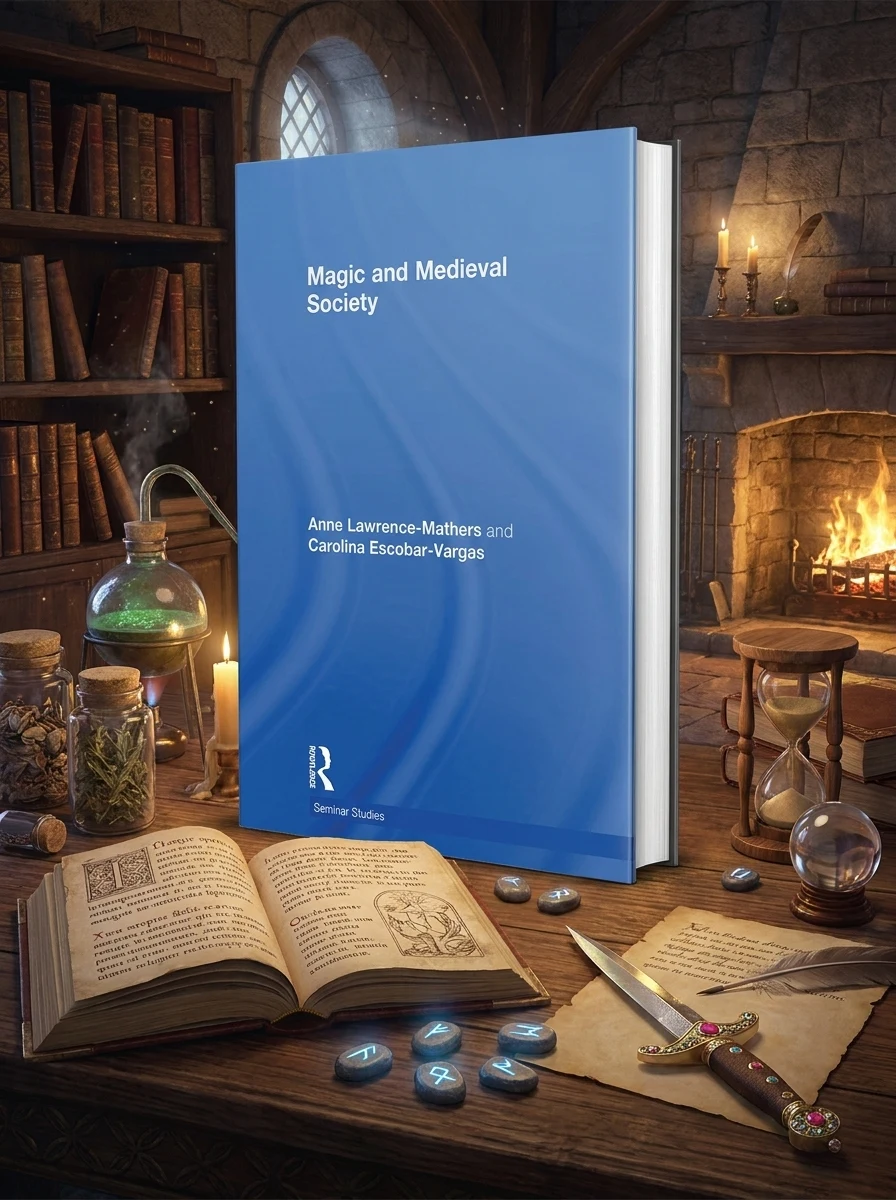
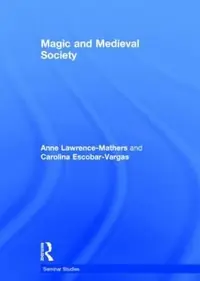
Magic and Medieval Society Lawrence-Mathers, Anne
Lawrence-Mathers, Anne; , Escobar-Vargas, Carolina 87
87
 Editorial score
How we rate
Editorial score
How we rate
Stock reported in the catalog; fulfillment is confirmed with your request.
Uncover the hidden threads of magic woven through the very fabric of medieval life.
This comprehensive study delves into the pervasive presence of magic and sorcery across Western Europe from the 11th to the 15th centuries. Rejecting simplistic views, the authors demonstrate how magical practices were deeply integrated into all aspects of medieval culture, from royal courts and intellectual centers to the Church itself. Readers will gain invaluable insights and analytical tools to understand the true nature and significance of magic, supported by rich documentary evidence, allowing for personal, informed conclusions. It's an essential resource for discerning the complex role of the arcane.
This work situates itself within the historiography of medieval European society, specifically examining the intersection of esoteric practices and institutional power during the High to Late Middle Ages. It challenges traditional dichotomies between orthodoxy and heresy by exploring how magic functioned as a pervasive cultural thread.


📝 Description: Magic and Medieval Society Lawrence-Mathers, Anne
💎 Expert review
📖 Why choose it
Why this book is worth reading
Scholars, students of history, and serious practitioners of esoteric traditions will find immense value in this rigorous examination. By moving beyond simplistic narratives of superstition, the book offers a nuanced view of how magical thinking permeated royal courts, intellectual centers, and ecclesiastical structures. Readers seeking to understand the complex social fabric of medieval Western Europe will appreciate the rich documentary evidence provided. It empowers you to form your own informed conclusions about the true nature of the arcane in daily life. If you desire an analytical toolset rather than a sensationalist account, this text provides the necessary depth and scholarly weight to discern magic’s actual significance in historical context.
⭐ Reader reviews
Reader rating
This is a dense, academic study that prioritizes rigorous analysis over accessibility. While it successfully dismantles simplistic views of medieval magic, its scholarly tone may alienate casual readers or those seeking practical ritual instructions. It is not suited for individuals looking for entertaining folklore or quick summaries. The text demands patience and a willingness to engage with complex historical documentation. However, for those committed to understanding the institutional integration of sorcery, it is an indispensable resource that reveals the subtle, pervasive influence of the arcane on medieval society without resorting to myth-making.
❓ Frequently asked questions
📖 Who should read this
If you're seeking a sophisticated understanding of medieval magical practices beyond popular misconceptions, this book is for you. It offers a rigorous, evidence-based exploration, perfect for students, scholars, and curious minds eager to uncover the true historical context of magic in the Middle Ages.
🎯 Key themes and symbolism
Magic's Cultural Integration
This book challenges the notion of magic as a fringe activity, instead revealing its deep entanglement with mainstream medieval life. It explores how magical beliefs and practices permeated social structures, intellectual pursuits, and even religious institutions, demonstrating its integral role rather than its isolation.
Medieval vs. Witch Hunts
A crucial distinction drawn by the authors is the separation of medieval magic from the later witch hunts. This work meticulously illustrates that the widespread persecutions often associated with witches were, in fact, a later development, primarily emerging during the Renaissance and Reformation, not the medieval period itself.
Evidence-Based Exploration
The text empowers readers by presenting a wealth of primary source materials, including documents, visual aids, and diagrams. This direct engagement with historical evidence allows for a deeper, more personal understanding of the period's magical traditions, fostering independent analysis rather than passive reception of information.
💬 Quotes from the book
“Magic in the medieval imagination was not an isolated, illicit practice, but rather a spectrum of beliefs and rituals deeply embedded within the social, political, and even theological landscape of the era.”
“To truly understand medieval magical thought, one must shed the anachronistic lens of later witch-hunts and instead engage with the primary sources that reveal its nuanced, context-specific manifestations.”
📜 Historical context
📚 Glossary
- Sorcery
- Thematic Approach
- Witch Craze
📔 Questions to reflect on
- How does understanding magic as 'integrated' rather than 'isolated' change your perception of medieval society as a whole?
- Considering the authors' argument, what historical factors do you believe truly set the stage for the later witch trials, if not medieval magic itself?
- Reflect on how the availability of primary documents in this book might alter your approach to historical research on esoteric topics.
📖 From the series “Seminar Studies”
All books in the series →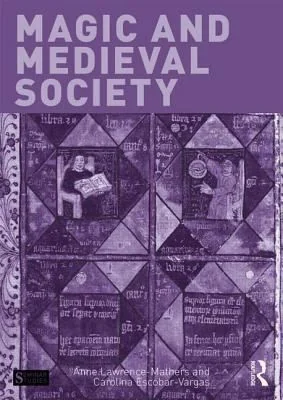
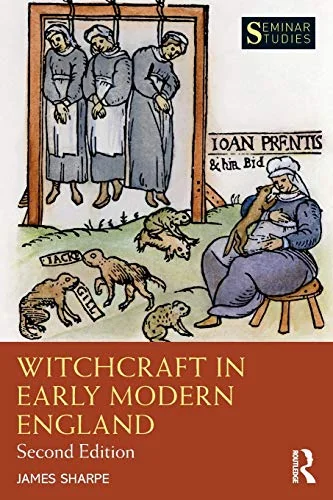
✍️ More books by this author Lawrence-Mathers, Anne; , Escobar-Vargas, Carolina
All books by this author →🏛 Books from this publisher Routledge
All books from this publisher →
 89
89

You might also like
See more →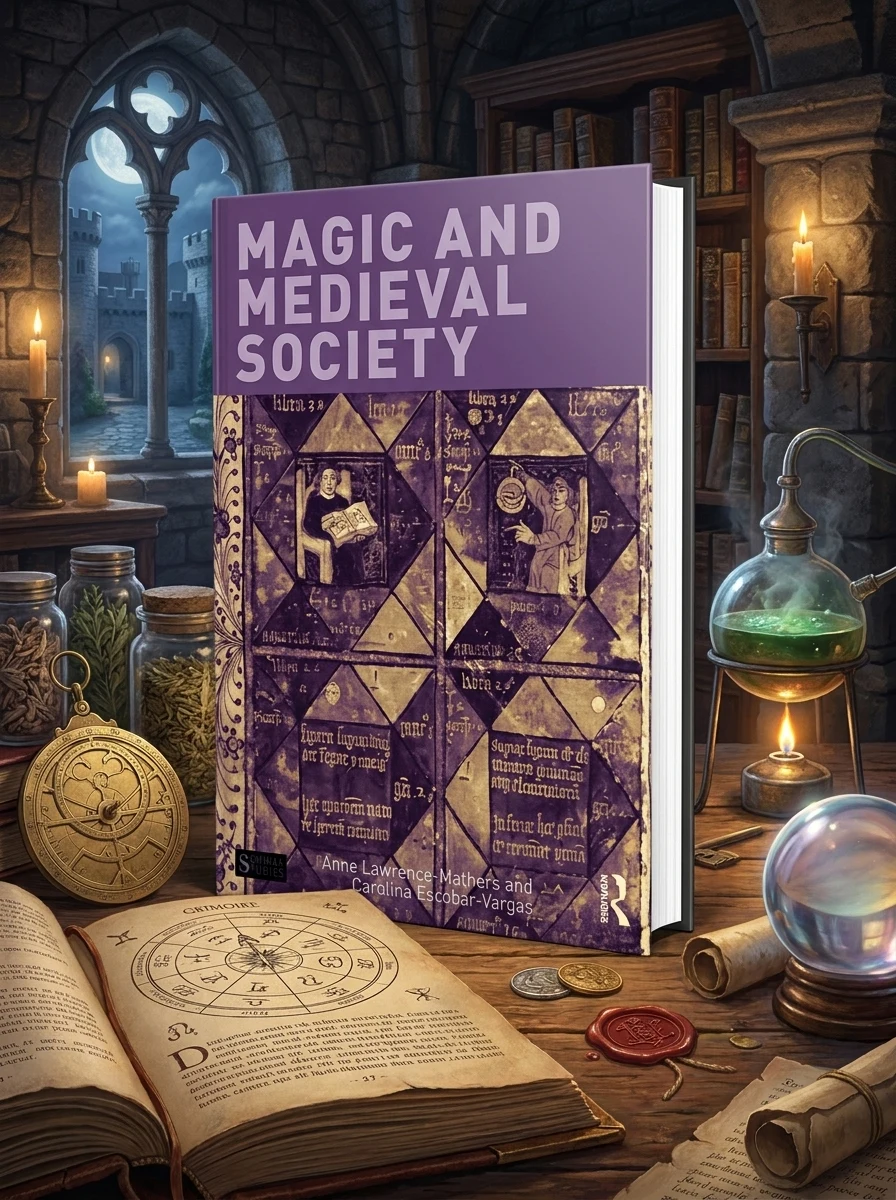
 91
91
 91
91
 88
88