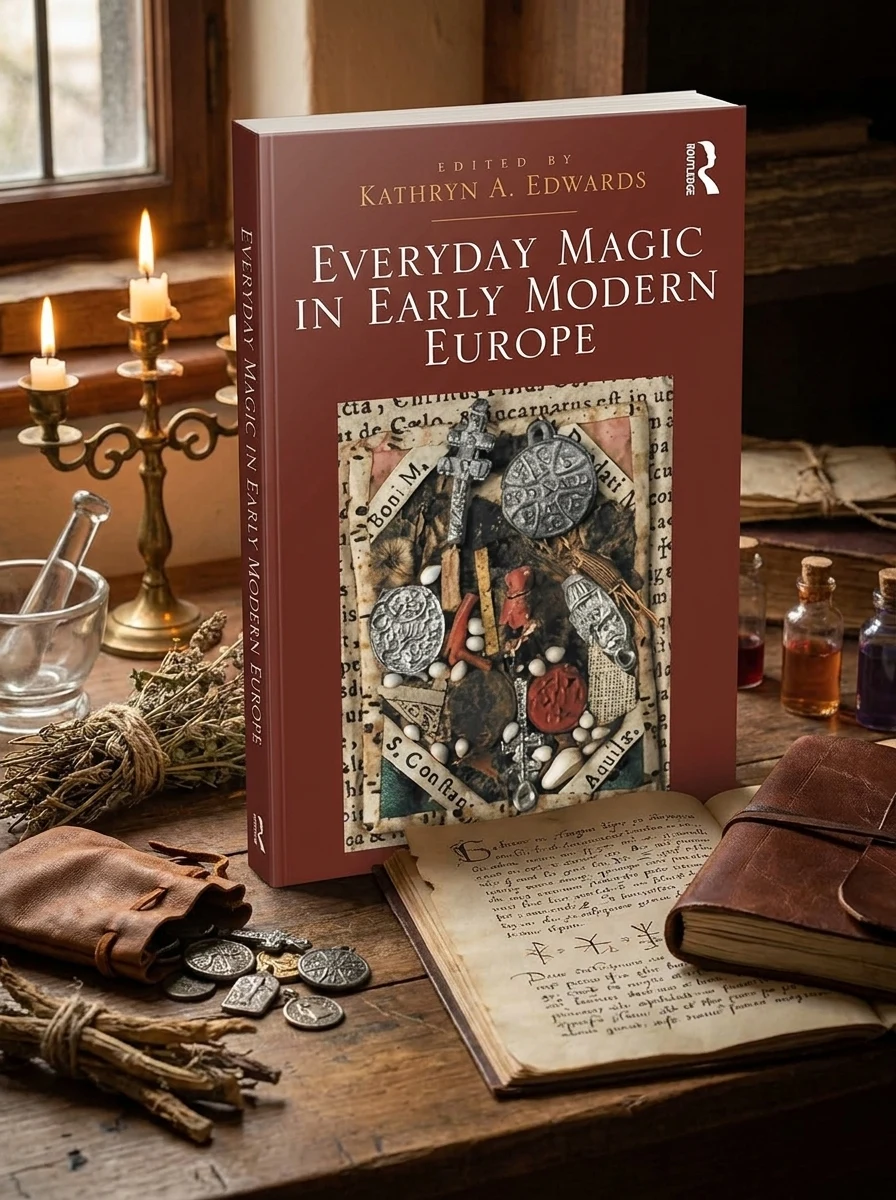
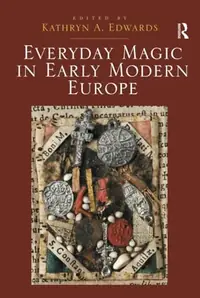
Everyday Magic in Early Modern Europe (Revised)
 82
82
 Editorial score
How we rate
Editorial score
How we rate
Stock reported in the catalog; fulfillment is confirmed with your request.
Uncover the surprising normalcy of magic in a world often deemed merely 'enchanted.'
This compelling collection challenges conventional views of early modern Europe, moving beyond simplistic notions of an 'enchanted' past. Instead of solely focusing on witchcraft trials or demonology, it presents a nuanced exploration of how the preternatural and magical were integrated into daily life. Through insightful case studies, the authors reveal that many seemingly extraordinary phenomena, from guardian angel visits to spirit-assisted treasure hunts, were often accepted as legitimate, albeit unusual, occurrences. It reframes our understanding of magic as both commonplace and mysterious during this transformative era.
This work situates itself within the historiography of early modern Europe, challenging the traditional binary of 'enchanted' versus 'disenchanted' worlds through a lens of everyday esoteric practice.


📝 Description: Everyday Magic in Early Modern Europe (Revised)
💎 Expert review
📖 Why choose it
Why this book is worth reading
This book is essential for readers weary of sensationalized witchcraft narratives who seek a grounded, humanistic understanding of the past. It appeals to those interested in how ordinary people navigated a world where the mundane and the mysterious coexisted seamlessly. By shifting focus from demonology to daily life, it offers a refreshing perspective on guardian angels and spirit-assisted endeavors. If you appreciate nuanced historical analysis that normalizes the preternatural without dismissing its impact, this collection provides vital context for understanding how magic was not an aberration but a integrated part of early modern existence.
⭐ Reader reviews
Reader rating
Edwards’ revised collection successfully dismantles the myth of a purely rational or solely terrified past, replacing it with a complex tapestry of accepted extraordinary events. The case studies regarding treasure hunts and angelic visits are particularly illuminating for scholars of religious history. However, readers seeking actionable ceremonial rituals or dense theological debates will find little utility here. It is strictly an academic exploration of social attitudes rather than a practical guide. Those expecting a narrative of pure horror or clear-cut demonological manuals may feel disconnected from the mundane normalcy described.
❓ Frequently asked questions
📖 Who should read this
If you're fascinated by the hidden histories of belief, eager to deconstruct historical myths, or curious about the overlooked spiritual dimensions of early modern life, this book offers a refreshing and scholarly perspective that will broaden your understanding of a complex era.
🎯 Key themes and symbolism
Beyond Witchcraft Hysteria
The book skillfully broadens the scope of 'magic studies' beyond the well-trodden paths of witch trials and demonic pacts. It argues that limiting our understanding to these sensational aspects overlooks a vast tapestry of accepted magical practices and beliefs that permeated the lives of ordinary people, offering a more complete picture of the era's spiritual landscape.
The Mundane Supernatural
This collection illuminates how seemingly extraordinary occurrences were often considered legitimate, if uncommon, facets of daily existence. Whether it was the search for buried treasure aided by spirits, the efficacy of magical remedies, or the perceived interventions of divine entities, the book demonstrates an integrated worldview where the supernatural was not always an anomaly.
Re-evaluating Historical Perceptions
By presenting early modern Europeans as more comfortable and accepting of the preternatural than often depicted, the book encourages a critical re-examination of modern historical interpretations. It suggests that our contemporary lenses might obscure the true extent to which magic was interwoven with social, religious, and scientific thought of the period.
💬 Quotes from the book
“The boundary between the ordinary and the extraordinary was far more permeable in early modern Europe than modern scholarship often allows, suggesting a comfort with the unseen that we have largely lost.”
“By narrowly defining 'magic' through the lens of prosecution and fear, previous studies have inadvertently obscured the pervasive, sometimes benign, role it played in the societal fabric.”
📜 Historical context
📚 Glossary
- Early Modern Europe
- Preternatural
- Demonology
📔 Questions to reflect on
- How might our own modern definitions of 'magic' and 'superstition' prevent us from fully understanding historical worldviews?
- Consider a 'supernatural' belief or practice from your own culture or upbringing. How is it integrated into everyday life, and how might it be misinterpreted by an outsider?
- If the 'extraordinary' was often accepted as legitimate, what does this imply about the early modern European understanding of natural law versus divine or spiritual intervention?
🏛 Books from this publisher Routledge
All books from this publisher →

 89
89

You might also like
See more → 91
91
 91
91
 88
88