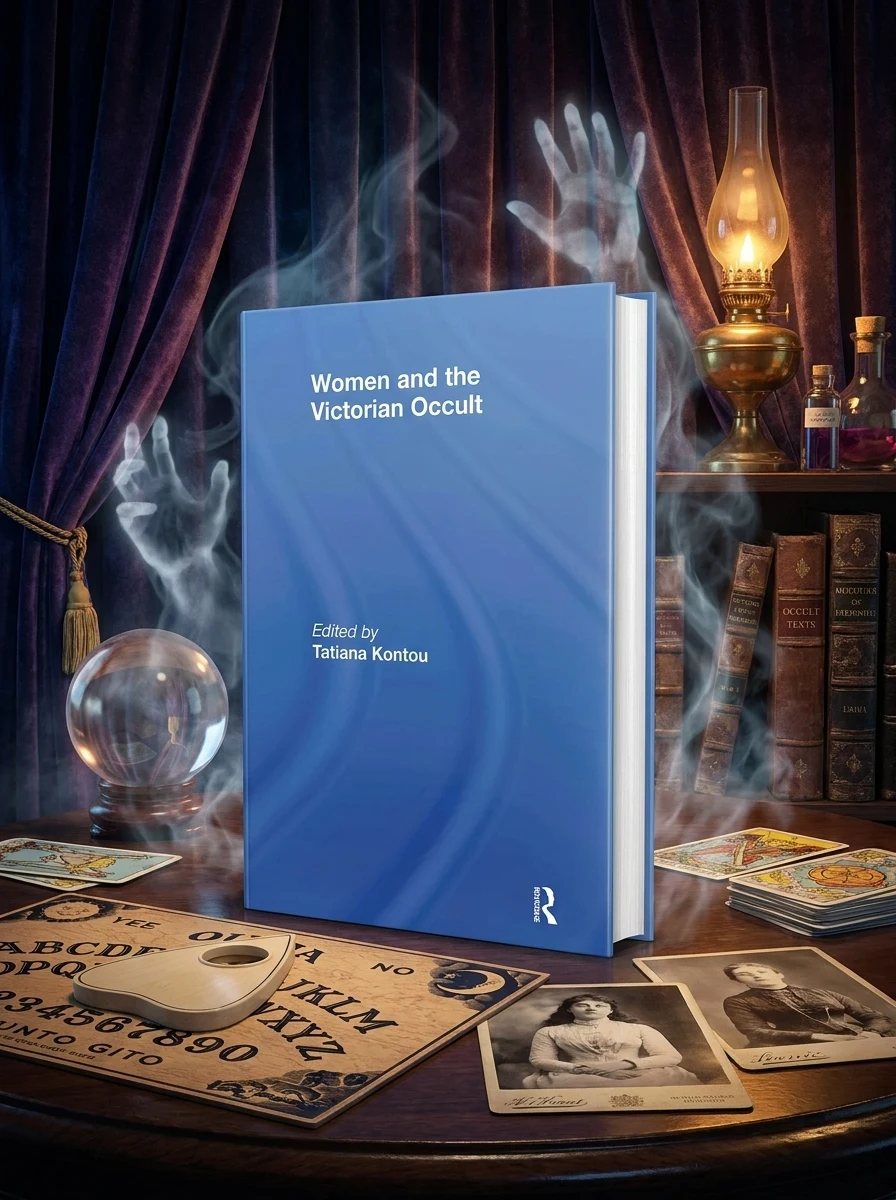
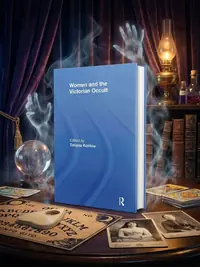
Women and the Victorian Occult
Kontou, Tatiana 87
87
 Editorial score
How we rate
Editorial score
How we rate
Stock reported in the catalog; fulfillment is confirmed with your request.
Victorian women defied societal norms, wielding occult power in an age of spirits and shadows.
This compelling volume illuminates the profound and often overlooked relationship between Victorian-era women and the mystical currents of the 19th century. From the ethereal trance states of spirit mediums to the intellectual pursuits of New Women embracing theosophy and telepathy, this collection explores how women found agency and expression within esoteric traditions. It delves into their roles as writers, editors, and spiritualists, examining how they utilized supernatural themes in literature—like ghost stories and sensation novels—and personal accounts to navigate and subtly challenge the strictures of their society.
This volume explores the intersection of Victorian societal norms and the era's vibrant mystical currents, highlighting how women navigated esoteric traditions. It situates itself within the study of 19th-century spiritualism and the intellectual movements embraced by New Women.


📝 Description: Women and the Victorian Occult
💎 Expert review
📖 Why choose it
Why this book is worth reading
Readers fascinated by the hidden agency of Victorian women will find this book essential. It offers a refreshing perspective on how mediums, writers, and editors used occult practices to challenge strict social structures. Those interested in the history of spiritualism or the role of women in esoteric traditions will appreciate the detailed examination of their literary and personal contributions. The book illuminates how these women wielded power through trance states and telepathy, providing a deeper understanding of their intellectual pursuits. It is ideal for scholars and enthusiasts seeking to uncover the profound relationship between gender and mysticism in the 19th century, revealing how spiritualism became a vehicle for expression and defiance.
⭐ Reader reviews
Reader rating
This compelling volume successfully illuminates the overlooked role of women in Victorian occultism, offering rich insights into spirit mediums and Theosophists. However, readers seeking straightforward supernatural thrillers or purely academic theological treatises may find its focus on social agency and literary analysis less engaging. It is not suited for those who prefer simple historical narratives without critical examination of gender dynamics. While the exploration of ghost stories and sensation novels provides valuable context, the book demands an interest in cultural history and esoteric philosophy. It is best appreciated by those willing to engage with the nuanced ways women utilized mystical currents to navigate and subtly challenge their restrictive society.
❓ Frequently asked questions
📖 Who should read this
For those fascinated by the intersection of gender studies, Victorian history, and the esoteric arts. If you seek to understand how women navigated and influenced the occult revivals of the 19th century, and the subtle power dynamics at play, this collection offers profound insights.
🎯 Key themes and symbolism
Empowered Through Esotericism
This volume reveals how Victorian women, often constrained by societal expectations, found unique avenues for self-expression and influence within the occult. Through spiritualism, automatic writing, and engagement with esoteric philosophies like theosophy, they transcended conventional roles, challenging patriarchal norms and asserting their intellectual and spiritual authority in a world that largely denied them public voice.
Mysticism as Metaphor
The book explores how supernatural narratives and esoteric practices served as potent metaphors for Victorian women to address pressing social issues. By weaving mystical elements into novels, personal accounts, and public discourse, they subtly critiqued gender roles, questioned scientific materialism, and explored themes of identity, freedom, and societal pressures, using the 'invisible world' to shed light on visible injustices.
A Spectrum of Occult Roles
Moving beyond simplistic portrayals, this work showcases the multifaceted involvement of Victorian women across the entire spectrum of occultism. It highlights their contributions as authors crafting ghost stories, editors shaping esoteric publications, active spiritualists, and philosophical adherents of movements like theosophy, demonstrating their integral and varied participation in shaping the era's mystical landscape.
💬 Quotes from the book
“The séance room, often dismissed as mere parlor entertainment, emerged as a vital space where Victorian women could transgress conventional gender roles and explore avenues of agency denied to them in the public sphere.”
“By examining the spectral figures haunting sensation novels and the philosophical underpinnings of Theosophy, we uncover a rich tapestry of female intellectual and spiritual engagement often obscured by historical narratives.”
📜 Historical context
📚 Glossary
- Spiritualism
- Theosophy
- Automatic Writing
📔 Questions to reflect on
- How might the societal restrictions placed on Victorian women have inadvertently fueled their interest in and engagement with the supernatural?
- Consider a contemporary spiritual or esoteric movement. In what ways do women today find agency or expression within it, paralleling or diverging from the Victorian experience?
- If you were a Victorian woman seeking a voice or influence, which aspect of the occult (e.g., spiritualism, automatic writing, theosophy) would you have been most drawn to and why?
✍️ More books by this author Kontou, Tatiana
All books by this author →
🏛 Books from this publisher Routledge
All books from this publisher →
 89
89
You might also like
See more →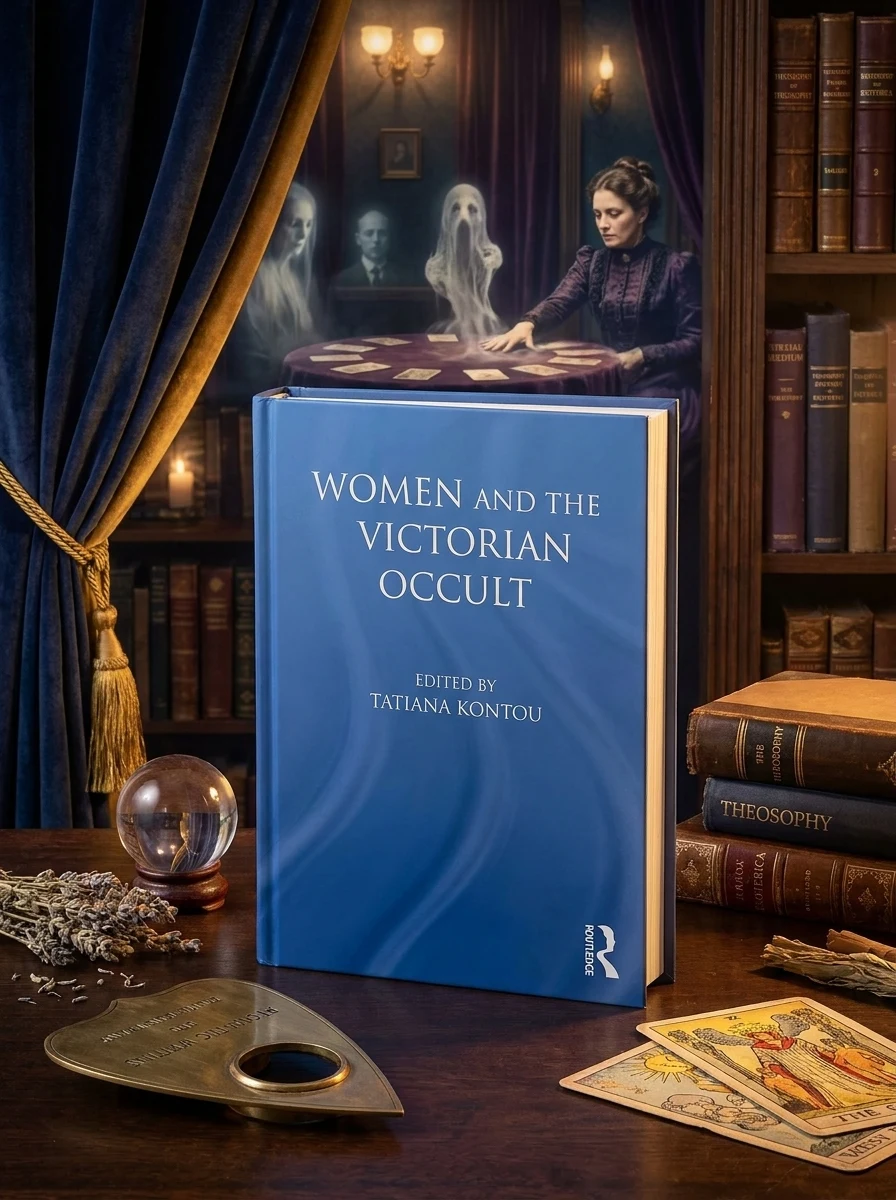 82
82
 91
91
 91
91
 90
90
 90
90