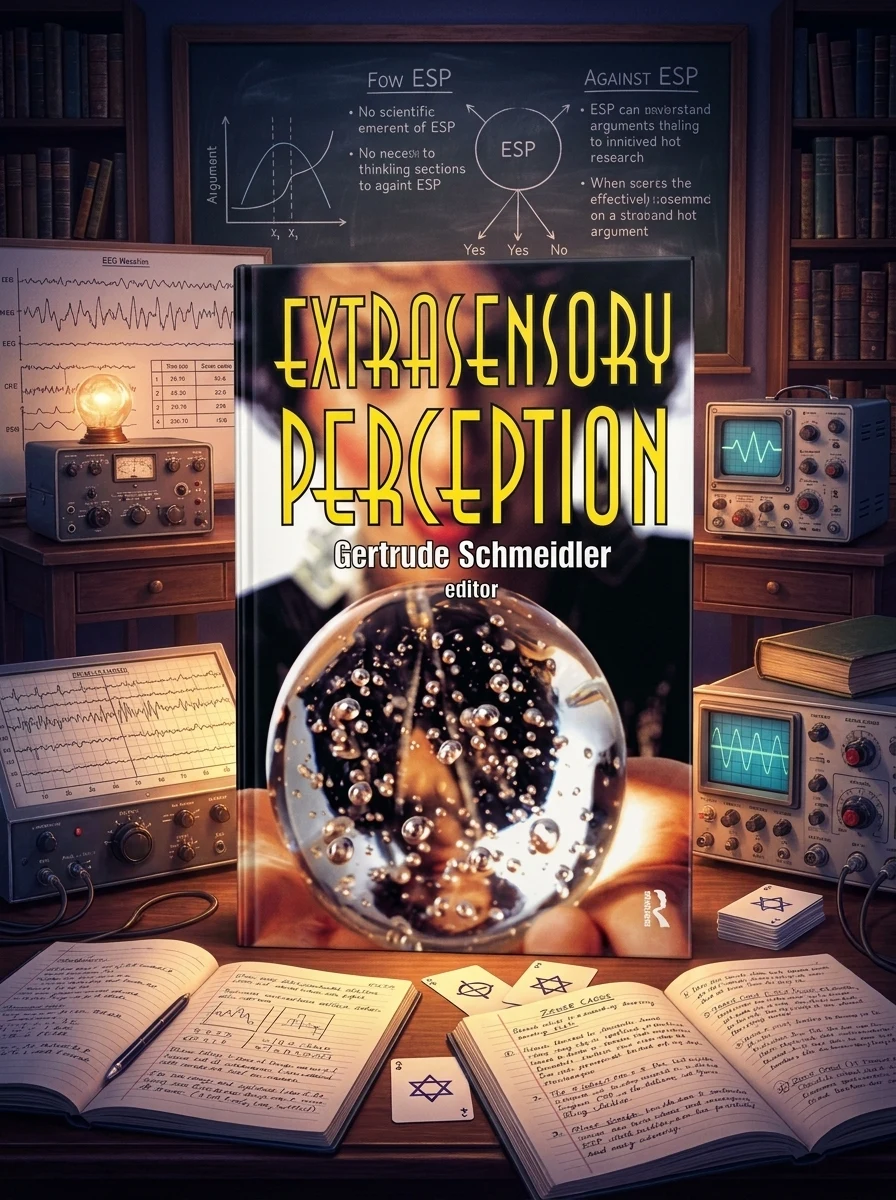
Extrasensory Perception
Schmeidler, Gertrude 85
85
 Editorial score
How we rate
Editorial score
How we rate
Stock reported in the catalog; fulfillment is confirmed with your request.
Uncover the hidden psychological currents that unlock or impede psychic ability.
This compelling collection delves into why extrasensory perception remains elusive for many, despite its purported universality. Schmeidler's edited volume explores the psychological underpinnings dictating success or failure in ESP tests, moving beyond mere anecdote. Through insightful essays, including a direct debate between skeptics and proponents, the book offers a clear panorama of the research landscape. It meticulously examines intricate factors influencing parapsychological studies, providing a nuanced understanding of the ongoing controversy and its deeper implications for psychological inquiry.
This volume sits at the intersection of mid-to-late twentieth-century parapsychological research and academic psychology, reflecting an era where esoteric phenomena were increasingly subjected to rigorous scholarly scrutiny rather than dismissed solely as folklore.


📝 Description: Extrasensory Perception
💎 Expert review
📖 Why choose it
Why this book is worth reading
This book serves as an essential bridge for the intellectually curious reader who seeks to understand extrasensory perception not through mystical dogma, but through the lens of psychological inquiry and empirical debate. It is particularly valuable for those who feel frustrated by the lack of consensus in parapsychology and wish to explore the specific mental factors that either facilitate or obstruct psychic ability. By presenting a balanced panorama of research alongside direct skeptic-proponent debates, it offers a nuanced understanding of why ESP remains elusive despite its purported universality. Readers seeking a clear, non-anecdotal examination of the psychological underpinnings of these phenomena will find this collection both clarifying and deeply engaging.
⭐ Reader reviews
Reader rating
Gertrude Schmeidler’s edited collection provides a sophisticated look at the psychological mechanics behind extrasensory perception, avoiding the trap of mere anecdote for rigorous analysis. While it successfully maps the controversial research landscape and highlights intricate influencing factors, it is not suited for readers seeking straightforward validation of psychic powers or those who prefer mystical over analytical explanations. Skeptics may find the inclusion of proponent arguments tedious, while casual enthusiasts might struggle with the dense academic tone. However, for scholars and serious researchers interested in the psychological currents dictating success or failure in ESP tests, this work offers a compelling, albeit demanding, resource that demands critical engagement.
❓ Frequently asked questions
📖 Who should read this
If you're a serious inquirer into psychic phenomena, seeking a rigorous, academically grounded perspective beyond sensationalism, this collection is for you. It offers invaluable insights for anyone keen to understand nuanced scientific attempts to unravel ESP's mysteries.
🎯 Key themes and symbolism
The ESP Debate
The book offers a unique, front-row seat to the intellectual battleground surrounding parapsychology. By juxtaposing critical attacks with vigorous rebuttals from leading figures, it illuminates the intense scientific skepticism and the rigorous defenses mounted by researchers, showcasing the peculiar tension inherent in this contentious field.
Research Challenges
Schmeidler's collection critically examines the methodological hurdles and inherent biases encountered when attempting to scientifically quantify and replicate extrasensory phenomena. It highlights how the very nature of psychological research often intertwines with the questions raised by ESP critics, pushing the boundaries of scientific inquiry.
💬 Quotes from the book
“The critical factor in experimental success or failure often resides not in the subject's inherent 'gift,' but in the subtle, often unconscious, psychological attitudes and environmental conditions at play.”
“The most illuminating discussions regarding anomalous phenomena arise when rigorous challenge meets thoughtful defense, forcing both sides to refine their methodologies and clarify their conceptual frameworks.”
📜 Historical context
📚 Glossary
- Extrasensory Perception (ESP)
- Clairvoyance
- Precognition
📔 Questions to reflect on
- Reflect on a time you might have experienced something akin to ESP. How did your psychological state or expectations at that moment influence your perception of the event?
- Considering the debates presented, what do you believe are the greatest challenges in proving or disproving psychic phenomena scientifically?
- How might the findings about psychological determinants of ESP success inform broader psychological theories about consciousness or perception?
✍️ More books by this author Schmeidler, Gertrude
All books by this author →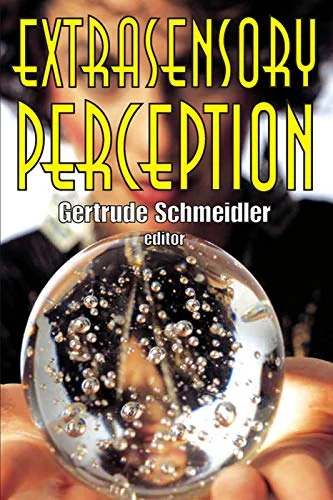
🏛 Books from this publisher Routledge
All books from this publisher →


 89
89


You might also like
See more →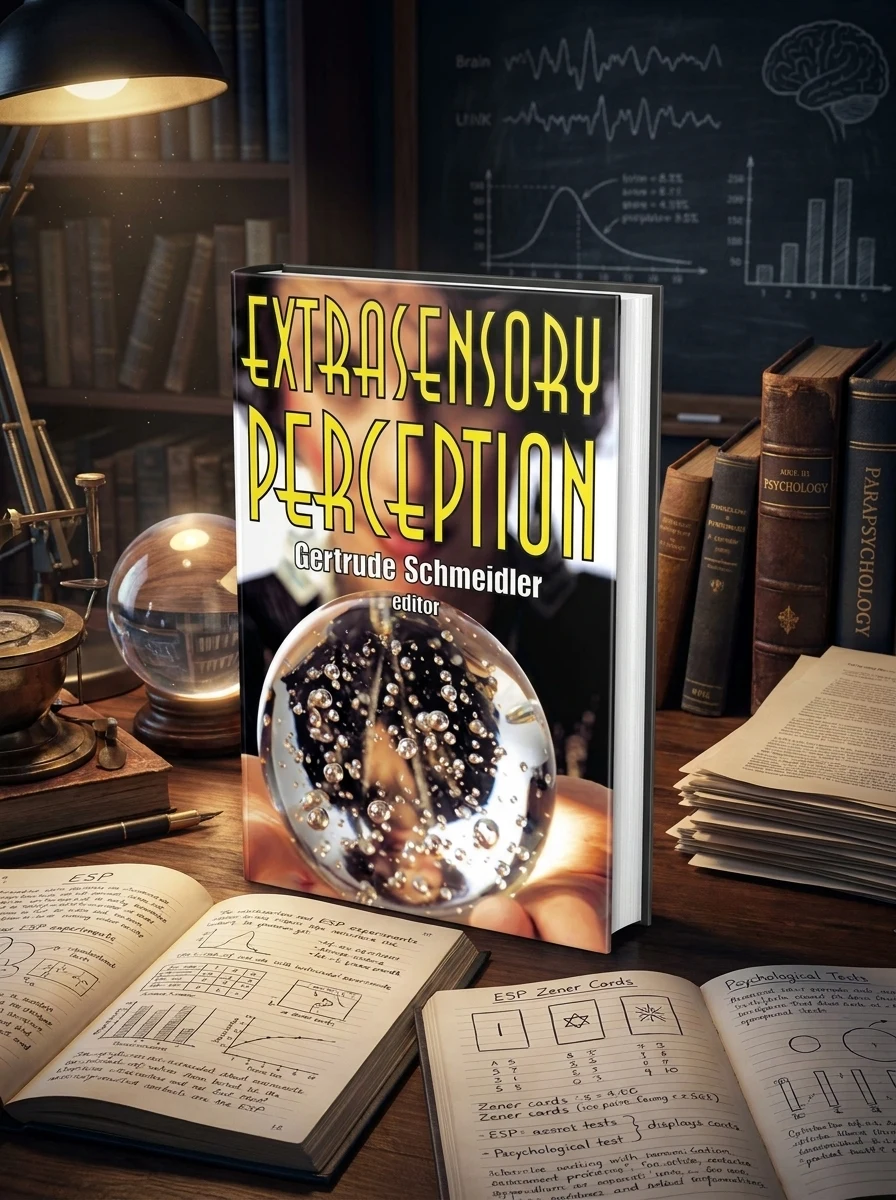
 91
91
 91
91

 90
90
 90
90