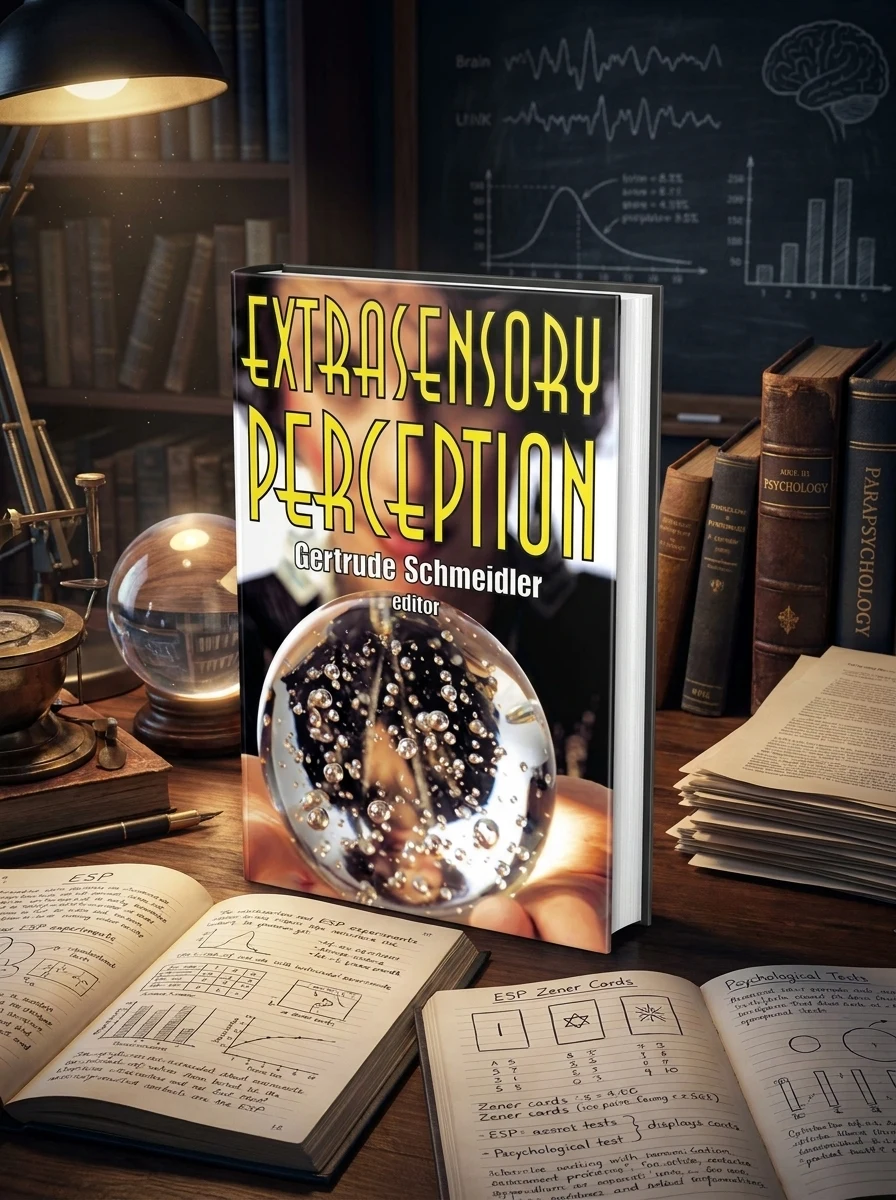
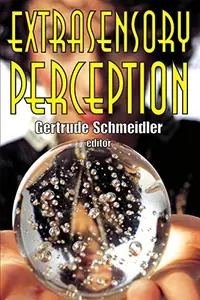
Extrasensory Perception
Schmeidler, GertrudeStock reported in the catalog; fulfillment is confirmed with your request.
Unravel the psychological mysteries behind ESP, discovering why some minds glimpse the unseen.
This compelling collection, edited by Gertrude Schmeidler, delves into the fascinating question of why psychic abilities manifest inconsistently. It explores the psychological underpinnings that influence one's capacity for extrasensory perception, moving beyond simple belief to examine the internal factors at play. Through nine insightful essays, including a direct debate between skeptics and proponents, the book offers a clear overview of contemporary ESP research. It highlights the peculiar controversies surrounding the field, demonstrating how critics' questions often mirror broader challenges within psychology itself.
This work sits at the intersection of mid-to-late twentieth-century parapsychology and academic psychology, reflecting an era where ESP research sought legitimacy through rigorous psychological analysis rather than mere spiritualism. It represents a scholarly attempt to bridge the gap between occult phenomena and mainstream scientific inquiry.


📝 Description: Extrasensory Perception
💎 Expert review
📖 Why choose it
Why this book is worth reading
Readers seeking a substantive, non-sensationalist approach to psychic phenomena will find this volume invaluable. It is ideal for those tired of superficial claims who want to understand the psychological mechanisms that allow some minds to glimpse the unseen while others cannot. By presenting a direct debate between skeptics and proponents, it offers a balanced overview of contemporary ESP research. This book serves anyone interested in the intersection of consciousness studies and psychology, providing clarity on why psychic abilities manifest inconsistently without resorting to blind faith or dismissive cynicism.
⭐ Reader reviews
Reader rating
Schmeidler’s collection is a rigorous examination of the internal factors influencing extrasensory perception, making it a serious contribution to the field. However, it does not suit casual readers looking for thrilling ghost stories or definitive proof of the supernatural. Skeptics who prefer absolute dismissal over nuanced debate may find the proponent essays frustrating, while those seeking practical ESP training will be disappointed by its theoretical focus. It is best for academic-minded enthusiasts who appreciate the complexity of psychological controversies and wish to understand how critics' questions mirror broader challenges within psychology itself.
❓ Frequently asked questions
📖 Who should read this
If you've ever wondered why psychic gifts seem so elusive, or if you seek a rigorous, balanced examination of extrasensory perception, this book is for you. It's essential reading for those interested in the scientific exploration of consciousness and the mind's hidden depths.
🎯 Key themes and symbolism
Mind's Influence on ESP
This volume meticulously examines the internal psychological conditions that either foster or hinder the expression of extrasensory abilities. It investigates how various mental states, beliefs, and even personality traits might modulate an individual's success or failure in psychic tasks, shifting the focus from mere existence to the 'how' and 'why' of its manifestation.
Debating Psychic Phenomena
Central to the book is an exploration of the ongoing academic and scientific dispute surrounding extrasensory perception. Featuring direct exchanges between prominent critics and proponents, it provides an unfiltered look into the tensions and arguments that define the field, offering readers a comprehensive understanding of both sides of the complex debate.
Advances in Parapsychological Research
The essays showcase the methodologies and findings of early parapsychological investigations, offering a snapshot of the scientific efforts to quantify and understand psychic abilities. It illuminates the challenges inherent in studying such elusive phenomena, while also celebrating the persistent drive to uncover empirical evidence of the mind's non-physical capacities.
💬 Quotes from the book
“The persistent dismissal of statistically significant outcomes, when viewed through a critical lens, often reveals an a priori bias rather than a truly objective assessment of the data at hand.”
“An individual's unconscious expectations, emotional state, and even their conscious desire for success appear to modulate the subtle energetic pathways attributed to extrasensory reception.”
📜 Historical context
📚 Glossary
- Extrasensory Perception (ESP)
- Parapsychology
- Clairvoyance
📔 Questions to reflect on
- How might your personal beliefs or skepticism about ESP influence your own potential for psychic experiences?
- Consider the ethical implications of studying and potentially harnessing extrasensory abilities. What safeguards would be necessary?
- In what ways do the debates surrounding ESP mirror broader tensions between established science and novel, unconventional phenomena?
✍️ More books by this author Schmeidler, Gertrude
All books by this author →
🏛 Books from this publisher Routledge
All books from this publisher →


 89
89


You might also like
See more →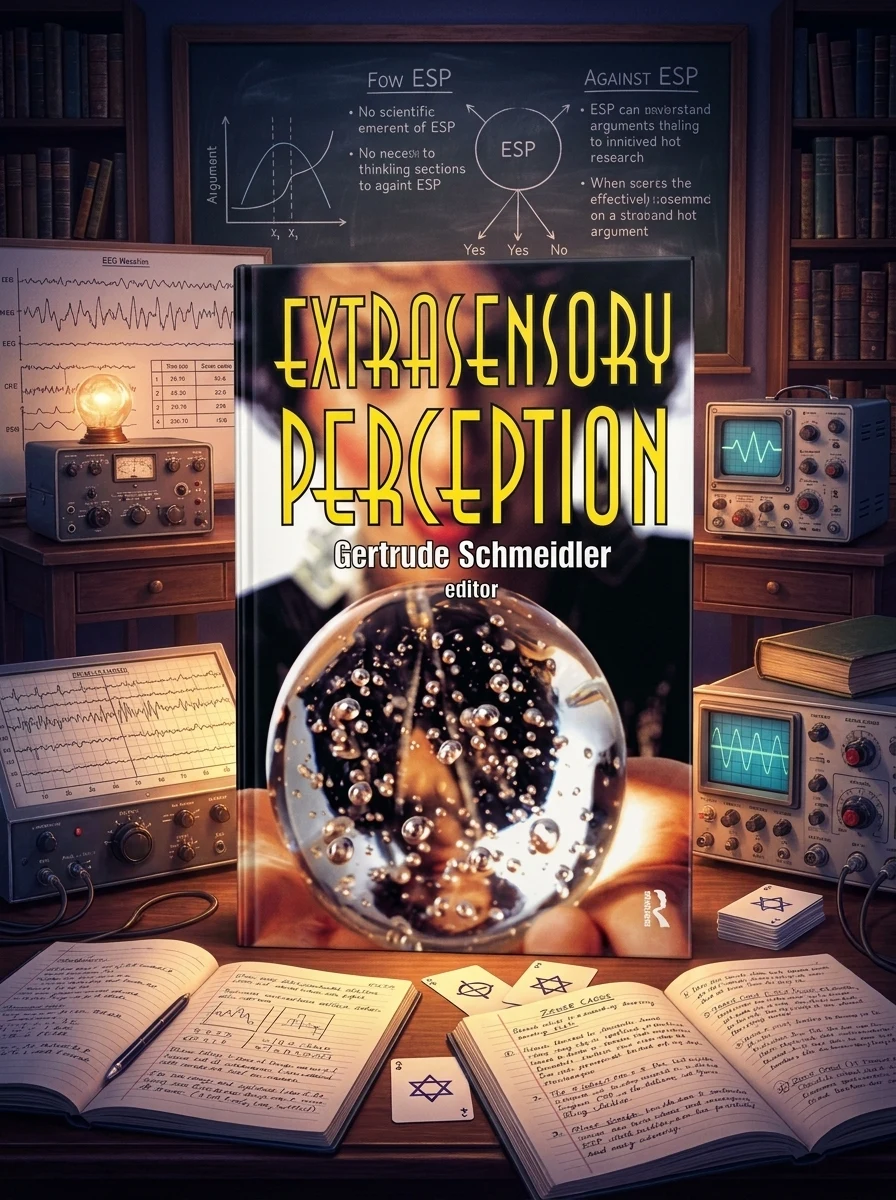

 91
91
 91
91