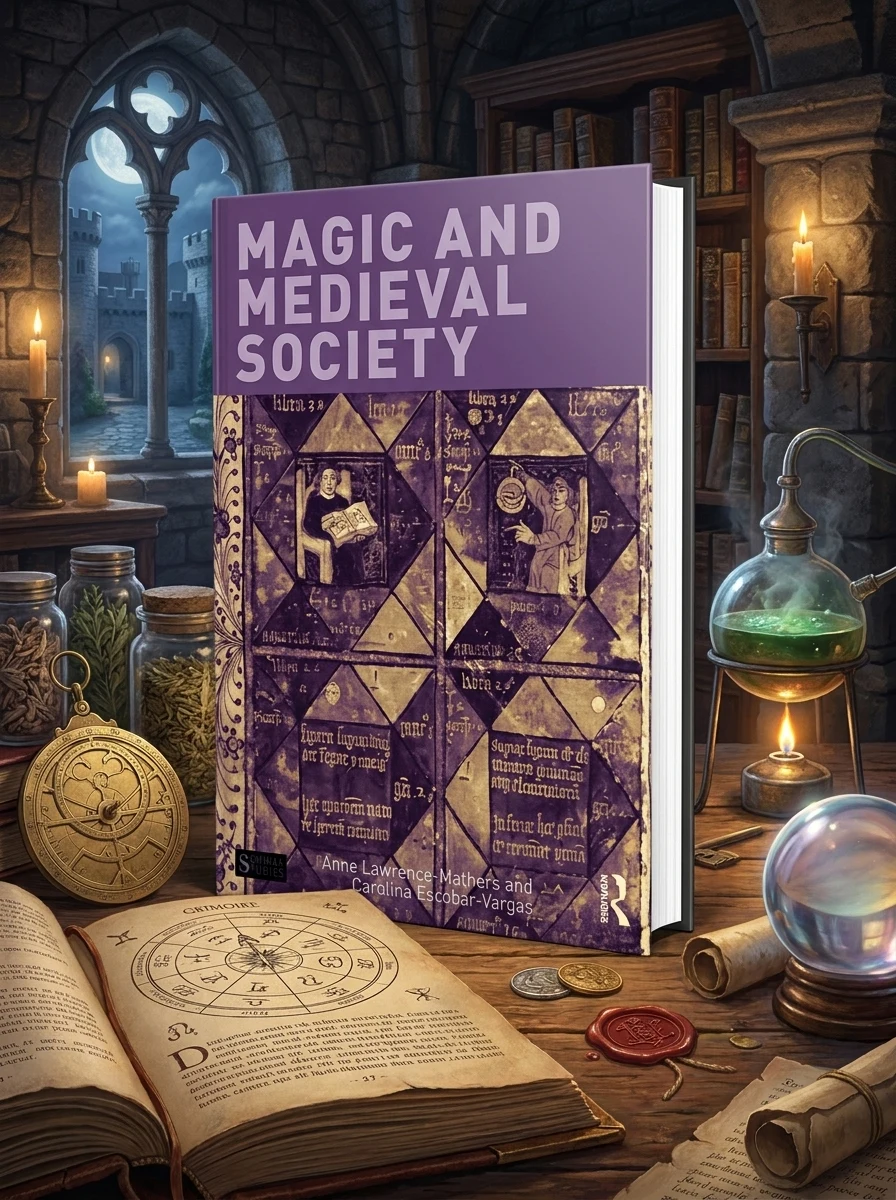
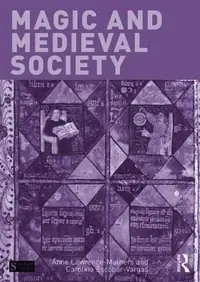
Magic and Medieval Society Lawrence-Mathers, Anne
Lawrence-Mathers, Anne; , Escobar-Vargas, CarolinaStock reported in the catalog; fulfillment is confirmed with your request.
Uncover the true, interwoven magic pulsing through medieval Europe's very fabric.
This compelling study by Lawrence-Mathers and Escobar-Vargas redefines our understanding of magic and sorcery in Western Europe from the 11th to the 15th centuries. Eschewing traditional narratives, the authors present a thematic exploration, demonstrating how magical practices were deeply integrated across all levels of medieval society—from royal courts to academic institutions and even within the Church. It provides readers with essential tools and primary source materials to critically evaluate magic's nature and significance, fundamentally challenging the misconception that the infamous witch craze was a medieval phenomenon.
This work sits firmly within the historiography of medieval European esotericism, challenging traditional dichotomies between religion and sorcery. It contributes to the broader academic discourse on how magical practices were woven into the social fabric of Western Europe from the 11th to the 15th centuries.


📝 Description: Magic and Medieval Society Lawrence-Mathers, Anne
💎 Expert review
📖 Why choose it
Why this book is worth reading
Readers fascinated by the hidden currents of medieval history will find this text indispensable for dismantling the myth that witch hunts were solely a later phenomenon. It is perfect for scholars and serious enthusiasts who crave primary source analysis rather than sensationalist folklore. By revealing how magic permeated royal courts, universities, and the Church itself, the book offers a nuanced view of daily life in Western Europe. You will gain essential tools to critically evaluate magical practices through contemporary lenses, gaining a deeper appreciation for the complexity of medieval society without falling into modern misconceptions.
⭐ Reader reviews
Reader rating
This scholarly volume provides a rigorous, thematic re-evaluation of magic in Western Europe, successfully arguing against the notion that sorcery was an isolated aberration. It is highly recommended for academics and history buffs seeking depth over drama. However, it does not suit readers looking for practical spell-casting guides or romanticized medieval fantasy tropes. Those expecting a narrative focused on the infamous witch craze of later centuries may find its focus on the 11th to 15th centuries too narrow or academically dense. It demands patience and an interest in historiography rather than entertaining plotlines.
❓ Frequently asked questions
📖 Who should read this
If you're a student of medieval history, a scholar of esoteric traditions, or simply fascinated by the hidden dimensions of past societies, this book offers a fresh, rigorously researched perspective. Prepare to challenge long-held assumptions about magic and its place in the medieval world.
🎯 Key themes and symbolism
Magic's Pervasive Presence
This work thoroughly illustrates how magic was not a marginal belief but an integral component of medieval life. It delves into its manifestation at all societal strata, including the corridors of power, university lecture halls, and even religious institutions, offering a nuanced perspective on its widespread acceptance and varied applications throughout the era.
Revisiting the Witch Craze
The authors decisively argue that the widespread persecution of witches, often misattributed to the Middle Ages, was actually a development of the Renaissance and Reformation periods. The book meticulously traces the intellectual and social foundations that later facilitated these early modern witch hunts, correcting a common historical misattribution.
Engaging with Evidence
A hallmark of this scholarly work is its commitment to providing readers with direct access to historical evidence. Each chapter is enriched with supplementary documents, detailed diagrams, and illuminating images, empowering you to analyze the primary sources alongside the authors' discussions and form your own well-informed conclusions.
💬 Quotes from the book
“Magic in the medieval world was not a fringe belief, but a vibrant, often accepted, thread woven deeply into the tapestry of daily life.”
“The devastating witch hunts commonly associated with the Middle Ages are, in fact, a later, distinct phenomenon, rooted in the nascent modern period's anxieties.”
📜 Historical context
📚 Glossary
- Sorcery
- Thematic Approach
- Documentary Tools
📔 Questions to reflect on
- Reflect on how your pre-existing notions of medieval magic compare to the integrated view presented in this book. What surprised you most?
- If the witch craze was not medieval, what implications does this have for our understanding of historical progression and societal fears?
- Consider the 'documentary tools' provided. How do primary sources change your engagement with historical arguments versus secondary interpretations alone?
📖 From the series “Seminar Studies”
All books in the series →
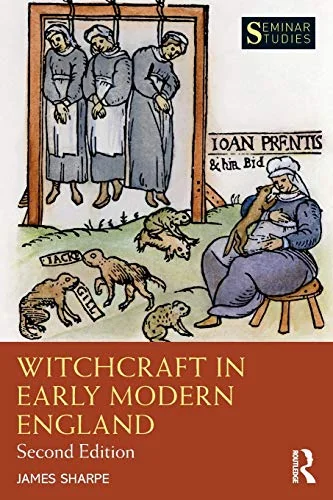
✍️ More books by this author Lawrence-Mathers, Anne; , Escobar-Vargas, Carolina
All books by this author →🏛 Books from this publisher Routledge
All books from this publisher →
 89
89

You might also like
See more →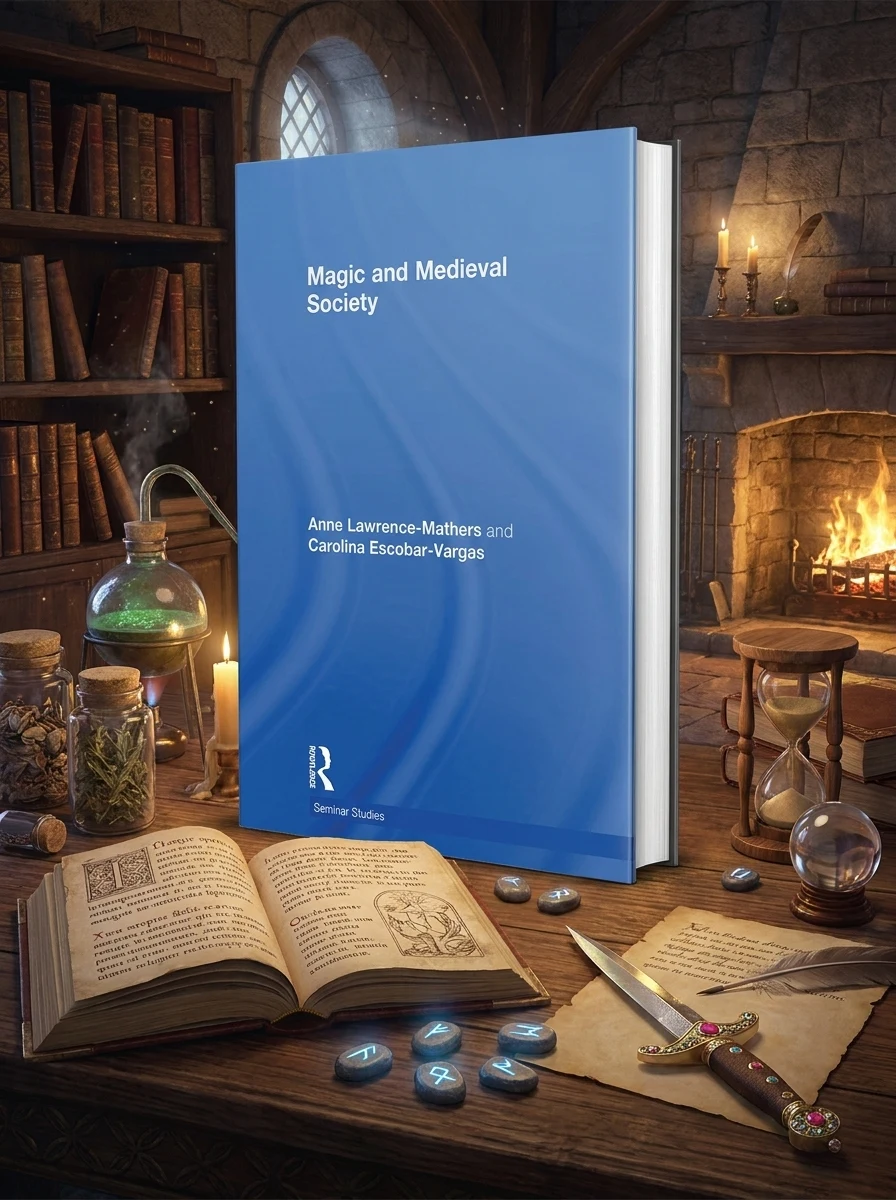
 91
91
 91
91
 88
88