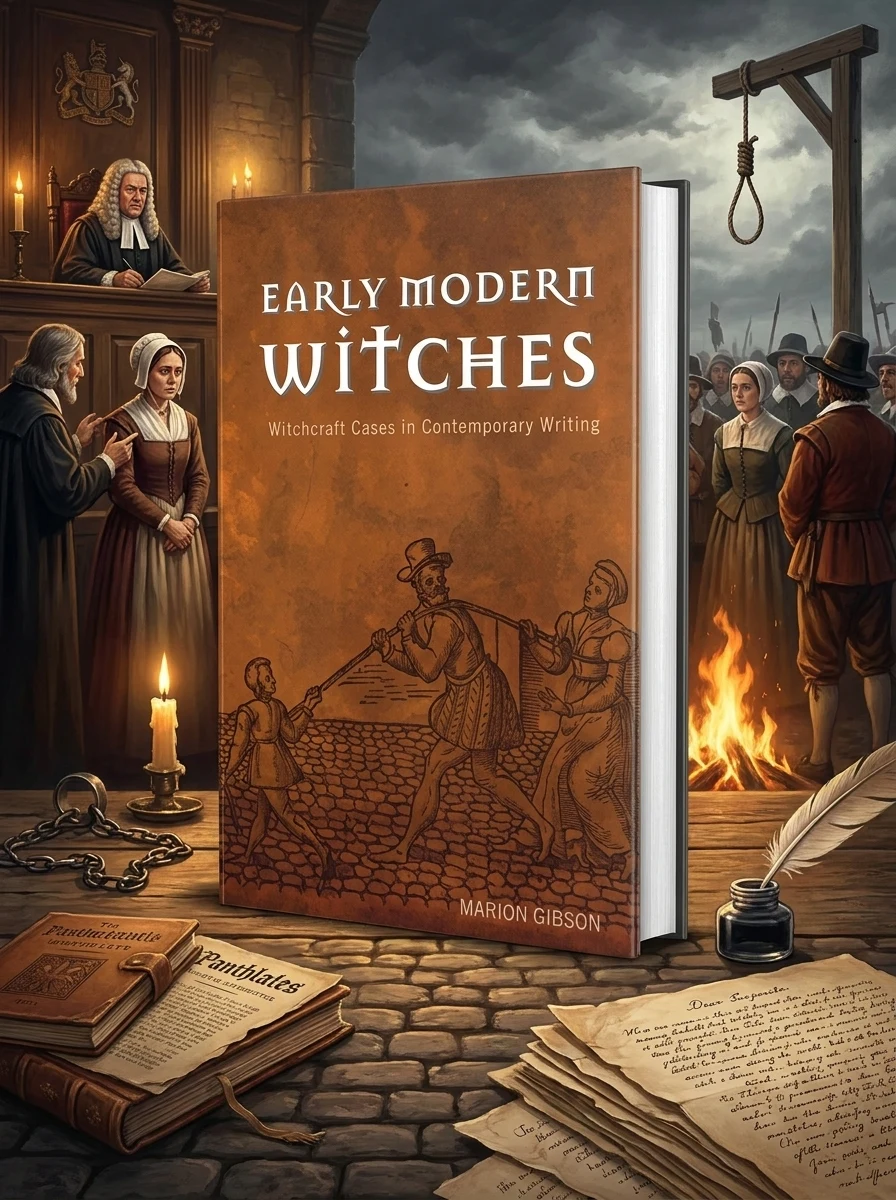
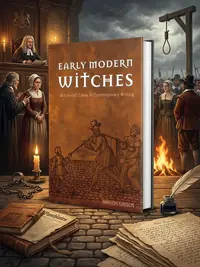
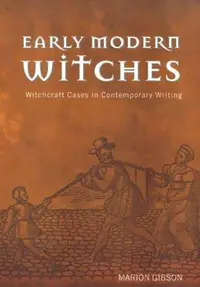
Early Modern Witches: Witchcraft Cases in Contemporary Writing
Gibson, MarionStock reported in the catalog; fulfillment is confirmed with your request.
Step into the chilling heart of early modern witch hunts, where reality blurs with accusation.
Marion Gibson masterfully curates a compelling archive of fifteen detailed English witchcraft incidents. These meticulously presented pamphlets transport the reader directly into the tumultuous world of accusations, trials, and public executions, offering an unvarnished glimpse into the period's fervent beliefs. However, Gibson also challenges us to critically examine these narratives, revealing how literary construction shaped public perception. With newly edited and some previously unavailable texts, this collection invites deep engagement with the historical record.
This work resides within the historiography of early modern Europe, specifically examining the cultural phenomenon of witchcraft accusations through contemporary literary accounts. It bridges the gap between historical event and narrative construction in sixteenth- and seventeenth-century England.


📝 Description: Early Modern Witches: Witchcraft Cases in Contemporary Writing
💎 Expert review
📖 Why choose it
Why this book is worth reading
This collection is essential for readers fascinated by the intersection of history, literature, and social panic. It offers a rare, unvarnished glimpse into the tumultuous world of early modern accusations and trials, allowing you to witness how reality blurred with fear. Marion Gibson’s curation of fifteen detailed incidents, including newly edited texts, provides deep engagement with the historical record. You will gain insight into how literary construction shaped public perception during this fervent period. It is perfect for those who wish to understand the mechanics of accusation and execution beyond simple folklore, offering a scholarly yet accessible entry point into the chilling heart of these hunts.
⭐ Reader reviews
Reader rating
Gibson delivers a masterful archive that challenges readers to critically examine how narratives were built around witchcraft cases. The inclusion of previously unavailable texts adds significant value for serious students of history and literature. However, this book does not suit those seeking sensationalized ghost stories or pure fantasy escapism. It requires patience for the academic rigor and historical analysis presented within the pamphlets. Readers looking for simple moral judgments or modern witchcraft practices will likely find the focus on early modern literary construction dry and unsatisfying. It is a rigorous study of perception, not a thrilling tale of magic.
❓ Frequently asked questions
📖 Who should read this
For the discerning student of history, the dedicated occultist, or anyone fascinated by the darker currents of human belief, this book is essential. Prepare to question established narratives and confront the unsettling truths of early modern justice and propaganda.
🎯 Key themes and symbolism
Eyewitness Accounts Reimagined
This volume presents vivid narratives that immerse the reader in the dramatic unfolding of historical witchcraft cases. By presenting these accounts, often recreated from original pamphlets, it allows for a visceral understanding of the societal fear, the fervent accusations, and the tragic consequences faced by those accused during the early modern era.
The Art of Persuasion
Gibson expertly highlights how these historical pamphlets, while seemingly factual, were often crafted to sway public opinion. Readers are encouraged to analyze the rhetorical strategies employed by contemporary writers, questioning the 'truth' presented and discerning the subtle ways narratives were manipulated to condemn or justify.
Unearthing Hidden Histories
Featuring texts some of which haven't been seen in centuries, and others newly clarified through meticulous editing, this collection offers fresh perspectives. It provides an unprecedented opportunity to engage with primary source material that illuminates the complex social and legal landscapes surrounding witchcraft beliefs in Tudor and Elizabethan England.
💬 Quotes from the book
“And so, the accused, a woman of foul countenance and sharper tongue, confessed to her dealings with the dark familiar, a black dog, which did suckle upon her very breast.”
“Let no man doubt the righteous hand of Providence in bringing forth these wicked machinations into the light, lest the innocent suffer further under the devil's subtle snares.”
📜 Historical context
📚 Glossary
- Witchcraft Accusation
- Pamphlet
- Tudor & Elizabethan Era
📔 Questions to reflect on
- How do the narratives in these pamphlets reflect or shape contemporary societal anxieties about women, power, and the supernatural?
- If you were a juror in one of these historical cases, how might your understanding of truth and evidence be challenged by the accounts presented?
- In what ways do modern media portrayals of crime or controversial events echo the rhetorical strategies found in these early modern pamphlets?
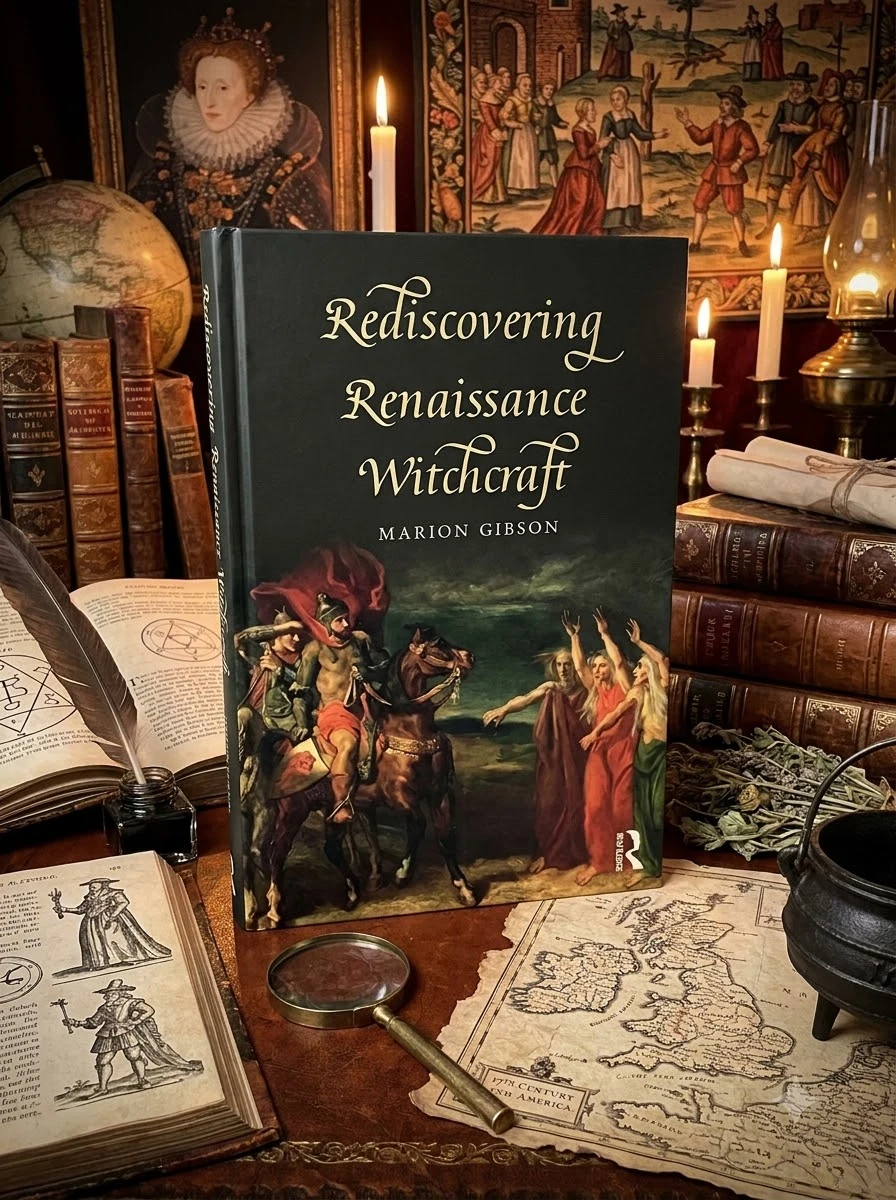
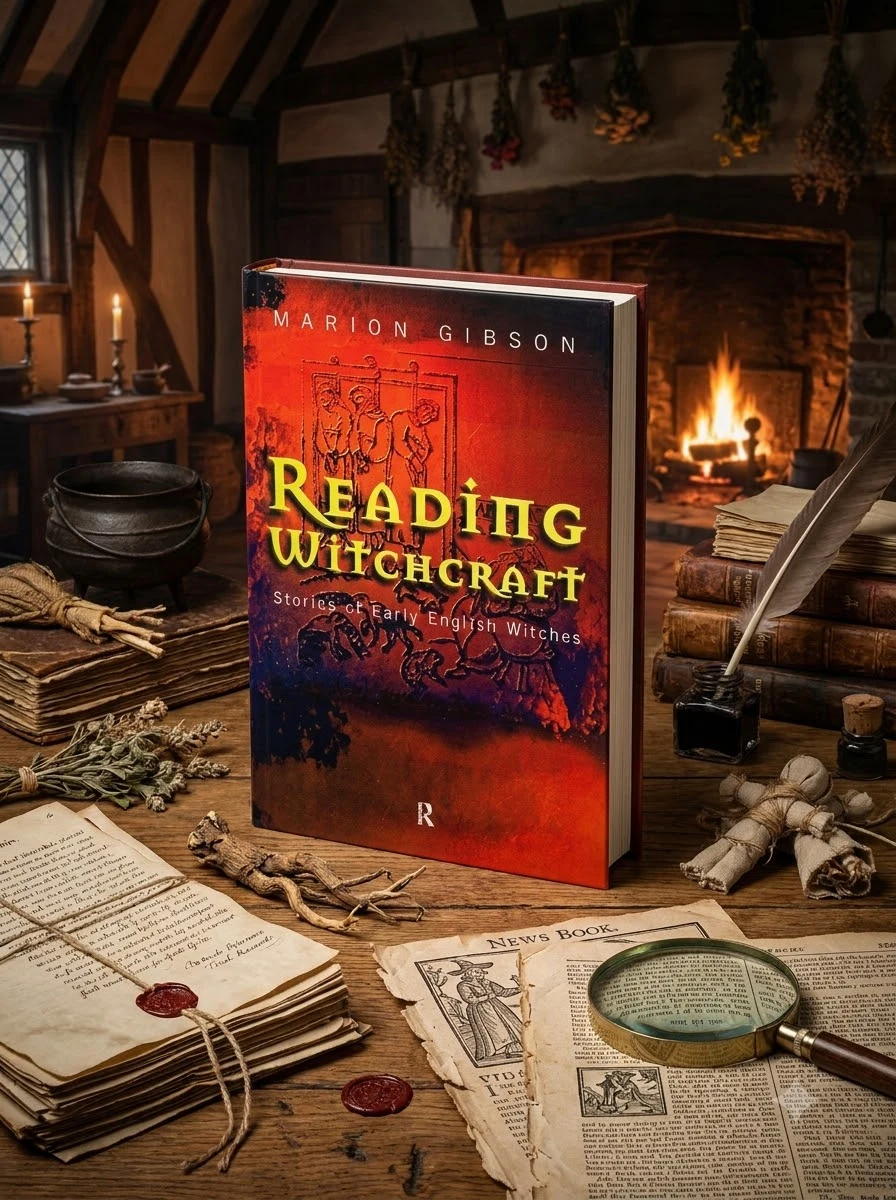
✍️ More books by this author Gibson, Marion
All books by this author →
 89
89
 89
89

🏛 Books from this publisher Routledge
All books from this publisher →
 89
89

You might also like
See more → 90
90
 89
89
 88
88
 84
84
 81
81