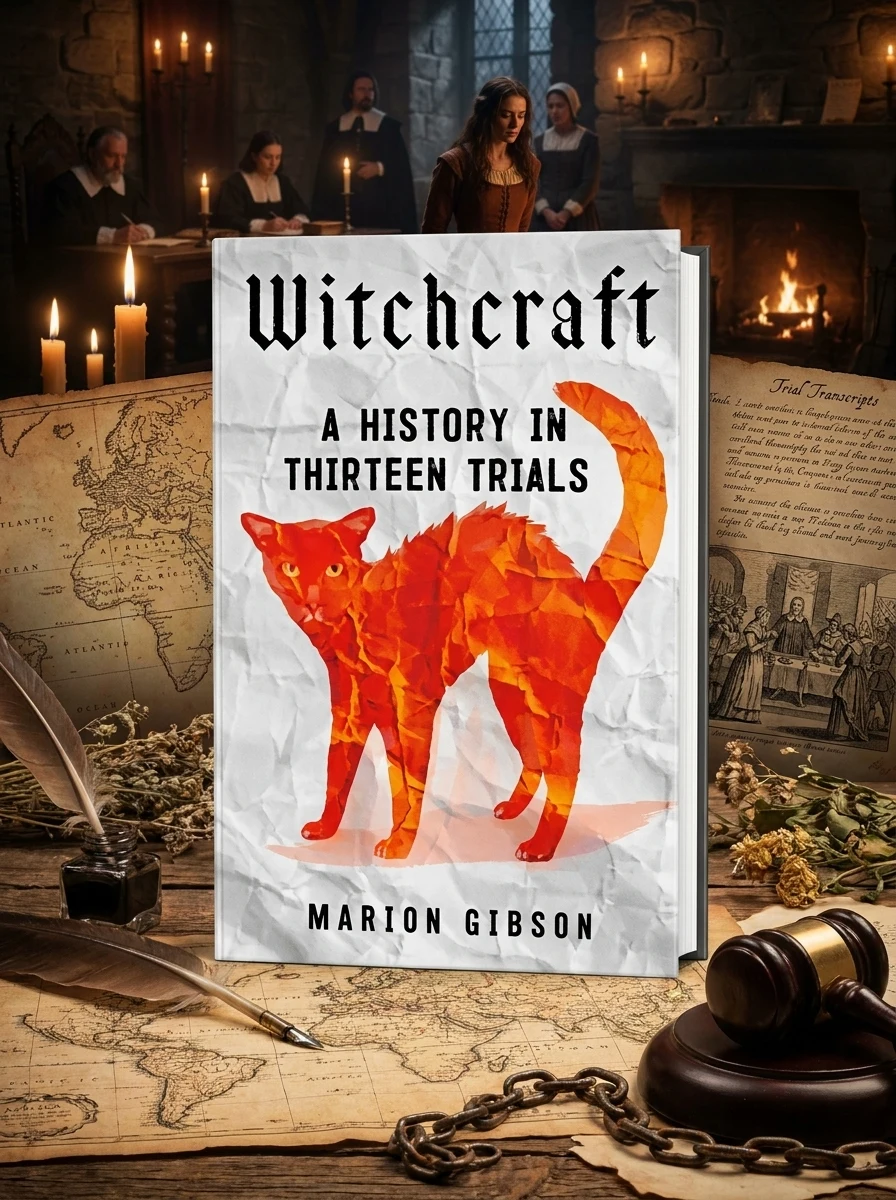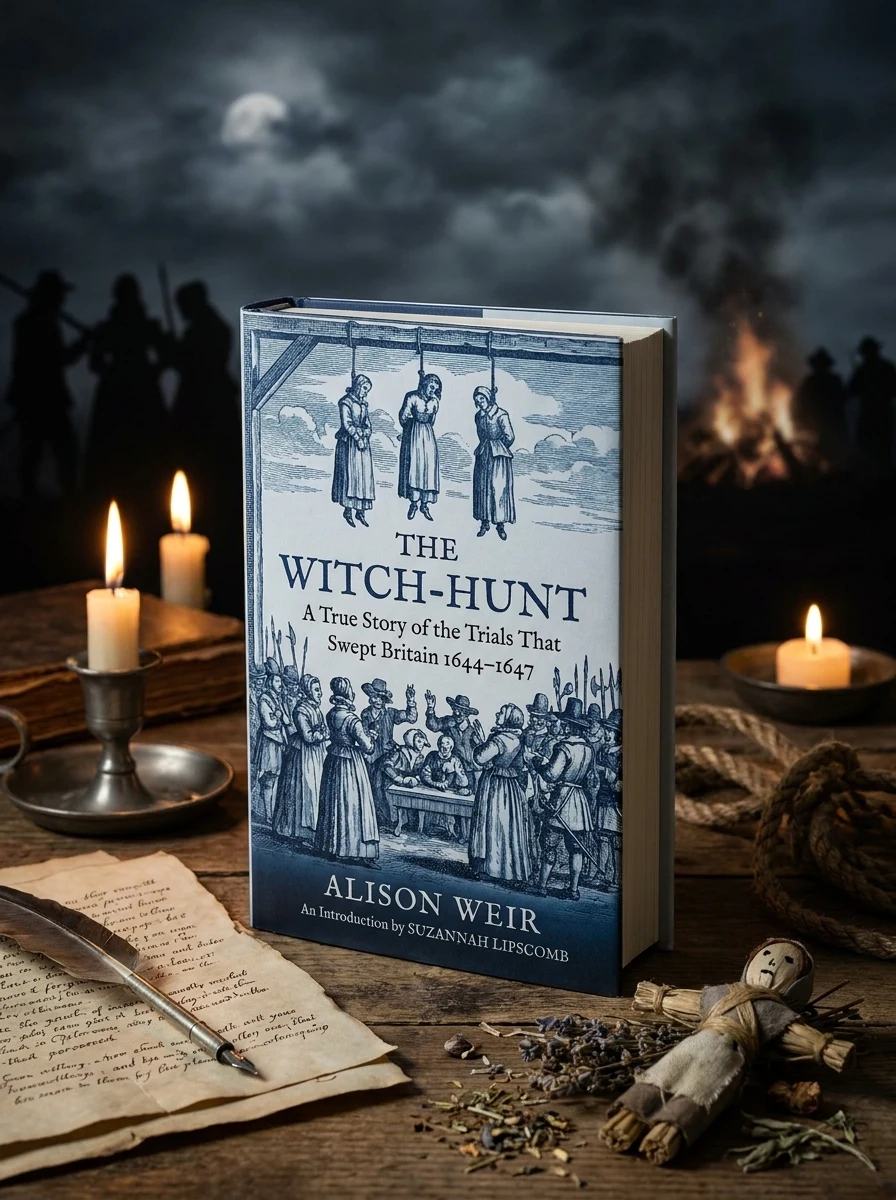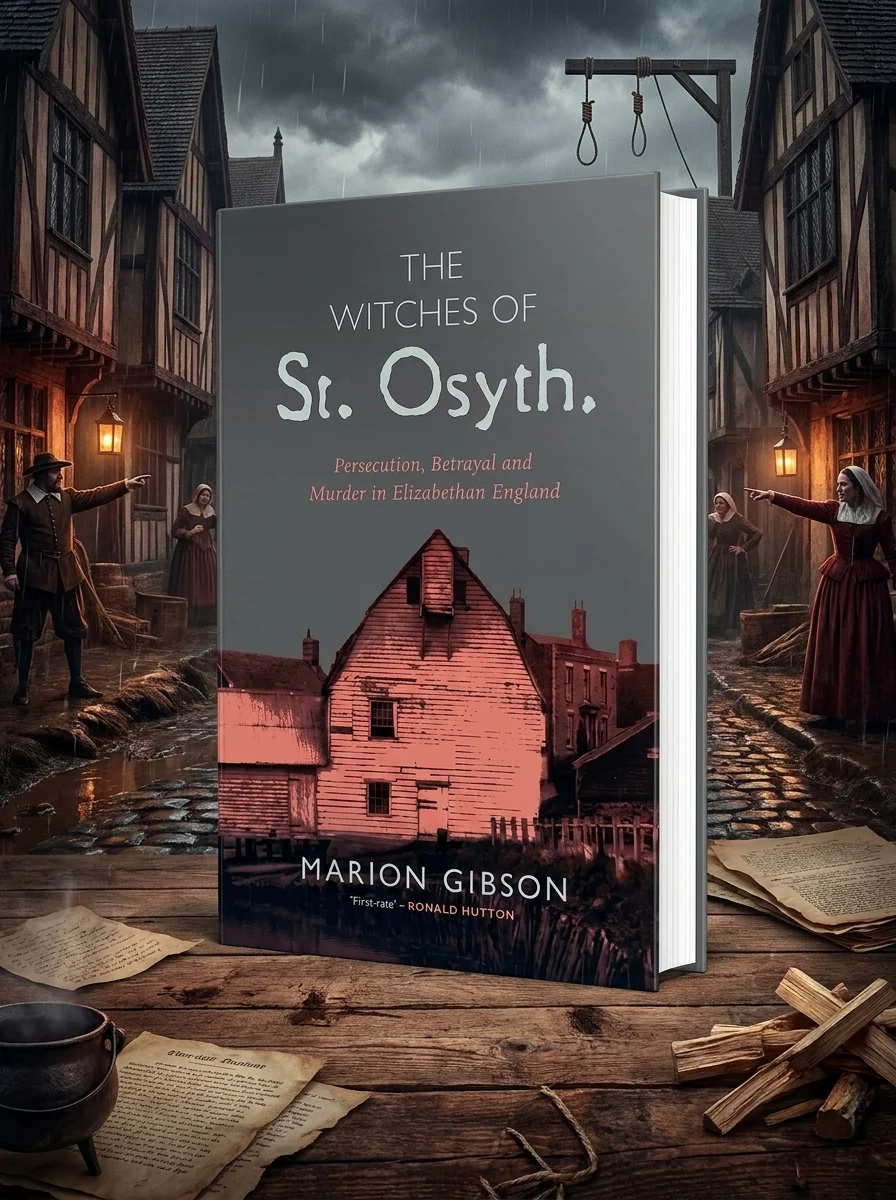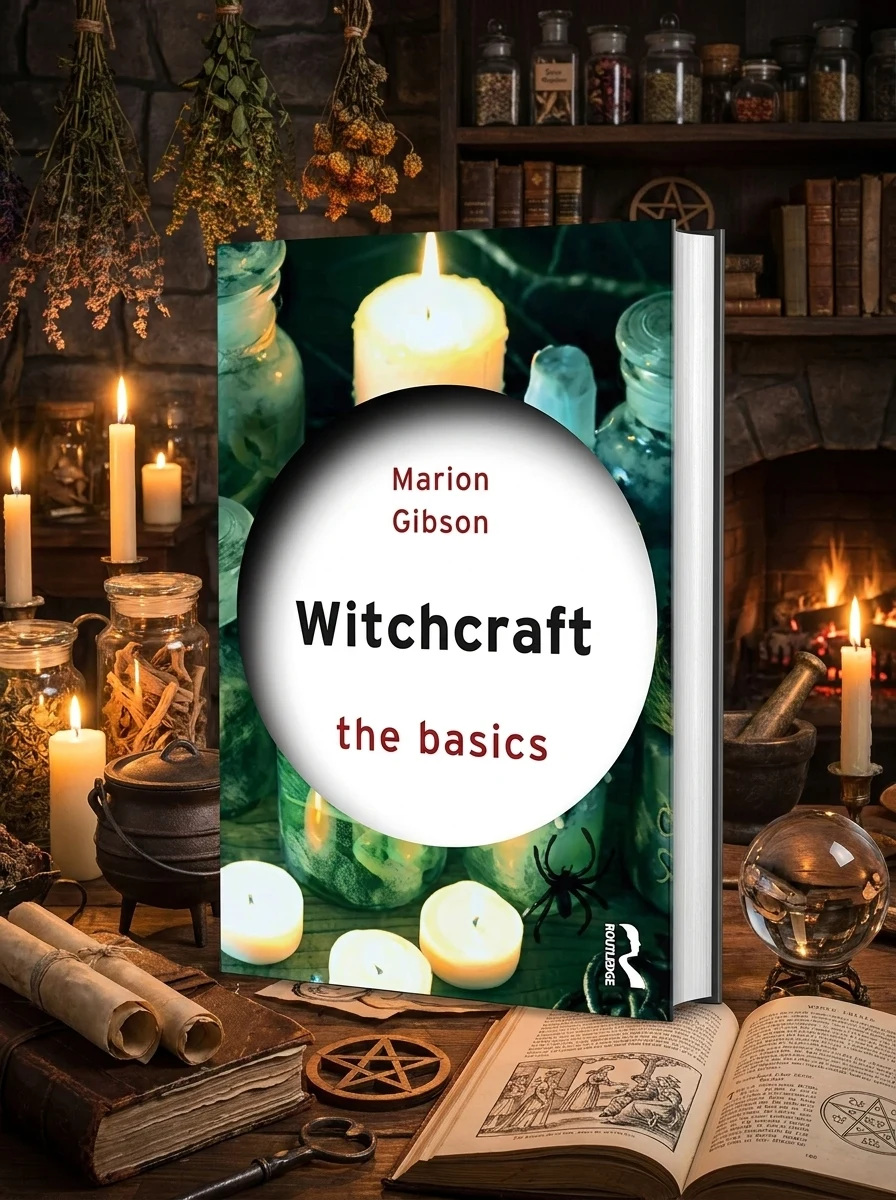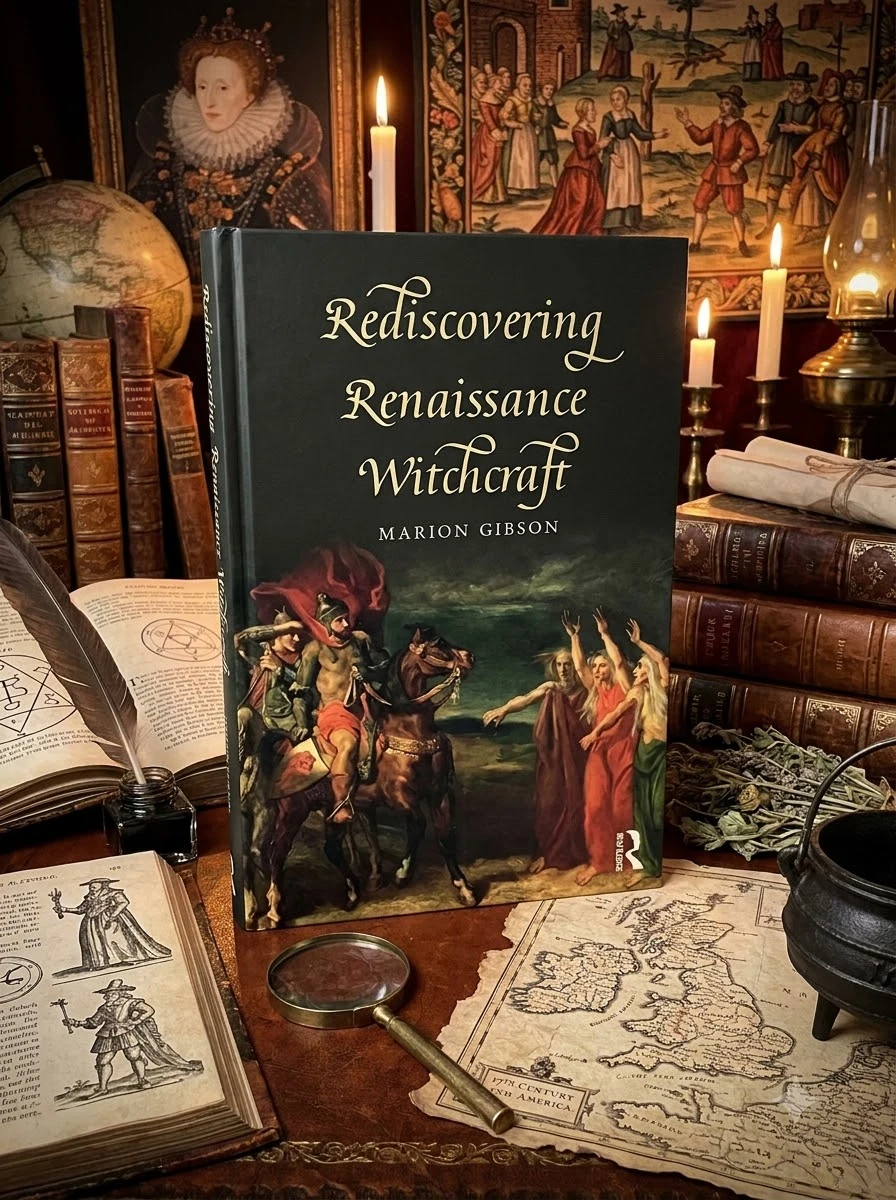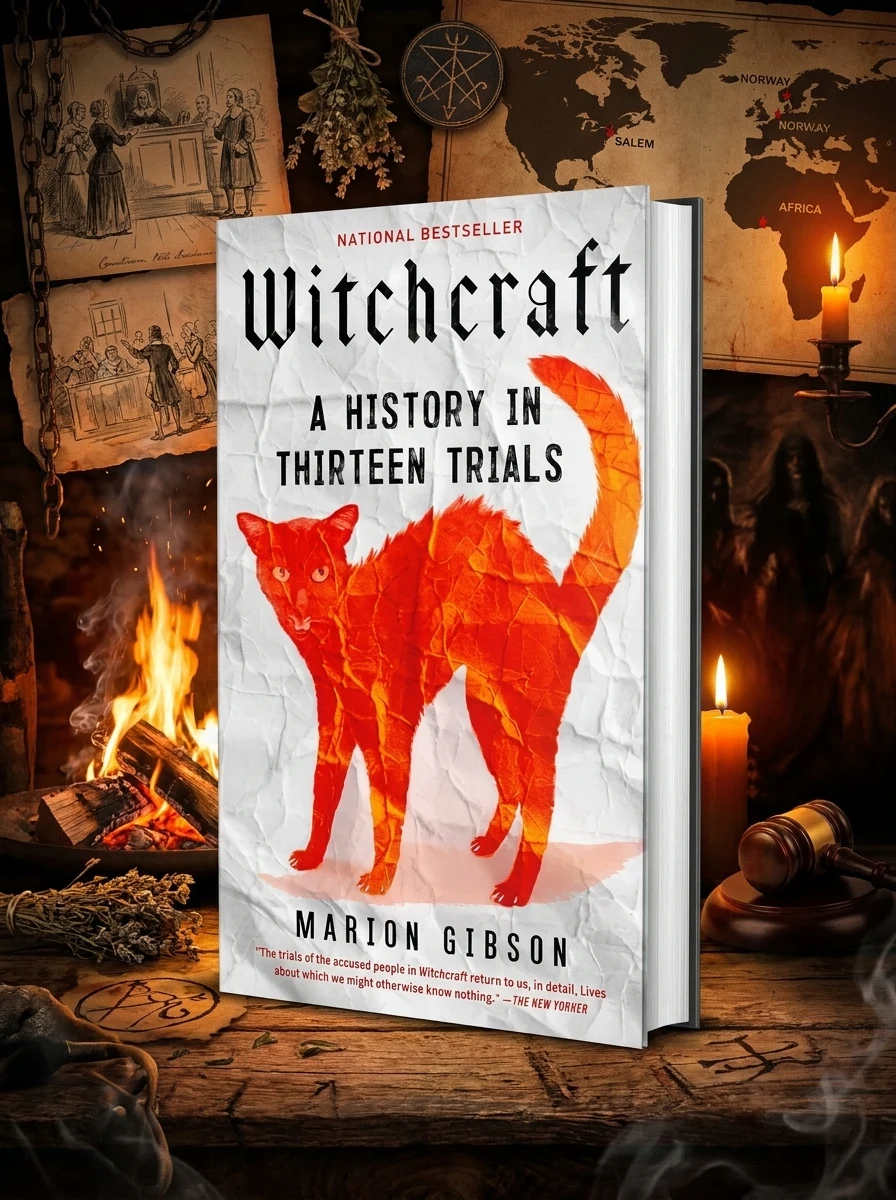
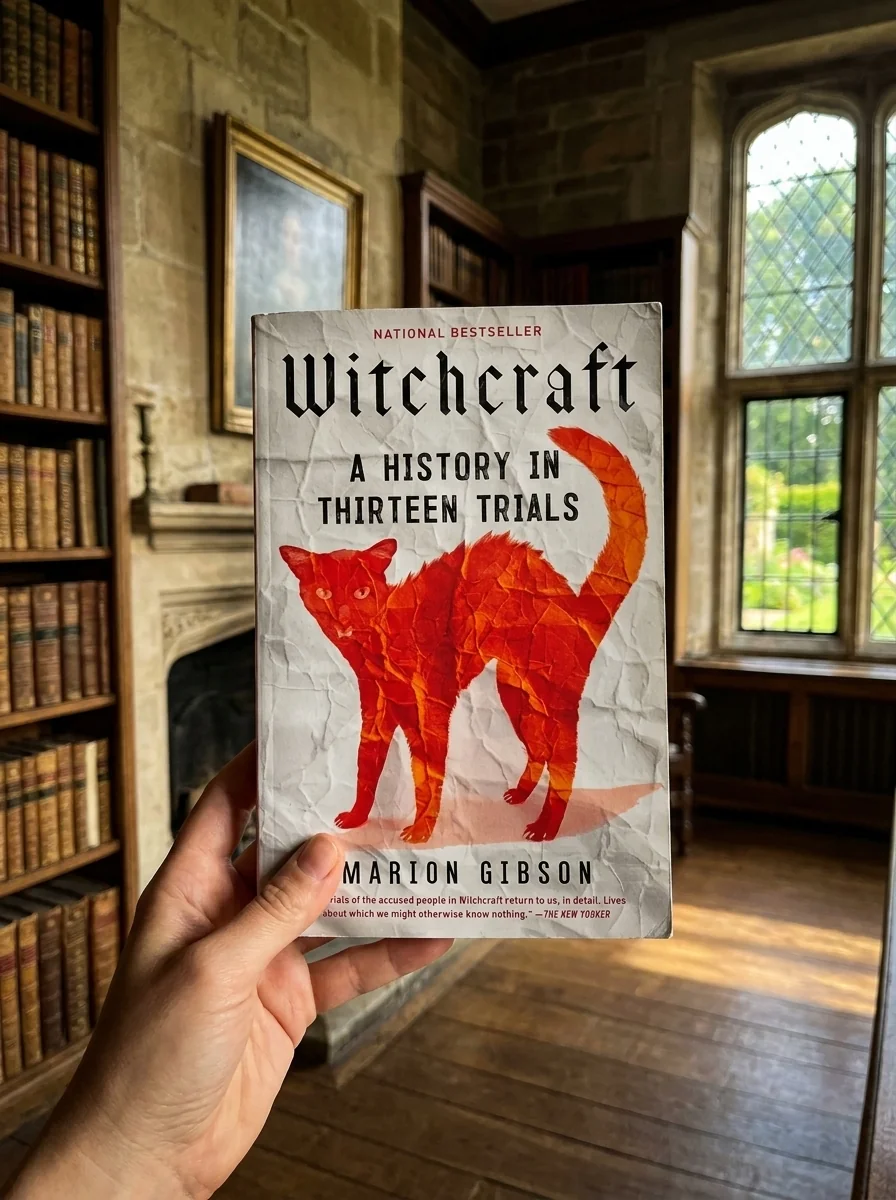
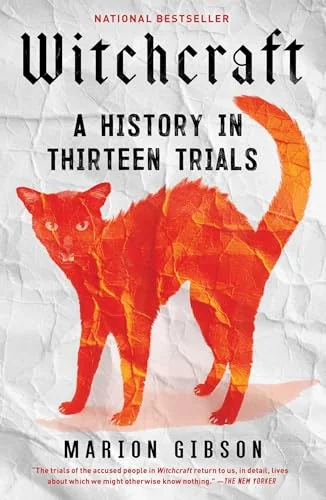
Witchcraft: A History in Thirteen Trials
✍️ Gibson, MarionThis compelling historical work delves into the global phenomenon of witch trials, tracing their evolution through thirteen distinct cases spanning continents and centuries. From the infamous Salem accusations to lesser-known sagas in Norway, France, and Lesotho, the narrative illuminates how beliefs in witchcraft fostered widespread demonization and conspiratorial thinking. It examines the intricate connections between gender, societal power structures, indigenous spiritual practices, and the impact of colonial rule, ultimately revealing how these persecutions profoundly shaped human history and continue to resonate today.


Praise for this book
“These stories of witchcraft, true and vividly told, demonstrate the potent reality of belief in evil and how in any era or place fear can be weaponised and marginal people, mostly women, labelled as wicked and dangerous. Together they comprise not just a history of witchcraft but a cautionary tale of the uncomfortably human habits of paranoia and persecution.”
“It is wonderful to come across a book that breathes such fresh life and energy into a well-worked subject, covering a huge range of time and space with a unified, passionate and convincing message. Any expert is going to learn something new from it, any newcomer to be enthralled and motivated.”
“From demonology to royal ascensions, Gibson demonstrates how identity politics, power plays and cultural differences all crashed together to allow these historic injustices to occur... A well-rounded insight into some of the strangest and cruellest moments in history.”
📝 Description: Witchcraft: A History in Thirteen Trials
💎 Expert review
📖 Why choose it
Why this book is worth reading
Readers fascinated by the intersection of history, gender studies, and colonialism will find profound value in this text. It appeals to those seeking to understand how fear and power structures have historically manipulated societies through the demonization of others. By exploring thirteen distinct cases across continents, it offers a nuanced view of how beliefs in witchcraft fueled conspiratorial thinking. This book is ideal for scholars and general readers alike who wish to grasp the lasting impact of these persecutions on human history. It provides essential context for understanding modern societal fears by looking back at the mechanisms used to control populations during pivotal moments in time.
⭐ Reader reviews
Reader rating
Gibson offers a rigorous examination of witch trials, linking them to broader themes of gender and colonial rule. However, this academic approach may not suit readers seeking narrative-driven historical fiction or light, entertaining reads. Those looking for straightforward dates and simple plot summaries might find the thematic analysis dense and demanding. The book is best appreciated by those willing to engage with complex societal critiques rather than just factual recounting. It lacks the accessibility of popular history books but rewards deep engagement with its insightful connections between past injustices and contemporary issues, making it a vital but serious addition to any collection.
❓ Frequently asked questions
📖 Who should read this
If you seek to understand the intricate historical currents of fear, power, and persecution, or are fascinated by the intersections of gender, spirituality, and societal control, this book offers a profound and essential journey into humanity's complex past.
🎯 Key themes and symbolism
Gendered Persecution
Examine the profound interplay between gender and power dynamics within witch trials. The text reveals how accusations often targeted women, repositioning witchcraft as a gendered crime and exposing deeply ingrained societal biases and patriarchal structures that leveraged these beliefs for control and suppression.
Colonialism's Shadow
Discover how colonial expansion intersected with indigenous spiritual traditions, leading to the subjugation and execution of local leaders under the guise of witch hunts. This section highlights the devastating impact of foreign rule on native beliefs and the exploitation of superstition for political control.
📜 Historical context
📚 Glossary
- Demonization
- Conspiratorial Thinking
- Indigenous Spirituality
📔 Questions to reflect on
- How do contemporary societal fears or conspiracy theories mirror the patterns of demonization seen in historical witch trials?
- Reflect on how the intersection of gender and power dynamics in these historical cases informs your understanding of modern social justice issues.
- Consider how the book's global perspective challenges or expands your previous understanding of witchcraft and its historical significance.