
Witchland: A Deadly Moral Panic in Seventeenth-Century Britain
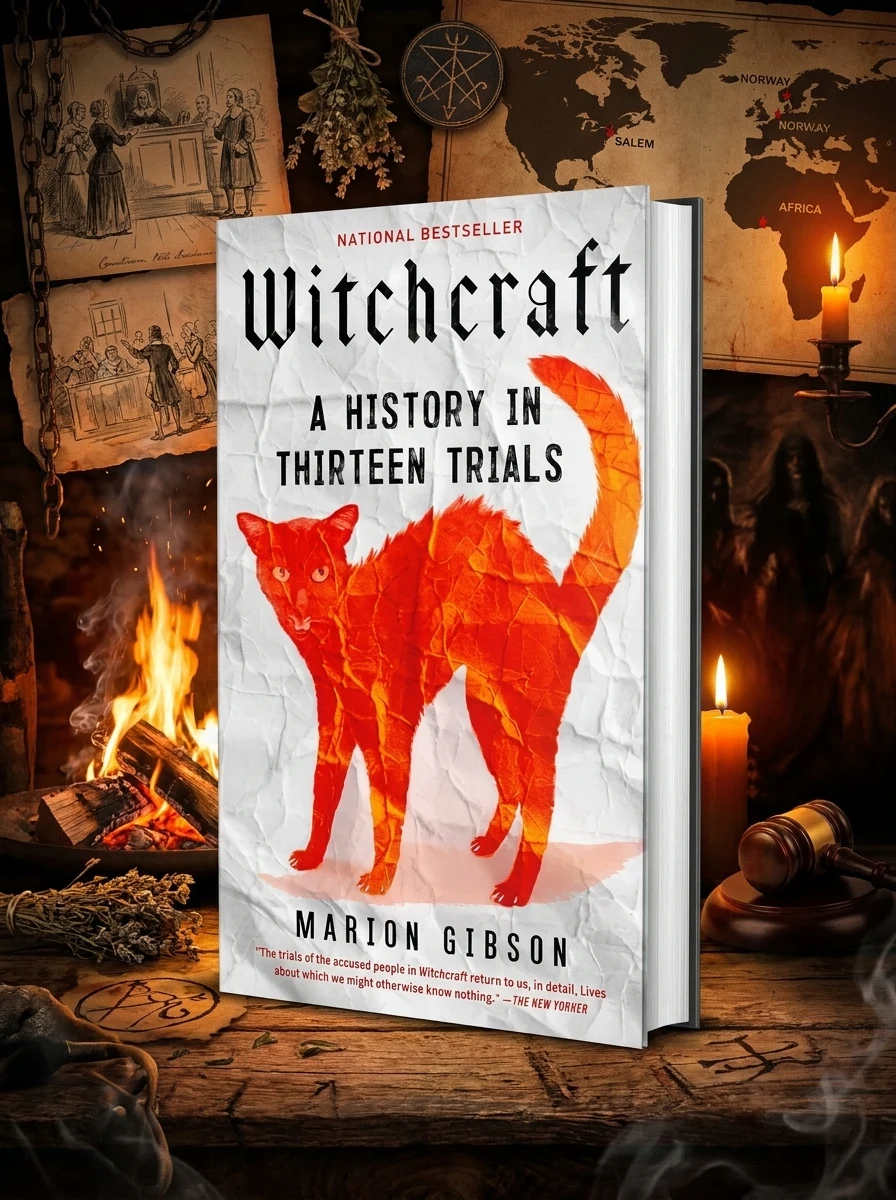
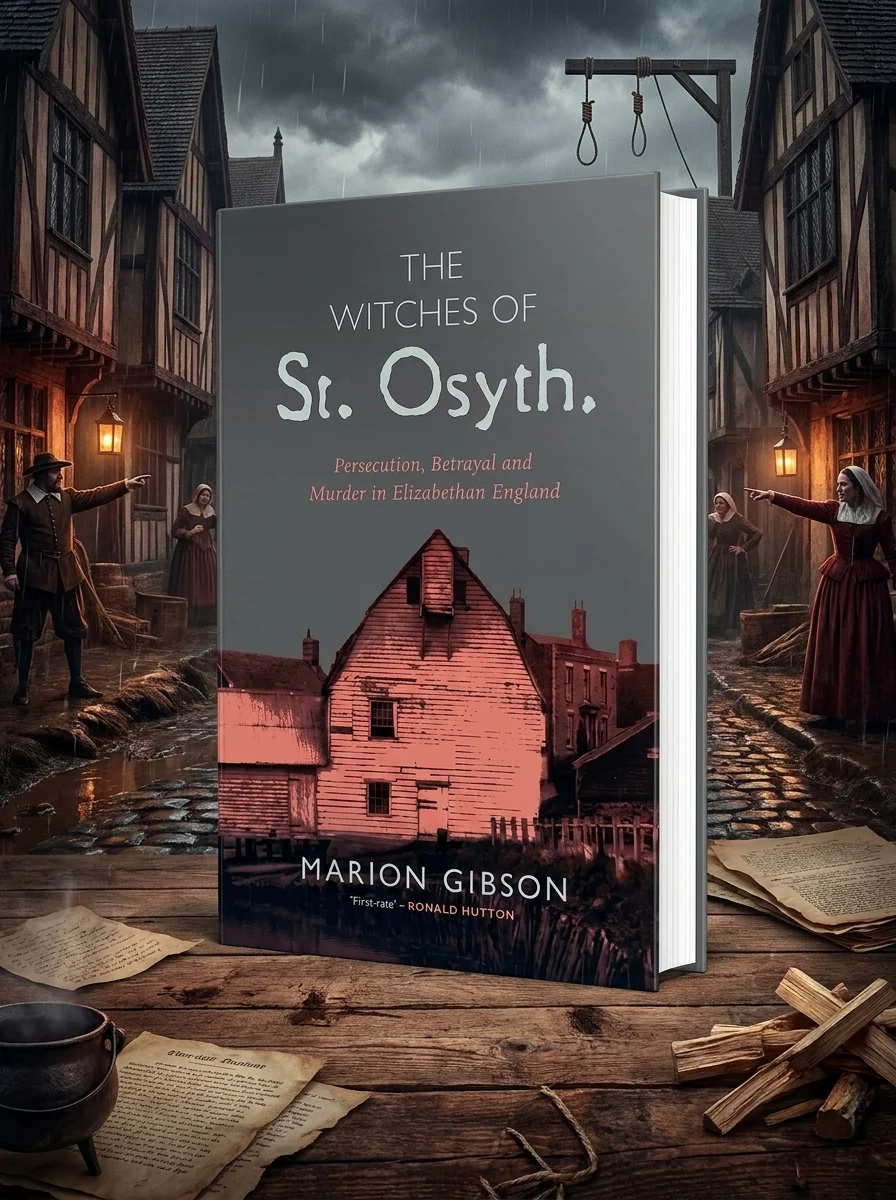
✍️ Gibson, MarionMarion Gibson's Witchland masterfully chronicles a devastating wave of witch trials that engulfed Britain during the tumultuous 1640s, predating the Salem events. This compelling work delves into how religious fervor, rampant misogyny, and the economic hardships of the English Civil War converged to ignite a deadly moral panic. With meticulous research, Gibson unearths forgotten narratives, giving voice to over three hundred individuals who faced persecution and death. It's a poignant exploration of how societal upheaval preys upon the vulnerable, transforming local anxieties into widespread tragedy.


Praise for this book
“From demonology to royal ascensions, Gibson demonstrates how identity politics, power plays and cultural differences all crashed together to allow these historic injustices to occur... A well-rounded insight into some of the strangest and cruellest moments in history.”
“A fascinating and revelatory look at real witch hunts...[Gibson] fashion[s] a book that is at once readable and informative, an energetic and declarative statement on a particular brand of cruelty that is at its most historically hysterical and rotten.”
“Inventive and compelling... A work of restitution and historical reparation, an attempt to give voice to those who have been silenced over the centuries.”
📝 Description: Witchland: A Deadly Moral Panic in Seventeenth-Century Britain
💎 Expert review
📖 Why choose it
Why this book is worth reading
Readers fascinated by the intersection of social upheaval and supernatural belief will find profound value in this meticulous exploration. Marion Gibson gives voice to over three hundred forgotten individuals, transforming abstract historical statistics into poignant human narratives. It is essential for those seeking to understand how economic hardship and misogyny can converge during times of political instability to create deadly moral panics. By uncovering Britain's forgotten witch hunts, the book offers a stark reminder of how societal anxiety preys upon the vulnerable. Those interested in the roots of persecution and the tragic consequences of religious fervor will gain a deeper, more empathetic perspective on this devastating wave of trials that engulfed the nation during the tumultuous 1640s.
⭐ Reader reviews
Reader rating
Marion Gibson delivers a compelling chronicle of the 1640s witch trials, effectively linking them to the English Civil War's broader societal fractures. The research is robust, and the narrative voice is engaging, offering a fresh look at British rather than just American witchcraft history. However, readers expecting a sensationalist ghost story or a dry, purely legalistic analysis may find this approach too emotional or too detailed, respectively. It requires an interest in social history and gender studies to fully appreciate the depth of Gibson's argument regarding misogyny and economic despair. While not suitable for those seeking light entertainment or quick summaries, it stands as a significant contribution for serious scholars and history enthusiasts willing to engage with complex societal tragedies.
❓ Frequently asked questions
📖 Who should read this
If you seek a profound understanding of how societal fear can manifest in devastating ways, or are drawn to the untold stories of history's marginalized, this book offers a compelling and vital read. It's essential for anyone interested in the social dynamics of persecution.
🎯 Key themes and symbolism
War's Shadow, Panic's Grip
This book vividly illustrates how the chaos and economic strain of the English Civil War created fertile ground for collective delusion. It explores how societal anxieties, exacerbated by conflict, spiraled into a devastating moral panic, leading communities to turn on their most vulnerable members.
Gendered Persecution Unveiled
Witchland scrutinizes the deep-seated misogyny underpinning these trials. It reveals how women, already marginalized and lacking societal power, became primary targets. The narrative highlights how fear, superstition, and patriarchal structures converged to justify the brutal suppression and execution of hundreds based on baseless accusations.
Unearthing Forgotten Narratives
Through newly discovered documents, the author meticulously reconstructs the lives and tragic fates of the accused. Each chapter focuses on specific individuals and towns, offering a deeply human perspective. This approach ensures that the voices of those silenced for centuries are finally heard, adding crucial depth to our understanding of the period.
📜 Historical context
📚 Glossary
- Moral Panic
- English Civil War
- Misogyny
📔 Questions to reflect on
- How might societal anxieties and economic instability in our own time create similar scapegoating or 'moral panics'?
- Reflect on the role of misogyny in historical persecutions. How do these biases continue to manifest in contemporary society, perhaps in different forms?
- If you could uncover one hidden historical narrative from your own community, whose story would you seek to illuminate, and why?