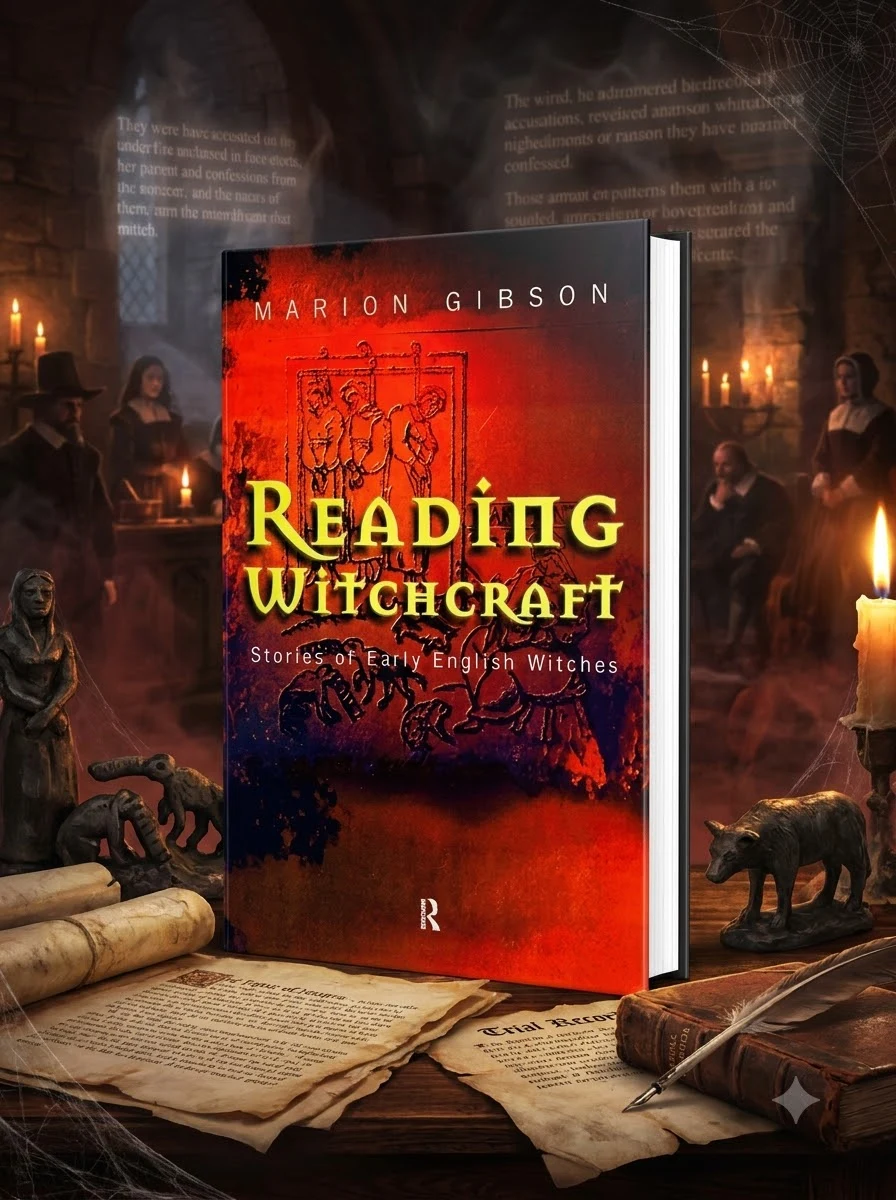

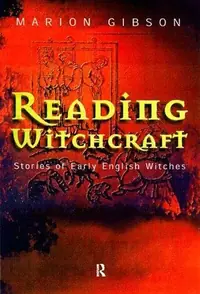
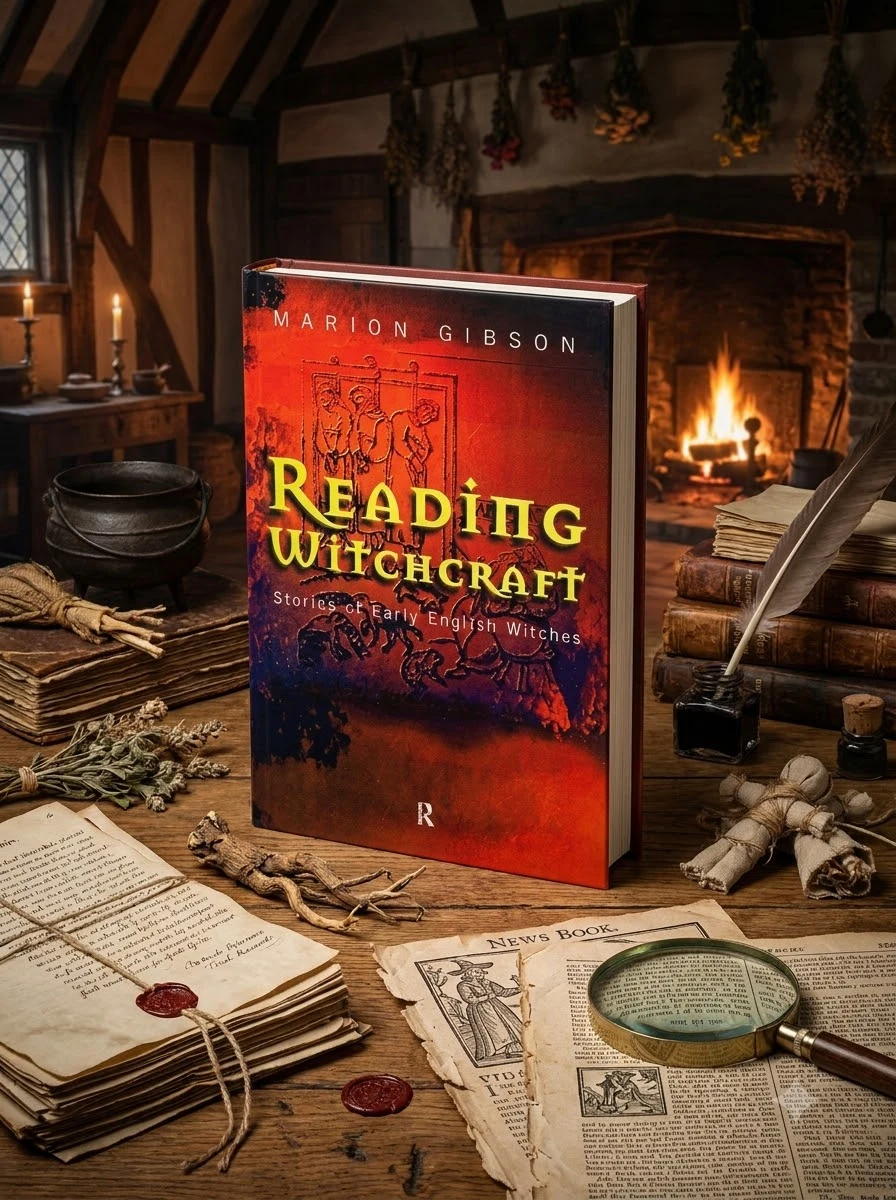
Reading Witchcraft
Gibson, MarionStock reported in the catalog; fulfillment is confirmed with your request.
Gibson dismantles the myth of historical certainty, revealing the chaotic imagination behind witchcraft trials.
Marion Gibson challenges the traditional narrative of the European witch hunts by scrutinizing the very documents we rely upon for truth. She argues that trial records, pamphlets, and personal accounts are not objective windows into the past, but constructed narratives shaped by fear, bias, and societal pressure. By analyzing how these sources were created and consumed, Gibson reveals the complex interplay between accuser and accused. This work forces readers to question the reliability of historical testimony and understand the psychological landscape of early modern Europe, where the line between reality and fabricated horror was perilously thin.
This work sits at the intersection of historical scholarship and occult studies, challenging established narratives within the study of European witchcraft trials and early modern societal fears.


📝 Description: Reading Witchcraft
💎 Expert review
📖 Why choose it
Why this book is worth reading
Readers who crave a deeper, more critical understanding of the historical foundations of witchcraft will find this book indispensable. It is perfect for those tired of romanticized or simplified accounts of the witch hunts, offering instead a rigorous examination of how fear and bias constructed the reality of the accused. By forcing you to question the reliability of primary sources, Gibson empowers you to see the psychological landscape of early modern Europe with fresh eyes. If you are interested in the interplay between accuser and accused, or wish to understand how fabricated horror influenced societal norms, this text provides the necessary tools to dismantle myths of historical certainty. It is a vital resource for anyone seeking intellectual honesty over comforting narratives.
⭐ Reader reviews
Reader rating
Long-time student of the esoteric here. The language takes some getting used to, but it becomes part of the charm. The historical context alone makes it worth the price. One of my better finds this year.
I keep coming back to this one. The historical context alone makes it worth the price. There's real depth here that reveals itself on a second reading. Highly recommend to serious students.
A friend in my study group recommended this one. Every rereading turns up something I missed. Some archaic spellings slow things down. Solid, if not essential.
Gibson delivers a provocative deconstruction of witchcraft historiography, urging readers to view trial records not as objective facts but as constructed narratives. This approach is intellectually stimulating for those willing to engage with complex textual analysis and historical skepticism. However, it does not suit readers seeking practical magical instruction or straightforward biographical accounts of famous witches. Those looking for clear-cut moral judgments or easy-to-digest summaries of the witch hunts may find this dense, theoretical approach frustrating. It demands active critical thinking rather than passive consumption, making it less accessible to casual enthusiasts who prefer established, conventional historical timelines without such rigorous scrutiny of source material reliability.
❓ Frequently asked questions
📖 Who should read this
Scholars of early modern history, readers interested in the sociology of fear, and anyone questioning how historical narratives are constructed rather than merely recorded.
🎯 Key themes and symbolism
Historiography
Source Criticism
Social History
💬 Quotes from the book
“The representations of witchcraft found in these sources are far from straightforward or reliable.”
“It sheds new light on the sometimes bizarre flexibility of the human imagination.”
📜 Historical context
📚 Glossary
- Historiography
- Early Modern
- Pamphleteering
📔 Questions to reflect on
- How might your own beliefs about a controversial topic shape the way you interpret primary sources?
- In what ways does societal fear influence the stories we tell about 'others'?
- When reading historical accounts of persecution, what biases might the author or the record-keeper have had?
✍️ More books by this author Gibson, Marion
All books by this author →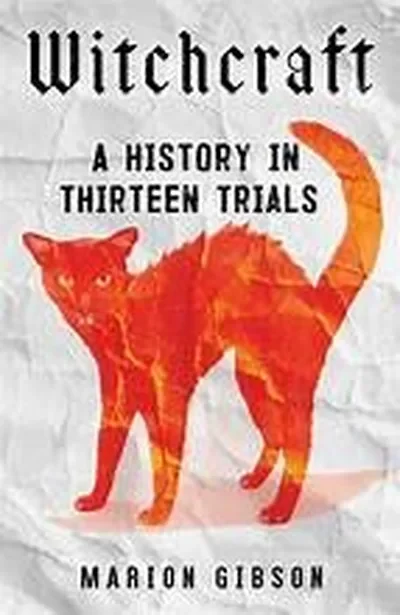
 89
89

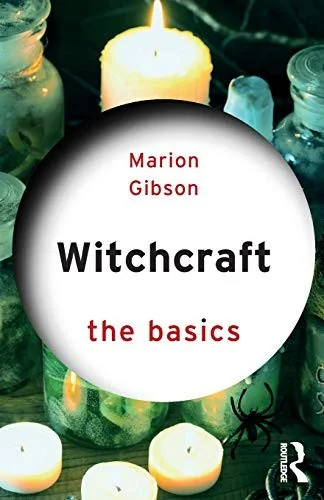
🏛 Books from this publisher Routledge
All books from this publisher →

 89
89
You might also like
See more → 90
90
 89
89
 88
88
 84
84
 81
81