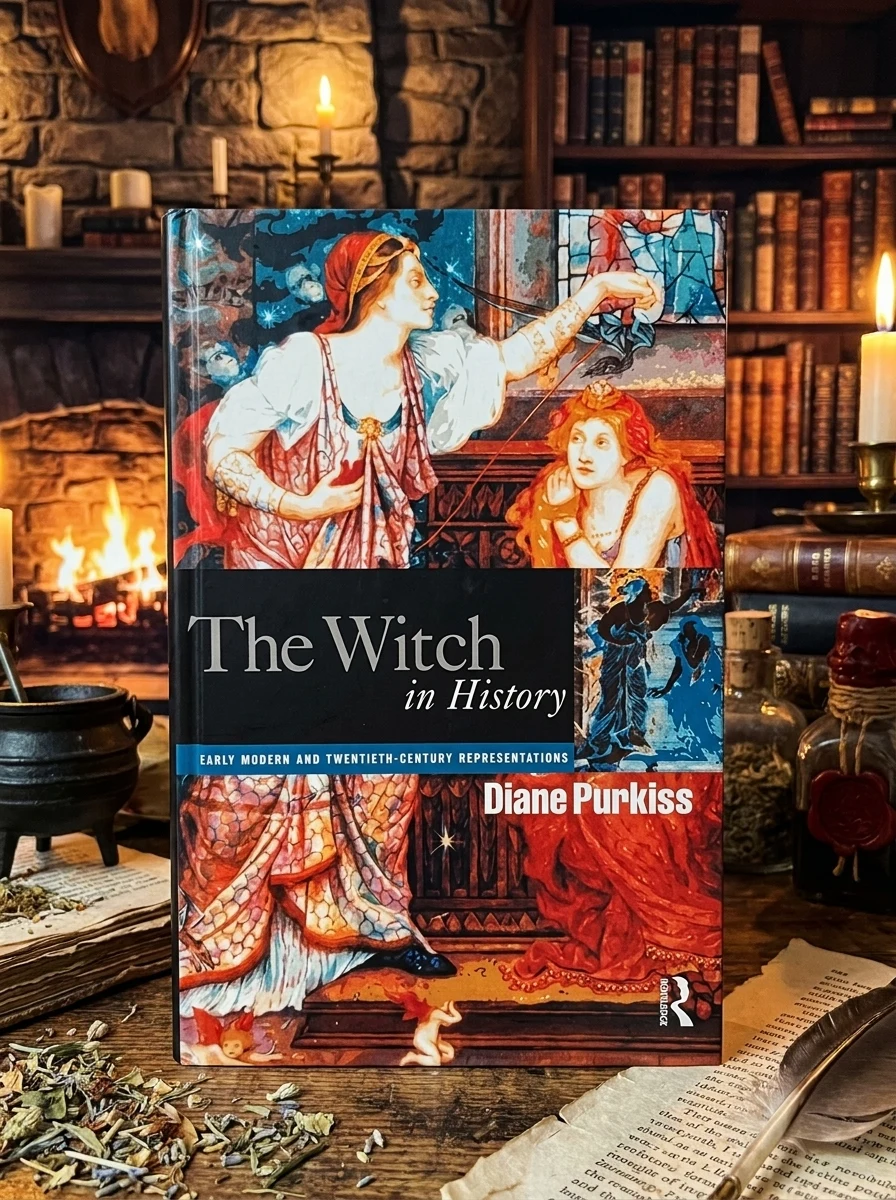
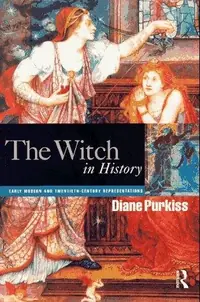
The Witch in History: Early Modern and Twentieth-Century Representations
Stock reported in the catalog; fulfillment is confirmed with your request.
Beyond folklore, this book seriously confronts the historical and cultural power of the witch.
Diane Purkiss masterfully dissects the enduring image of the witch, moving beyond simplistic dismissals to offer a deeply intellectual examination. This work traverses the early modern European witch hunts to twentieth-century reinterpretations, revealing how belief in witches shaped—and continues to shape—societies. It critically engages with the complex interplay of fear, power, and gender, urging readers to take the historical and cultural significance of the witch figure seriously, rather than viewing believers as merely unenlightened.
This work sits at the intersection of historical scholarship and cultural studies, examining the evolution of the witch archetype from early modern Europe through the twentieth century. It challenges traditional narratives by analyzing the figure not merely as a subject of folklore but as a powerful symbol influencing societal structures and gender dynamics.


📝 Description: The Witch in History: Early Modern and Twentieth-Century Representations
💎 Expert review
📖 Why choose it
Why this book is worth reading
Readers who seek to understand the profound intellectual and emotional weight of witchcraft history will find immense value here. Purkiss offers a rigorous, non-dismissive lens for those tired of superficial tropes, urging a serious engagement with how fear and power shaped communities. It is essential for scholars of gender studies, historians interested in the early modern period, and anyone curious about the cultural legacy that persists today. By treating believers with respect rather than ridicule, this text provides a nuanced, deeply respectful exploration that enriches one’s understanding of both past persecutions and modern reinterpretations, making it a vital addition to any serious collection on esoteric history.
⭐ Reader reviews
Reader rating
Diane Purkiss delivers a masterful, intellectually demanding dissection of the witch image, bridging early modern hunts with twentieth-century views. While the analysis is sharp and culturally significant, this book is not for casual readers seeking light folklore or romanticized Wiccan guides. It requires patience and an appreciation for complex theoretical frameworks regarding power and gender. Those expecting a straightforward narrative or practical occult advice will likely find it dry or overly academic. However, for those willing to engage with the serious historical and cultural stakes, it offers a rewarding, challenging, and profoundly insightful examination that elevates the discourse beyond simple superstition.
❓ Frequently asked questions
📖 Who should read this
If you seek an academically rigorous yet accessible exploration of the witch as a historical and cultural phenomenon, this book is for you. It appeals to scholars of social history, gender studies, and anyone intrigued by the complex interplay of belief, power, and representation throughout centuries.
🎯 Key themes and symbolism
Early Modern Witchcraft Beliefs
This book delves into the profound societal impact of witchcraft beliefs during the early modern period. It explores the intricate social, religious, and political landscapes that fostered witch trials and accusations, moving past reductive explanations to understand the genuine anxieties and worldviews of those who genuinely believed in the malevolent power of witches.
Twentieth-Century Witch Archetype
Purkiss traces the evolving representation of the witch from historical terror to modern fascination. She analyzes how the figure of the witch was reinterpreted and reclaimed in the twentieth century, particularly within feminist discourse and new spiritual movements, demonstrating a continuous, albeit transformed, cultural relevance and power.
Gender and Social Power
The work critically examines the role of gender in the construction of the witch figure. It reveals how accusations often targeted women, reflecting deep-seated societal anxieties about female power, autonomy, and deviance. By doing so, it illuminates broader historical patterns of social control and marginalized identities.
💬 Quotes from the book
“To understand the witch is not merely to catalogue her persecution, but to confront the very structures of belief that made her both terrifyingly real and profoundly symbolic for generations.”
“The witch, far from being a static historical artifact, continually transforms, reflecting anxieties and aspirations across eras, from the rural healer-turned-scapegoat to the potent symbol of female autonomy.”
📜 Historical context
📚 Glossary
- Historiography
- Early Modern Period
- Social Construction
📔 Questions to reflect on
- How do societal fears and anxieties manifest in the creation and condemnation of figures like the witch across different historical periods?
- Reflect on the power of historical narratives. How might a re-examination of past beliefs, even those we now deem irrational, inform our understanding of contemporary social dynamics?
- Consider the figure of the "witch" in modern culture. In what ways does this contemporary representation echo or diverge from its early modern predecessors?
🏛 Books from this publisher Routledge
All books from this publisher →


 89
89

You might also like
See more →
 91
91
 90
90
 90
90
 90
90