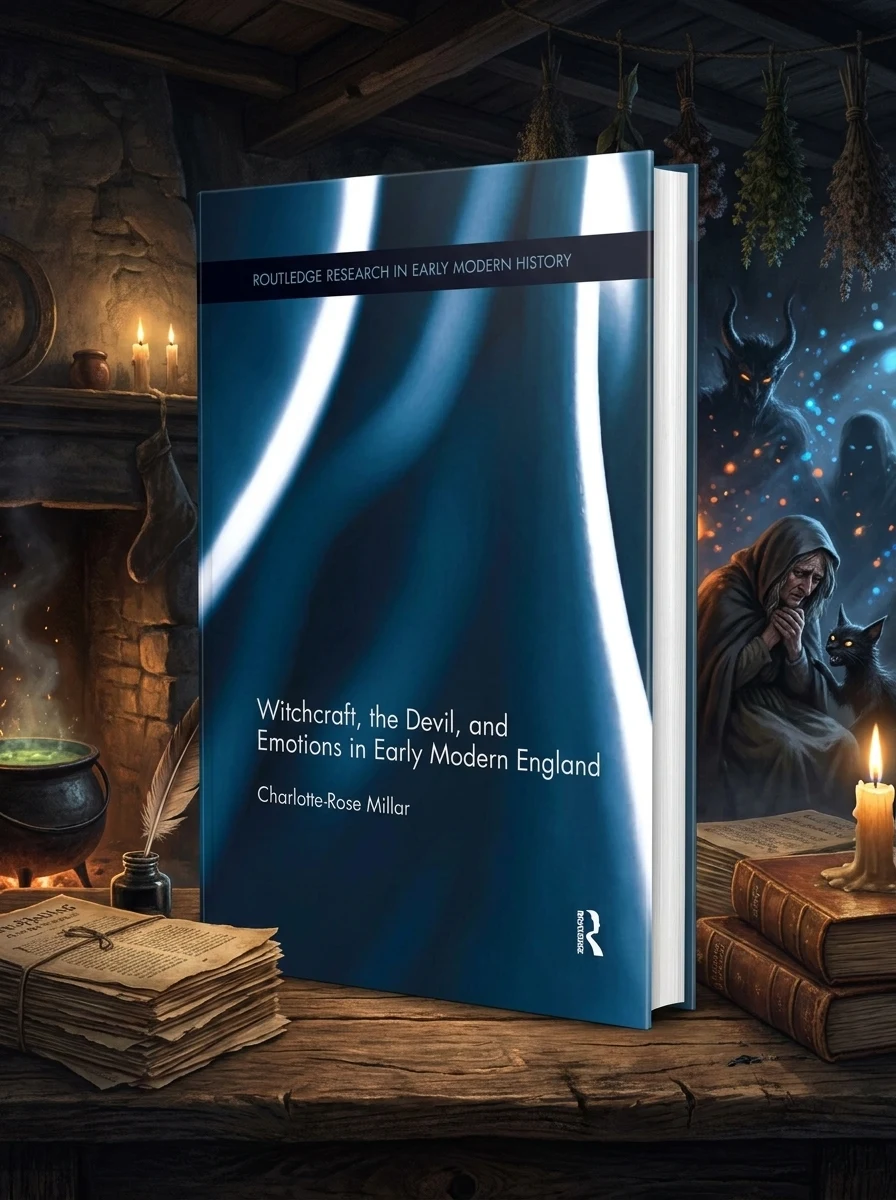
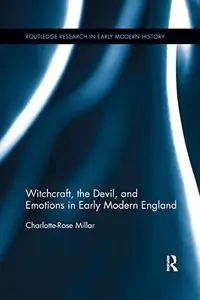
Witchcraft, the Devil, and Emotions in Early Modern England Millar, Charlotte-Rose
Millar, Charlotte-RoseStock reported in the catalog; fulfillment is confirmed with your request.
Uncover the Devil's forgotten grip on early modern English witchcraft, fueled by human emotion.
This groundbreaking study meticulously re-examines the intricate role of diabolical influence in English witchcraft from 1563 to 1735, a period defined by state-sanctioned prosecutions. Challenging previous historical interpretations that downplayed the Devil's significance, Dr. Millar asserts his crucial presence, often through familiar spirits. The work uniquely explores how intense emotional experiences, shared among accusers, victims, and alleged witches, were not merely reactions to malefic acts but were deeply interwoven with perceptions of satanic pacts, shaping both the narratives and motivations behind witchcraft accusations.
This work sits firmly within the historiography of early modern English witchcraft, specifically addressing the period of state-sanctioned prosecutions between 1563 and 1735. It challenges traditional scholarly narratives by reasserting the central role of the Devil and familiar spirits in these historical events.


📝 Description: Witchcraft, the Devil, and Emotions in Early Modern England Millar, Charlotte-Rose
💎 Expert review
📖 Why choose it
Why this book is worth reading
Scholars and dedicated enthusiasts of early modern history will find this text invaluable for its rigorous re-examination of diabolical influence. Dr. Millar offers a fresh perspective by linking intense emotional experiences directly to perceptions of satanic pacts, rather than treating them as mere reactions. Readers interested in the psychological underpinnings of accusation narratives and the specific mechanisms of familiar spirits will gain a deeper understanding of how emotions shaped motivations during this turbulent era. It is essential for those seeking to move beyond superficial interpretations of witchcraft trials toward a more nuanced grasp of the interpersonal and spiritual dynamics at play.
⭐ Reader reviews
Reader rating
Millar presents a dense, academic argument that may alienate casual readers seeking narrative entertainment. The text is heavily focused on historiographical correction rather than accessible storytelling, making it unsuitable for those expecting vivid dramatizations or simple moral tales. While intellectually robust, the emphasis on challenging previous interpretations might feel repetitive to experts already familiar with the debate over the Devil's significance in English witchcraft. It is strictly for serious students of history and theology, not general readers looking for a light exploration of occult topics.
❓ Frequently asked questions
📖 Who should read this
If you're a serious student of early modern history, occult studies, or the psychology of belief, this book is essential. It offers a sophisticated reinterpretation for those who wish to delve beyond surface-level understandings of witchcraft and explore its deeper emotional and diabolical dimensions.
🎯 Key themes and symbolism
Diabolism's Hidden Influence
Millar argues compellingly that the Devil, frequently manifest as a familiar spirit, held a far more central and active role in English witchcraft beliefs than previously acknowledged. The book systematically analyzes pamphlets from the era, demonstrating how Satanic pacts and infernal associations were often at the very core of perceived sorcerous activities, contrary to long-held historical views.
Emotions as Catalyst
This study delves into the complex tapestry of human emotions—fear, anger, suspicion, and even perceived injustice—that fueled early modern witchcraft narratives. It posits that these deeply personal and public emotional responses were not just consequences of alleged witchcraft, but primary drivers for both accusations and the conceptualization of the witches' own motivations, particularly in their supposed devilish dealings.
Revisiting English Witchcraft
The book fundamentally re-evaluates the historical understanding of English witchcraft, moving away from the notion that it was largely non-diabolical. By highlighting the pervasive presence of the Devil and the emotional undercurrents, Millar offers a fresh perspective that challenges established historiography and enriches our appreciation of the period's spiritual and social anxieties.
💬 Quotes from the book
“This study decisively reorients our understanding of early modern English witchcraft, revealing the pervasive and often underestimated influence of diabolism.”
“Beyond mere malevolence, emotional entanglements—fear, resentment, and perceived injustice—served as the potent engine driving both accusations and the supposed acts of witchcraft itself.”
📜 Historical context
📚 Glossary
- Malefic Witchcraft
- Familiar Spirit
- Historiography
📔 Questions to reflect on
- How does understanding the emotional landscape of the past change your perception of historical events like witchcraft accusations?
- Consider how current societal fears or anxieties might be projected onto contemporary 'scapegoats' or belief systems, similar to early modern witchcraft.
- Reflect on the historical re-evaluation presented in this book. How might challenging long-held historical narratives impact our present understanding of complex social phenomena?
📖 From the series “Routledge Research in Early Modern History”
All books in the series →
✍️ More books by this author Millar, Charlotte-Rose
All books by this author →🏛 Books from this publisher Routledge
All books from this publisher →


 89
89

You might also like
See more →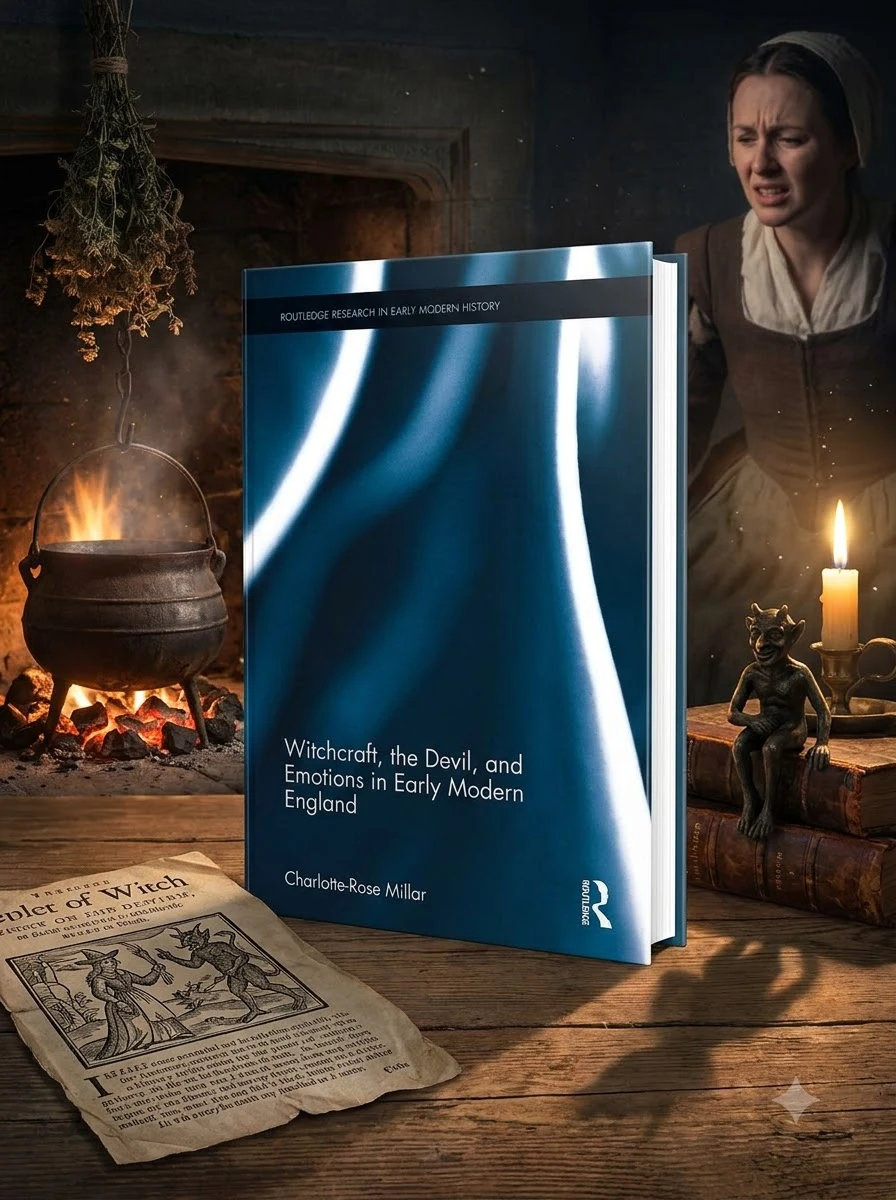
 91
91
 90
90
 90
90
 90
90