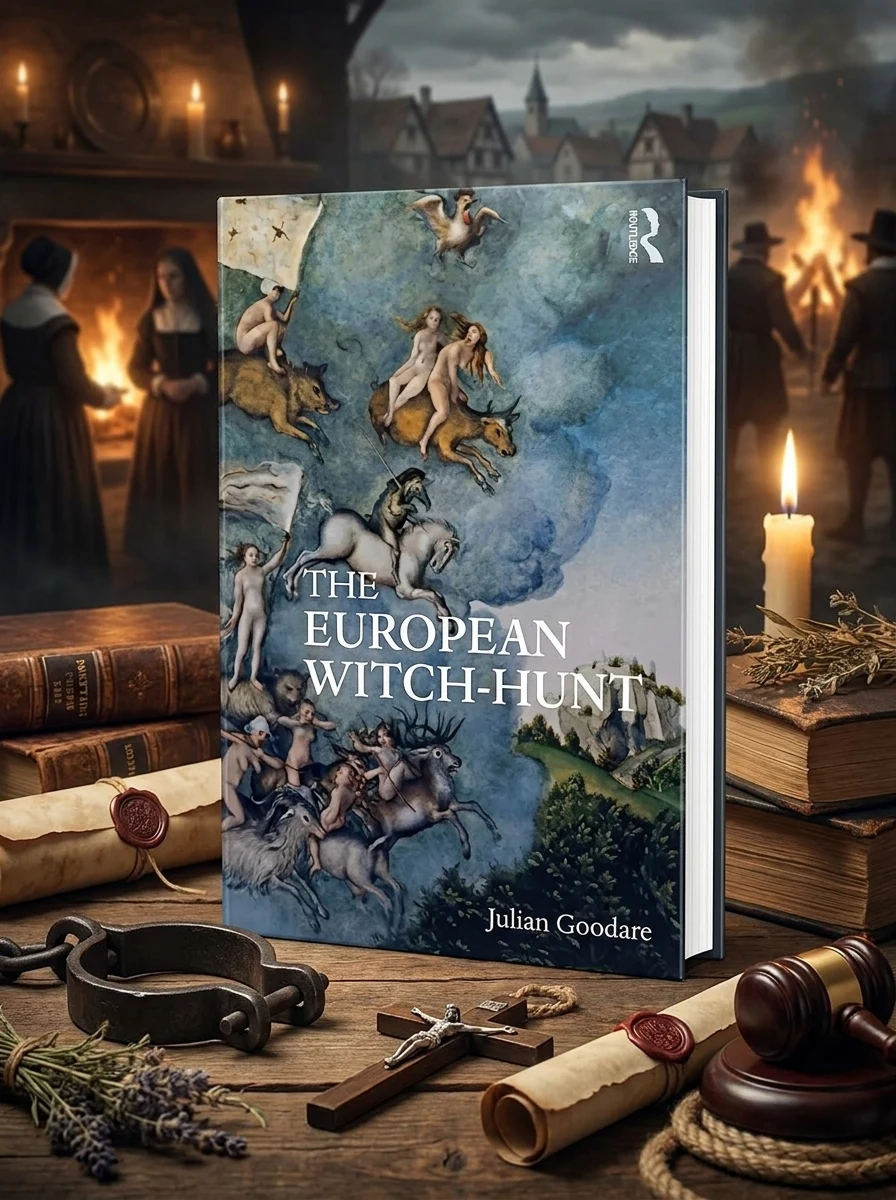
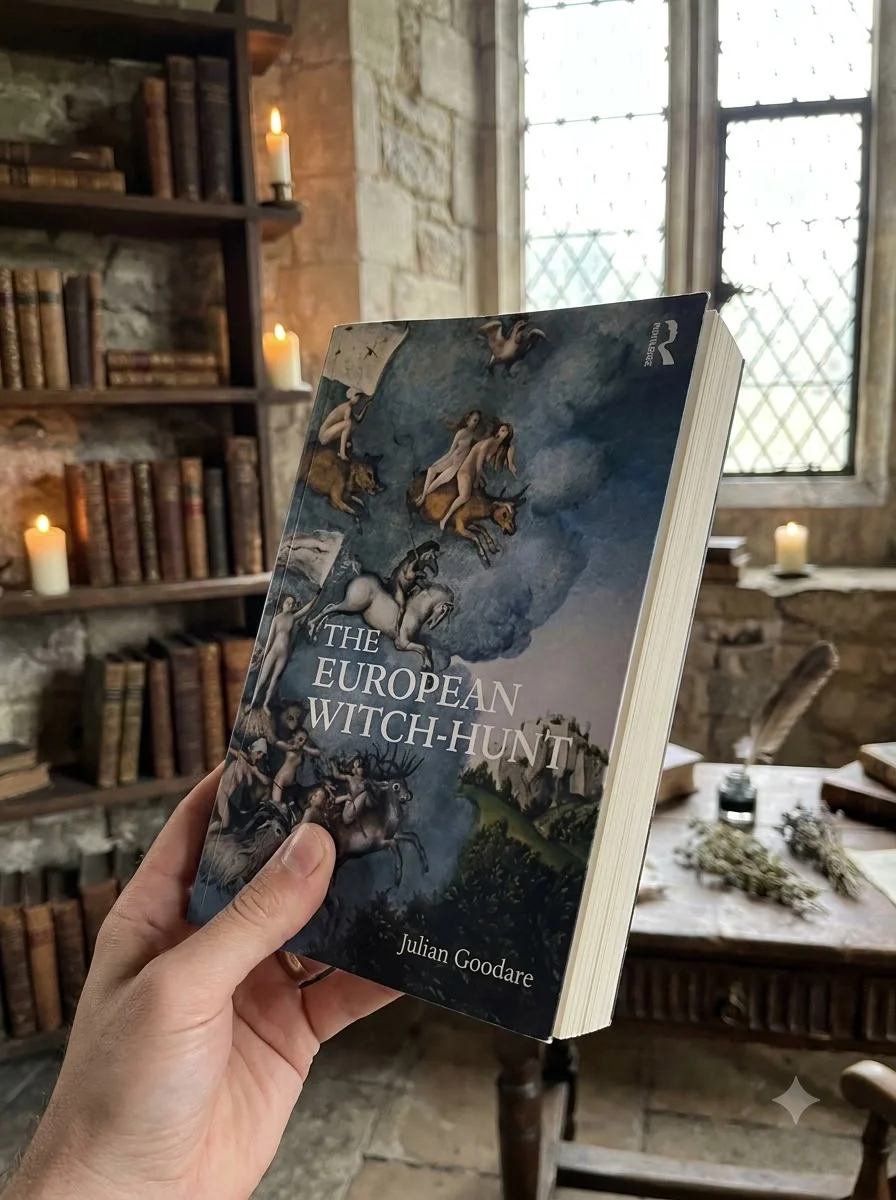
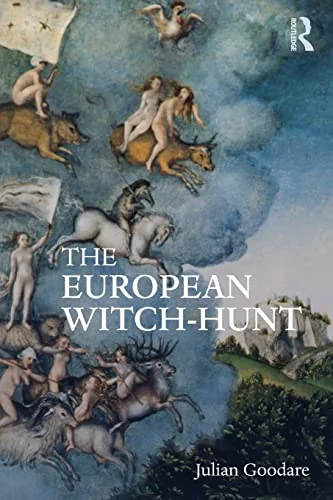
The European Witch-Hunt
✍️ Goodare, JulianJulian Goodare meticulously dissects the mechanisms of the European witch-hunts, a dark period spanning three centuries where thousands, predominantly lower-class women, faced torture and execution. This comprehensive study integrates historical, sociological, and psychological perspectives to illuminate the ideological underpinnings of this persecution. Goodare argues that the witch-hunt was an ideologically-driven phenomenon orchestrated by the 'godly state' during the Reformation and Counter-Reformation, deeply entwined with local village politics and gender issues. It reveals the legal rationale behind torture and the critical role of panicking local elites, rather than central governments, in fueling the terror.


📝 Description: The European Witch-Hunt
📑 What's inside
- Introduction: THE WITCH-HUNT AND YOU
- Chapter 1: WITCHCRAFT!
- Chapter 2: TOWARDS WITCH-HUNTING
- Chapter 3: WITCHCRAFT AND THE INTELLECTUALS
- Chapter 4: WITCHES IN THE COMMUNITY
- Chapter 5: WITCHCRAFT AND FOLK BELIEF
- Chapter 6: WITCHES AND THE GODLY STATE
- Chapter 7: WITCHES IN COURT
- Chapter 8: THE DYNAMICS OF WITCH-HUNTING
- Chapter 9: WOMEN, MEN AND WITCHCRAFT
- Chapter 10: THE END OF WITCH-HUNTING
- Chapter 11: PERSPECTIVES ON THE WITCH-HUNT
- FURTHER READING
- APPENDIX: INTENSITY OF WITCH-HUNTING IN EUROPE
- INDEX
💎 Expert review
📖 Why choose it
Why this book is worth reading
Readers seeking a rigorous, academic understanding of the European witch-hunts will find this text indispensable. Julian Goodare offers more than just a recounting of events; he dissects the complex interplay between the 'godly state,' local village politics, and gender dynamics that fueled these persecutions. It is particularly valuable for historians and sociologists who wish to understand how legal rationales for torture were justified by panicking local elites rather than central governments. By integrating historical, sociological, and psychological perspectives, Goodare illuminates the ideological underpinnings of this dark period, making it essential for those interested in the structural causes of mass hysteria and state-sponsored violence.
⭐ Reader reviews
Reader rating
Goodare provides a meticulous, albeit dense, analysis of the mechanisms driving the European witch-hunts. The text is intellectually robust, offering deep insights into the ideological motivations of the Reformation era and the specific role of local elites. However, it is strictly an academic study, not a narrative history or a casual overview. Readers looking for dramatic storytelling, accessible prose, or quick historical summaries will find this work dry and overly technical. It demands patience and a strong interest in sociological theory and legal history, making it unsuitable for those seeking light reading or broad generalities about witchcraft.
❓ Frequently asked questions
📖 Who should read this
If you seek a rigorous, multi-faceted understanding of why the witch-hunts occurred, this is for you. Readers interested in early modern history, social justice, the history of women, or the dark side of religious fervor will find this analysis indispensable.
🎯 Key themes and symbolism
Ideology and State Power
Goodare posits that the witch-hunts were not random acts of cruelty but a calculated, ideologically-charged campaign by emerging 'godly states.' During the religious upheaval of the Reformation and Counter-Reformation, the state leveraged spiritual purity and moral order to consolidate power, transforming perceived dissent or deviance into a diabolical conspiracy that justified extreme persecution.
Social Dynamics and Gender
The book delves into the granular reality of village life, highlighting how local social tensions and community disputes often provided fertile ground for accusations. It offers a nuanced exploration of why women, particularly those from lower social strata, became disproportionate targets, examining the intersection of gender, power imbalances, and prevailing societal anxieties within these communities.
Belief Systems Explored
Goodare distinguishes between the widespread folk beliefs about local healers or malefic magic and the more sophisticated, intellectual demonology propagated by elites. He shows how these two distinct belief systems converged, with the latter often manipulating and escalating the former, transforming village quarrels into evidence of a grand, diabolical conspiracy sanctioned by religious and legal authorities.
📜 Historical context
📚 Glossary
- Godly State
- Reformation
- Panicking Local Elites
📔 Questions to reflect on
- How does understanding the 'godly state' model shift your perspective on the motivations behind historical persecutions, including but not limited to witch-hunts?
- Reflect on the role of local community dynamics and gender in historical injustices. What parallels, if any, can you draw to contemporary social conflicts?
- Goodare notes the decline of witch-hunting as ideological pressure waned. What does this suggest about the relationship between ideology, power, and societal violence?