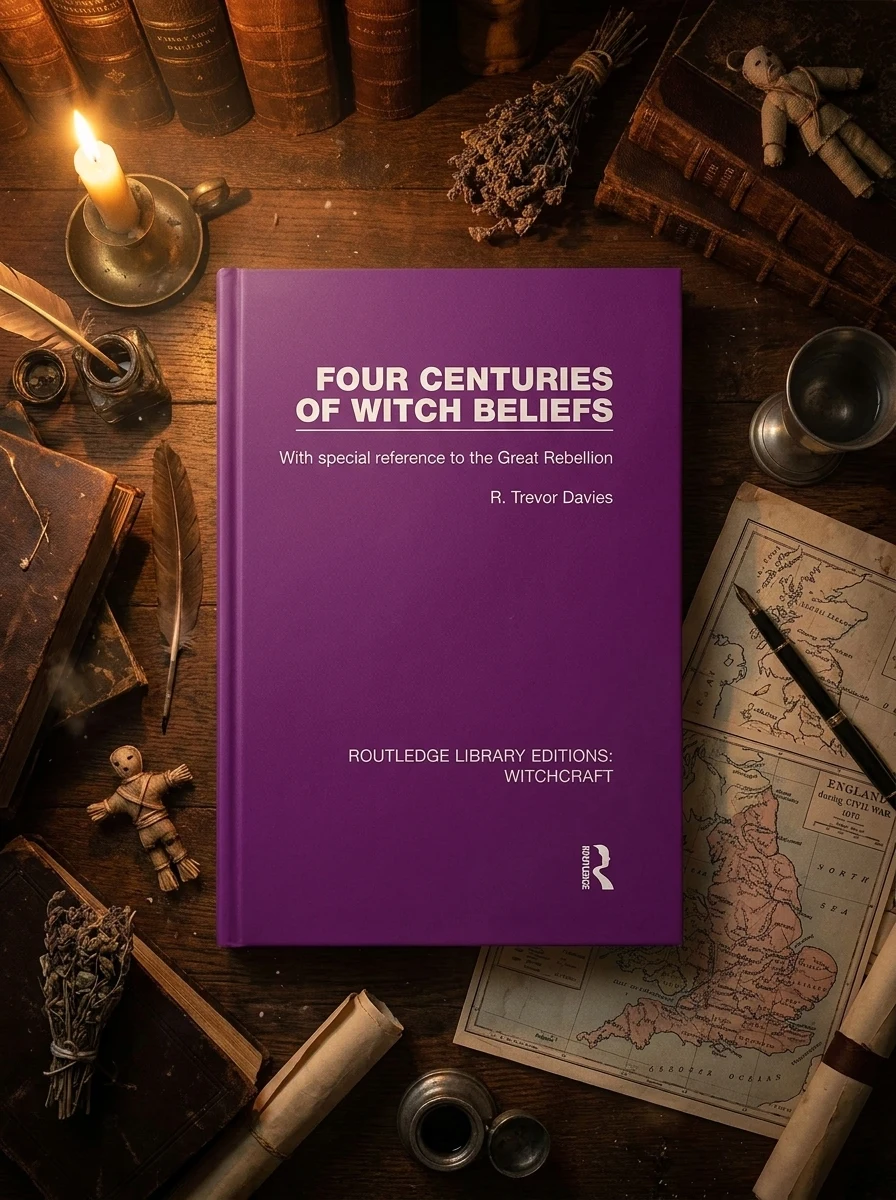
Four Centuries of Witch Beliefs (Rle Witchcraft) Davies, R
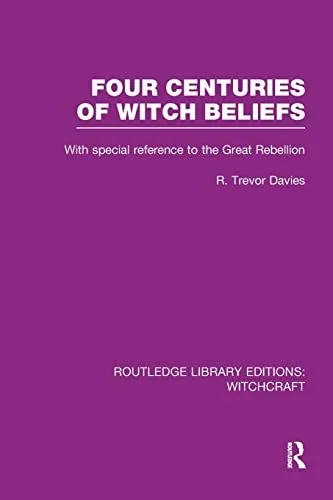
✍️ Davies, ROriginally published in 1947, this insightful volume delves into the complex role of witchcraft beliefs during the Elizabethan and Stuart periods in England. R. Davies meticulously examines how leading politicians and thinkers perceived the supernatural, questioning whether these beliefs genuinely influenced significant historical events, including the seismic shifts leading to the Great Rebellion. The book presents the core arguments, both for and against the existence and political impact of witchcraft, allowing readers to grasp the intellectual landscape of the era.


📝 Description: Four Centuries of Witch Beliefs (Rle Witchcraft) Davies, R
💎 Expert review
📖 Why choose it
Why this book is worth reading
Scholars and serious enthusiasts of early modern history will find immense value in this text for its rigorous analysis of how leading politicians and thinkers perceived the supernatural. It is particularly beneficial for those seeking to understand whether witchcraft beliefs genuinely influenced significant historical events, such as the seismic shifts leading to the Great Rebellion. Readers who appreciate a balanced presentation of arguments both for and against the political impact of witchcraft will gain a deeper grasp of the era's complex intellectual landscape. This volume offers essential context for anyone studying the role of fear in governance during the Elizabethan and Stuart periods.
⭐ Reader reviews
Reader rating
Davies provides a meticulous examination of witchcraft beliefs, offering a compelling look at their presence in the halls of power. However, this text is not suitable for casual readers seeking narrative thrills or straightforward folklore tales; it is a dense academic study focused on political perception rather than sensationalism. Those expecting modern witchcraft practices or Wiccan theology will find no relevance here, as the scope is strictly historical and intellectual. It demands patience from readers who prefer accessible prose over rigorous historical argumentation. Nevertheless, for those willing to engage with its scholarly depth, it offers an unparalleled view of how supernatural fears shaped political discourse in early modern England.
❓ Frequently asked questions
📖 Who should read this
If you're a student of English history, a scholar of early modern beliefs, or simply fascinated by the intersection of politics and the occult, this book offers an indispensable, academic perspective. It's for those who seek to understand the historical *impact* of witchcraft, rather than its practice.
🎯 Key themes and symbolism
Political Impact of Witchcraft
This book thoroughly investigates the degree to which witchcraft accusations and fears permeated the political discourse of 17th-century England. It explores whether the alleged magical practices were merely superstitious anxieties or actively manipulated by statesmen to influence public opinion and shape major historical outcomes, such as the English Civil War.
Evolving Societal Perceptions
Davies meticulously tracks the shifting attitudes toward witchcraft among the educated elite and governing classes. The text reveals the dynamic interplay between deeply held traditional beliefs, emerging scientific thought, and the legal frameworks that sought to understand or condemn alleged magical practitioners during a period of profound social and intellectual change.
Historical Argumentation Unveiled
Rather than simply recounting events, the author presents the actual arguments and counter-arguments employed by contemporaries regarding witchcraft. This unique approach allows readers to experience the intellectual debates firsthand, understanding the various rationales and prejudices that underpinned both the prosecution and skepticism surrounding accusations of sorcery.
📜 Historical context
📚 Glossary
- Elizabethan Era
- Stuart Monarchy
- Great Rebellion
📔 Questions to reflect on
- How might a modern understanding of psychology and sociology alter our interpretation of historical witchcraft accusations?
- Consider a contemporary political or social issue. How do current societal anxieties manifest in ways comparable to historical fears of witchcraft?
- Reflect on the power of belief systems, even those deemed irrational, to shape political discourse and historical outcomes, drawing parallels to the book's themes.