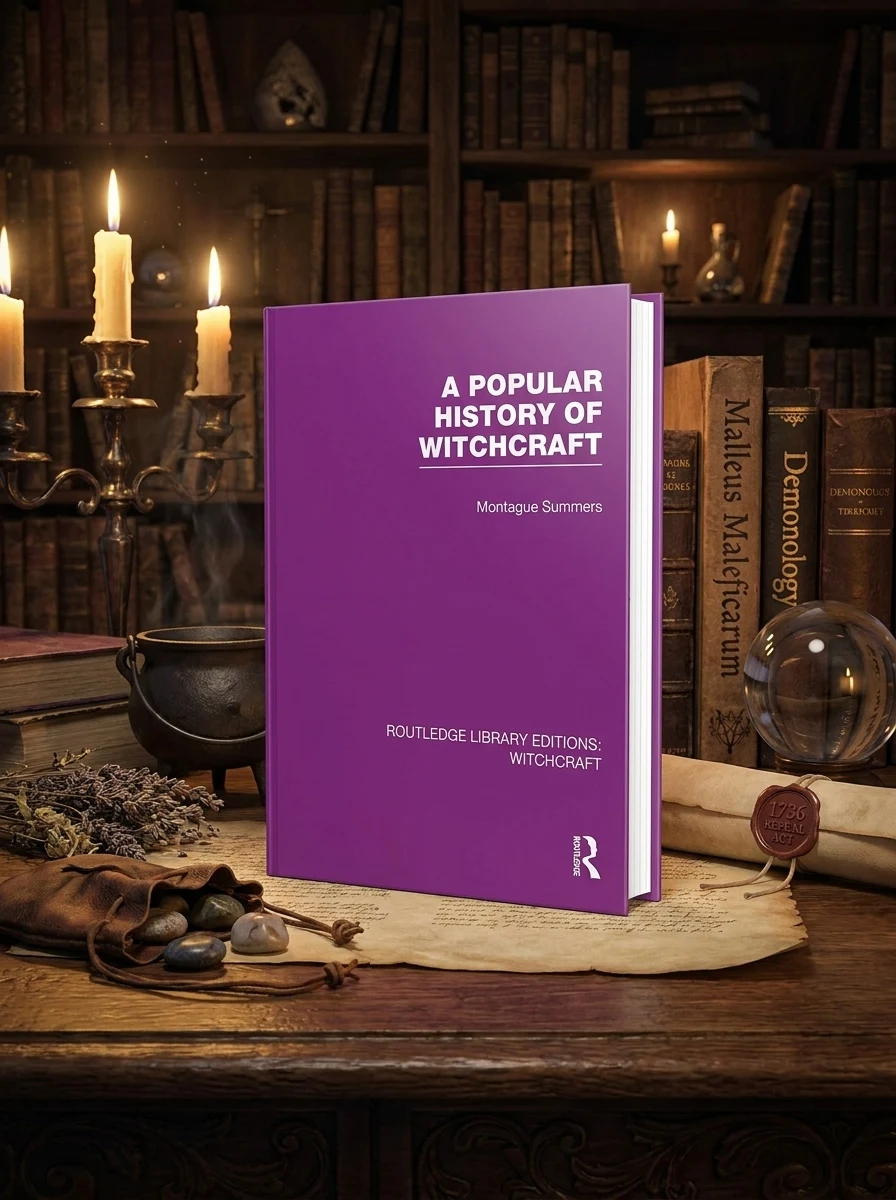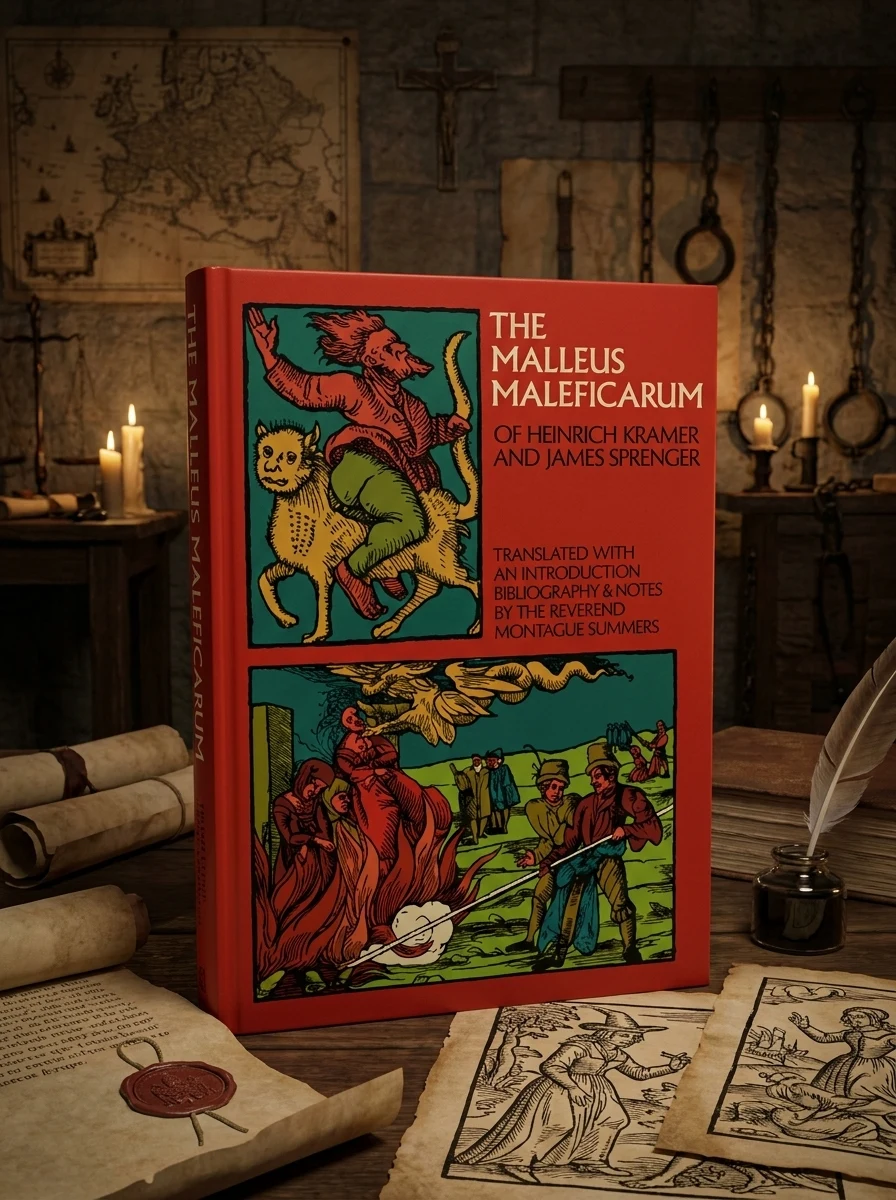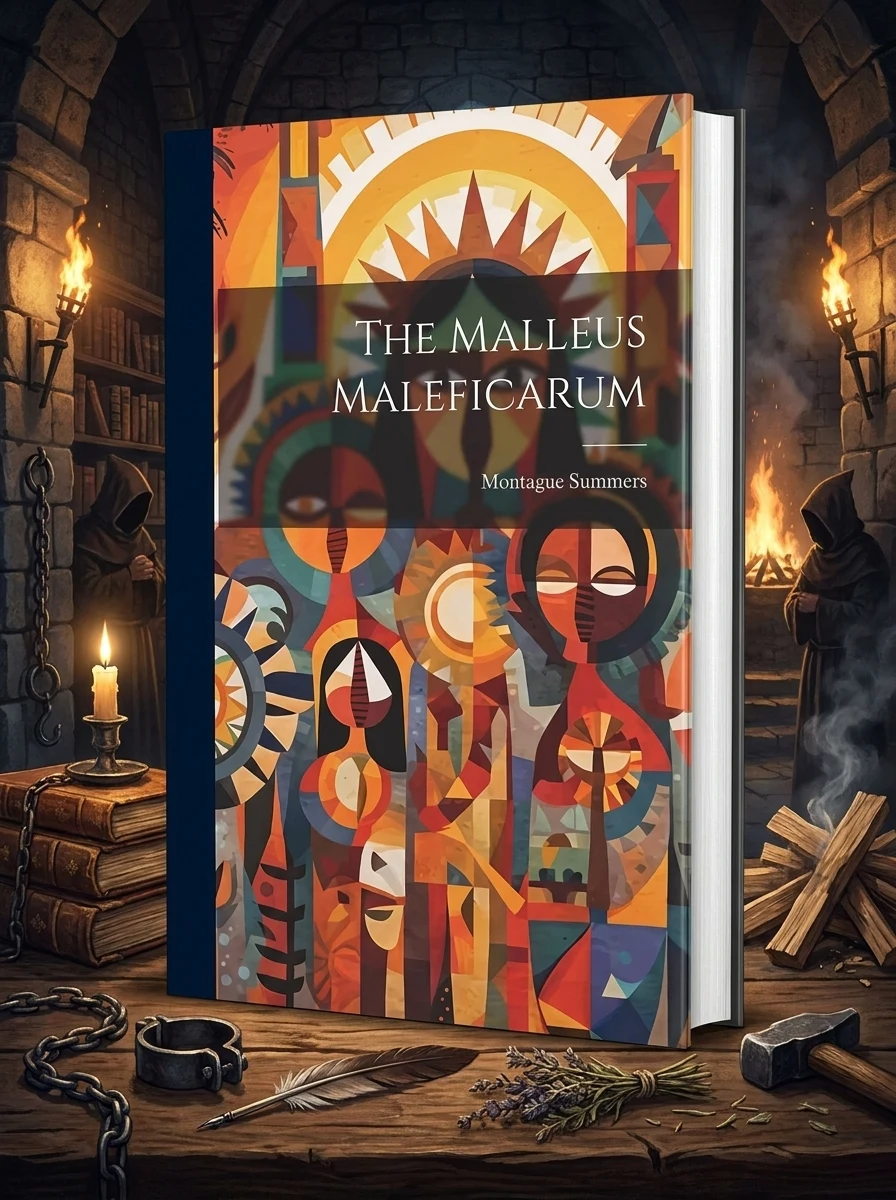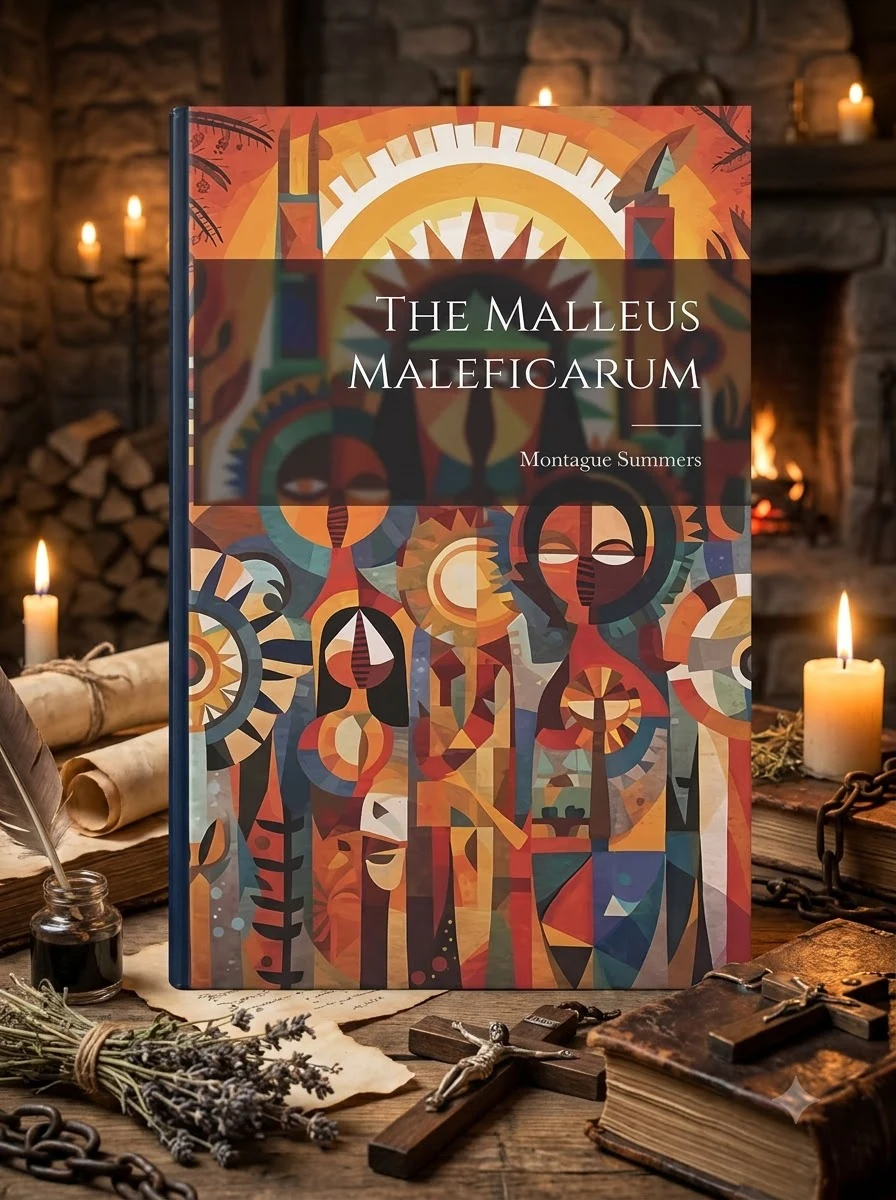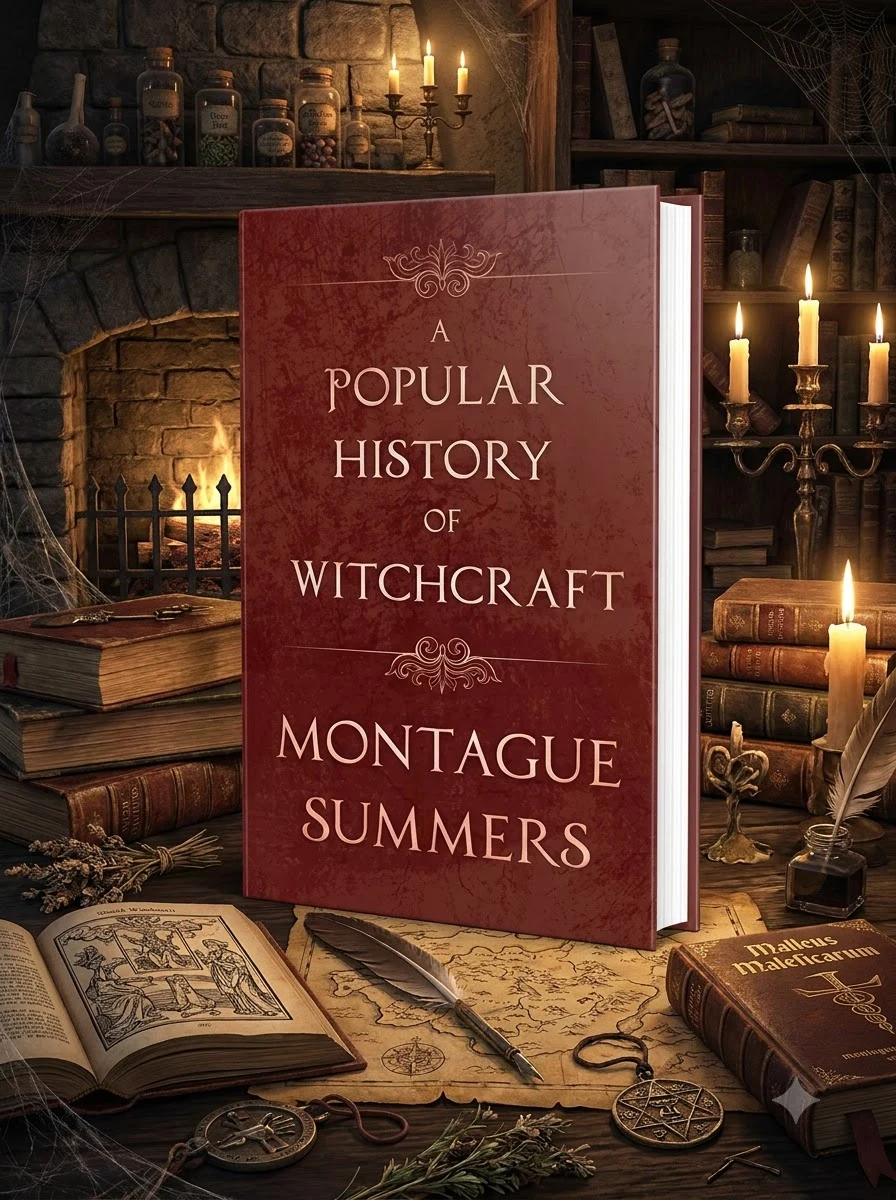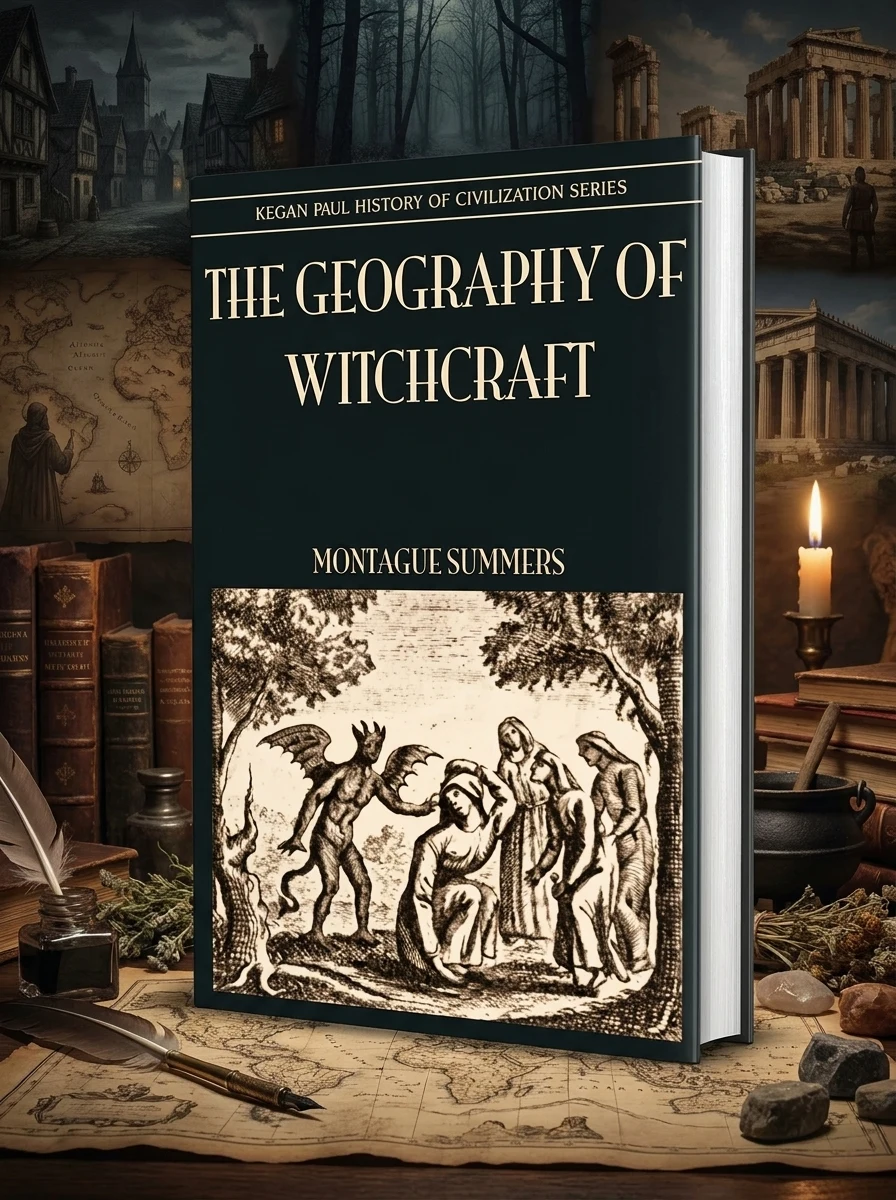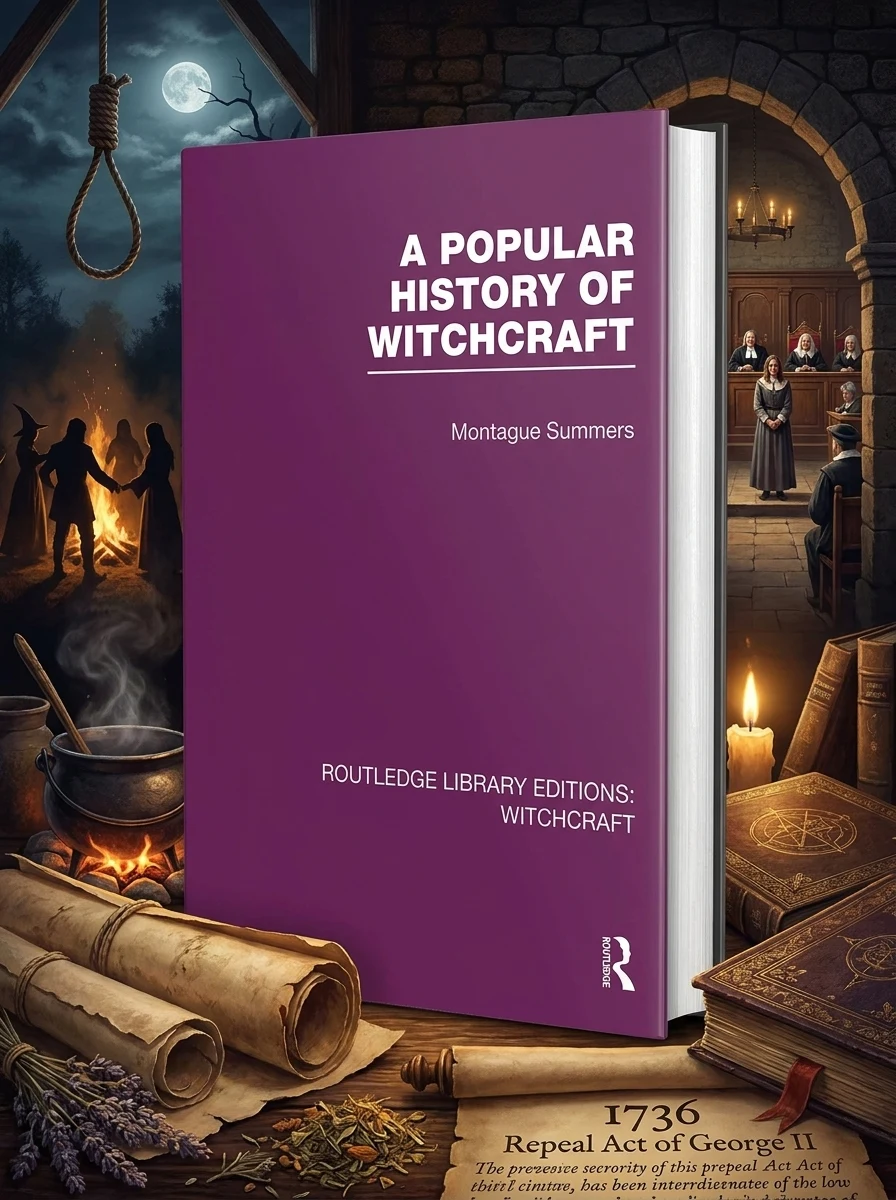
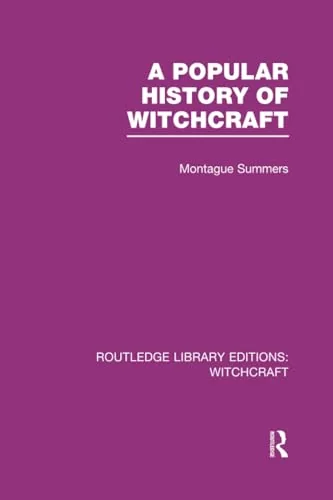
A Popular History of Witchcraft (Rle Witchcraft) Summers, Montague
✍️ Summers, MontagueA comprehensive historical guide examining global witchcraft practices through the lens of eighteenth century British legal reform.
Montague Summers traces the practices and historical progression of the cult of witchcraft from its inception through to the present day. Writing with the core conviction that all witchcraft remains essentially identical across every geographical location, Summers grounds his study inside the context of the 1736 Repeal Act of George II. The volume covers the detailed examination of regional practices, historical developments, and the legal shifts surrounding the practice over the centuries.
This historical volume sits within social history and magick studies, focusing on the legal landscape framed by the 1736 Repeal Act of George II.


📝 Description: A Popular History of Witchcraft (Rle Witchcraft) Summers, Montague
💎 Expert review
📖 Why choose it
Why this book is worth reading
Readers drawn to the dark, persistent thread of witchcraft woven through human history will find this sweeping chronicle deeply engaging. Montague Summers offers an unparalleled perspective on how magical practices transcend boundaries, making it essential for those interested in the societal impact of various cults. This extensive volume is ideal for scholars and enthusiasts who appreciate meticulous examination of intricate rituals. It provides a singular essence to all magic, appealing to those who seek a comprehensive, albeit controversial, understanding of this enduring phenomenon from its earliest stirrings to modern times.
⭐ Reader reviews
Reader rating
Summers presents a formidable chronicle that posits a unified essence to all magical practices, transcending geographical and temporal boundaries. While his meticulous examination of various cults offers a unique view on societal impact, the text is undeniably controversial. It does not suit readers seeking modern, nuanced interpretations of Wicca or those who prefer academic detachment over Summers' strong personal convictions. The book is best for those willing to engage with its singular, rigid theory rather than diverse contemporary perspectives on witchcraft history.
❓ Frequently asked questions
📖 Who should read this
If you're a serious student of historical occultism, a researcher into social anxieties surrounding magic, or simply fascinated by the enduring cultural narrative of witchcraft from a traditional, often demonological, perspective, this rigorous study awaits your exploration.
🎯 Key themes and symbolism
Universal Witchcraft Essence
Summers provocatively argues that the fundamental nature of witchcraft remains consistent across diverse cultures and eras, suggesting a shared, core practice rather than disparate traditions. He explores how this underlying essence manifests through various rituals and beliefs, linking seemingly unconnected historical instances of alleged sorcery and malefic magic.
Historical Progression of Practice
The author meticulously charts the development and transformation of witchcraft practices over centuries. He offers a detailed chronological account, highlighting how societal attitudes and legal frameworks, such as the significant 1736 Repeal Act in Britain, shaped the understanding and persecution of alleged witches, and how the practices themselves evolved.
The Cult's Detailed Practices
This work provides an in-depth look into the specific rites, customs, and organizational structures attributed to witchcraft "cults." Summers endeavors to expose the intricate details of their alleged operations, offering a comprehensive, if biased, portrayal of their activities and influence throughout history, from ancient times to the modern era.
📜 Historical context
📚 Glossary
- Witchcraft
- Cult
- 1736 Repeal Act
📔 Questions to reflect on
- How does Summers' assertion of a "universal essence" of witchcraft challenge or reinforce your own understanding of diverse magical traditions?
- Consider the societal implications of classifying certain practices as "witchcraft" throughout history. How does this book inform your view of historical persecution?
- If witchcraft is indeed a consistent phenomenon as Summers suggests, what deeper human impulses or societal conditions might account for its persistent appearance across ages?