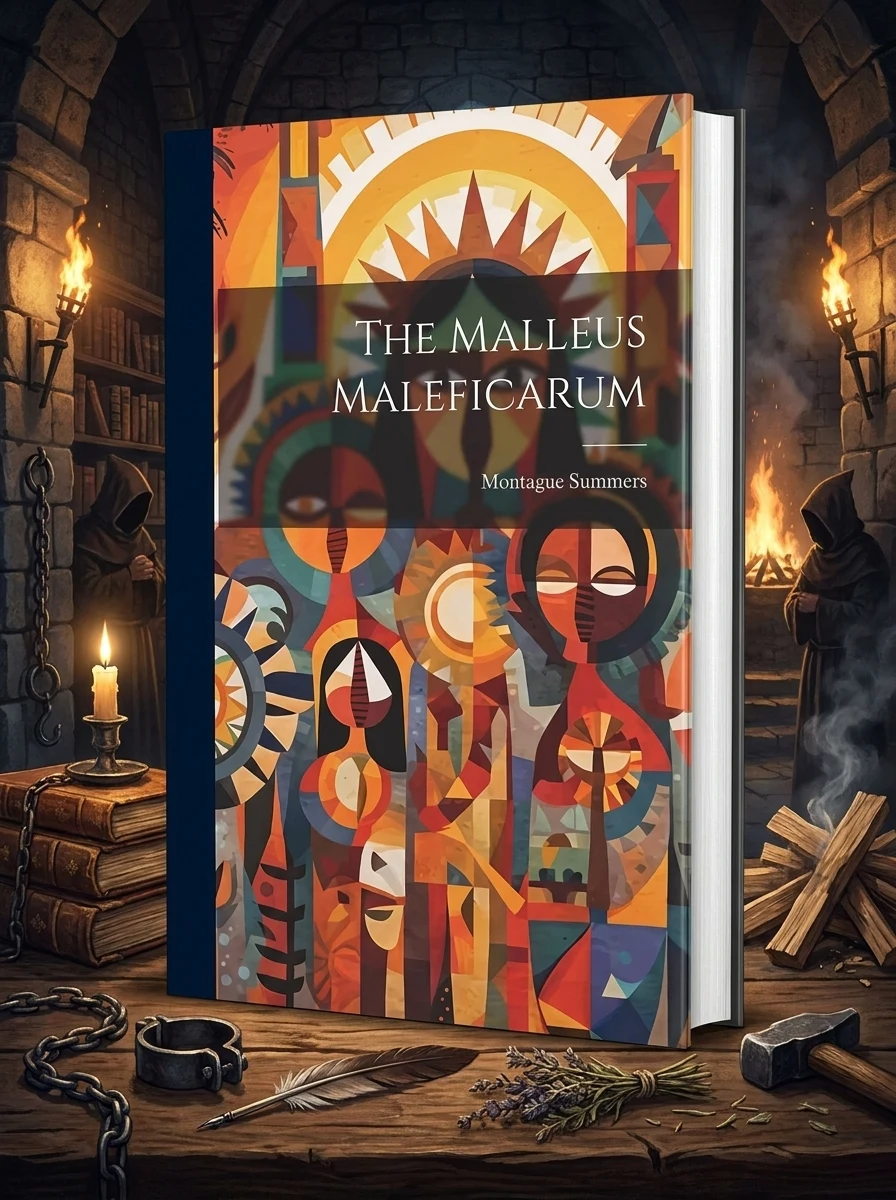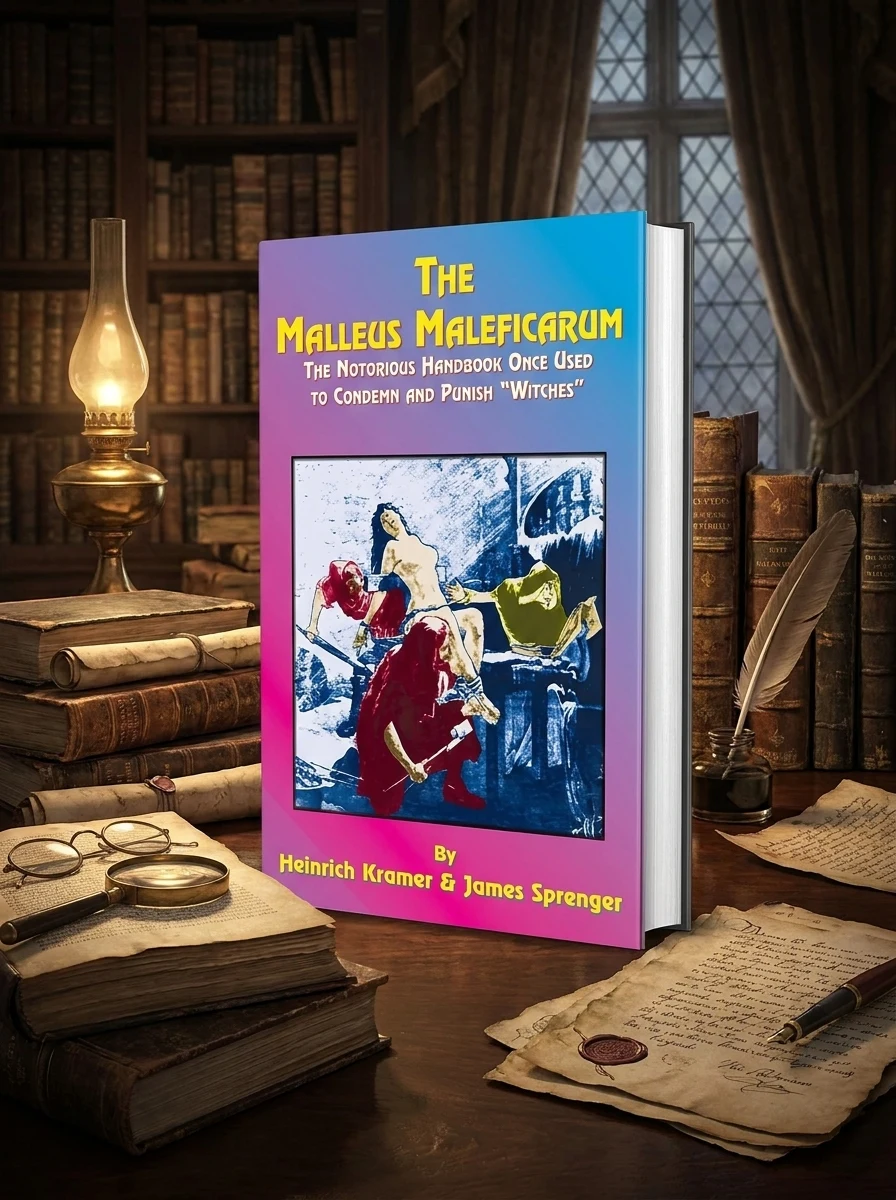
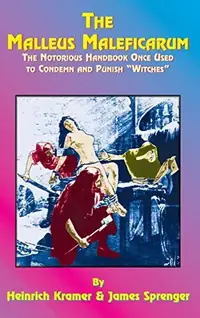
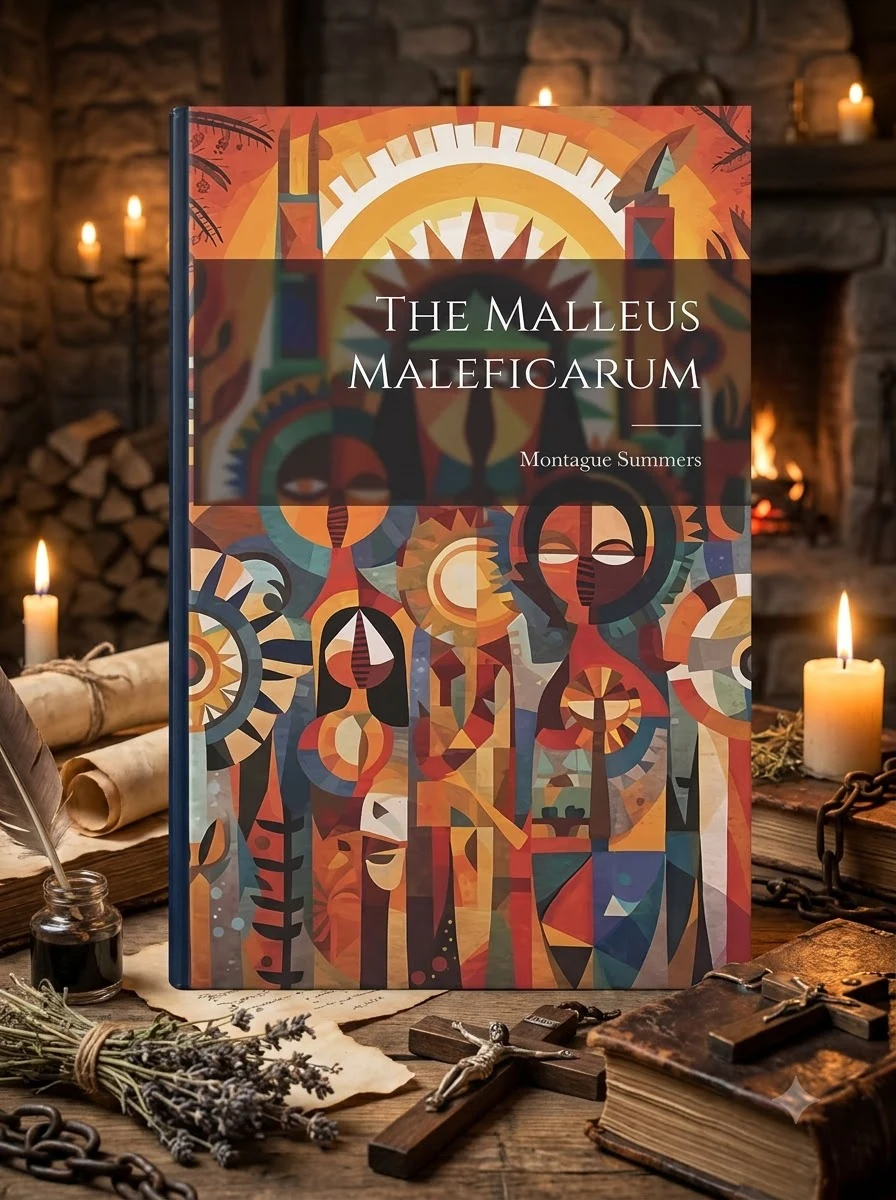
The Malleus Maleficarum
Summers, MontagueStock reported in the catalog; fulfillment is confirmed with your request.
A chilling 15th-century manual detailing the systematic persecution of women accused of witchcraft.
Montague Summers presents a facsimile of the infamous 1486 inquisitorial text, offering scholars direct access to the theological and legal arguments that fueled the European witch hunts. This edition preserves the original Latin and early vernacular contexts, allowing readers to examine the primary sources of anti-witchcraft doctrine without modern filtering. It serves as a stark historical document, revealing the intersection of medieval theology, patriarchal anxiety, and judicial brutality that defined an era of intense spiritual and social persecution across the continent.
This work serves as a critical primary source within the history of European witchcraft persecution, documenting the theological and legal frameworks that justified the systematic targeting of accused women in the late medieval period. It stands as a stark artifact of the intersection between medieval theology, patriarchal anxiety, and judicial brutality.


📝 Description: The Malleus Maleficarum
💎 Expert review
📖 Why choose it
Why this book is worth reading
Scholars, historians, and serious students of occult history will find immense value in this direct access to the foundational texts that shaped centuries of spiritual persecution. By presenting Montague Summers' facsimile edition, readers can examine the unfiltered theological and legal arguments used against accused witches without modern interpretation obscuring the original intent. This book is essential for those seeking to understand the mechanics of anti-witchcraft doctrine and the specific historical conditions that allowed such widespread judicial brutality. It offers a raw, unvarnished look at the patriarchal anxieties of the era, providing crucial context for understanding the evolution of witchcraft studies and the societal fears that drove the European witch hunts. For researchers, it is an indispensable tool for grasping the severity and scope of these historical events.
⭐ Reader reviews
Reader rating
This has been on my wishlist for months. The ideas are old but land with surprising force today. Great value for what you get.
Took a chance on this and glad I did. The text itself is dense but rewarding — you get out what you put in. It assumes more background than a beginner might have. Happy enough with the purchase.
A friend in my study group recommended this one. Some chapters demand a slow, careful read, and that's exactly the point. It connects ideas I'd only seen treated separately elsewhere. Recommended with reservations.
Added this to my reference shelf. The symbolism is layered and generous to patient readers. My only regret is not ordering it sooner.
I keep coming back to this one. Some chapters demand a slow, careful read, and that's exactly the point. Not a light read, but far more accessible than I feared.
This edition finally does the material justice. The historical context alone makes it worth the price. The text itself is dense but rewarding — you get out what you put in.
This edition finally does the material justice. Some sections stopped me cold in the best way. Would buy from this store again.
This facsimile edition provides a stark, unfiltered look at the 1486 inquisitorial text, preserving the original Latin and early vernacular contexts that fueled European witch hunts. It is an invaluable resource for scholars examining the intersection of medieval theology and judicial brutality against accused women. However, it does not suit readers seeking modern Wiccan practice guides or sympathetic narratives of witchcraft; those looking for spiritual comfort or contemporary occult theory will find this text cold, legalistic, and historically dense. The work is strictly a historical document revealing patriarchal anxiety and theological arguments, lacking the warmth or practical application found in esoteric manuals. Readers must approach it with an academic mindset to appreciate its significance as a primary source of anti-witchcraft doctrine rather than a guide for practice.
❓ Frequently asked questions
📖 Who should read this
Readers interested in the history of religious intolerance, the legal mechanisms of the Inquisition, and the socio-political roots of anti-witchcraft sentiment. Scholars of medieval theology and those examining the intersection of gender and power in early modern Europe will find this primary source indispensable.
🎯 Key themes and symbolism
Inquisitorial Legalism
The text operates as a judicial manual, outlining specific procedures for identifying, interrogating, and punishing heretics. It details the legal frameworks used to bypass standard protections, showing how religious authority was weaponized to create a system of terror that prioritized confession over truth.
Gendered Persecution
Central to the work is the assertion that women are inherently more susceptible to demonic influence due to their perceived moral weakness. This theological premise justifies the disproportionate targeting of female practitioners, framing female sexuality and independence as direct threats to the church and social order.
Demonic Pacts
The narrative relies heavily on the concept of explicit contracts with Satan, describing rituals of apostasy and sexual union with demons. It constructs a comprehensive mythology of the witch’s cabal, emphasizing the inversion of sacred rites and the deliberate rejection of divine grace in favor of infernal power.
💬 Quotes from the book
“First, it is necessary to enquire whether the thing done was by the operation of nature, or by the operation of the devil.”
“Women are naturally more credulous, and therefore all witchcraft is to be rejected from women as it is a thing repugnant to the female sex.”
📜 Historical context
📚 Glossary
- Inquisitorial Process
- Unction
- Sabbath
📔 Questions to reflect on
- How does the language of legal procedure in this text serve to legitimize violence against marginalized groups?
- In what ways does the text construct a mirror image of Christian sacraments through its description of demonic rituals?
- How might the historical fear of female autonomy described here echo in modern societal structures?
✍️ More books by this author Summers, Montague
All books by this author →
 88
88
 85
85
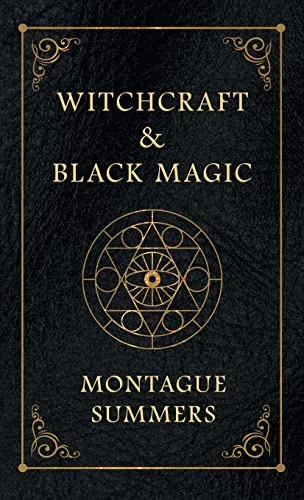 86
86
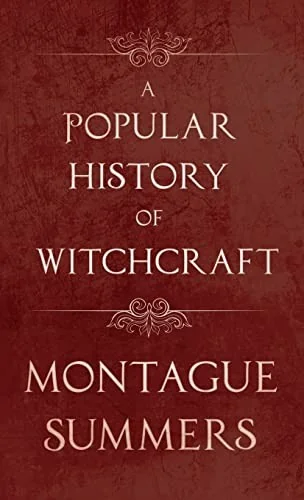 83
83
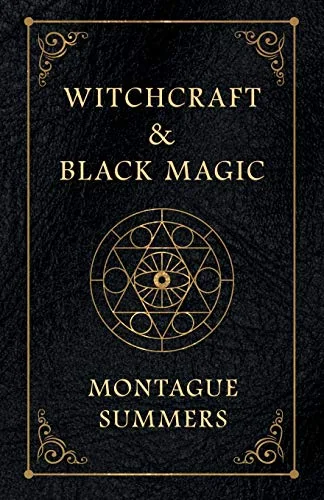
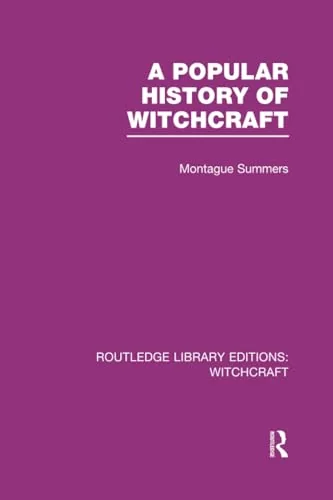
🏛 Books from this publisher Book Tree
All books from this publisher →
 90
90


You might also like
See more → 91
91
 88
88