
Principles of Astrology
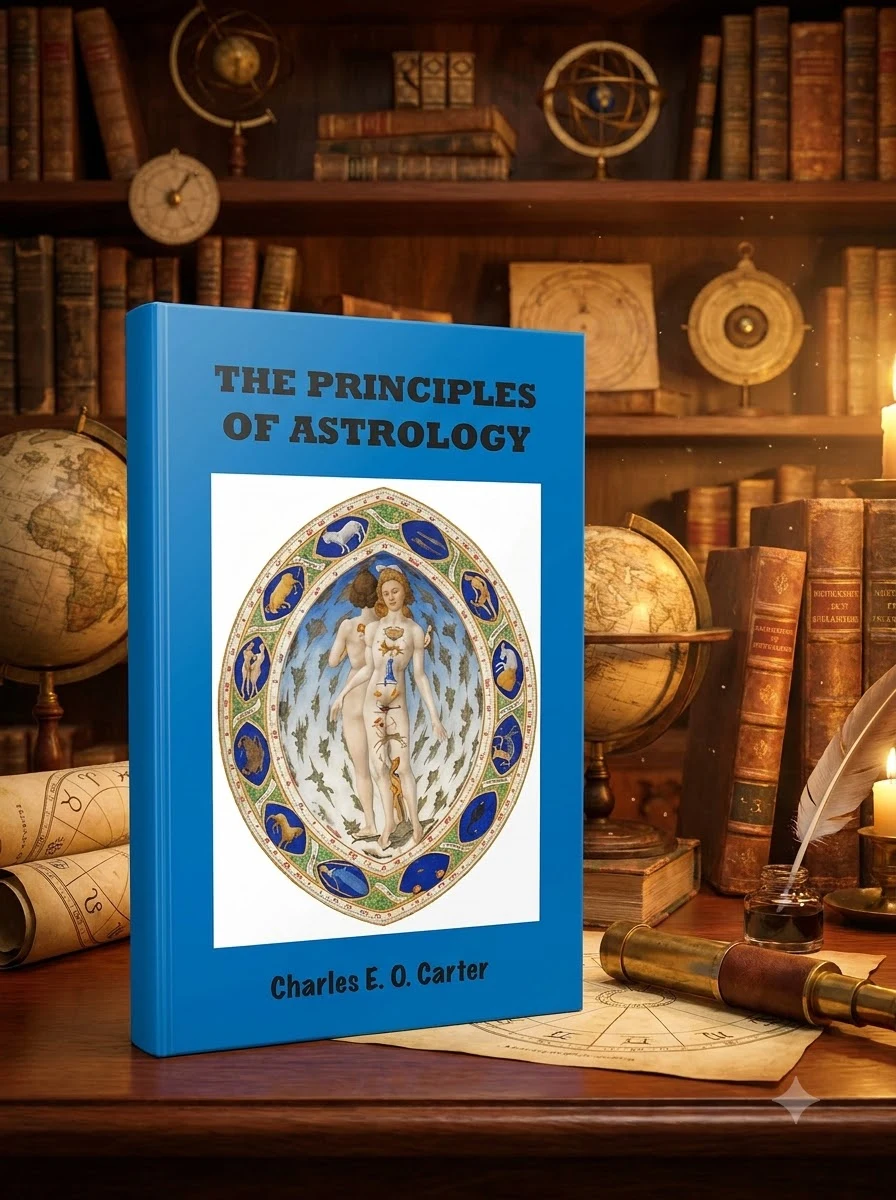
✍️ Carter, Charles E OA step-by-step instructional manual on signs, houses, and horoscope construction by Charles Carter.
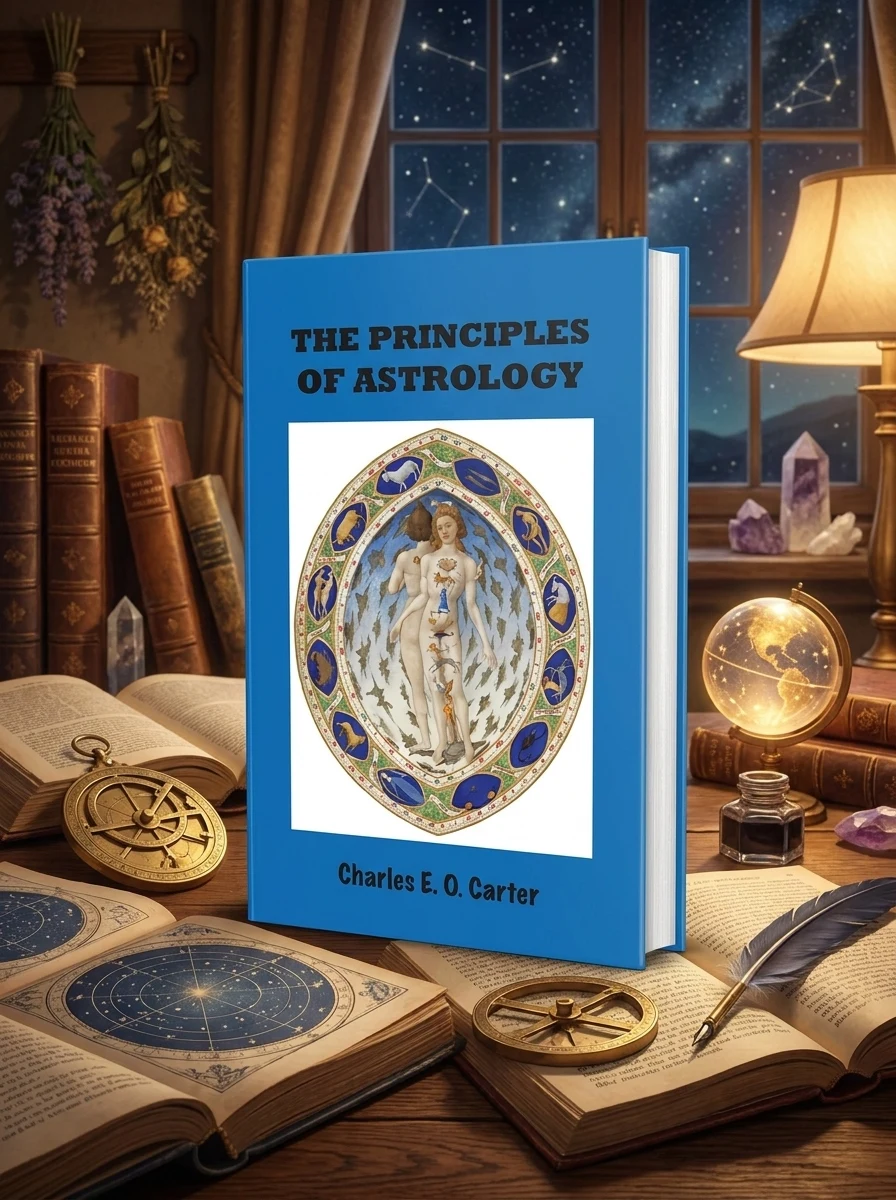
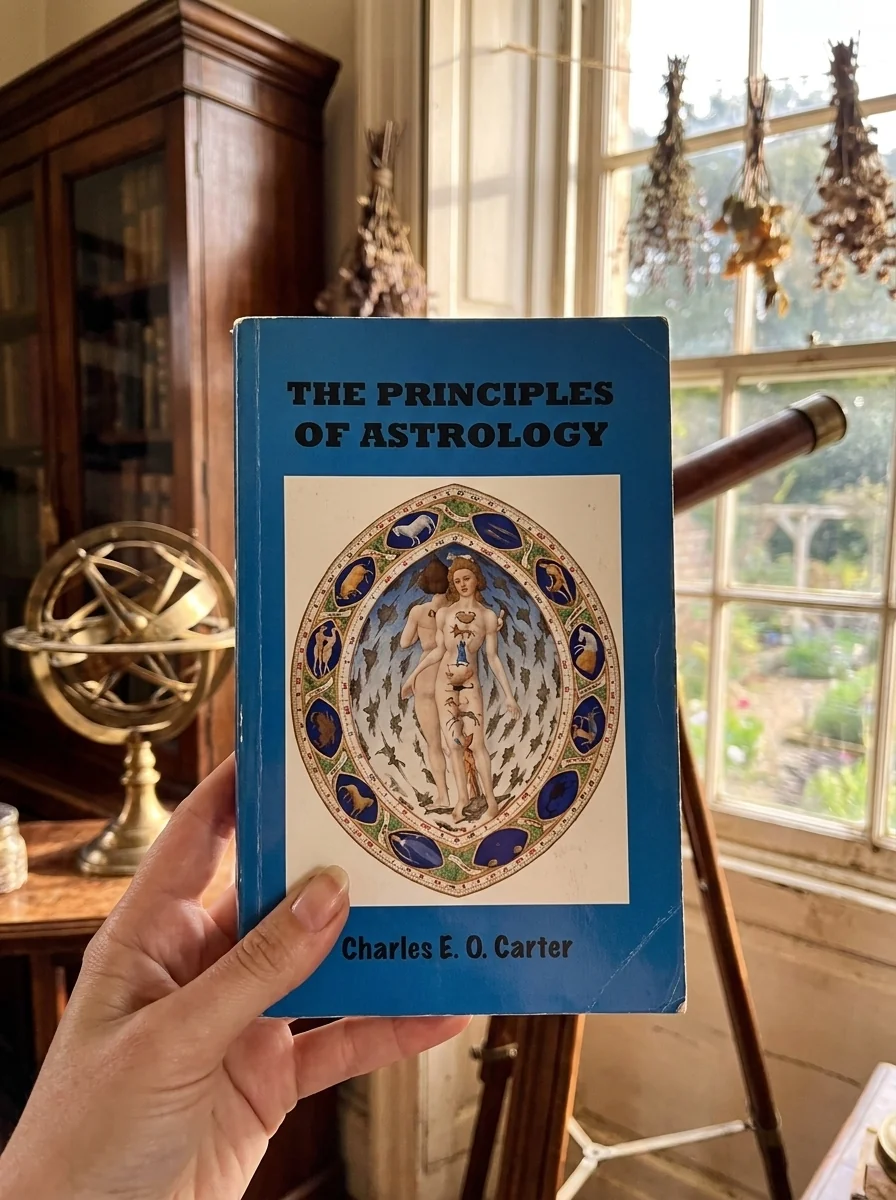
This volume provides a systematic path for building astrological charts. It addresses the confusion that often hinders study by presenting basic principles in an orderly sequence. Chapter one covers the fundamental parts: signs, planets, houses, and aspects. Chapter two guides the reader in putting together an actual horoscope. Later chapters present more detailed explanations, equipping the student with the methods required to interpret horoscopes with high proficiency. Because modern astrological writings drew significantly on Carter's material, the book functions as a direct source for foundational techniques.
Long viewed as a primary reference for beginner and intermediate students, this work represents an original source that informed many modern texts on astrology. Book Tree issued this hardcover edition on September 01, 2018.


📝 Description: Principles of Astrology
💎 Expert review
📖 Why choose it
Why this book is worth reading
This volume is an indispensable resource for novices and intermediate students who wish to move beyond superficial sun-sign horoscopes and grasp the structural integrity of natal chart analysis. Readers seeking a logical, step-by-step framework will find immense value in Carter’s methodical dismantling of astrological complexities. By systematically introducing core tenets such as signs, planets, houses, and aspects, the book empowers enthusiasts to interpret celestial influences with precision and confidence. It is particularly suited for those who appreciate a rigorous, educational approach to the occult sciences, offering a robust foundation that supports deeper exploration into the cosmic arts without overwhelming the learner with unnecessary jargon or abstract mysticism.
⭐ Reader reviews
Reader rating
Carter’s work is a commendable pedagogical instrument that successfully clarifies the mechanical aspects of astrology for serious students. Its strength lies in its progressive structure, which builds confidence through clear, actionable steps. However, readers seeking poetic interpretation, psychological depth, or mystical revelation will likely find this text dry and overly technical. It is not suited for those who prefer intuitive or symbolic approaches over analytical construction. While it lacks the flair of literary astrology, it remains a critical reference for understanding the 'how' behind the practice. Ultimately, it is a functional manual rather than an inspiring manifesto, best appreciated by those focused on accuracy and structural comprehension rather than aesthetic experience.
❓ Frequently asked questions
📖 Who should read this
If you've felt daunted by the vastness of astrology or seek a truly coherent, step-by-step introduction, this book is for you. Aspiring astrologers and those wishing to solidify their intermediate understanding will find Carter's teachings invaluable for building a profound, practical grasp of the craft.
🎯 Key themes and symbolism
Building Astrological Foundations
Carter meticulously structures the learning process, beginning with the irreducible elements of astrology. He ensures that readers grasp the individual meanings of planetary influences, zodiacal archetypes, house placements, and the dynamics of aspects before attempting synthesis. This methodical approach guarantees a solid intellectual bedrock for all subsequent study and practice, making complex ideas manageable.
Demystifying Celestial Mechanics
Recognizing that astrology can often appear daunting, Carter's primary aim is to strip away unnecessary jargon and convoluted explanations. He translates intricate cosmic principles into easily digestible lessons, making the often-abstract world of celestial mechanics accessible. His clear prose illuminates pathways to understanding that might otherwise remain obscured, fostering genuine comprehension over rote memorization.
Practical Chart Interpretation
Beyond theoretical understanding, the book empowers the reader to actively engage with astrological practice. Starting with the basics in chapter one, it quickly moves to assembling a horoscope in chapter two, then elaborates on interpretative nuances. The goal is not just knowledge acquisition, but the development of a proficient skill set in chart work, enabling readers to confidently analyze birth charts.
📜 Historical context
📚 Glossary
- Aspects
- Houses
- Horoscope
📔 Questions to reflect on
- Reflect on a personal experience where understanding a basic principle would have clarified a complex situation. How might this apply to your astrological studies?
- Consider how a 'step-by-step' approach could transform an area of your life you currently find overwhelming. What is your first step?
- After learning about the core components of a horoscope, what part of your own natal chart are you most curious to explore first, and why?