The Devil's Pulpit
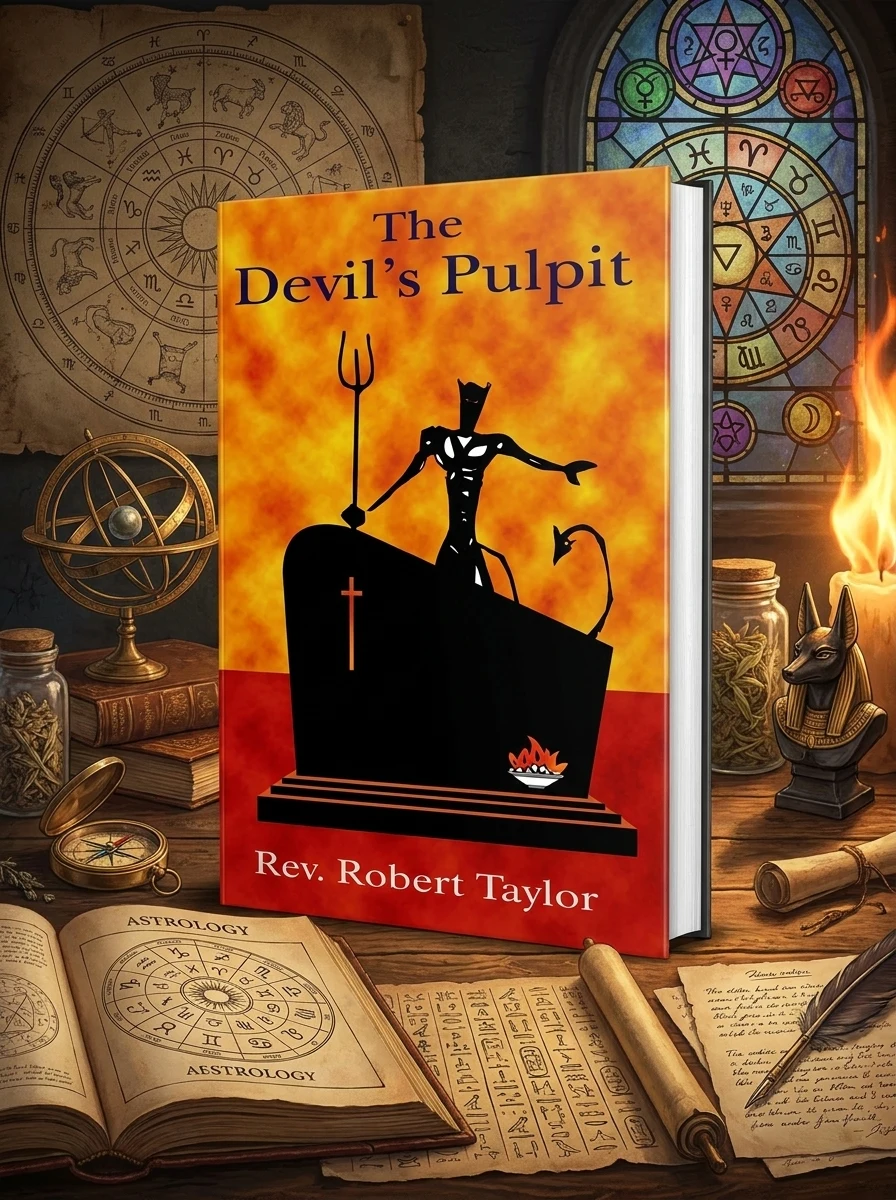
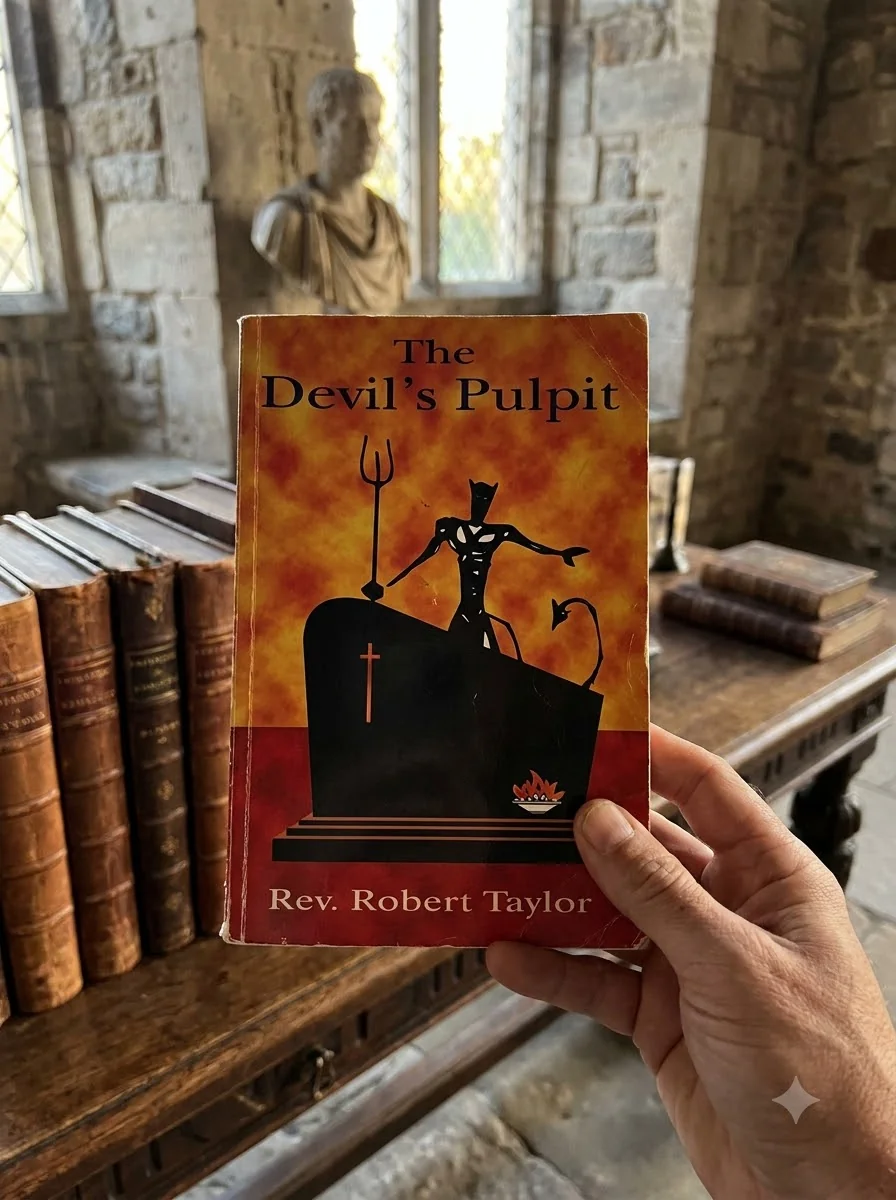
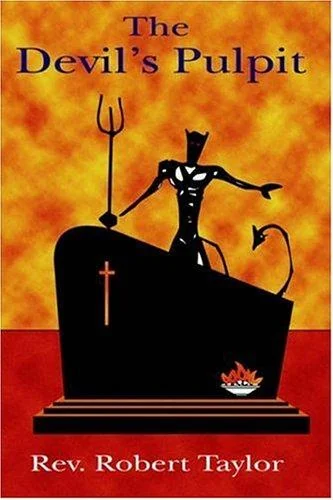
Step into the fiery discourse of Reverend Robert Taylor, whose "The Devil's Pulpit" meticulously dissects the historical foundations of Christian doctrine. Originally a doctor turned Anglican clergyman, Taylor's insatiable quest for truth led him to postulate that many core Christian tenets and rituals are direct descendants of far older pagan and Egyptian traditions. This provocative collection, which cost him his clerical status and freedom, challenges conventional interpretations of Jesus, the apostles, and the profound, often overlooked, role of astrology in early religious symbolism. It's a foundational text for radical religious critique.


📝 Description: The Devil's Pulpit
💎 Expert review
📖 Why choose it
Why this book is worth reading
Readers fascinated by the hidden histories of religious symbolism and the intersection of astrology and early doctrine will find this text invaluable. It offers a unique perspective for those interested in how ancient Egyptian and pagan traditions influenced Christian tenets, providing a rigorous intellectual challenge that rewards patience with profound insights into the origins of faith. If you enjoy unmasking the architectural foundations of belief systems through historical analysis, this book provides a daring, uncompromising look at the past.
⭐ Reader reviews
Reader rating
Taylor’s 'The Devil's Pulpit' is a formidable, albeit niche, contribution to esoteric history. While its audacious claims regarding pre-biblical origins are intellectually stimulating for skeptics and historians of religion, it may alienate devout believers or those seeking straightforward theological commentary. The text demands a critical mindset and an appetite for controversial historical revisionism. It is not suitable for readers who prefer comforting, traditional narratives of Christian continuity or those uncomfortable with direct attacks on foundational religious figures.
❓ Frequently asked questions
📖 Who should read this
For the intrepid seeker who dares to question established religious narratives, or anyone fascinated by Christianity's historical and esoteric roots. If you crave intellectual provocation and a rigorous examination of spiritual origins, this book offers an eye-opening perspective.
🎯 Key themes and symbolism
Ancient Religious Roots
Taylor meticulously argues that Christianity did not emerge in a vacuum, but rather synthesized elements from antecedent belief systems. He traces parallels between Christian narratives and practices, asserting their direct lineage from ancient Egyptian mystery cults and diverse pagan traditions, suggesting a continuity often obscured by later theological developments.
Astrology's Christian Influence
A central tenet of Taylor's work is the profound, yet unacknowledged, connection between astrological symbolism and Christian iconography. He explores how the zodiac and celestial phenomena informed the narratives, figures, and seasonal observances within Christianity, proposing that these astronomical patterns are key to understanding its esoteric underpinnings.
Challenging Dogmatic Orthodoxy
This collection serves as a direct assault on the rigid, unchallenged doctrines prevalent in 19th-century Christianity. Taylor's sermons embody a fearless spirit of inquiry, compelling readers to critically examine established religious narratives and question the absolute authority of institutional faith, even at great personal cost.
📜 Historical context
📚 Glossary
- Blasphemy
- Zodiac
- Paganism
📔 Questions to reflect on
- How does understanding the potential pre-Christian origins of religious symbols or narratives alter your perception of their meaning or significance?
- Reflect on a belief you once held as absolute truth, and consider what it felt like to question its foundations. What were the intellectual and emotional stakes?
- If sacred texts are seen as products of their cultural and historical context, how might this perspective influence contemporary spiritual practice or interpretation?