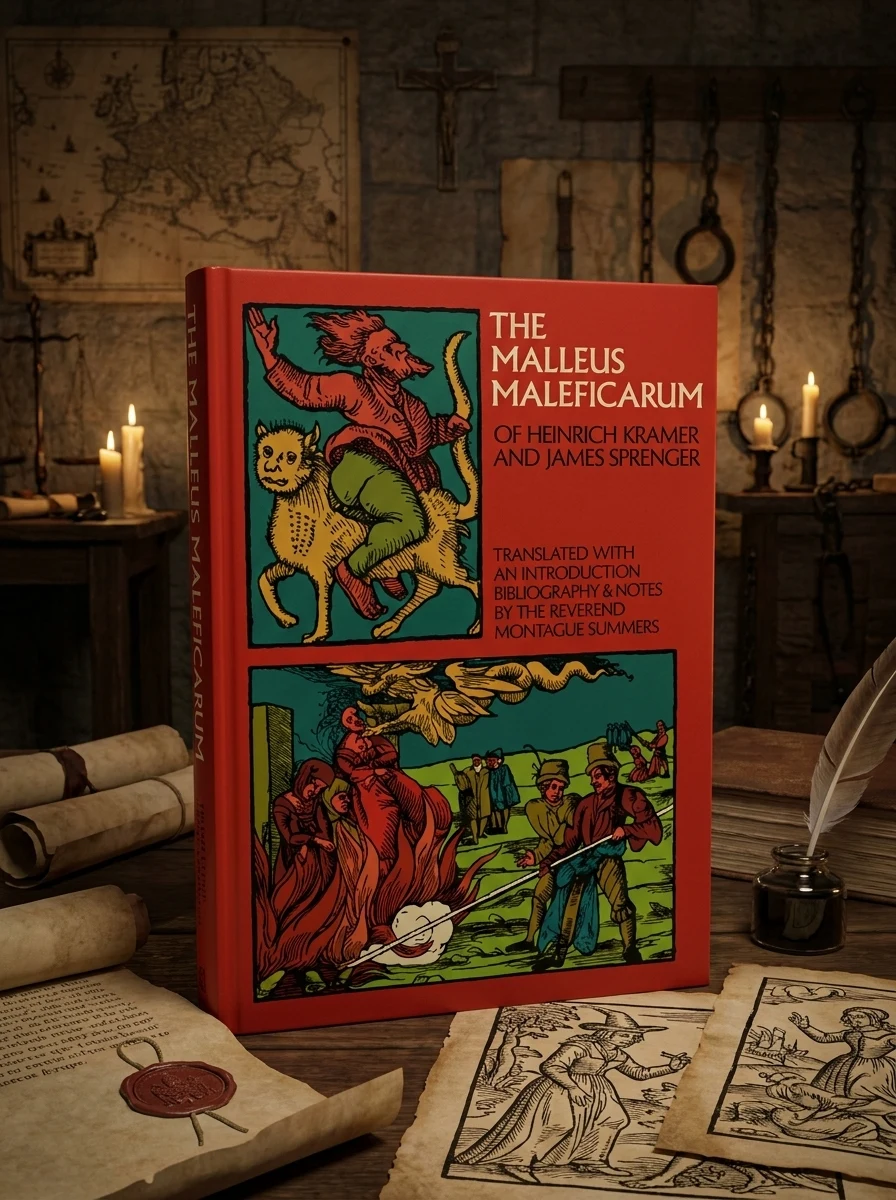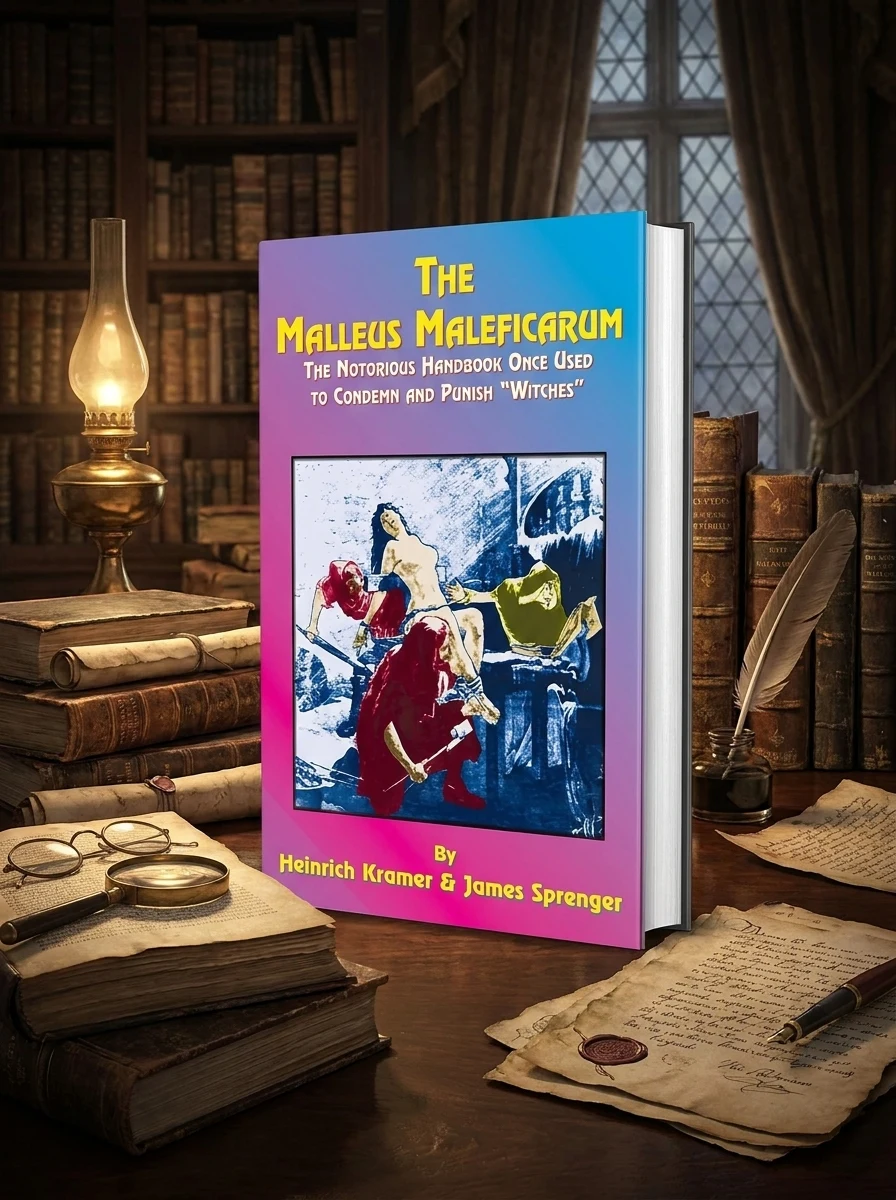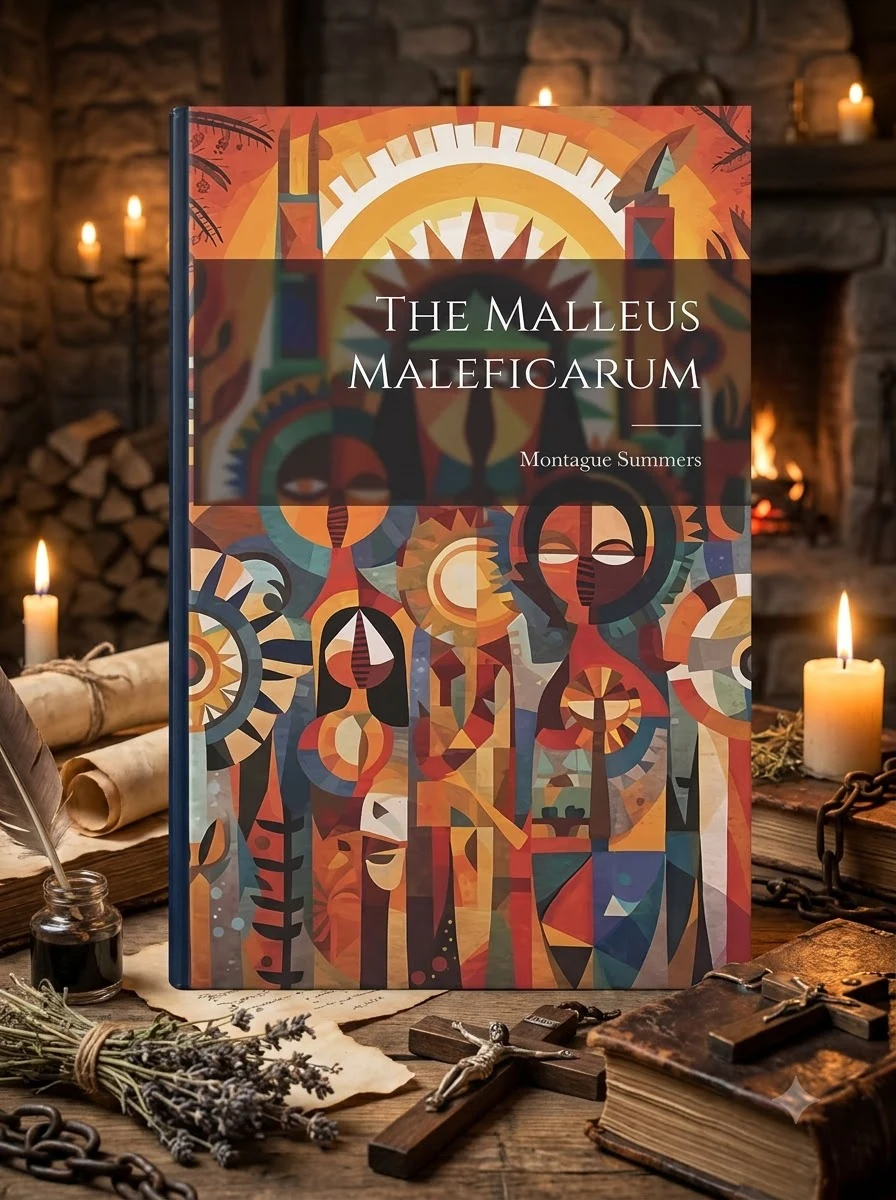
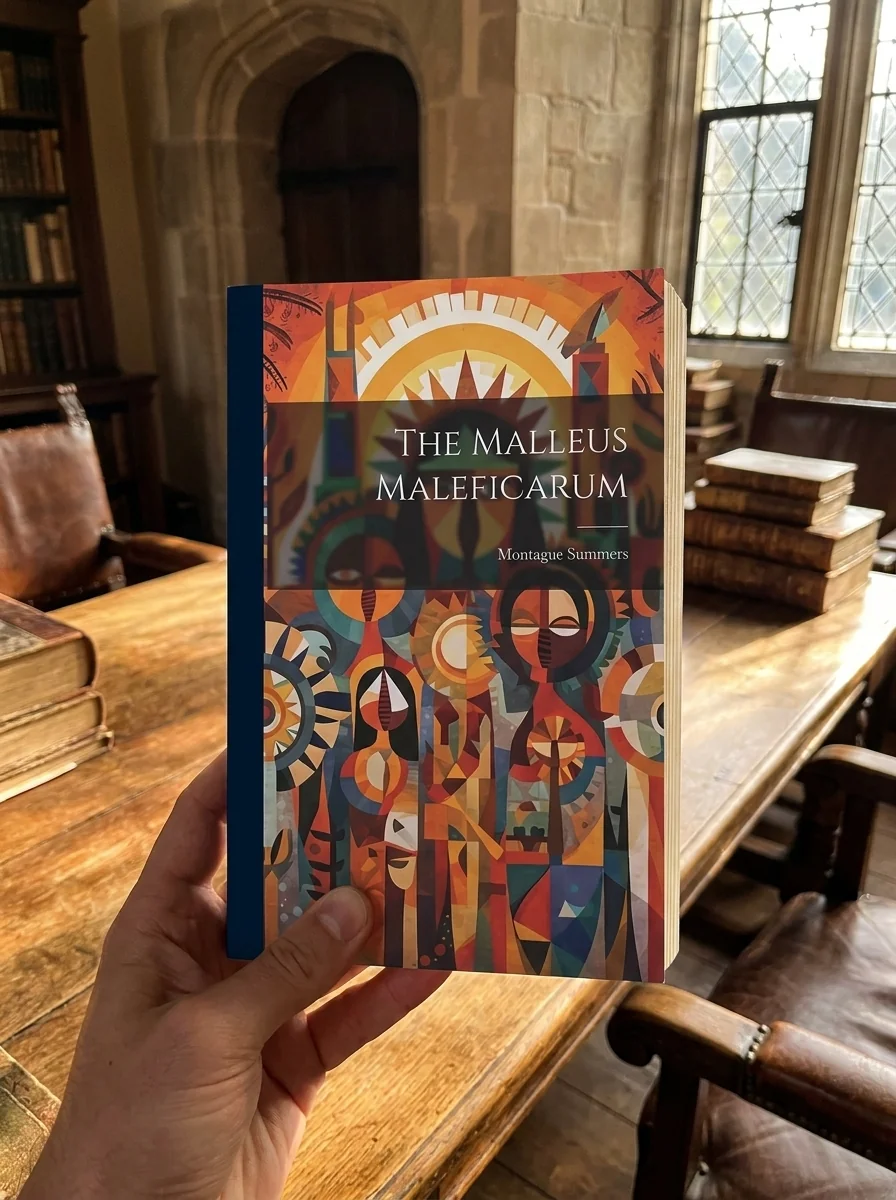
The Malleus Maleficarum
✍️ Summers, MontagueA 1487 treatise on witchcraft and its detection, translated with Latin text and commentary.
This volume pairs the original Latin text of a late fifteenth century witch hunting manual with translation and analysis by Montague Summers. It examines how late medieval religious institutions developed procedures to identify, prosecute, and suppress suspected witches. Through its primary documentation and accompanying commentary, the work outlines the institutional mechanics of historical persecutions. Readers encounter both the traditional religious arguments of the era and modern scholarly analysis regarding how judicial frameworks enforced social control.
Originating in 1487, this text reflects the Christian history and religious climate of late medieval Europe. It documents how institutional authorities codified witch hunting to maintain social control, establishing systematic methods of persecution that influenced European legal and religious practices during that historical period.


📝 Description: The Malleus Maleficarum
💎 Expert review
📖 Why choose it
Why this book is worth reading
Readers seeking to understand the dark heart of European witch hunts will find this text indispensable. Montague Summers’ meticulous translation, paired with insightful modern analysis, reveals how this treatise became a potent instrument of social engineering. It is essential for those wishing to grasp the historical injustice and prejudices that were legitimized in the name of faith. While disturbing, it offers a critical perspective on societal anxieties and control. Scholars and history enthusiasts alike will gain a profound understanding of how fear was weaponized to solidify dogma. This edition provides the necessary context to comprehend the gravity of these past persecutions without sugarcoating their severity.
⭐ Reader reviews
Reader rating
This volume is an essential, albeit disturbing, work for understanding historical injustice. Summers’ edition thoughtfully pairs the original Latin with insightful modern analysis, revealing how this treatise became a potent instrument of social engineering. However, it does NOT suit readers seeking lighthearted entertainment or those easily unsettled by unspeakable acts committed in the name of faith. It is a stark window into religious dogma and societal anxieties. While valuable for its historical insight, it remains a chilling guide that reflects fear and control rather than offering comfort. Readers must approach it with caution, recognizing its role as a historical artifact rather than a modern moral compass.
❓ Frequently asked questions
📖 Who should read this
If you're drawn to the profound shadows of history, eager to understand the mechanisms of mass hysteria, or wish to explore the darker side of religious and social power, this book offers an uncompromising, albeit unsettling, journey into the past.
🎯 Key themes and symbolism
The Nature of Witchcraft
The book meticulously outlines various alleged acts of sorcery and demonic pacts, presenting them not as superstition but as tangible threats to Christian society. It details perceived methods of magic, from inflicting illness to causing impotence, firmly establishing the belief in a malevolent, organized conspiracy against humanity, often led by women.
Social Control and Persecution
More than just a theological text, the Malleus Maleficarum functioned as a manual for judicial process, dictating methods of interrogation, torture, and conviction. Its widespread adoption transformed nascent fears into systematic persecution, effectively weaponizing religious doctrine to enforce social conformity and suppress dissent, particularly targeting marginalized individuals.
Religious History's Dark Side
This work stands as a stark reminder of how religious fervor, when combined with fear and ignorance, can lead to profound cruelty. It reveals a specific, dark chapter in Christian history, showcasing the theological justifications and psychological underpinnings that allowed for widespread suffering and the systematic elimination of perceived enemies of the Church.
📜 Historical context
📚 Glossary
- Malleus Maleficarum
- Treatise
- Inquisition
📔 Questions to reflect on
- How does the historical context of the Malleus Maleficarum inform our understanding of modern social fears and scapegoating?
- Reflect on the power of authoritative texts, whether religious or secular, to shape public perception and justify violence throughout history.
- Consider the psychological impact of living in a society where such a book was considered a legitimate guide to justice. What parallels, if any, can you draw to contemporary issues?