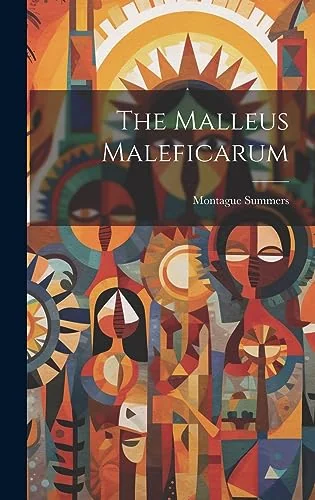
The Malleus Maleficarum
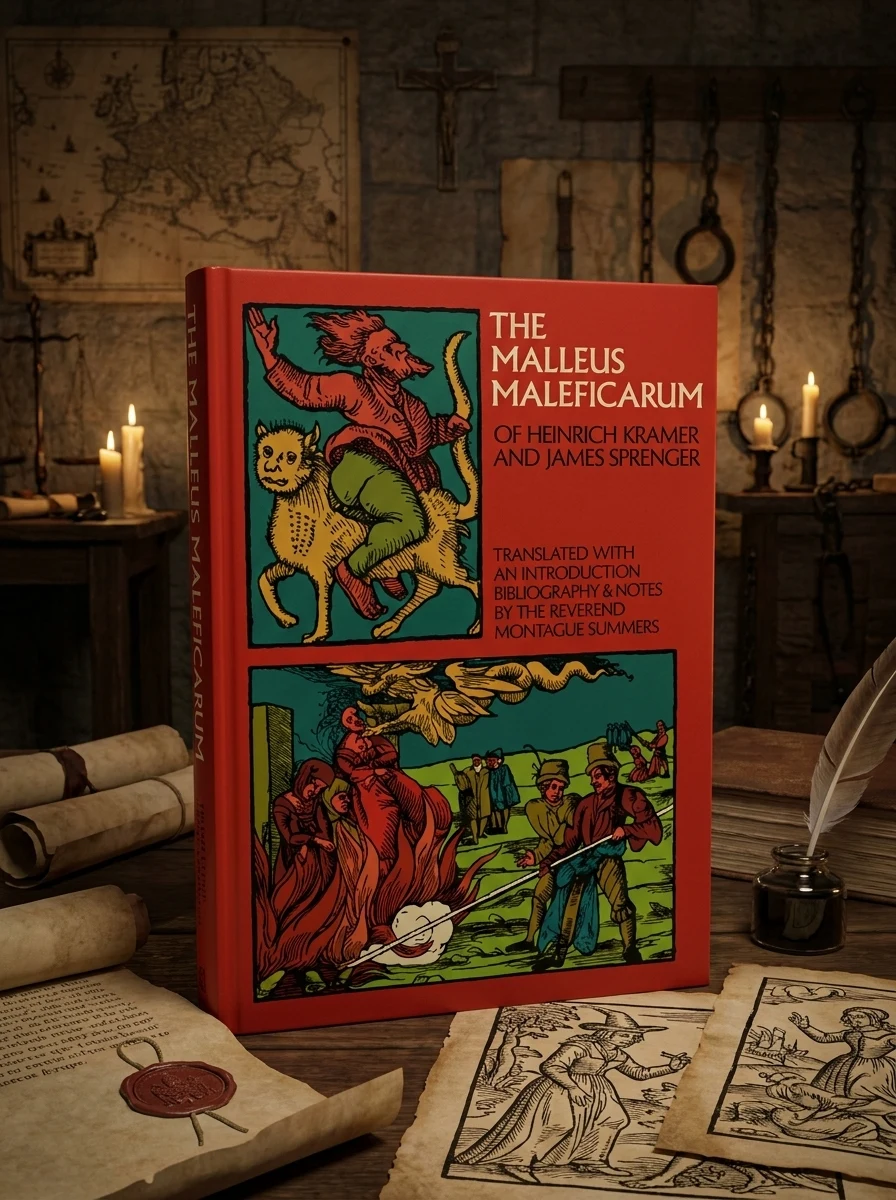
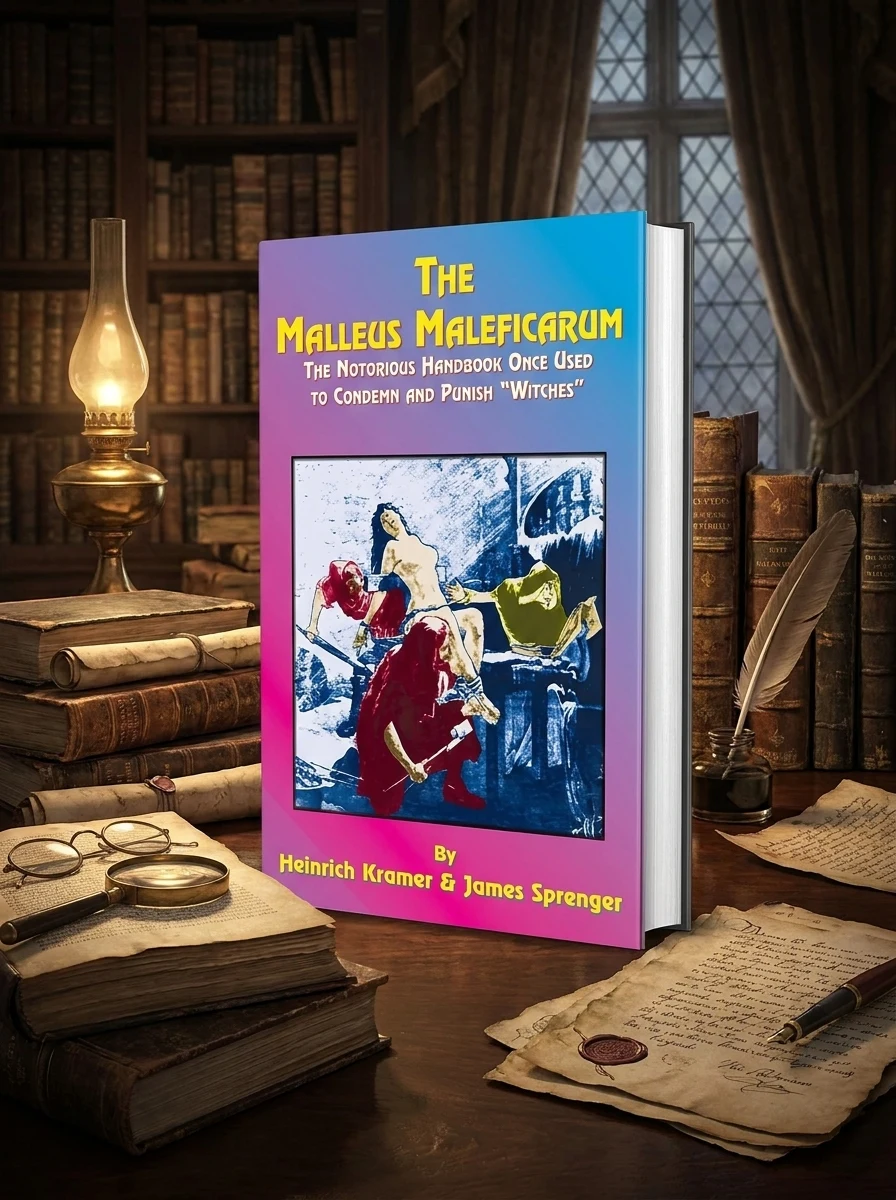
✍️ Summers, MontagueThis notorious 15th-century text, originally penned in 1487, served as a foundational, albeit horrifying, guide to identifying and prosecuting alleged witches. Montague Summers' meticulous translation offers contemporary readers access to the original Latin alongside insightful commentary and scholarly analysis. It meticulously dissects the historical context, revealing how the persecution of supposed sorcerers evolved into a potent instrument of societal regulation and oppression, cementing its place as a dark artifact of religious and legal history.


📝 Description: The Malleus Maleficarum
💎 Expert review
📖 Why choose it
Why this book is worth reading
Scholars, historians of religion, and readers interested in the grim intersections of law, theology, and gender gain significantly from this volume. Montague Summers’ meticulous translation provides essential access to the original Latin text, accompanied by insightful commentary that clarifies its complex historical context. This book is vital for understanding how a notorious 15th-century document evolved into a potent instrument of oppression. It offers a chilling look at the mechanisms of witch-hunts without romanticizing them. Readers seeking to comprehend the darkest chapters of history will find this analysis indispensable for grasping the severity and societal impact of these events.
⭐ Reader reviews
Reader rating
This translation serves as a critical resource for understanding the mechanics of historical persecution, yet it is not for the faint of heart. Summers provides scholarly analysis that contextualizes the text’s role in legal and religious oppression, making it valuable for academic study. However, readers seeking narrative fiction or modern Wiccan practice guides will find this dry and disturbing. The content is dense, focusing on identification and prosecution rather than spiritual insight. It is a necessary but heavy read for those studying the evolution of societal regulation through fear. Do not expect comfort; expect a rigorous examination of a terrifying historical artifact that cemented its place in legal history through sheer brutality.
❓ Frequently asked questions
📖 Who should read this
For students of history, religious studies, and the darker currents of human psychology, this book is essential. It offers a crucial, albeit disturbing, window into the ideological underpinnings of persecution, inviting you to confront the unsettling power of belief.
🎯 Key themes and symbolism
Witchcraft's Dark Blueprint
This volume lays bare the intricate, often absurd, methodologies employed for uncovering and condemning individuals accused of sorcery. It details the purported signs, confessions, and judicial processes that defined the witch trials, offering a stark look into the era's pervasive paranoia.
Tools of Oppression
Beyond its theological pronouncements, the text illuminates how accusations of witchcraft were skillfully manipulated to exert power and control over communities. It reveals the mechanisms by which fear and religious dogma were weaponized to enforce conformity and suppress dissent within medieval society.
Christianity's Shadow Side
Dive into the deeply unsettling confluence of Christian theology and burgeoning legal systems that justified the systematic elimination of those deemed heretical or demonic. The work reflects a period where religious doctrine was rigidly applied to rationalize extreme violence and moral panic.
📜 Historical context
📚 Glossary
- Malleus Maleficarum
- Inquisitor
- Witch-hunt
📔 Questions to reflect on
- How do historical texts like the Malleus Maleficarum continue to influence contemporary understandings of power, belief, and social control?
- Reflect on the psychological mechanisms that allow a society to justify widespread persecution. What parallels, if any, can you draw to modern phenomena?
- In what ways does this work challenge your perceptions of religious authority or the role of fear in shaping historical narratives?