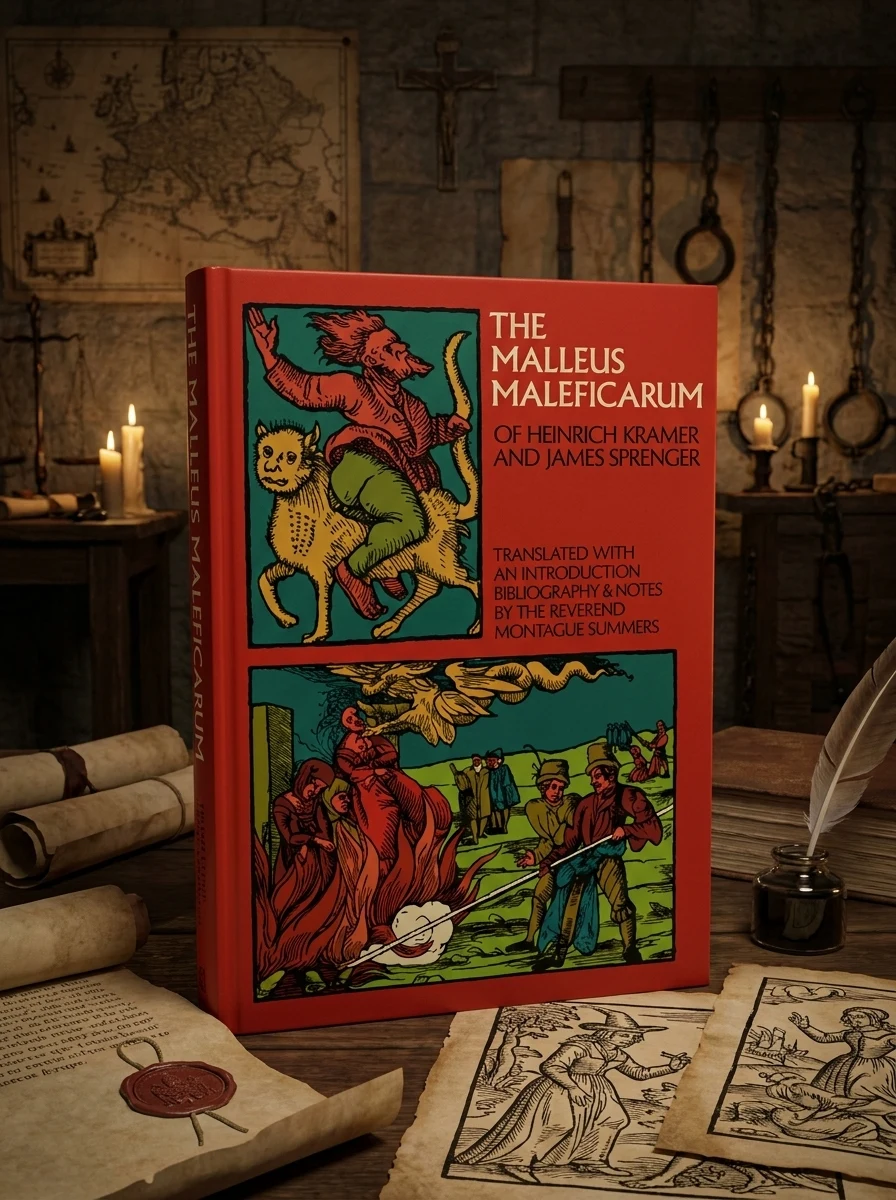
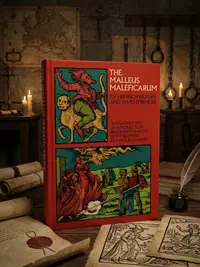
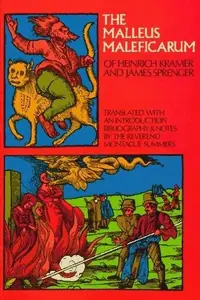
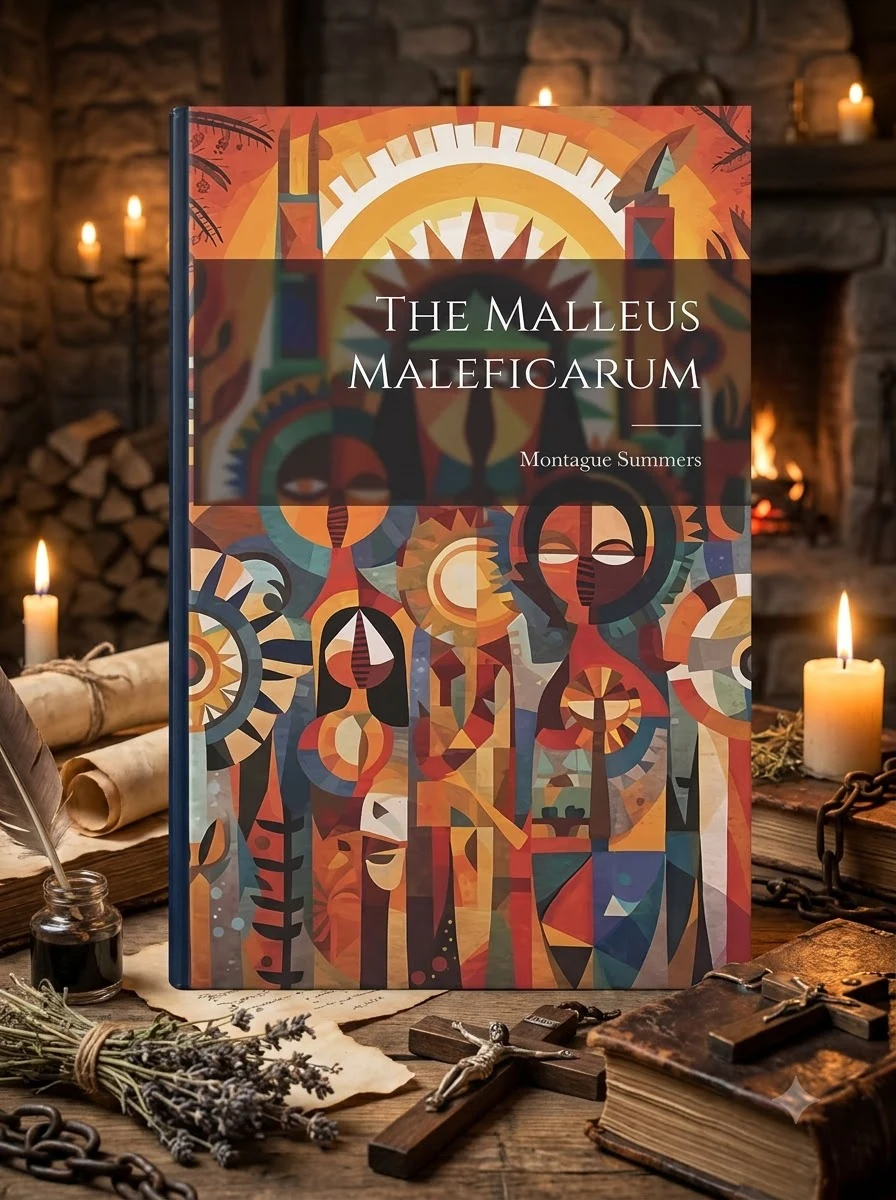
The Malleus Maleficarum of Heinrich Kramer and James Sprenger (Revised) Summers, Montague
Summers, MontagueStock reported in the catalog; fulfillment is confirmed with your request.
A chilling manual of inquisitorial terror, exposing the dark machinery of medieval witch hunts.
Montague Summers presents a revised edition of the infamous 1485 text, originally penned by inquisitors Heinrich Kramer and James Sprenger. This work served as the definitive operational guide for witch hunters for centuries, detailing the supposed mechanics of demonic pact-making, sexual deviancy, and malevolent magic. Summers’ translation illuminates the grotesque specifics of the era’s paranoia, from tempest-raising washwomen to the alleged mutilation of victims. It remains a crucial, albeit disturbing, primary source for understanding the psychological and theological foundations of the European witch trials.
This text stands as the definitive operational manual of medieval inquisitorial terror, detailing the theological and psychological foundations of European witch hunts. It serves as a primary source for understanding the dark machinery of persecution during the era of extreme religious paranoia.


📝 Description: The Malleus Maleficarum of Heinrich Kramer and James Sprenger (Revised) Summers, Montague
💎 Expert review
📖 Why choose it
Why this book is worth reading
Readers with a robust constitution and an academic or historical interest in the origins of Western occultism will find this volume indispensable. Montague Summers’ revised translation illuminates the grotesque specifics of medieval paranoia, offering unflinching access to the supposed mechanics of demonic pact-making and malevolent magic. It is essential for scholars seeking to comprehend the psychological underpinnings of the European witch trials. While disturbing, it provides crucial insight into the historical narrative of inquisitorial tactics. Those fascinated by the intersection of theology, fear, and societal control will gain a deeper understanding of how such terror was systematized and justified in its time.
⭐ Reader reviews
Reader rating
This is not for the faint-hearted or those seeking gentle folklore. The text exposes the raw, terrifying machinery of medieval witch hunts with unvarnished detail. Readers expecting sanitized history or sympathetic portrayals of accused individuals will be repelled by the inquisitorial perspective and the graphic descriptions of alleged crimes. It is a harsh, primary-source document that demands serious engagement rather than casual reading. While historically significant for its insight into theological paranoia, it lacks narrative comfort. It suits only those prepared to confront the darkest aspects of historical religious enforcement without romanticizing the subjects or the persecutors.
❓ Frequently asked questions
📖 Who should read this
Scholars of medieval history, practitioners of comparative religion, and those interested in the sociology of mass hysteria. Readers seeking to understand the institutionalized fear that shaped early modern Europe will find this text indispensable.
🎯 Key themes and symbolism
Inquisitorial Justice
Demonic Pact Rituals
Gendered Persecution
💬 Quotes from the book
“The world of 1484 did believe in witchcraft, and this book was the hammer that shattered the heresy of disbelief.”
“Methods of destroying and curing witchcraft are exemplified and weighed by the authors with rigorous, albeit grotesque, detail.”
📜 Historical context
📚 Glossary
- Incubus/Succubus
- Trial by Ordeal
- Maleficium
📔 Questions to reflect on
- How does the dehumanization of the accused in this text reflect broader societal fears of the late medieval period?
- What parallels exist between the procedural logic of the Inquisition and modern institutional biases?
- In what ways does this text reveal the intersection of gender, power, and religious authority?
📖 From the series “Dover Occult”
All books in the series →

 90
90
✍️ More books by this author Summers, Montague
All books by this author → 75
75
 88
88
 85
85
 86
86
 83
83

🏛 Books from this publisher Dover Publications
All books from this publisher →





You might also like
See more →
 91
91

 88
88