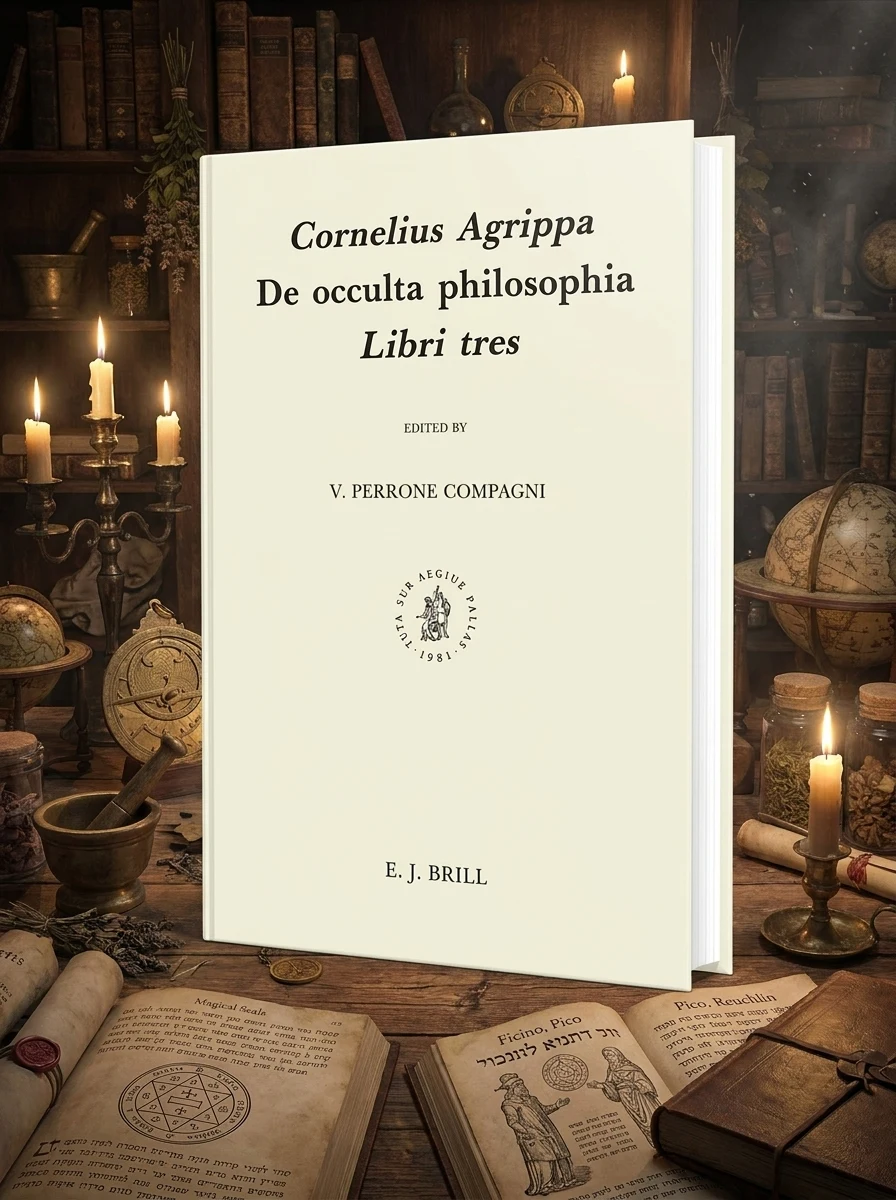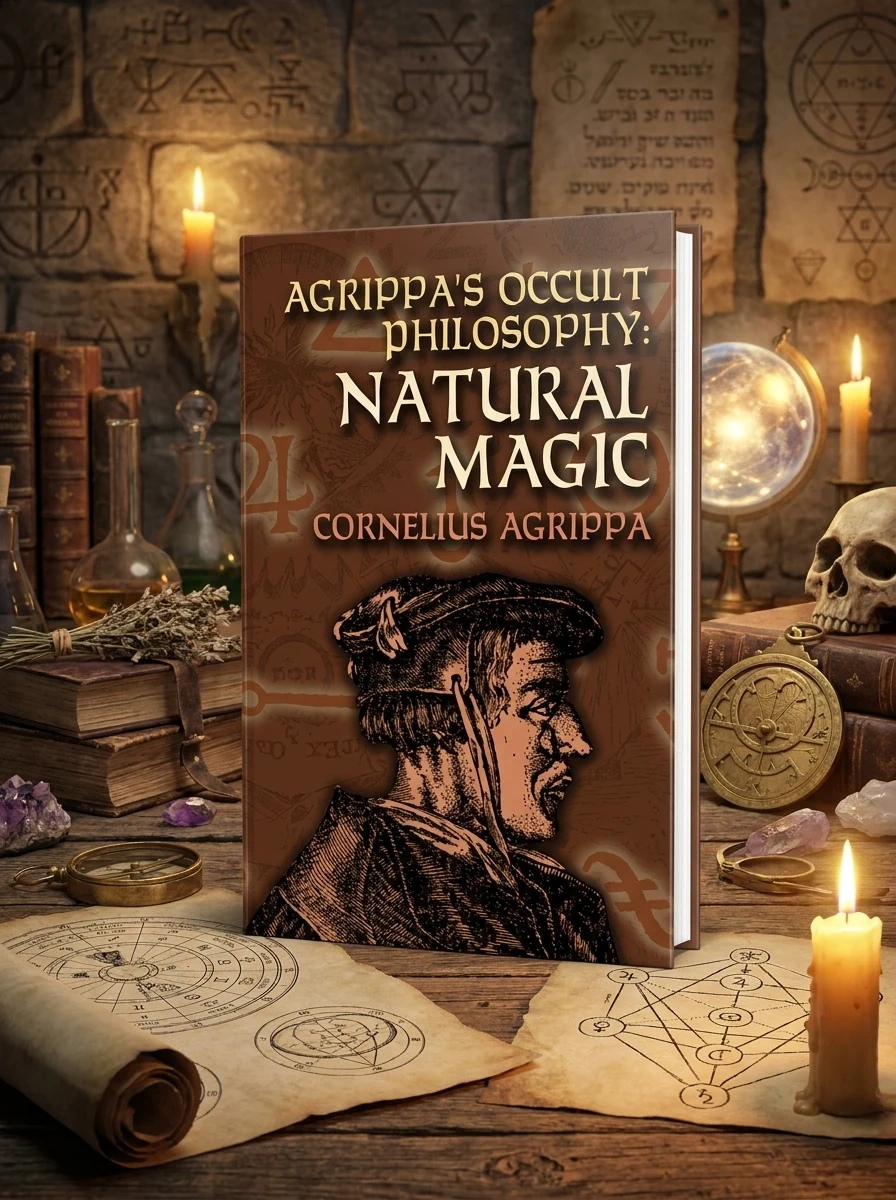
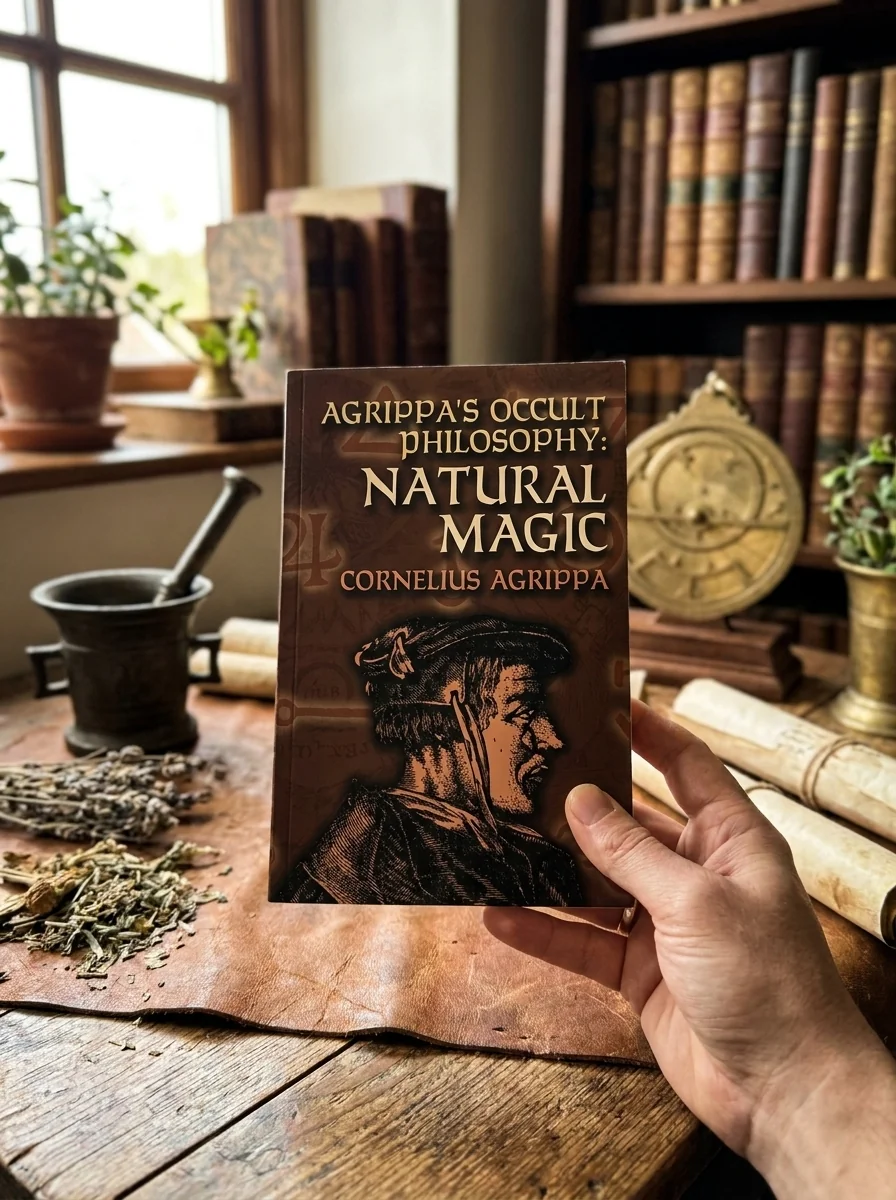
Agrippa's Occult Philosophy: Natural Magic Agrippa, Cornelius
✍️ Agrippa, CorneliusCornelius Agrippa's monumental work, "Occult Philosophy," stands as a foundational pillar of Western esotericism. This Renaissance scholar masterfully wove together Neoplatonic thought, Hermetic traditions, Jewish Kabbalah, and Christian theology, forging a comprehensive framework for understanding the universe's hidden mechanics. He presented magic not as a dark art, but as a natural path to knowledge and influence, explaining how celestial forces impact earthly life. Five centuries on, Agrippa's profound synthesis remains an indispensable guide for serious students of mystic wisdom.


📝 Description: Agrippa's Occult Philosophy: Natural Magic Agrippa, Cornelius
💎 Expert review
📖 Why choose it
Why this book is worth reading
Serious students of mystic wisdom will find immense value in this indispensable guide, which unlocks the Renaissance mind for those curious about how magic was once perceived as a divine science rather than mere superstition. Readers interested in the hidden mechanics of the universe will appreciate Agrippa’s masterful weaving of Neoplatonic thought, Hermetic traditions, and Jewish Kabbalah into a comprehensive framework. This book is essential for anyone seeking to understand celestial forces and their impact on earthly life through a historical lens. It offers a unique path to knowledge, inviting readers to explore the profound synthesis that remains relevant five centuries later for those dedicated to studying the roots of Western esotericism.
⭐ Reader reviews
Reader rating
Agrippa’s monumental work stands as a foundational pillar of Western esotericism, offering a rigorous synthesis of Neoplatonic thought, Hermetic traditions, and Christian theology. It is an indispensable resource for serious scholars and mystic enthusiasts who wish to understand the universe's hidden mechanics through the lens of a Renaissance scholar. However, this text does not suit casual readers seeking simple superstition or entertainment, nor those expecting modern scientific explanations. The dense integration of Jewish Kabbalah may overwhelm those unfamiliar with theological frameworks. It is best approached as a scholarly study of divine science rather than a practical manual for novices, requiring patience and intellectual dedication to fully grasp its profound insights.
❓ Frequently asked questions
📖 Who should read this
For serious seekers interested in the historical and philosophical underpinnings of Western magic. If you're drawn to the intricate intellectual tapestry of Renaissance esotericism and wish to grasp its systematic foundations, this essential text awaits your scholarly engagement.
🎯 Key themes and symbolism
Synthesizing Esoteric Traditions
Agrippa brilliantly integrates disparate ancient and medieval philosophies, including Neoplatonism, Hermeticism, and Kabbalah, with Christian theology. He crafts a unified, systematic exposition of occult knowledge, demonstrating how these diverse streams of wisdom converge to explain the universe's hidden structure and the mechanisms of magical operation.
Natural Magic Explained
This treatise clarifies that 'magic' is not supernatural, but rather the skillful application of natural laws and correspondences. Agrippa provides a structured approach, examining planetary influences, the power of words, and the nature of enchantments as scientific principles within a spiritual worldview, all operating under a divine order.
Practical Occult Applications
Beyond theoretical frameworks, Agrippa delves into methods for leveraging these cosmic principles. He explores diverse practices like interpreting dreams, various forms of divination, and even sorcery, all presented as means to achieve tangible results such as improved well-being, material prosperity, or enhanced foresight, grounded in a deeper understanding of nature.
📜 Historical context
📚 Glossary
- Neoplatonism
- Hermeticism
- Kabbalah
📔 Questions to reflect on
- How does Agrippa's synthesis of diverse traditions challenge or confirm your current understanding of magic and spirituality?
- Consider how the 'divine order' Agrippa describes might manifest in your own life. What connections do you perceive between the celestial and the mundane?
- If magic is a 'natural means of attaining knowledge and power,' what responsibilities accompany such a pursuit in a modern context?