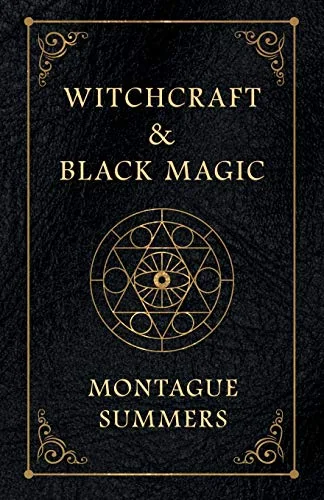
Witchcraft and Black Magic
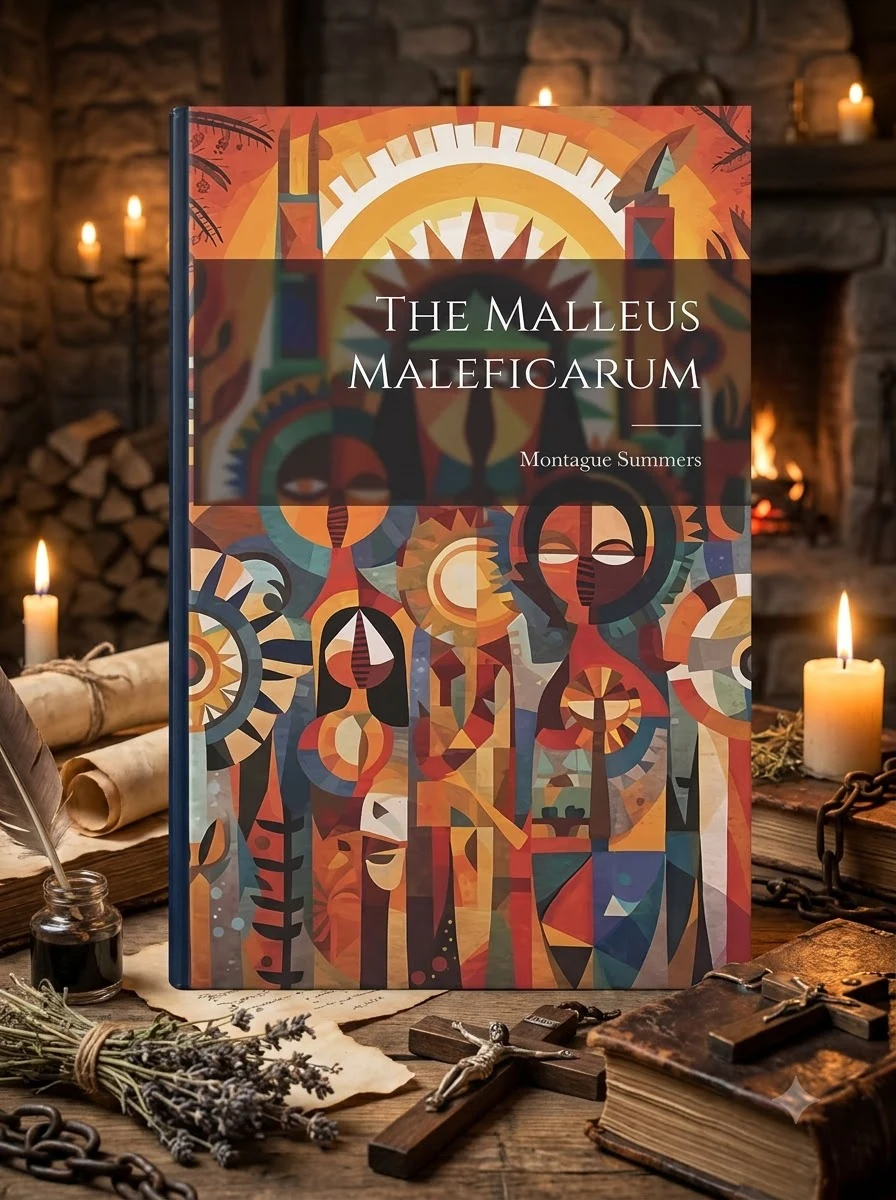
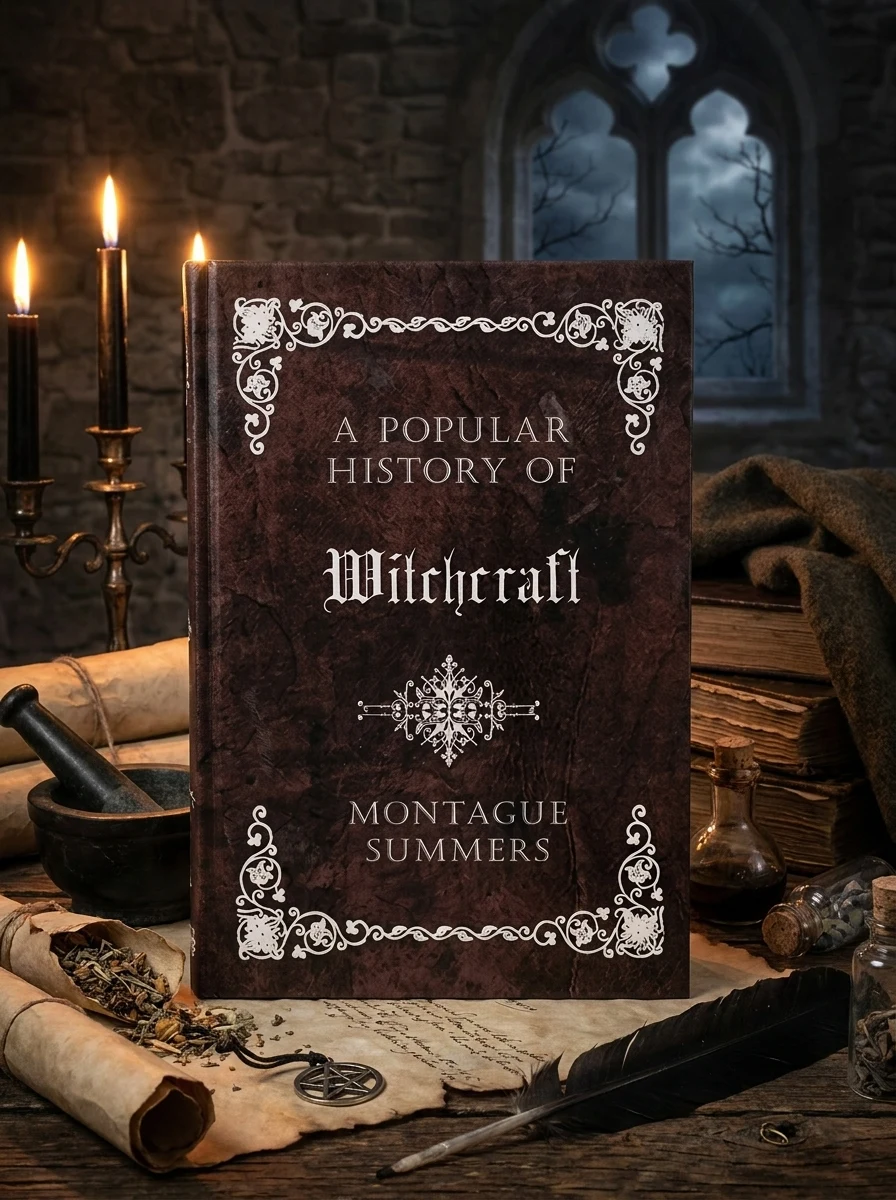
✍️ Summers, MontagueMontague Summers draws on trial records, Biblical passages, personal testimonies, and literary texts to trace the history of black magic. Reissued by Obscure Press, the work examines how European academic institutions like Oxford and Cambridge intersected with occult practices. The text scrutinizes historical events, including the Salem witch trials, while surveying early works like Francis Barrett's 1801 manual The Magus. Summers approaches every historical account through a traditional Catholic lens.


📝 Description: Witchcraft and Black Magic
📑 What's inside
- 1. 'The Folklore and History of Witchcraft'
- 2. What Is Witchcraft
- 3. The Familiar, in Human Shape and Animal
- 4. Witchcraft at Cambridge and Oxford
- 5. The Origins of Witchcraft
- 6. The Library of Witches
- 7. The Magus (1801) of Francis Barrett
- 8. Sympathetic Magic
💎 Expert review
📖 Why choose it
Why this book is worth reading
This book is essential for scholars of history, theology, and the sociology of religion who wish to understand the institutional perspective on witchcraft during a pivotal era. Readers interested in the evolution of legal frameworks surrounding alleged magical practices will find immense value in Summers' meticulous use of primary sources like court documents and testimonies. It offers a unique window into how devout Catholicism shaped historical narratives about the occult, providing critical context for modern debates on religious intolerance and historical bias. By examining these ardent detractors' views, readers gain a deeper appreciation for the complex interplay between faith, fear, and law in Western history.
⭐ Reader reviews
Reader rating
While Summers provides a comprehensive chronicle of alleged Satanic practices, his work is undeniably biased by his devout Catholic worldview. This volume is not suitable for contemporary practitioners of Wicca or those seeking sympathetic, nuanced accounts of magical traditions, as it explicitly frames such activities as malevolent. Readers looking for objective, secular analysis may find the theological underpinnings overwhelming and the conclusions pre-determined by faith rather than evidence. However, for those studying historical prejudice or the mechanics of witch trials, it remains an indispensable, if contentious, resource.
❓ Frequently asked questions
📖 Who should read this
Are you drawn to the historical underpinnings of occult practices? Do you seek a comprehensive, if controversial, account of witchcraft from a traditional Christian viewpoint? If you're a student of historical demonology or simply captivated by the darker side of human belief, this book is an essential addition to your collection.
🎯 Key themes and symbolism
A Historical Witchcraft Perspective
Summers’ work meticulously chronicles the evolution of witchcraft through centuries, presenting it as a consistent, malevolent force. He extensively utilizes primary historical documents, court records, and literary references to build his case, offering a detailed, if polemical, account of its perceived manifestations and impact across different eras.
Catholic Demonology Unveiled
As a fervent Catholic, Summers interprets all forms of witchcraft through a distinctly theological lens, framing it as direct engagement with demonic forces and Satanic pacts. His narrative is deeply rooted in the traditional Christian worldview, viewing magic as inherently evil and a perversion of divine order, aligning with established demonological dogma.
Rich Source Material
The book is a treasure trove of historical and folkloric details, drawing from an impressive range of sources including medieval texts, personal confessions, and biblical passages. Summers’ extensive research stitches together a tapestry of beliefs and practices, offering readers a deep immersion into the cultural and legal perceptions of witchcraft through the ages.
📜 Historical context
📚 Glossary
- Demonology
- Familiar
- Sympathetic Magic
📔 Questions to reflect on
- How does Summers' devout Catholic perspective shape his interpretation of witchcraft, and how might a modern, secular historian approach the same source material differently?
- Considering the historical context of 1946, what anxieties or societal beliefs might have fueled the continued interest in condemning witchcraft, even decades after the major trials?
- Summers draws on a vast array of historical sources. How does the selective use of such evidence contribute to or detract from the perceived 'truth' of his arguments?