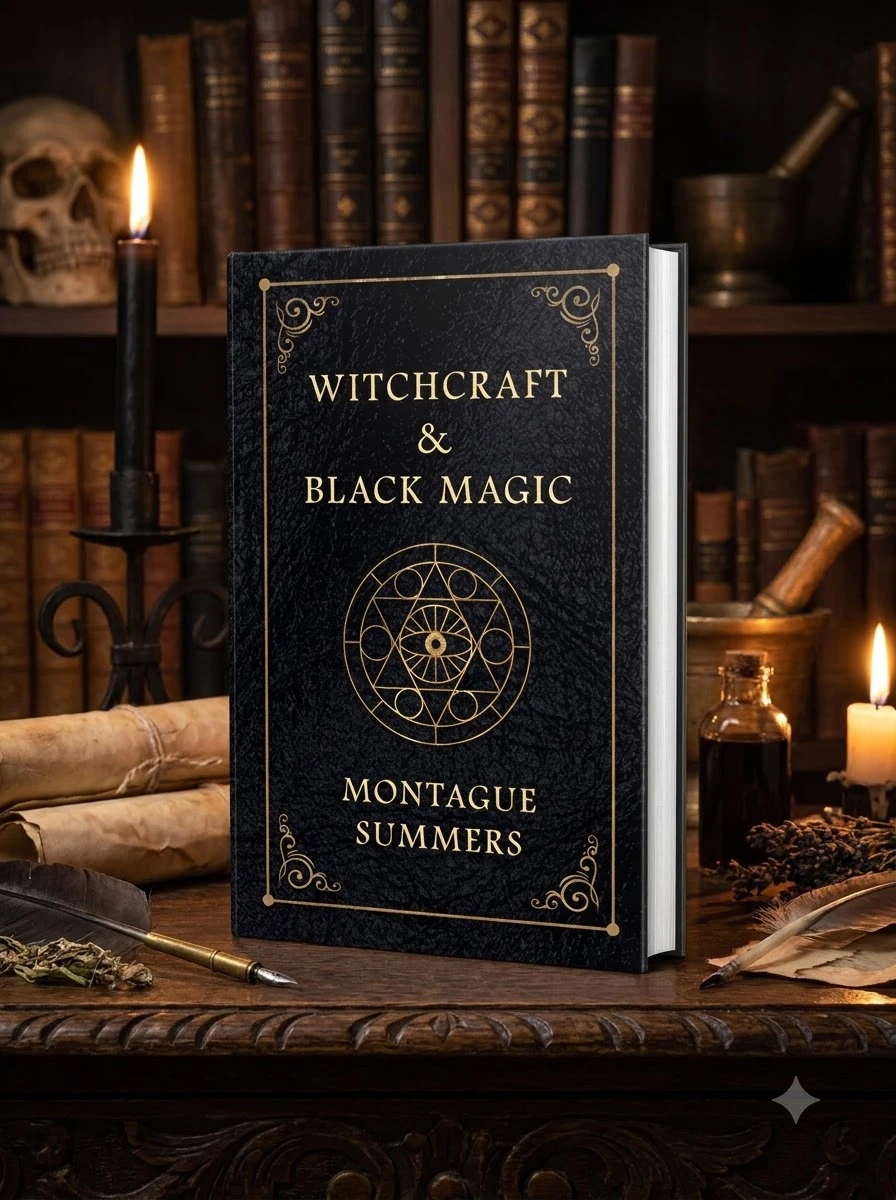
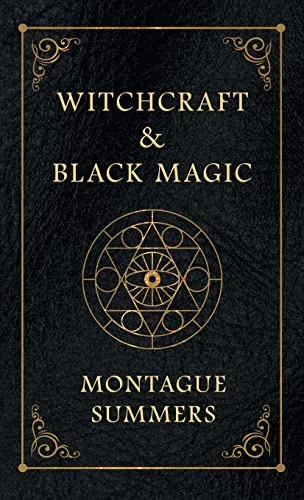
Witchcraft and Black Magic
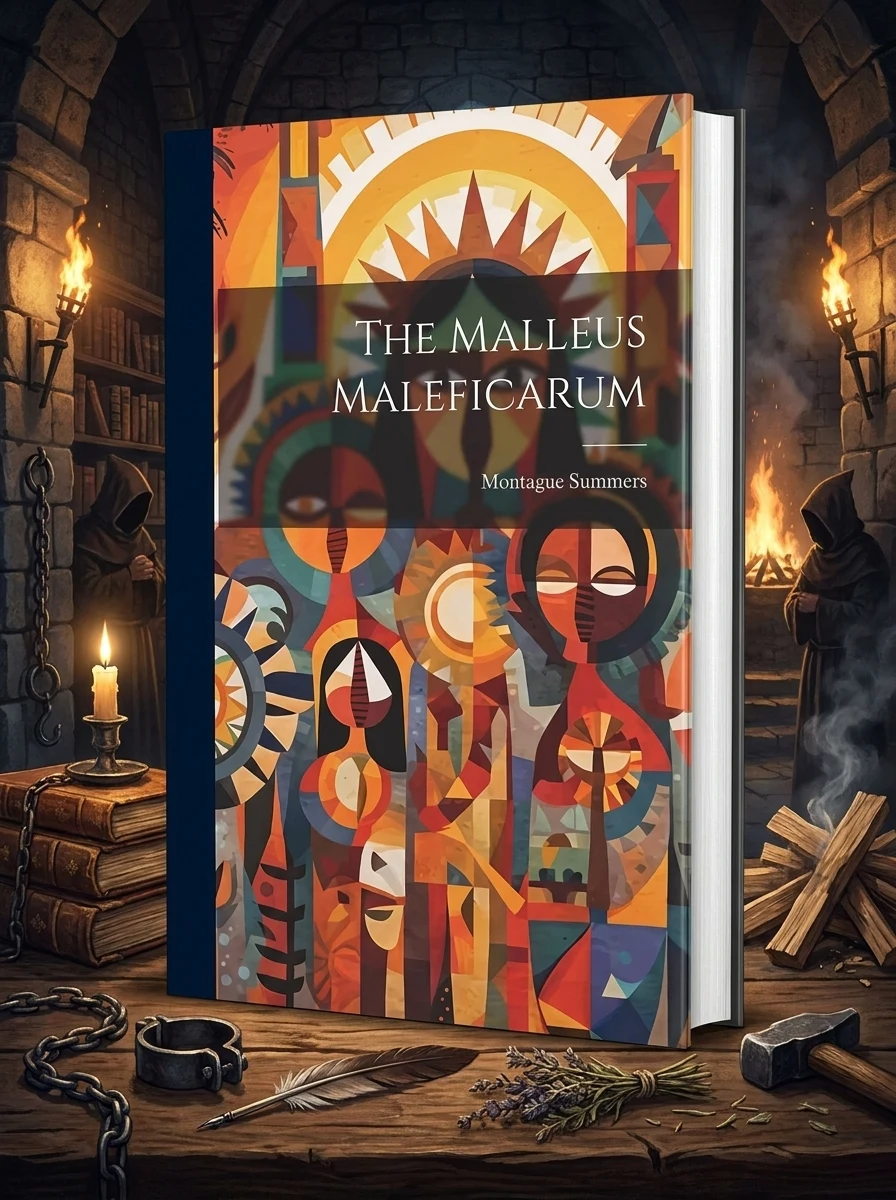
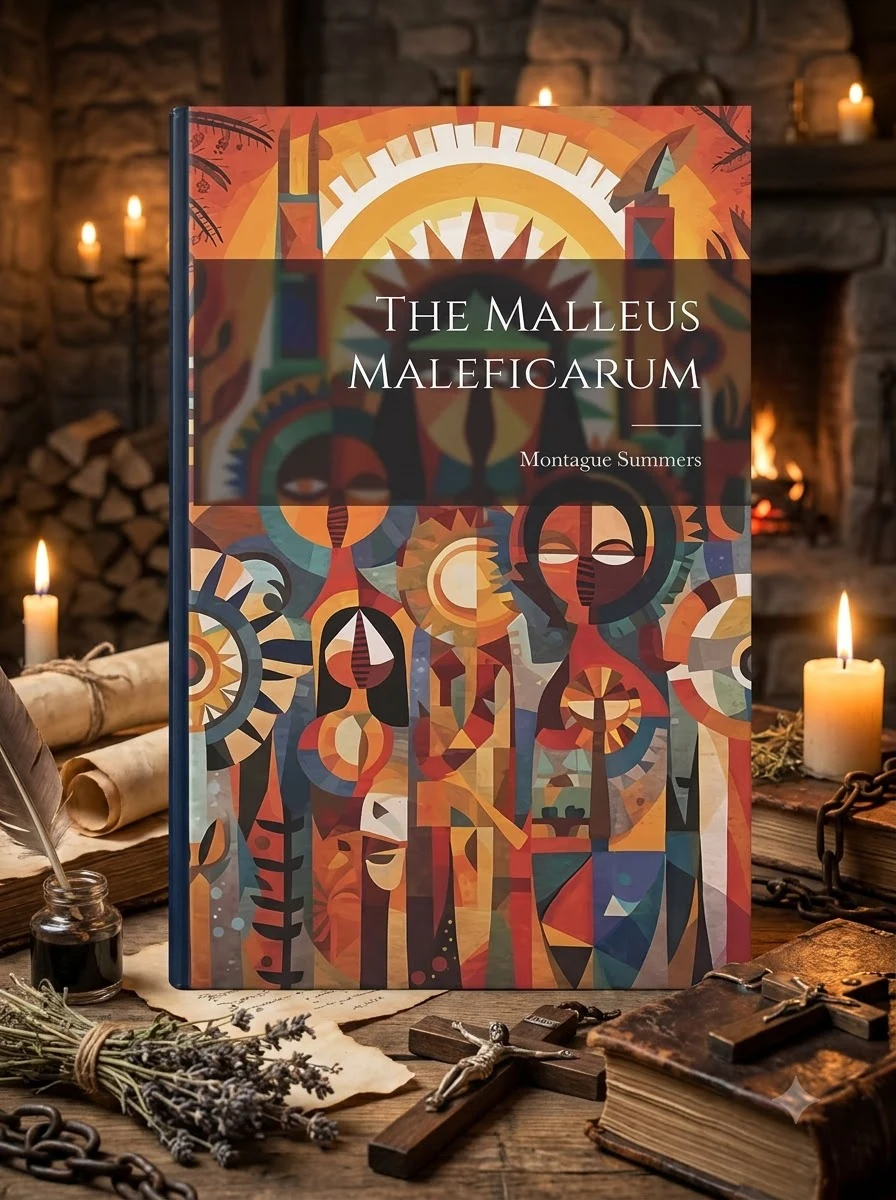
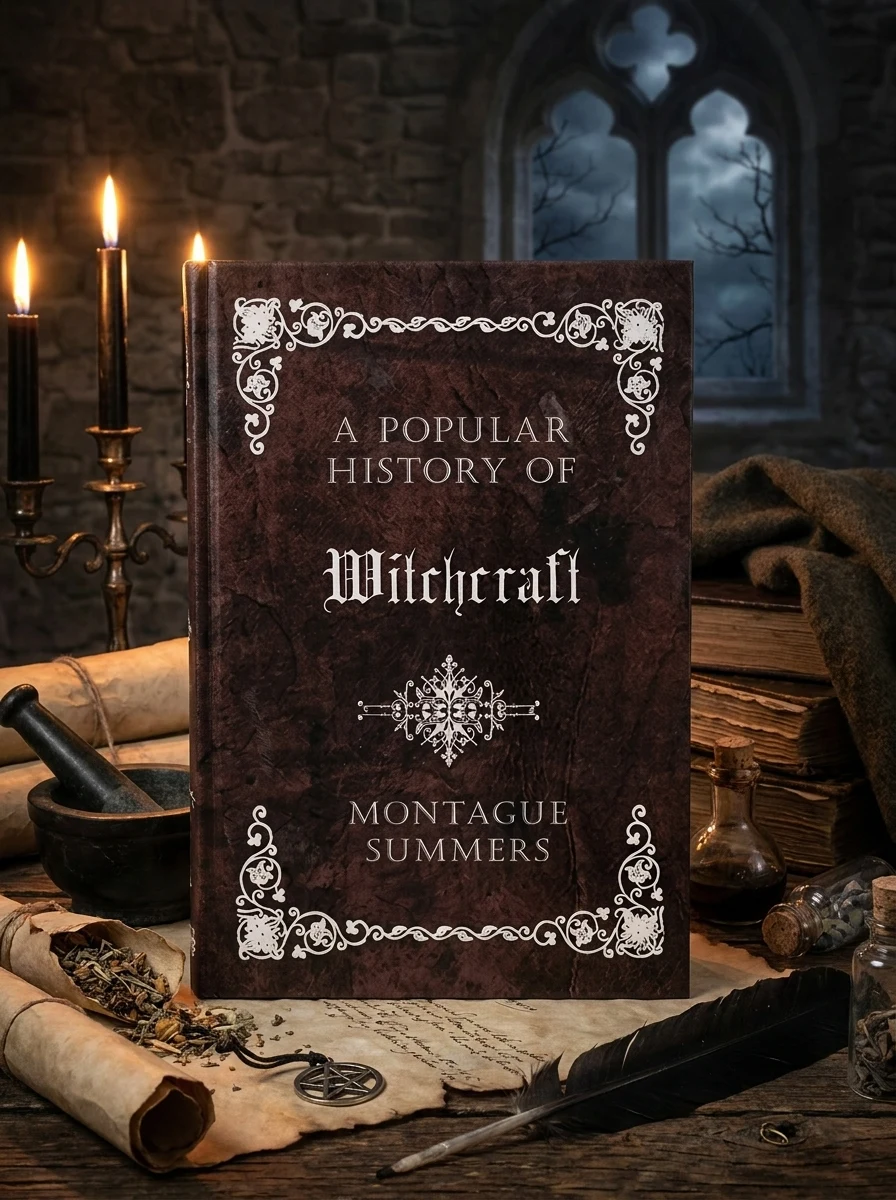
✍️ Summers, MontagueMontague Summers approaches black magic not as a neutral historian, but as a devout Catholic writing in 1946. By gathering historical evidence from classic literature, biblical scripture, personal testimonies, and legal trial records, he constructs a detailed record of Satanic practices. His writing investigates historic events like the Salem witch trials alongside academic locations like Cambridge and Oxford. The work functions as a window into mid-century Catholic demonology and historic witchcraft traditions.


📝 Description: Witchcraft and Black Magic
📑 What's inside
- 1. 'The Folklore and History of Witchcraft'
- 2. What Is Witchcraft
- 3. The Familiar, in Human Shape and Animal
- 4. Witchcraft at Cambridge and Oxford
- 5. The Origins of Witchcraft
- 6. The Library of Witches
- 7. The Magus (1801) of Francis Barrett
- 8. Sympathetic Magic
💎 Expert review
📖 Why choose it
Why this book is worth reading
This volume is an essential resource for serious students of occult history who wish to understand the foundational narratives that shaped Western perceptions of witchcraft. Readers interested in the intersection of theology, law, and folklore will find immense value in Summers' exhaustive compilation of sources, ranging from ancient texts to court documents. It offers a unique perspective on how historical figures like Montague Summers viewed the practice of black magic, providing insight into the cultural and religious anxieties of his time. While not for casual readers seeking empowerment, it is indispensable for those analyzing the evolution of witchcraft lore, the concept of familiars, and the historical context behind infamous trials such as Salem. It serves as a critical primary source for understanding the 'detractor's' view, which remains influential in occult studies today.
⭐ Reader reviews
Reader rating
Summers presents a meticulously researched but heavily biased account of witchcraft history, rooted firmly in his devout Catholic worldview. This work is not suitable for modern Wiccans or those seeking spiritual guidance, as it frames all practices as inherently Satanic and evil. The text is dense, relying on an eclectic mix of biblical interpretations and historical testimonies that may feel overwhelming to general readers. However, for historians and scholars analyzing the demonization of witchcraft, it remains a vital document. Readers expecting balanced anthropology will be disappointed; this is a condemnatory lens, not an empathetic one. It is best approached as a historical artifact of anti-occult sentiment rather than a definitive guide to the practices themselves.
❓ Frequently asked questions
📖 Who should read this
If you're fascinated by the historical persecution and perception of witchcraft, or intrigued by early demonology, this volume offers a unique, albeit biased, perspective. It's particularly compelling for those who appreciate detailed historical compilations, even when presented from a highly specific theological standpoint.
🎯 Key themes and symbolism
Historical Witchcraft Perspective
Summers meticulously compiles historical accounts, court records, and literary references to paint a vivid picture of witchcraft as understood and feared throughout history. His devout Catholic lens, however, means these narratives are presented as concrete evidence of malevolent Satanic pacts, offering a particular, often sensationalized, view of past practices and persecutions.
Demonology's Dark Roots
At its core, this book explores what Summers firmly believed to be the Satanic underpinnings of all witchcraft. He delves into the purported mechanisms of dark magic, the nature of diabolical pacts, and the perceived influence of demonic forces on human affairs, framing these elements as central to the practice of black magic across centuries.
Eclectic Historical Sources
Summers demonstrates an impressive breadth of research, weaving together evidence from varied sources. From legal transcripts of witch trials to personal confessions, classical literature, and scriptural interpretations, he constructs his arguments. This rich tapestry of references, though filtered through his own convictions, offers a compelling, if controversial, historical collage.
📜 Historical context
📚 Glossary
- Familiar
- Sympathetic Magic
- Demonology
📔 Questions to reflect on
- How does Summers' devout Catholic perspective influence his interpretation of historical events related to witchcraft?
- Consider the sources Summers uses (court records, personal accounts, Bible). How might his selection and interpretation of these sources shape the narrative?
- If you were to research the history of witchcraft today, how would your methodology differ from Summers', and what ethical considerations would you prioritize?