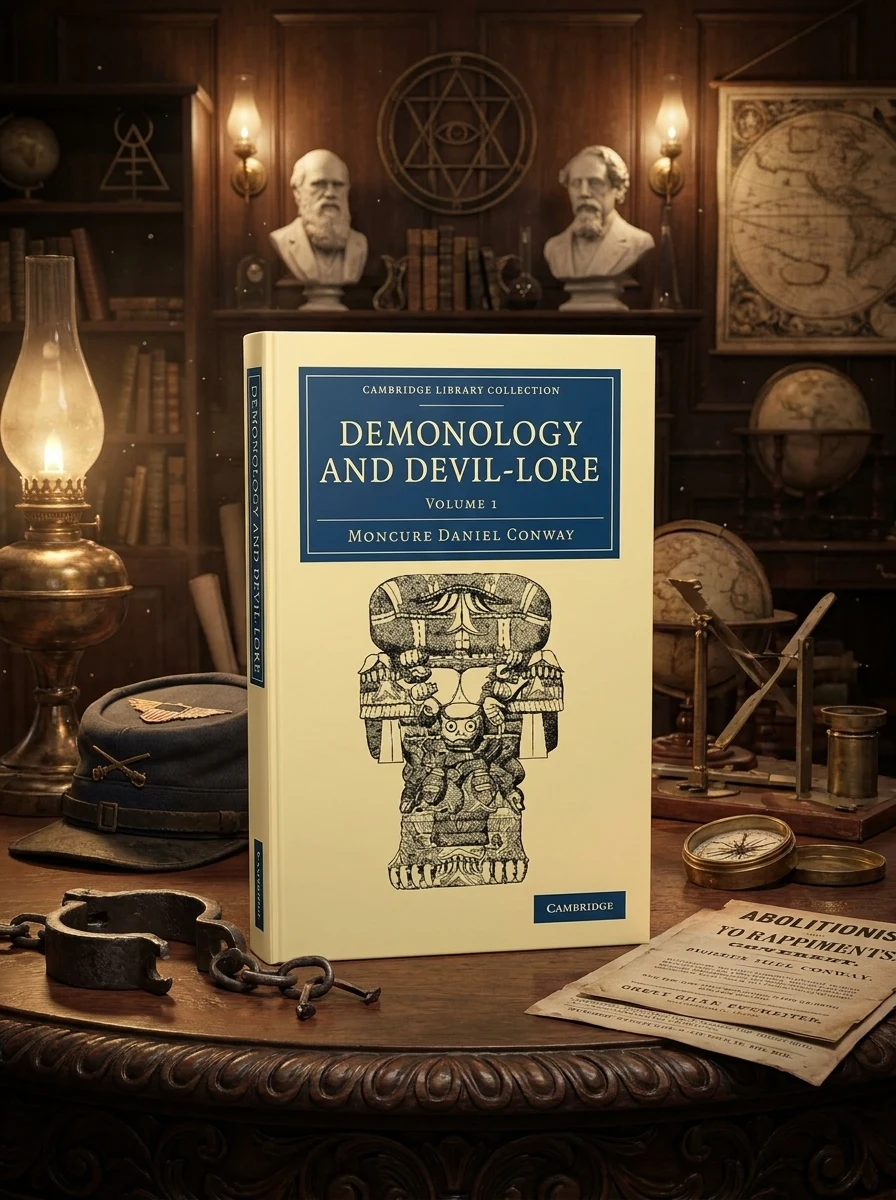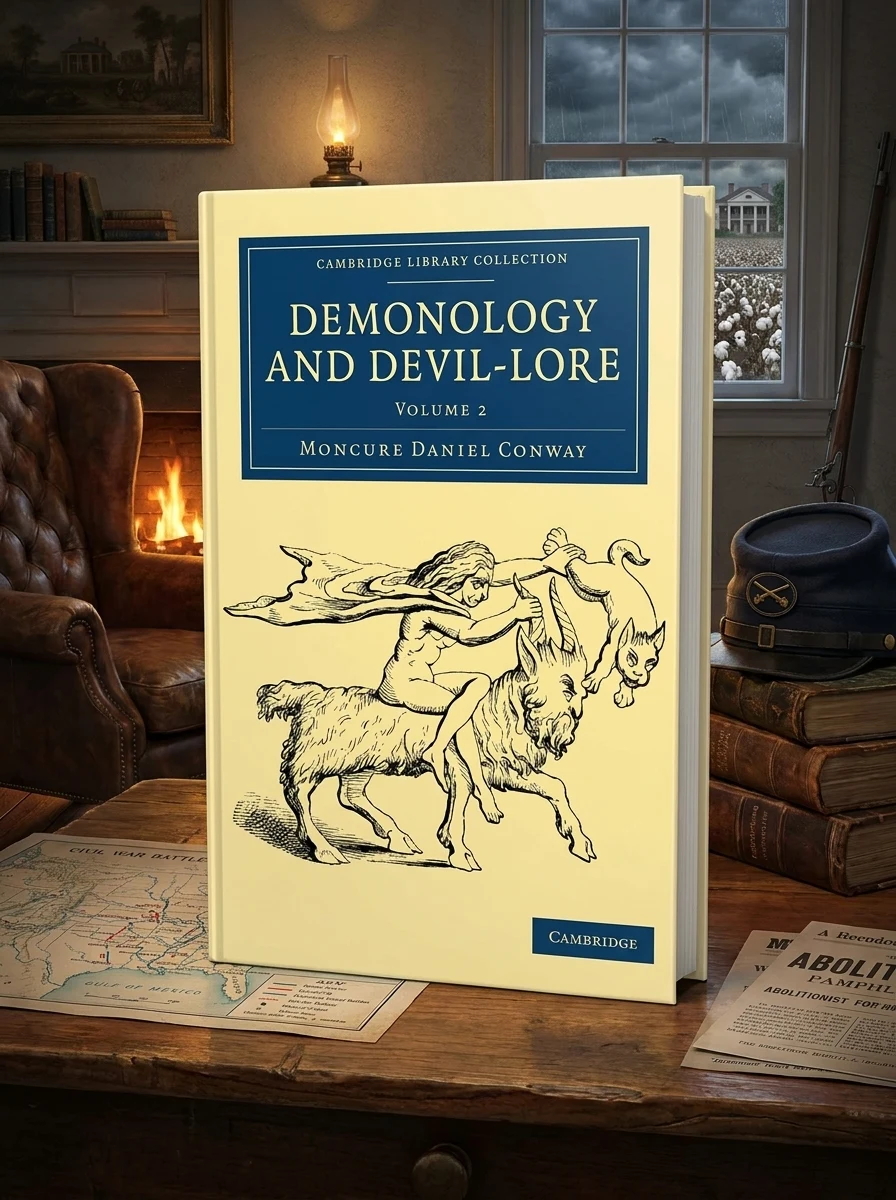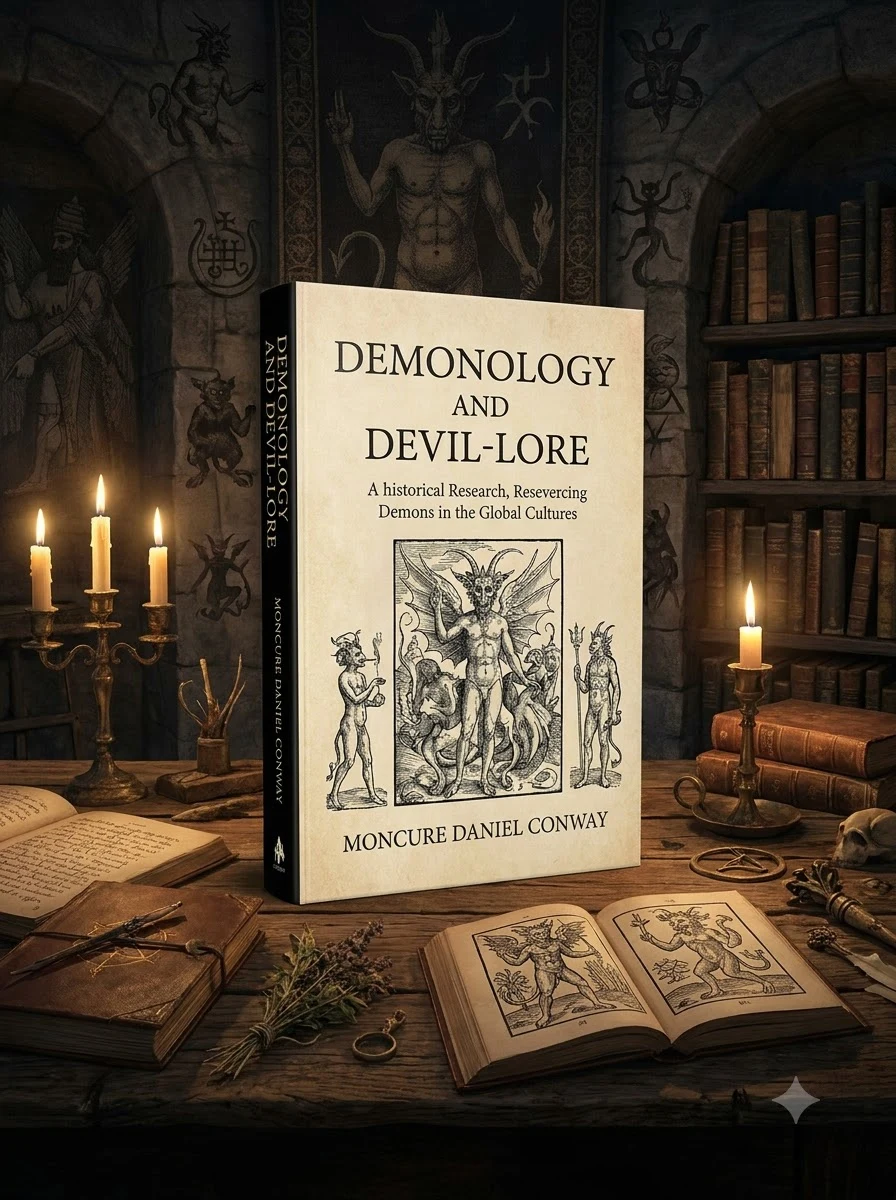

Demonology and Devil-Lore - The Complete Volume
✍️ Conway, Moncure DanielMoncure Daniel Conway's seminal work offers a panoramic and systematic exploration of the Devil and demonic entities across the world's diverse spiritual traditions. First published in 1879, this comprehensive study meticulously traces how the notion of evil has evolved from ancient, fragmented beliefs into the ubiquitous figure of ultimate malevolence. Drawing upon a vast array of global mythologies and religious texts, Conway presents an unparalleled examination of humanity's enduring struggle to define and confront the forces of darkness. It remains a foundational text for understanding comparative demonology.


📝 Description: Demonology and Devil-Lore - The Complete Volume
💎 Expert review
📖 Why choose it
Why this book is worth reading
This volume is an essential resource for scholars, historians of religion, and serious enthusiasts of esoteric studies who seek a comprehensive understanding of how the concept of evil has evolved globally. Conway’s panoramic exploration provides invaluable context for anyone interested in the intersection of mythology, theology, and human psychology. By tracing the development of demonic entities across diverse spiritual traditions, the book offers profound insights into humanity's enduring struggle to define darkness. It is particularly rewarding for readers who appreciate systematic, scholarly approaches to mythological analysis rather than sensationalist accounts. If you are looking for a rigorous, well-researched examination of comparative demonology that respects the complexity of ancient beliefs, this complete volume serves as an indispensable guide to the primal fears that have shaped our collective imagination.
⭐ Reader reviews
Reader rating
Conway’s seminal work remains a significant contribution to the field of comparative demonology, offering a meticulous and systematic analysis of demonic figures across global traditions. The breadth of its research is impressive, providing a coherent narrative from fragmented ancient beliefs to modern conceptions of malevolence. However, readers seeking quick, sensationalist tales of devilry will find this text dry and overly academic. It requires patience and an interest in historical theology rather than entertainment. Those looking for practical occult advice or fictional horror narratives should look elsewhere. This is a scholarly survey, not a spellbook or story collection. It suits the intellectual curiosity of the academic reader but may alienate those expecting accessible or mystical experiences. Ultimately, it is a vital reference for understanding the historical construction of evil.
❓ Frequently asked questions
📖 Who should read this
For the serious student of folklore, mythology, or comparative religion, this is an indispensable resource. If you seek to understand the deep historical and cultural roots of evil's personification, rather than a theological interpretation, Conway's exhaustive scholarship will illuminate your path.
🎯 Key themes and symbolism
Evolution of Evil Concepts
This volume meticulously charts the historical progression of evil personified, from ancient, localized spirits of misfortune to the fully formed, universal figure of the Devil. Conway illustrates how these concepts transformed and adapted across millennia, reflecting societal changes and theological developments in various cultures, offering a dynamic view of how malevolence is understood.
Global Mythologies Explored
The book delves into an impressive breadth of global mythologies and religious systems. Conway draws comparisons and contrasts across traditions from the East to the West, revealing both the unique cultural expressions of evil and the surprising commonalities in how diverse peoples have conceptualized and depicted their adversaries, both divine and mundane.
Comparative Religious Study
As a prominent scholar of comparative religion, Conway applies a rigorous, systematic methodology to analyze these varied demonologies. The work goes beyond mere cataloging, seeking to uncover underlying patterns, influences, and shared human psychological foundations that contribute to the universal presence of demonic figures in spiritual narratives worldwide.
📜 Historical context
📚 Glossary
- Demonology
- Comparative Religion
- Folklore
📔 Questions to reflect on
- How do the 'demons' or 'evil' figures in your own cultural background reflect broader human anxieties, as discussed by Conway?
- Consider how the concept of evil might continue to evolve in modern times. What new 'demonic' figures might emerge from contemporary societal fears?
- Reflect on the power of naming and personifying abstract concepts like evil. How does giving 'evil' a face change our relationship to it?