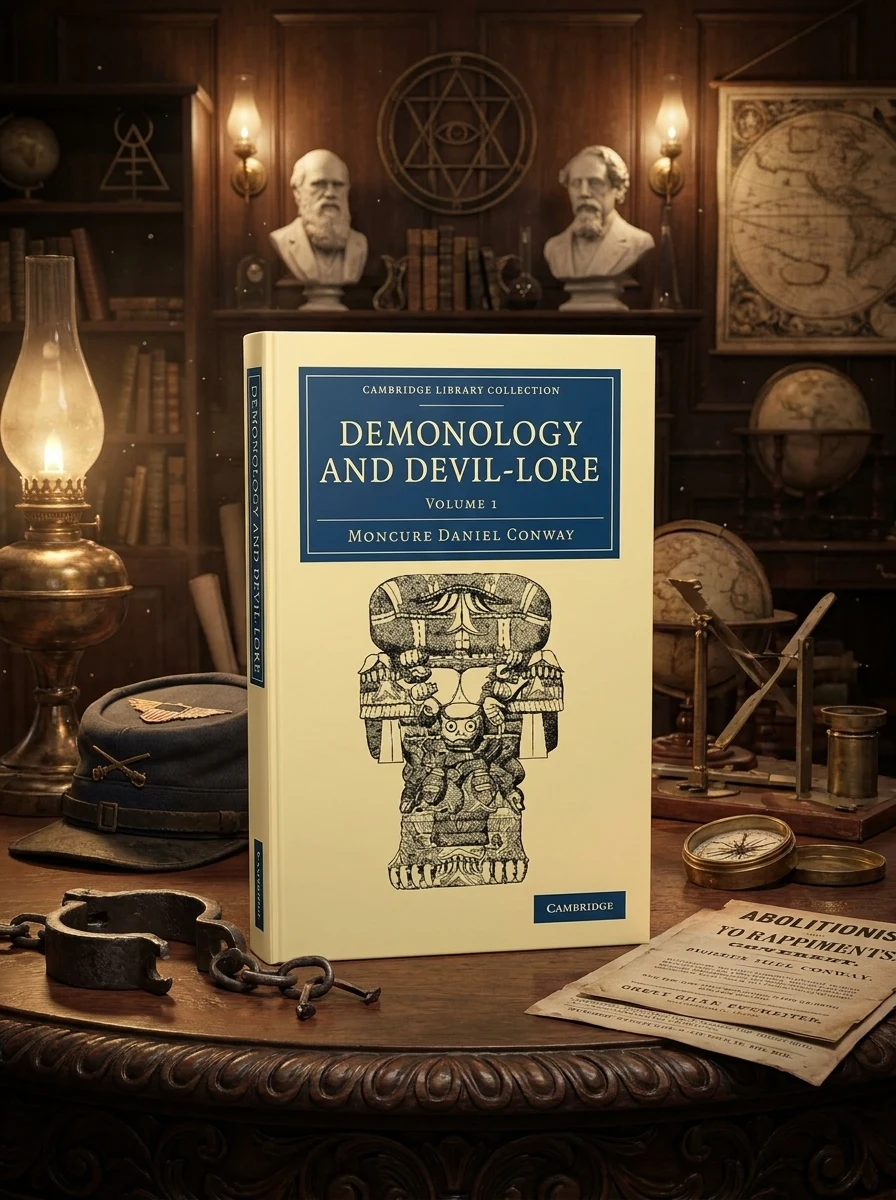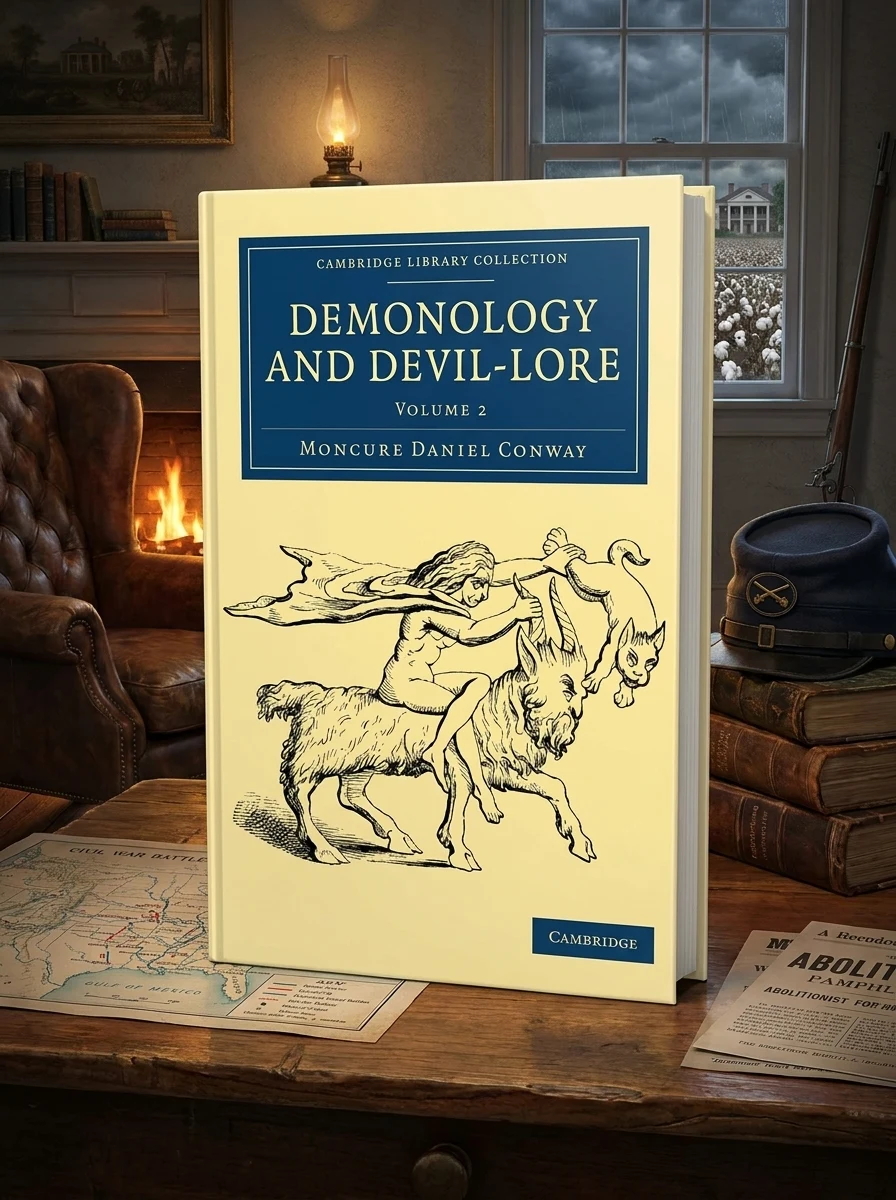
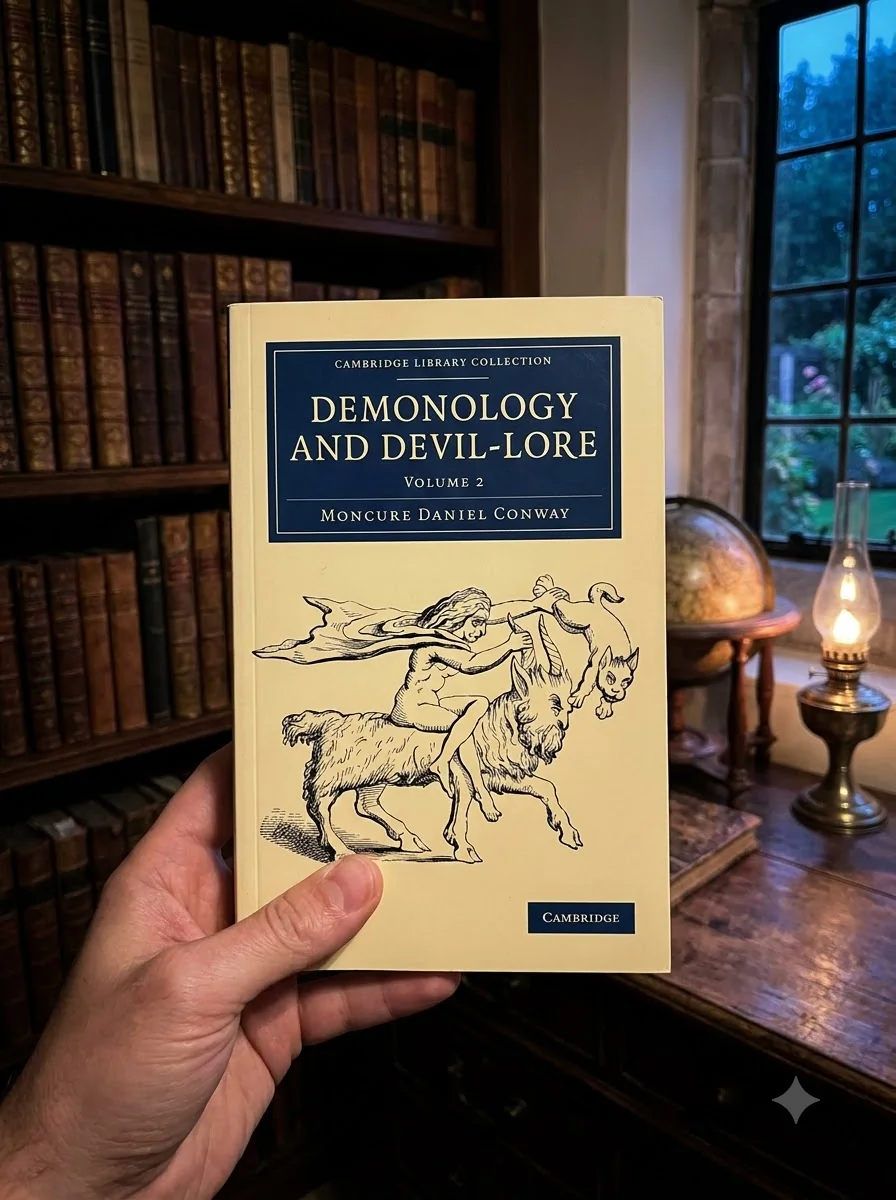
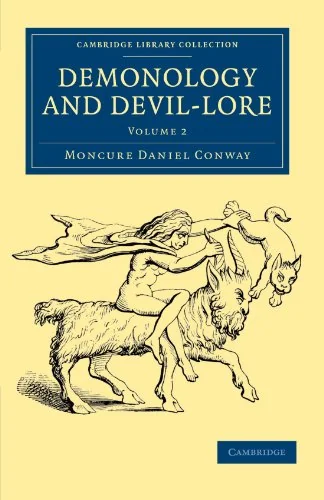
Demonology and Devil-Lore - Volume 2 Conway, Moncure Daniel
✍️ Conway, Moncure DanielMoncure Daniel Conway’s second volume intricately explores the global tapestry of evil, examining how diverse cultures have conceptualized demons and the devil. From his unique perspective as a former Unitarian minister turned fervent freethinker, Conway dissects these supernatural antagonists not as literal entities, but as evolving cultural constructs. This comprehensive study offers a critical, comparative look at the pervasive influence of demonic lore across civilizations, providing an essential resource for understanding the historical development and cultural significance of evil personifications.


📝 Description: Demonology and Devil-Lore - Volume 2 Conway, Moncure Daniel
💎 Expert review
📖 Why choose it
Why this book is worth reading
Scholars and curious readers interested in the anthropology of religion will find immense value in Conway’s rigorous, comparative approach. By treating demonic figures as evolving cultural constructs rather than literal beings, the text offers a fresh perspective on how humanity has historically personified evil. This volume is essential for those seeking to understand the psychological and sociological roots of fear and morality across diverse civilizations. It serves as a vital resource for anyone wishing to trace the intellectual lineage of modern secular views on mythology, providing depth to one’s understanding of global belief systems without accepting their supernatural premises.
⭐ Reader reviews
Reader rating
Conway delivers a dense, scholarly examination that prioritizes historical analysis over narrative engagement. While intellectually stimulating for those versed in comparative mythology, this book is not suited for casual readers seeking entertaining ghost stories or quick, accessible summaries of demon lore. The academic tone may alienate general audiences looking for lighter fare. However, for serious students of religious history and freethought literature, it remains a significant contribution to the field, offering a critical dissection of evil’s conceptual evolution that demands patience and intellectual commitment.
❓ Frequently asked questions
📖 Who should read this
This volume is indispensable for scholars of comparative religion, cultural anthropologists, and anyone fascinated by mythology's historical development. If you seek a nuanced, critical examination of evil's personifications, rather than a guide to their invocation, Conway's work illuminates centuries of human belief.
🎯 Key themes and symbolism
Comparative Demonology's Evolution
Conway meticulously traces the origins and transformations of demonic figures across various mythologies and religious traditions. He illustrates how similar archetypes of malevolence emerge and adapt in different cultural contexts, revealing common threads in humanity's attempts to personify evil and chaos.
Freethought's Critical Lens
Drawing on his background as a freethinker, Conway approaches demonology not as a believer, but as an analyst. He scrutinizes established doctrines, unraveling the societal and psychological underpinnings that gave rise to and sustained beliefs in devils, questioning their literal interpretations and dogmatic assertions.
Cultural Mythology's Power
This volume highlights the profound impact of mythological narratives on human societies. Conway demonstrates how stories of demons and devils have shaped ethical frameworks, social control mechanisms, and the collective imagination, influencing everything from political discourse to individual fears throughout history.
📜 Historical context
📚 Glossary
- Demonology
- Freethinker
- Unitarianism
📔 Questions to reflect on
- How do contemporary fears or anxieties manifest in our modern mythology or narratives of evil?
- Consider a specific cultural demon or devil. How has its portrayal evolved over time, and what might these changes reflect about that society?
- Reflect on the role of 'freethinking' in challenging established spiritual or philosophical narratives. What are the benefits and challenges of such an approach?