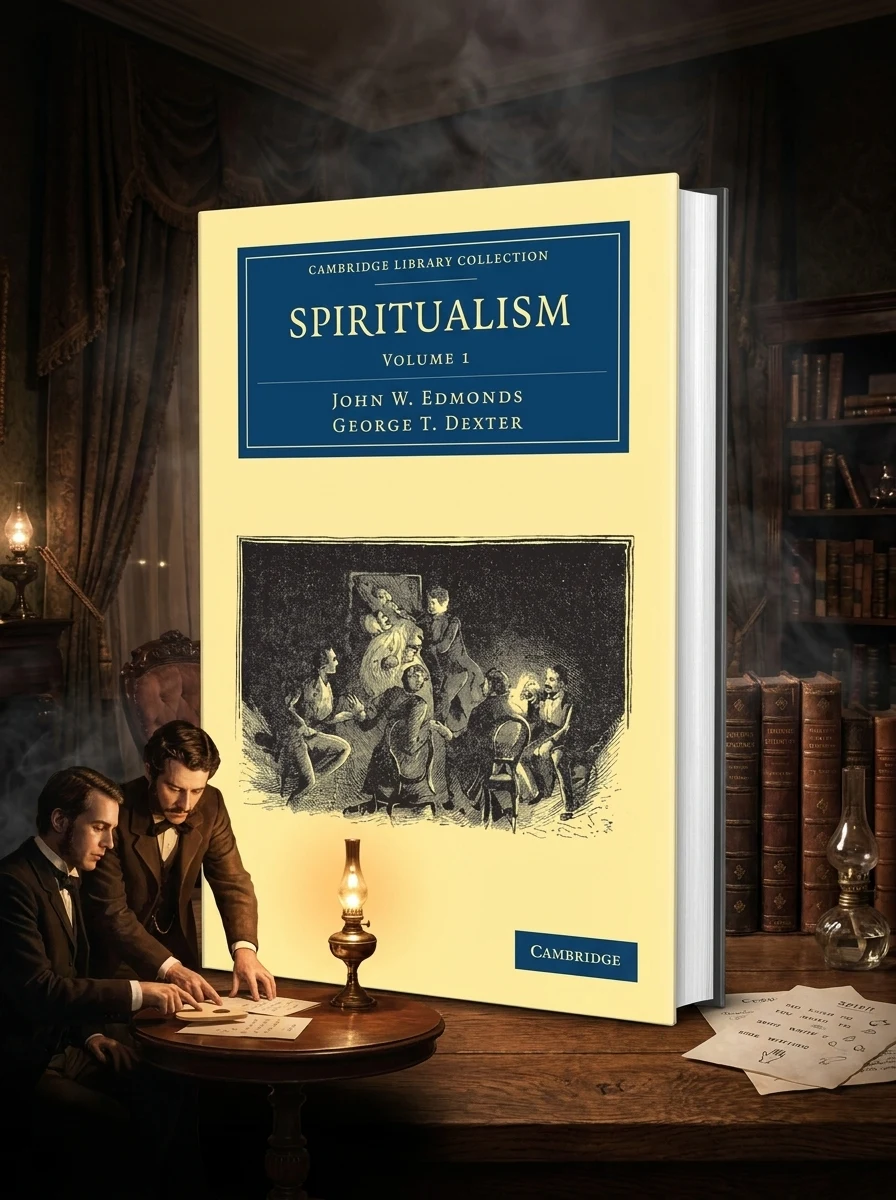
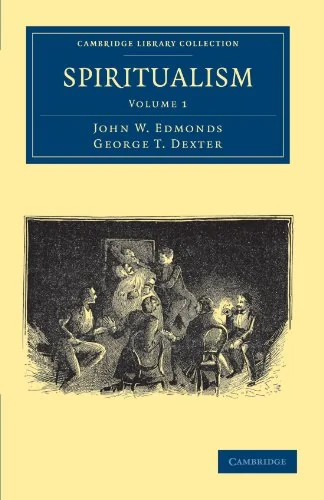
Spiritualism - Volume 1
A historical account of two New York men joining the spiritualist movement after initial skepticism.
The authors begin as skeptics before entering the spiritualist circle. Their professional backgrounds in law and medicine inform their perspective. The book details their journey from doubt to active participation. It provides a structured look at the era’s spiritualist activities. The narrative relies on their direct observations rather than abstract theory. This approach offers a unique insight into how intellectuals of the time engaged with the occult.
This work emerges from mid-nineteenth century New York. It reflects the era’s growing interest in spiritualism among educated professionals. The authors represent a bridge between legal/medical authority and mystical inquiry.


📝 Description: Spiritualism - Volume 1
💎 Expert review
📖 Why choose it
Why this book is worth reading
Readers fascinated by the intersection of rational inquiry and spiritual experience will find this text profoundly rewarding. It is ideal for those interested in the history of science, law, or medicine who wish to understand how prominent figures navigated the boundary between skepticism and belief. The narrative offers a unique perspective on the intellectual awakening of influential 19th-century individuals, providing valuable insight into the personal journeys of a judge and a physician. Those seeking to comprehend the rigorous methodology behind early spiritualist claims will appreciate the meticulous observations detailed within these pages.
⭐ Reader reviews
Reader rating
Edmonds and Dexter provide a compelling account of their transition from skepticism to belief, offering a rare glimpse into the minds of respected professionals exploring the unseen. However, this work may not suit readers seeking purely supernatural thrillers or those who view spiritualism with immediate dismissal. It requires patience for detailed, methodical reporting rather than dramatic flair. While intellectually stimulating for historians and philosophers of science, casual readers might find the tone somewhat dry due to its focus on rigorous investigation over emotional resonance. It remains a significant primary source for understanding the movement's credibility among elites.
❓ Frequently asked questions
📖 Who should read this
If you're fascinated by the origins of spiritualism, the intersection of reason and the occult, or the personal narratives of intellectual pioneers, this foundational text is essential reading. It's for those seeking to understand the historical roots of spirit communication.
🎯 Key themes and symbolism
Skepticism to Belief
The book meticulously details the authors' initial resistance and scientific questioning of spiritualist phenomena. It tracks their personal evolution as evidence mounted, illustrating a compelling transformation from critical observers to convinced participants, thereby lending significant credibility to their eventual affirmations of spirit contact.
Science Meets Spirit
Edmonds, a jurist, and Dexter, a physician, applied their professional disciplines to the study of spiritualism. This interdisciplinary approach highlights attempts to rationalize and document paranormal experiences within a framework of empirical observation, bridging the gap between emerging scientific thought and metaphysical inquiry in the 19th century.
Early Spiritualist Movement
This work serves as a primary document from the burgeoning American spiritualist movement of the mid-1800s. It provides firsthand accounts and reflections from prominent individuals who were not just dabbling, but actively shaping the discourse around spirit communication, revealing the societal and intellectual currents of the era.
📜 Historical context
📚 Glossary
- Spiritualism
- Mediumship
- Skepticism
📔 Questions to reflect on
- Reflect on a time when your own skepticism was challenged by an unexpected experience. How did you reconcile your beliefs with new information?
- How might a modern scientific or legal mind approach the phenomena described by Edmonds and Dexter today? What tools or methodologies would they employ?
- Consider the social and cultural implications of prominent figures like Edmonds endorsing spiritualism in the 19th century. What parallels exist in contemporary society regarding acceptance of fringe beliefs?
📖 Read on the blog
🏛 Books from this publisher Cambridge University Press
All books from this publisher →


You might also like
See more →


Have a question about this item?
Ask about the edition, condition, delivery or anything else — we reply by email or phone, usually within a day.
