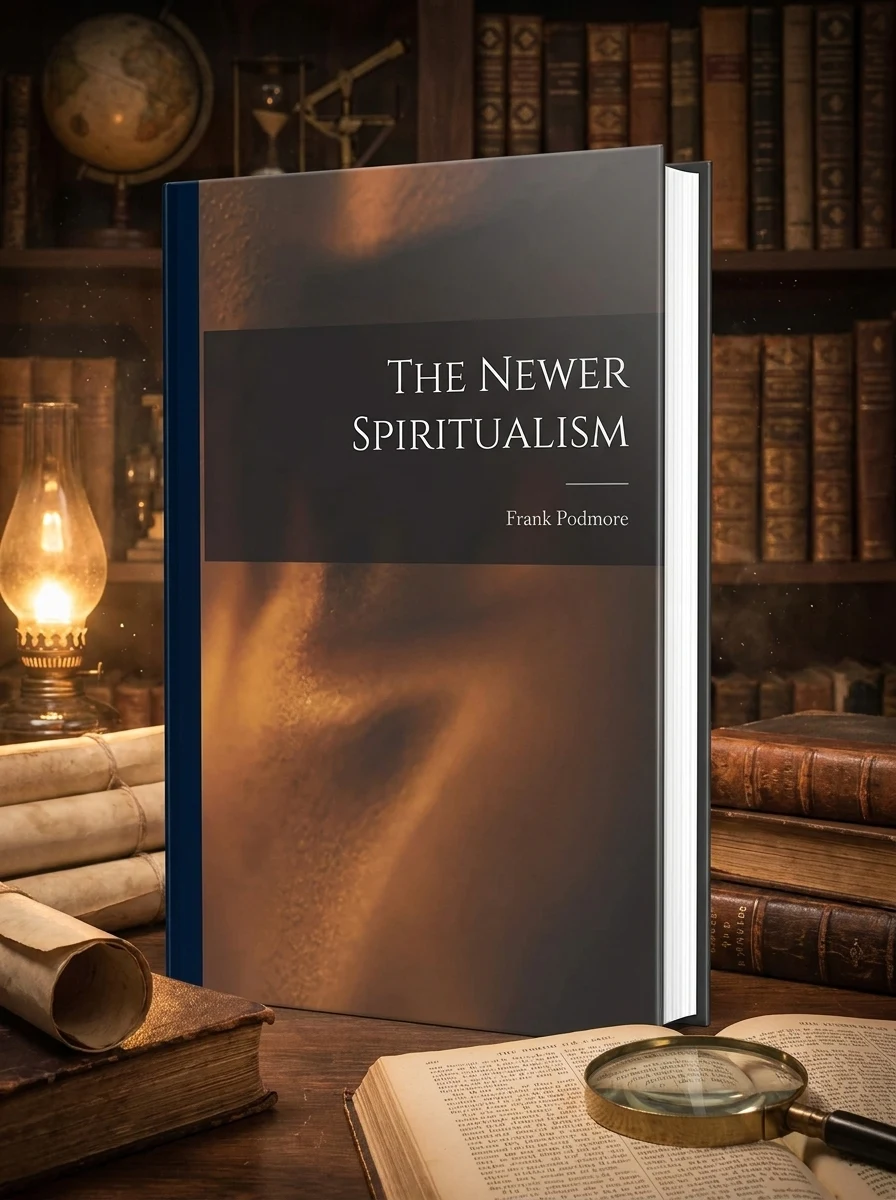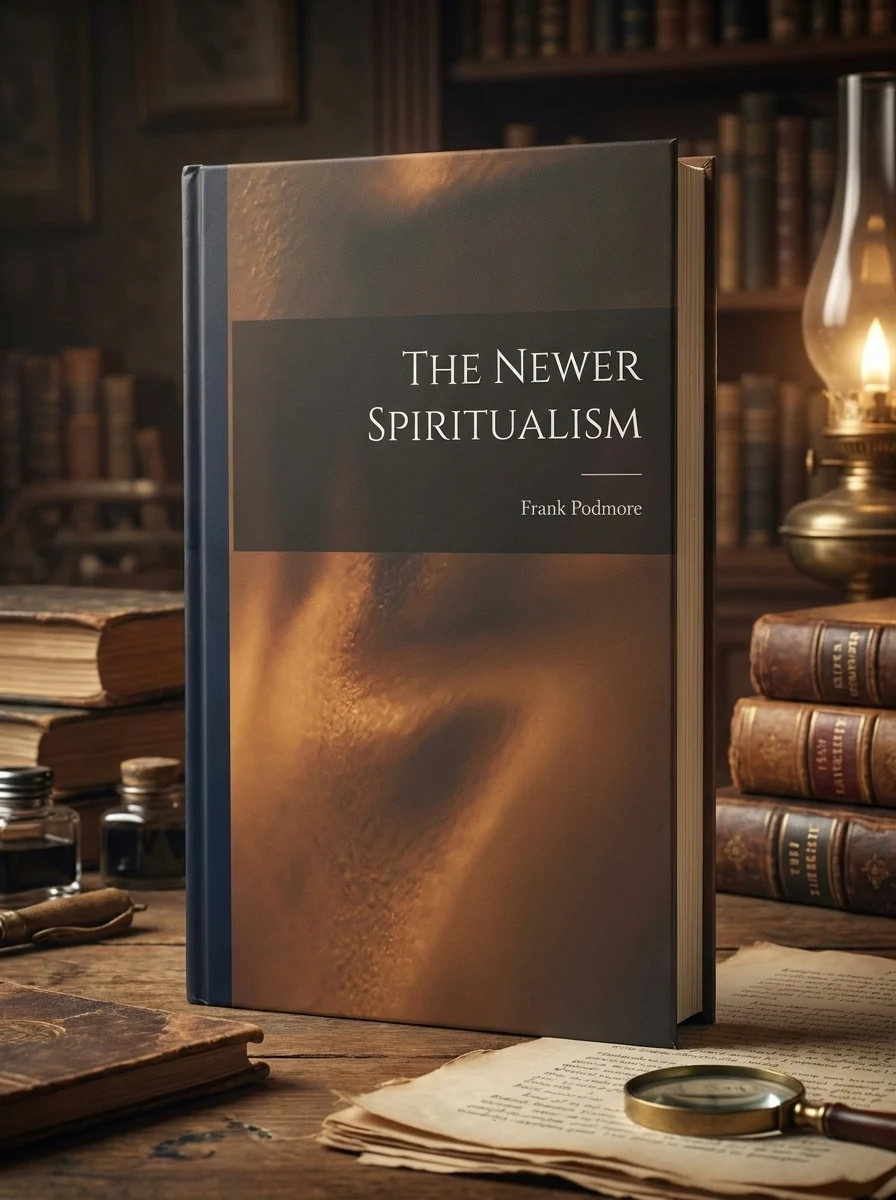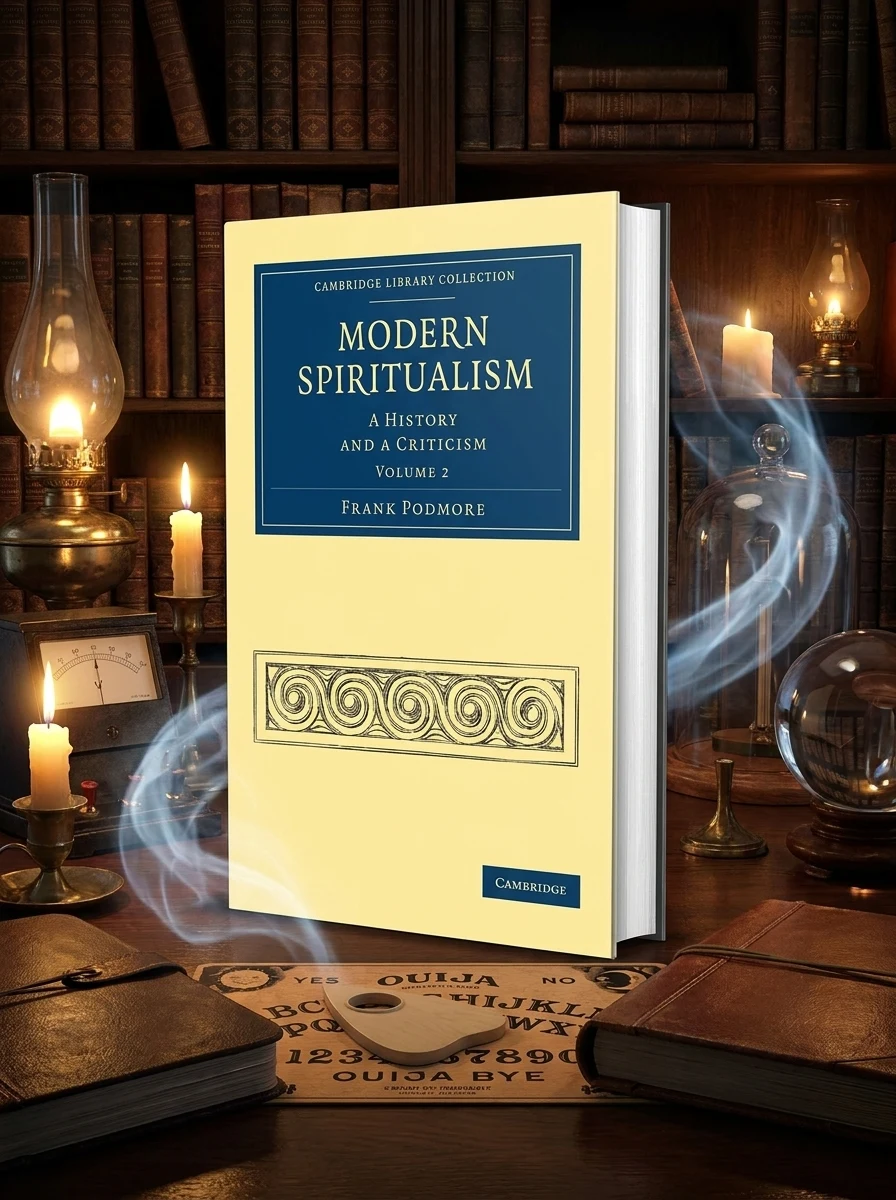
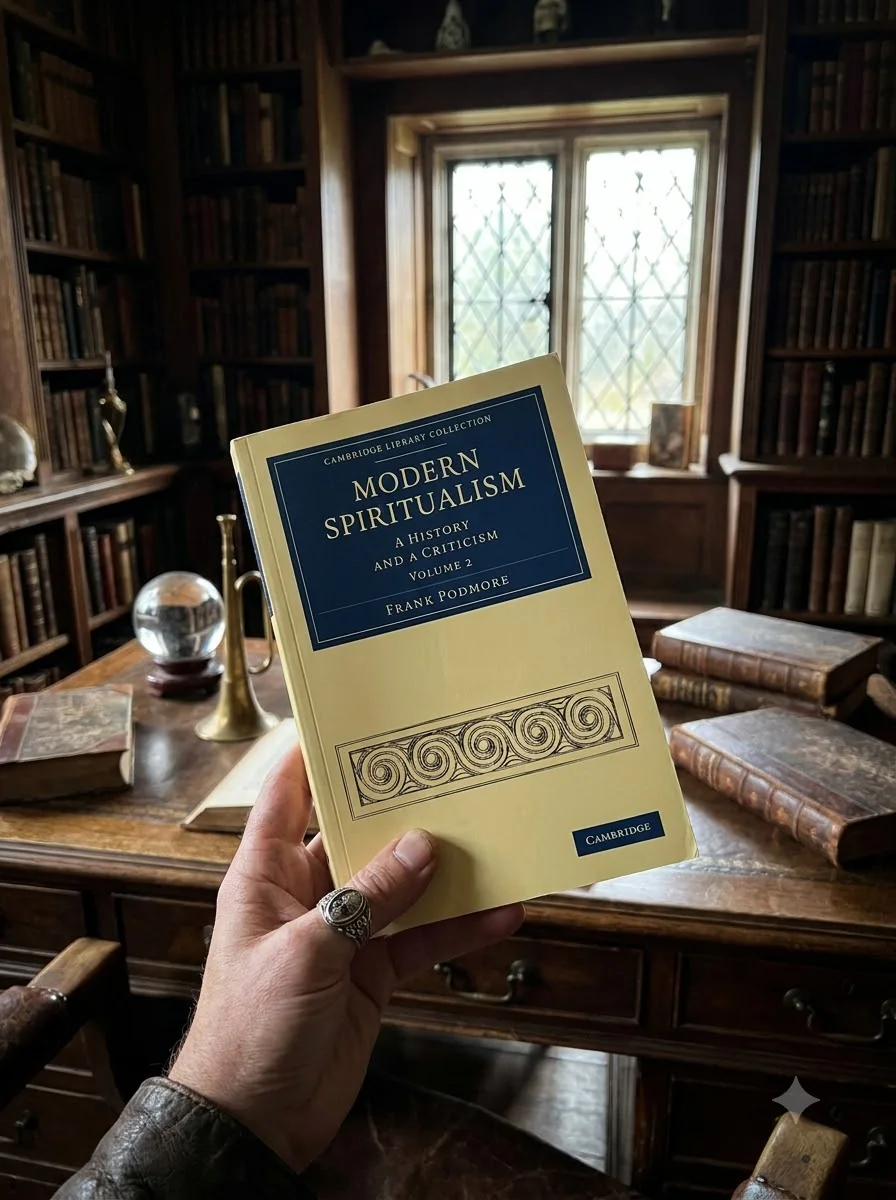

Modern Spiritualism - Volume 2 Podmore, Frank
✍️ Podmore, FrankFrank Podmore's monumental two-volume study, published in 1902, remains an essential cornerstone for understanding the spiritualist phenomenon. This second installment meticulously continues to chart the movement's evolution, tracing its intricate lineage from the foundational concepts of animal magnetism through to its more developed expressions. Podmore offers a dispassionate yet thorough historical account, making it the definitive early analysis of how communication with the unseen world captivated an era. It’s a crucial resource for any serious student of esoteric history.


📝 Description: Modern Spiritualism - Volume 2 Podmore, Frank
💎 Expert review
📖 Why choose it
Why this book is worth reading
Serious students of esoteric history will find immense value in this monumental study, which meticulously charts the intricate lineage of spiritualism from its roots in animal magnetism. Podmore provides a dispassionate yet thorough historical account that is essential for grasping how the movement captivated an entire era. Readers seeking to understand the genesis of these practices, from mesmeric trances to whispers from beyond, will appreciate the depth of this definitive early analysis. It offers a crucial resource for anyone wishing to comprehend the cultural and psychological underpinnings of the spiritualist phenomenon without the bias of personal belief.
⭐ Reader reviews
Reader rating
While Podmore’s two-volume set remains an essential cornerstone for understanding the spiritualist phenomenon, it is not for everyone. This dispassionate historical account demands patience from readers seeking quick answers or supernatural validation. Those looking for practical guides on mediumship or emotional comfort will likely find its academic tone dry and unengaging. However, for the serious scholar of esoteric history, this rigorous examination of the movement’s evolution is unparalleled. It does not suit casual readers expecting sensationalism, but it rewards those willing to engage with a thorough, albeit dense, exploration of how communication with the unseen world once captivated the public imagination.
❓ Frequently asked questions
📖 Who should read this
If you are a serious student of esoteric history, psychical research, or the cultural impact of spiritual movements, this book offers an unparalleled historical perspective. It is ideal for those seeking to understand the intellectual foundations of spiritualism, not its practice.
🎯 Key themes and symbolism
Historical Unfolding
Podmore's work meticulously chronicles the progression of spiritualist thought and practice, detailing its key figures, significant events, and doctrinal shifts over time. This volume extends his foundational narrative, offering a continuous thread from its earliest philosophical leanings to its widespread societal impact, providing readers with a robust chronological framework.
Mesmeric Roots
Before the rise of séance circles, practices like animal magnetism laid crucial groundwork. Podmore illuminates how these earlier theories of invisible forces and therapeutic trances influenced the conceptual frameworks that spiritualism later adopted. He effectively demonstrates the intellectual and experimental precursors that paved the way for belief in spirit communication.
Critical Examination
While a comprehensive history, Podmore approaches his subject with the critical eye of an early psychical researcher. His narrative carefully dissects claims and events, presenting a balanced, though often skeptical, analysis of the spiritualist movement's various manifestations. This offers a valuable counterpoint to purely devotional accounts.
📜 Historical context
📚 Glossary
- Spiritualism
- Animal Magnetism
- Mediumship
📔 Questions to reflect on
- How does understanding the historical development of spiritualism influence your perception of contemporary esoteric practices?
- Reflect on the interplay between scientific inquiry and spiritual belief as presented in early accounts of spiritualism. What tensions or collaborations emerge?
- Consider the societal factors that led to the widespread acceptance of spiritualism in the 19th and early 20th centuries. What parallels exist today for new belief systems?