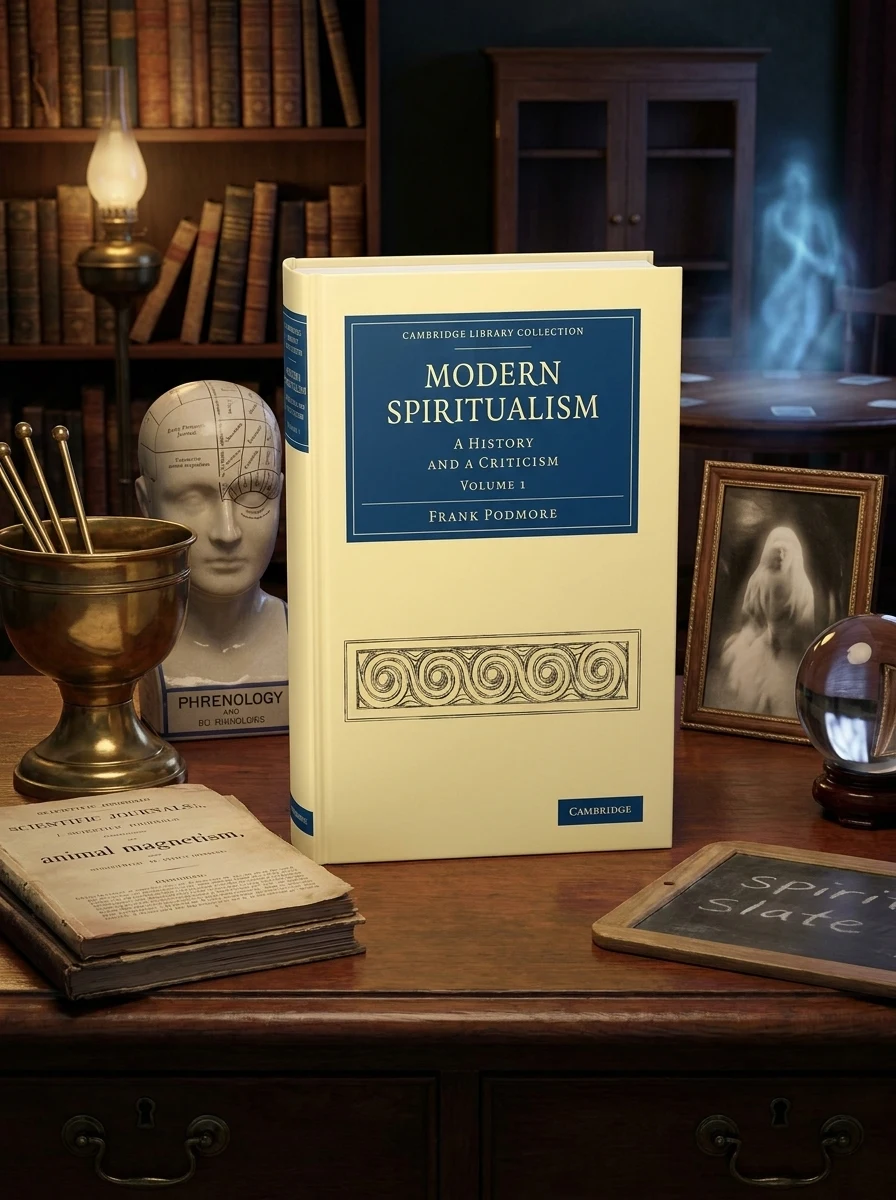
Modern Spiritualism: A History and a Criticism V2
✍️ Podmore, FrankThis comprehensive historical survey delves into the complex world of Spiritualism, tracing its development from its fervent origins through its various manifestations and controversies. Penned at the turn of the 20th century, this volume offers a meticulously researched, yet undeniably critical, examination of the movement's prominent figures, phenomena, and philosophical underpinnings. It explores the societal impact and psychological aspects of spiritualist practices, challenging readers to consider the evidence with a discerning eye. Essential for understanding both the allure and the skepticism surrounding this fascinating chapter in occult history.


📝 Description: Modern Spiritualism: A History and a Criticism V2
💎 Expert review
📖 Why choose it
Why this book is worth reading
Readers with a deep interest in the intersection of history, psychology, and esoteric practices will find this volume indispensable for understanding the allure and skepticism surrounding Spiritualism. It offers a meticulously researched examination of prominent figures and philosophical underpinnings, providing essential context for those studying occult history. By challenging readers to consider evidence with a discerning eye, it illuminates the complex world of spiritualist practices from their fervent origins through various manifestations. This critical Edwardian lens allows modern enthusiasts to appreciate both the movement's rise and fall, making it a vital resource for scholars and curious minds alike who wish to grasp the historical weight and intellectual debates that defined this fascinating chapter.
⭐ Reader reviews
Reader rating
This comprehensive survey provides a valuable, albeit rigorous, look at Spiritualism’s development from its origins through its controversies. While essential for historians of the occult, it may not suit readers seeking uncritical validation of spiritualist phenomena or those preferring narrative-driven accounts over analytical criticism. The text demands patience and an open but skeptical mind, as it rigorously examines psychological aspects and societal impacts rather than offering easy answers. It is best suited for academic audiences or serious investigators interested in the Edwardian perspective on these matters, rather than casual readers looking for mystical inspiration or simple historical anecdotes without intellectual friction.
❓ Frequently asked questions
📖 Who should read this
If you're captivated by the historical intersection of spirituality, skepticism, and human psychology, this book is for you. Ideal for researchers of 19th-century occult movements, critical thinkers, and anyone seeking a nuanced, historically grounded perspective on Spiritualism's enduring legacy.
🎯 Key themes and symbolism
The Rise of Spiritualism
Explores the burgeoning popularity and initial fervent acceptance of Spiritualism, detailing its cultural impact and the societal conditions that fostered its rapid growth during the 19th century, highlighting key figures and early manifestations of the movement across different regions.
Critique of Psychic Phenomena
Offers a penetrating analysis of alleged spiritualist phenomena, from seances and mediumship to physical manifestations, examining the evidence presented by practitioners and skeptics alike, often exposing the mechanisms of deception and self-delusion with a scholarly, discerning eye.
Historical & Social Impact
Documents how Spiritualism intertwined with broader social and scientific debates of its era, influencing philosophical thought, religious inquiry, and public perception of the unseen world, charting its evolution and eventual decline in mainstream acceptance and scholarly credibility.
📜 Historical context
📚 Glossary
- Spiritualism
- Mediumship
- Psychical Research
📔 Questions to reflect on
- How do historical accounts like Podmore's shape our contemporary understanding of occult movements and belief systems, especially those that have fallen out of favor?
- Consider the societal conditions in the late 19th and early 20th centuries that made Spiritualism so appealing. Are there modern parallels to this search for meaning or communication?
- How does one critically evaluate claims of supernatural phenomena while remaining open to genuine experiences beyond current scientific understanding? What criteria would you use?