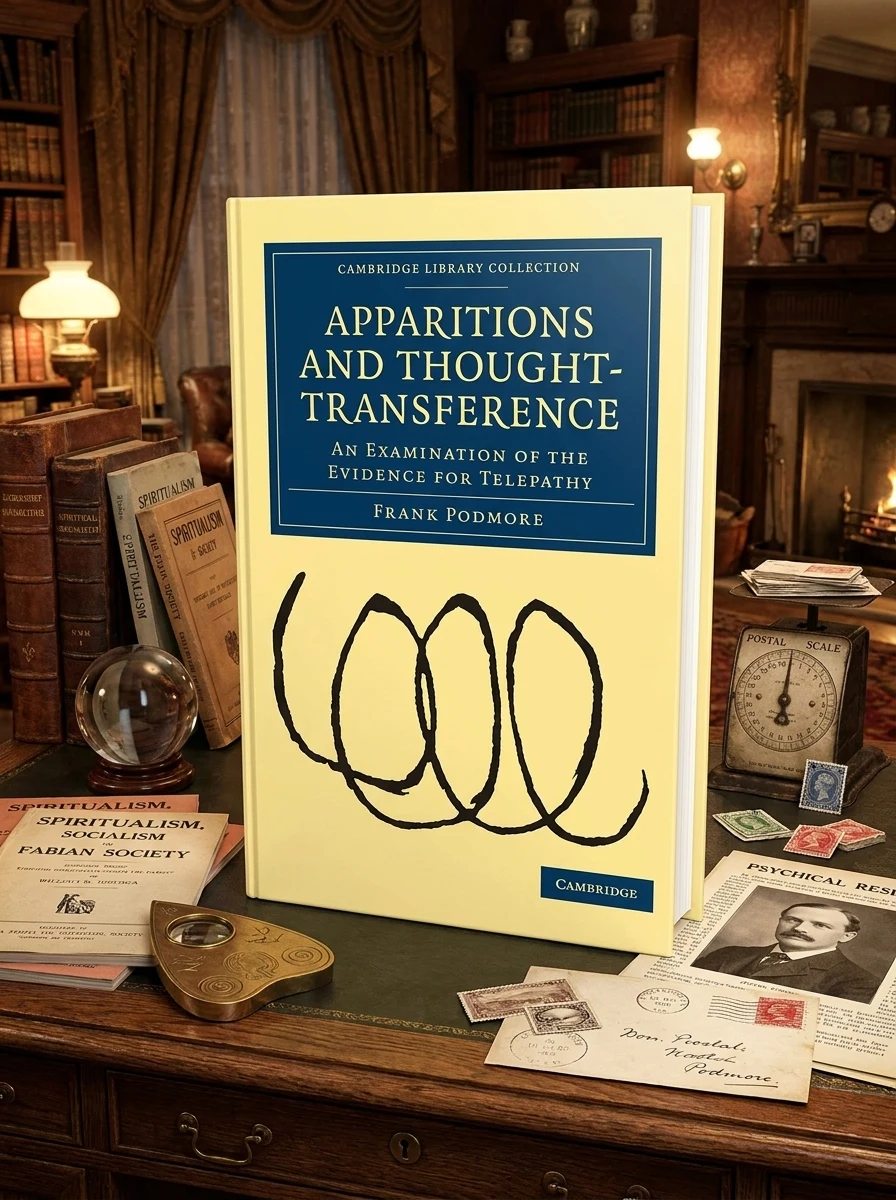
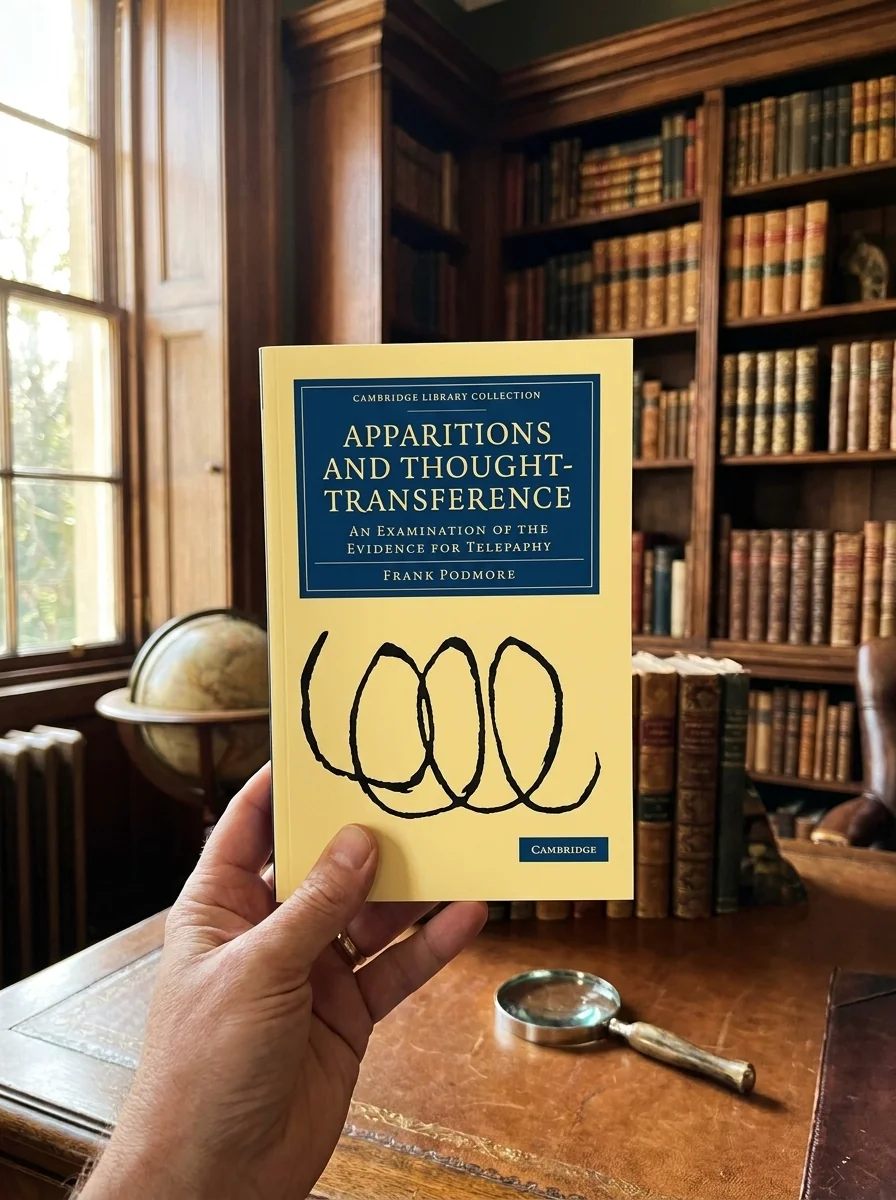
Apparitions and Thought-Transference Podmore, Frank
✍️ Podmore, FrankDelve into the seminal investigations of Frank Podmore, a distinguished figure of the late Victorian era. A pioneering paranormal researcher and co-founder of the Fabian Society, Podmore's intellectual journey began with an early fascination with spiritualism during his Oxford years. This volume meticulously explores his critical inquiries into reported instances of apparitions and the intriguing phenomenon of thought-transference. It represents an early, rigorous attempt to apply a systematic, almost scientific, lens to experiences often relegated to superstition, seeking to understand the psychological and empirical underpinnings of the unseen.


📝 Description: Apparitions and Thought-Transference Podmore, Frank
💎 Expert review
📖 Why choose it
Why this book is worth reading
Readers fascinated by the historical evolution of parapsychology and the Victorian struggle to reconcile rationalism with spiritual experience will find this volume invaluable. It offers a unique window into how distinguished intellectuals like Frank Podmore attempted to demystify apparitions and thought-transference through systematic inquiry rather than blind faith. Those interested in the psychological underpinnings of the unseen, or those studying the Fabian Society's broader cultural impact, will appreciate the meticulous documentation of early empirical approaches to the occult. This book serves as a crucial bridge between scientific skepticism and esoteric wonder, appealing to historians of science, paranormal researchers, and anyone curious about how the Victorian mind grappled with the invisible forces of perception and reality.
⭐ Reader reviews
Reader rating
This text is a serious academic exercise in paranormal investigation, suitable for scholars and dedicated esoteric historians. It does not suit readers seeking entertaining ghost stories or immediate spiritual validation, as its tone is analytical and detached. The rigorous application of scientific lenses to supernatural claims may feel dry or overly skeptical to those preferring mystical narratives. While intellectually stimulating for those interested in the Fabian Society's lesser-known contributions to psychical research, it requires patience and an appreciation for late Victorian scholarly discourse rather than casual interest in the occult.
❓ Frequently asked questions
📖 Who should read this
If you're fascinated by the origins of psychical research, the history of skeptical inquiry into the supernatural, or the intellectual climate of Victorian England, this book offers a compelling journey. It's for those who appreciate a rigorous, yet open-minded, exploration of the mind's hidden capabilities.
🎯 Key themes and symbolism
Investigating Psychic Phenomena
This work meticulously examines historical accounts and contemporary reports of apparitions and telepathy. Podmore applies a systematic, critical approach, seeking empirical evidence rather than relying solely on anecdotal or spiritual explanations. It showcases an early attempt to bring methodological rigor to phenomena often dismissed or uncritically accepted.
Victorian Rationalism & Mysticism
Podmore’s research is firmly situated within the intellectual ferment of late 19th-century England. His dual role as a socialist and a psychical researcher reflects the era's complex blend of scientific optimism, social reform, and a persistent fascination with the unknown, challenging established norms.
Perception and Reality
Beyond mere cataloging of events, Podmore subtly probes the boundaries of human perception and the construction of reality. He explores how individual consciousness might interact with or even create experiences that seem to transcend conventional understanding, questioning what constitutes a "real" phenomenon.
📜 Historical context
📚 Glossary
- Apparition
- Thought-Transference
- Society for Psychical Research
📔 Questions to reflect on
- How might a phenomenon like thought-transference challenge our modern understanding of consciousness and communication?
- In what ways can a "scientific" approach to the paranormal inadvertently influence or shape the very phenomena it seeks to observe?
- Reflect on a personal experience that defied easy explanation. How might Podmore's investigative framework approach such an event?