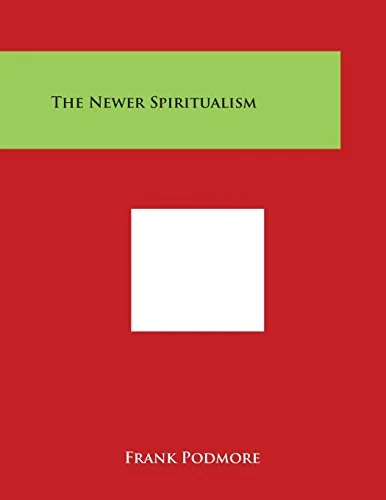
The Newer Spiritualism
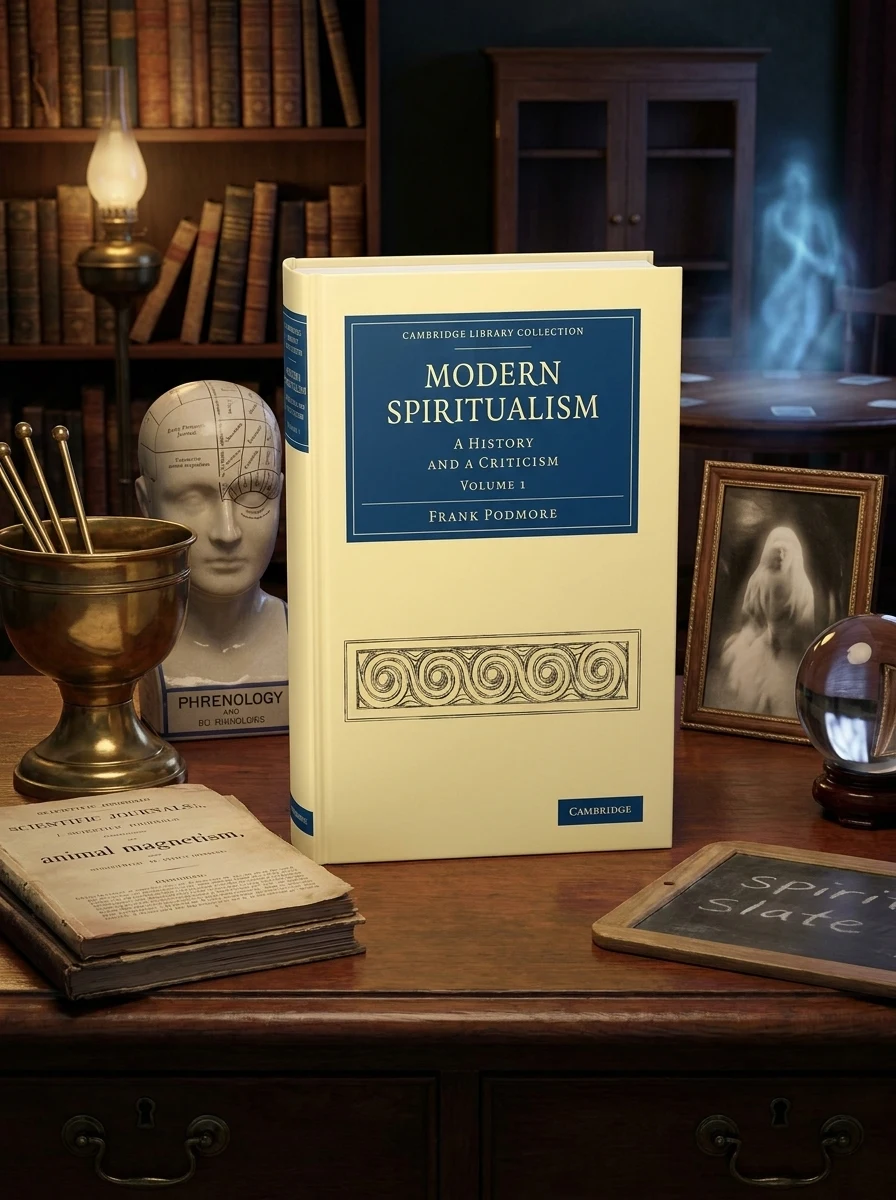
✍️ Podmore, FrankFrank Podmore's seminal 1910 treatise offers a rigorous historical and critical examination of the spiritualist movement. This reissued edition delves into the various manifestations of psychic phenomena, from mediumship and apparitions to telepathy, scrutinizing the evidence with a discerning eye. It explores the cultural and psychological underpinnings of belief in the unseen, providing an invaluable resource for understanding the early 20th-century fascination with communication beyond the veil. Podmore’s work remains a cornerstone for anyone seeking a scholarly, rather than merely devotional, perspective.


📝 Description: The Newer Spiritualism
💎 Expert review
📖 Why choose it
Why this book is worth reading
Readers seeking a rigorous, scholarly perspective on the spiritualist movement will find immense value in this text. It is ideal for those who wish to understand the historical and psychological drivers behind the early 20th-century obsession with the unseen, rather than accepting supernatural claims at face value. Podmore’s discerning eye provides an invaluable resource for disentangling fact from fervor, making it essential for historians of religion, skeptics, and anyone interested in the cultural history of the paranormal. It offers clarity to those weary of uncritical devotion, delivering a thorough lens through which to view spectral history.
⭐ Reader reviews
Reader rating
This reissued edition presents a seminal treatise that demands attention from serious students of esoteric history. While Podmore’s skeptical approach is intellectually stimulating for those craving analytical depth, it may disappoint readers expecting validation of spiritualist beliefs or engaging narratives of supernatural wonder. The text is dense with scrutiny rather than warmth, making it unsuitable for casual enthusiasts or devout practitioners seeking comfort in the afterlife. However, for those willing to engage with a rigorous examination of mediumship and telepathy through a critical lens, it remains an indispensable cornerstone of scholarly discourse on the subject.
❓ Frequently asked questions
📖 Who should read this
If you’re a serious student of occult history, a skeptic curious about the roots of psychic claims, or simply fascinated by the interplay of belief and evidence, this book is essential. It offers a clear, academic lens on phenomena often shrouded in mystery.
🎯 Key themes and symbolism
Investigating Psychic Phenomena
Podmore meticulously dissects claims of clairvoyance, telepathy, and mediumship, analyzing the methodologies used to "prove" such occurrences. He often highlights the human elements of perception, suggestibility, and outright deception, offering a nuanced view of events that captivated the public imagination during spiritualism's peak.
Historical Arc of Spiritualism
The book traces the development of spiritualism from its origins, charting its cultural impact and the prominent figures involved. It contextualizes the movement within the social and scientific thought of the late 19th and early 20th centuries, demonstrating how beliefs evolve and are challenged by emerging paradigms over time.
Skepticism and Belief
Podmore maintains a consistently critical stance, seeking rational explanations for phenomena often attributed to the supernatural. He champions empirical observation and logical deduction, yet acknowledges the profound human need for connection and meaning that spiritualism sought to fulfill, balancing critique with understanding of human experience.
📜 Historical context
📚 Glossary
- Spiritualism
- Psychic Phenomena
- Mediumship
📔 Questions to reflect on
- How do you personally balance skepticism with an openness to phenomena that defy conventional explanation?
- Consider a belief or movement from history you find fascinating. How might Podmore's critical approach be applied to understanding its rise and decline?
- In an age of readily available information, what new challenges or opportunities exist for the study of psychic phenomena compared to Podmore's time?