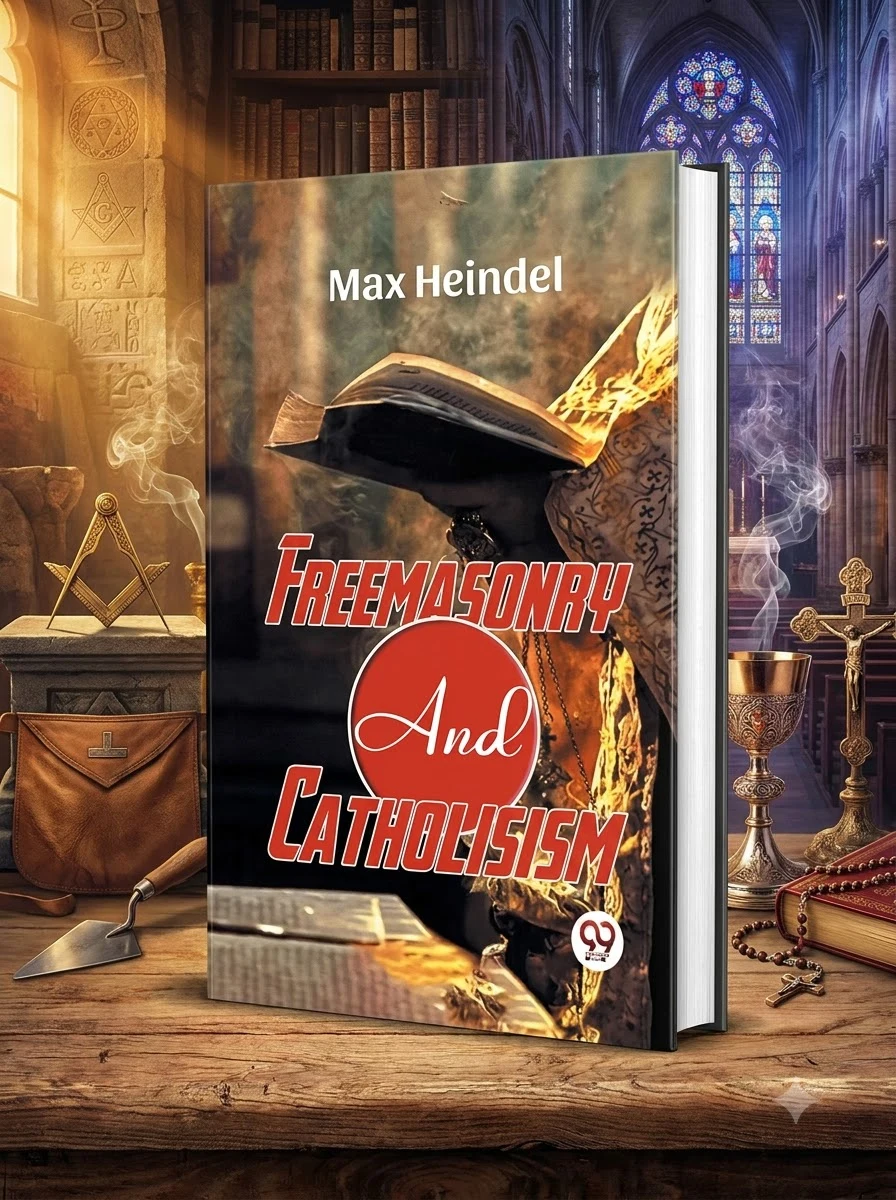
Freemasonry and Catholicism
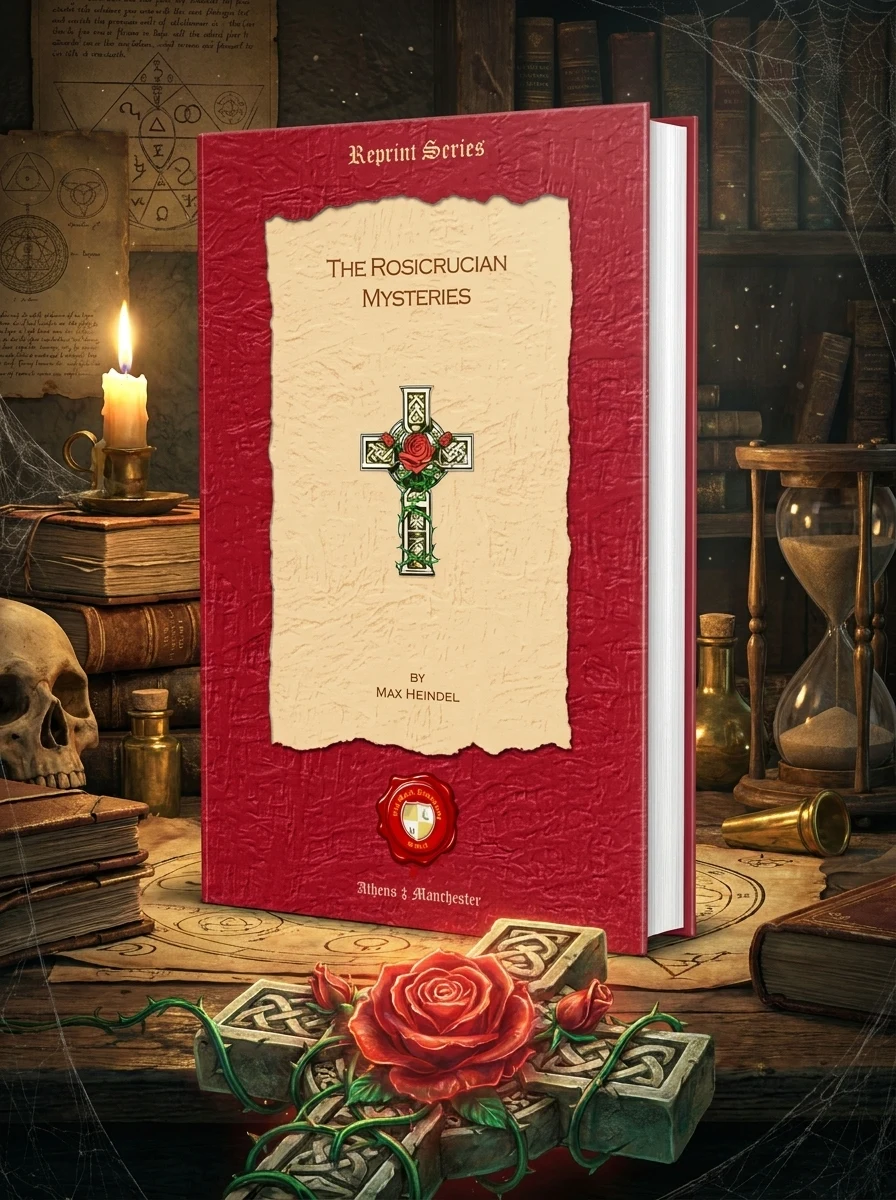
✍️ Heindel, MaxMax Heindel, a prominent Rosicrucian thinker, delves into the profound philosophical and spiritual divergences between the ancient mystical traditions of Freemasonry and the tenets of the Roman Catholic Church. This insightful work meticulously examines their respective esoteric roots, symbolic languages, and pathways to spiritual understanding. Heindel navigates the historical conflicts and theological schisms, offering a unique Rosicrucian interpretation of their underlying principles and ultimate goals. It’s an essential read for those seeking to understand the often-misunderstood relationship between these two powerful, yet seemingly disparate, spiritual currents in Western thought.


📝 Description: Freemasonry and Catholicism
💎 Expert review
📖 Why choose it
Why this book is worth reading
Readers deeply invested in the nuances of Western esotericism will find this text invaluable for its clear articulation of the philosophical divergences between Freemasonry and Catholicism. Max Heindel provides a unique Rosicrucian lens that illuminates how these two powerful currents have historically interacted, clashed, and influenced each other’s symbolic languages. Those who feel confused by the apparent contradictions in spiritual history will appreciate the meticulous examination of esoteric roots and theological schisms. It is particularly beneficial for seekers attempting to reconcile ancient mystical traditions with institutional religious frameworks, offering a coherent pathway to understanding their underlying principles without succumbing to dogmatic bias.
⭐ Reader reviews
Reader rating
Heindel offers a rigorous, albeit specialized, analysis that demands patience from the casual reader. While the Rosicrucian perspective provides fresh insight into the symbolic languages of both traditions, those seeking objective historical documentation or non-esoteric theological debate may find the interpretation too subjective. The book is not suited for readers who prefer straightforward religious history over metaphysical speculation. However, for those willing to engage with its dense philosophical arguments, it serves as a compelling guide through the often-misunderstood relationship between these spiritual currents, rewarding careful study with a deeper appreciation of their disparate yet interconnected goals.
❓ Frequently asked questions
📖 Who should read this
If you're drawn to the hidden wisdom of esoteric traditions, curious about the philosophical underpinnings of Freemasonry, or wish to understand its historical relationship with organized religion, this book offers profound insights. It's for seekers of spiritual truth beyond conventional dogma.
🎯 Key themes and symbolism
Freemasonry's Esotericism
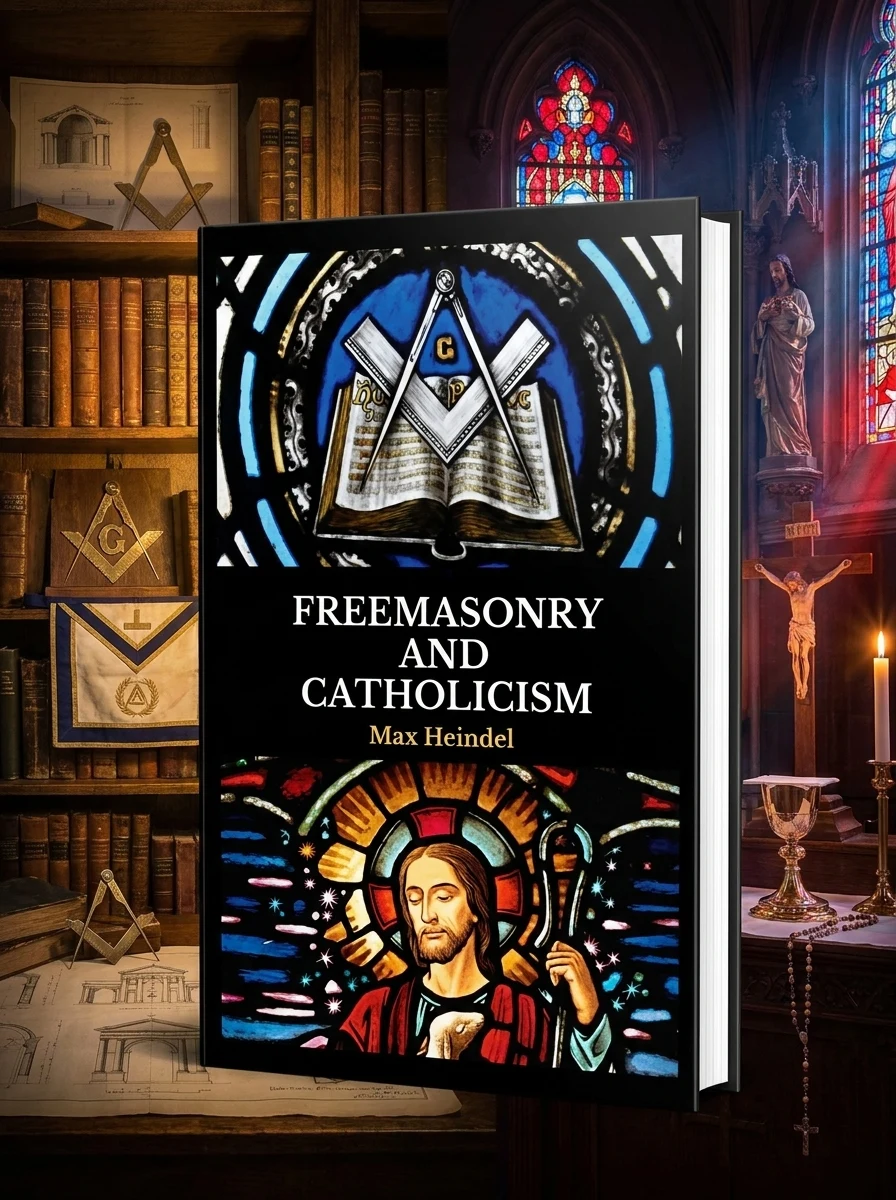
Explores the hidden spiritual teachings, allegorical rituals, and symbolic wisdom inherent within the Masonic tradition. Heindel unpacks its lesser-known mystical dimensions, revealing how its practices are designed to guide initiates towards higher states of consciousness and cosmic understanding, often contrasting this with exoteric religious dogma.
Catholic Spiritual Path
Examines the spiritual journey offered by the Roman Catholic Church, focusing on its sacraments, theological doctrines, and hierarchical structure. The book analyzes how Catholicism’s exoteric presentation of faith and salvation differs from the more individualistic and symbolic approach found in esoteric orders, highlighting their distinct paths to divinity.
Rosicrucian Perspective
Offers a comparative analysis through the lens of Rosicrucian philosophy, a tradition deeply influenced by Hermetic and alchemical thought. Heindel's work illuminates how Rosicrucianism views both Freemasonry and Catholicism, often positioning itself as a bridge or a higher synthesis, seeking universal truths beyond sectarian differences.
📜 Historical context
📚 Glossary
- Freemasonry
- Rosicrucianism
- Esoteric
📔 Questions to reflect on
- How do you perceive the balance between exoteric religious practice and esoteric spiritual understanding in your own life or tradition?
- In what ways might symbolic systems, like those in Freemasonry, offer a different path to spiritual truth than dogmatic teachings?
- Reflect on the historical tensions between organized religion and esoteric societies. What spiritual or philosophical motivations might lie beneath these conflicts?