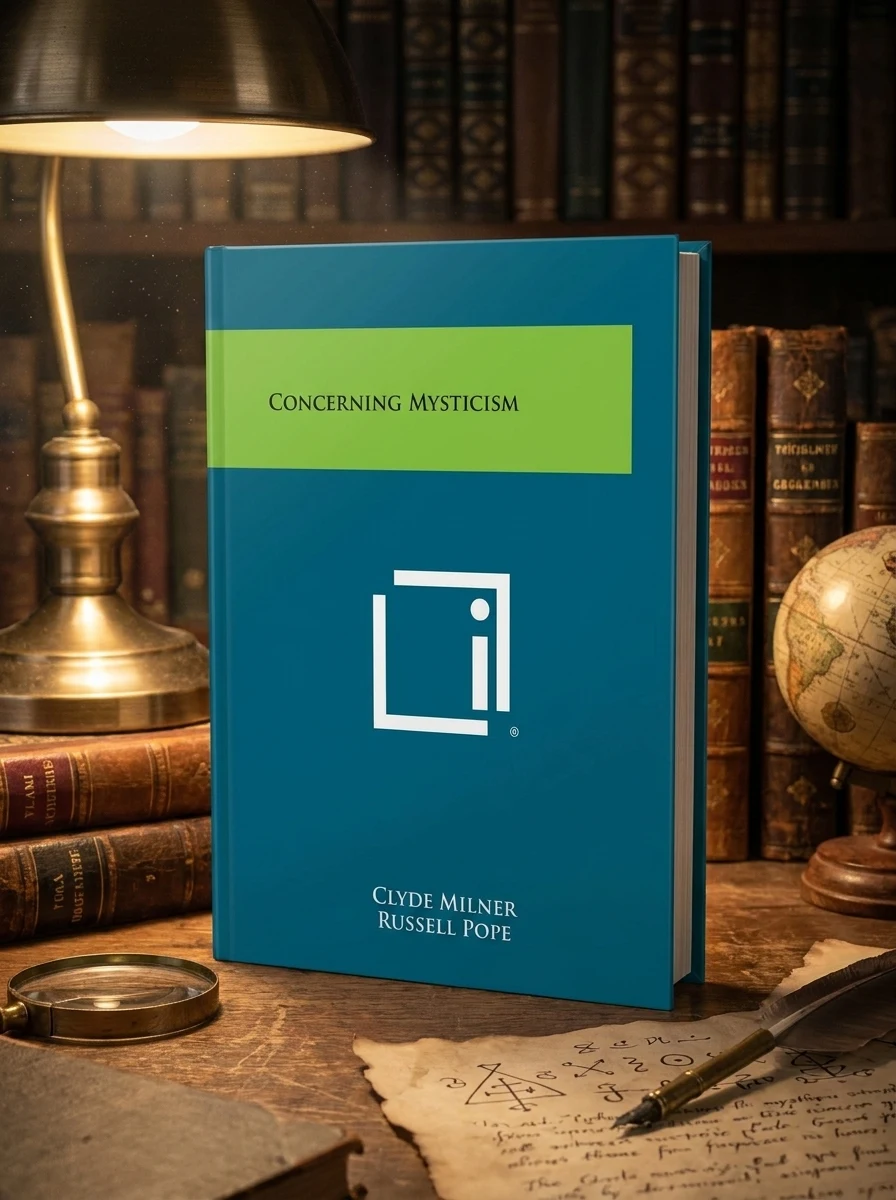
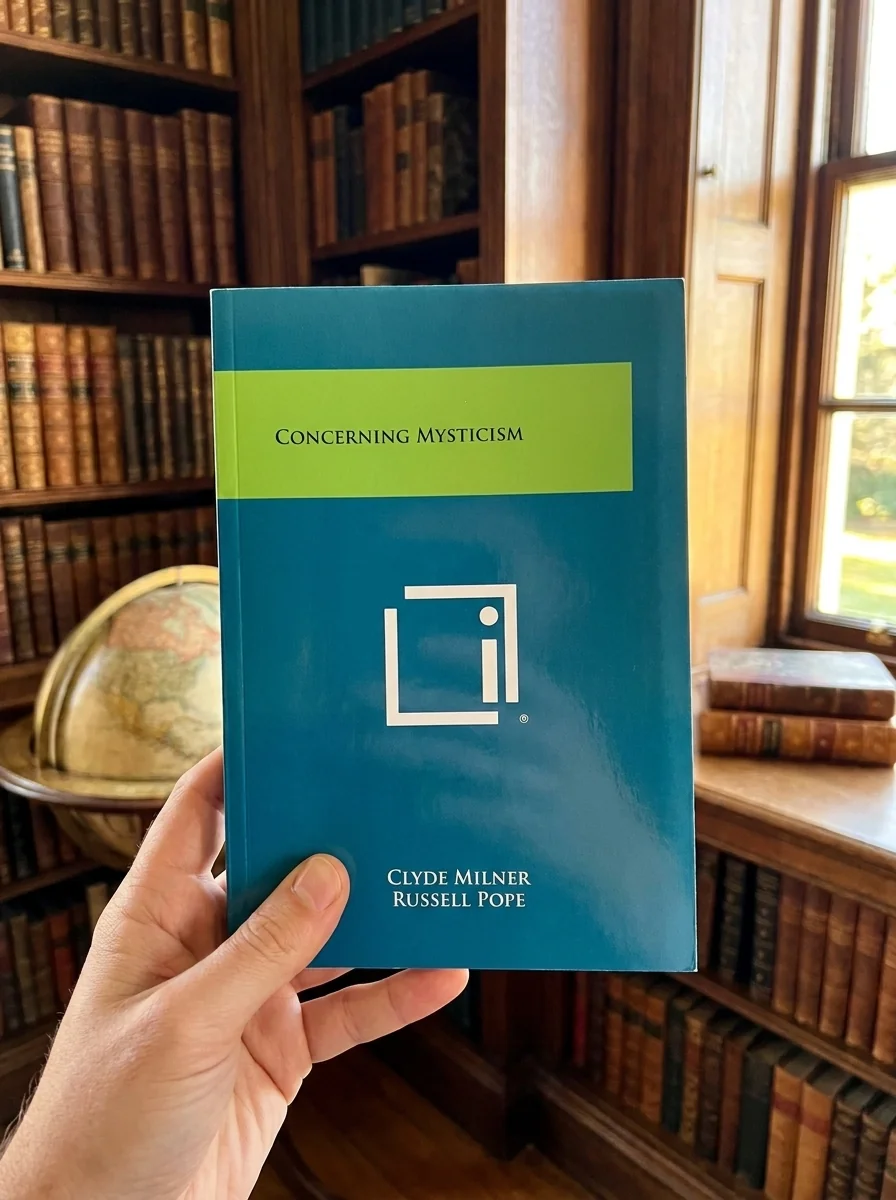
Concerning Mysticism
This reissued classic, "Concerning Mysticism," invites readers on an expansive journey through the profound and often enigmatic world of mystical experience. Originally published in 1938, this collection by Clyde Milner and Russell Pope offers a contemplative exploration of what it means to seek direct communion with the divine or ultimate reality. Far from a prescriptive guide, it serves as a thoughtful compendium, examining various facets of mystical thought and practice across different traditions. It’s an ideal starting point for those curious about the nature of spiritual insight beyond conventional understanding.


📝 Description: Concerning Mysticism
💎 Expert review
📖 Why choose it
Why this book is worth reading
Readers seeking a gentle introduction to the vast landscape of spiritual experience will find profound value in this collection. It serves as an ideal starting point for those curious about spiritual insight beyond conventional understanding, offering a contemplative exploration rather than a rigid prescription. Those who appreciate the timeless quest for ultimate truth and inner illumination will gain from its thoughtful compendium approach. By examining various facets of mystical thought across different traditions without demanding adherence to a specific dogma, it invites curiosity over conversion. It is perfect for the intellectually inclined seeker who desires to understand the nature of direct communion with the divine through a lens of historical and philosophical breadth.
⭐ Reader reviews
Reader rating
This reissued classic provides a broad, non-prescriptive overview of mystical experience, making it accessible to beginners in esoteric studies. However, it may disappoint readers seeking specific ritual instructions or deep theological argumentation, as it functions more as an expansive survey than a technical manual. Those looking for rigorous academic critique or exclusive doctrinal clarity might find the tone too generalist. It is best suited for casual learners who want to dip their toes into the enigmatic world of mystical thought without being overwhelmed by dense philosophical jargon or sectarian bias.
❓ Frequently asked questions
📖 Who should read this
If you're drawn to the deeper currents of spiritual experience, curious about the history of esoteric thought, or seeking an intellectual yet profound introduction to mysticism, this collection offers a rich foundation for your contemplative journey.
🎯 Key themes and symbolism
The Nature of Ecstasy
Delve into the core experience of mysticism: the often ineffable and transformative states of consciousness. This work explores how different cultures and individuals have described moments of profound spiritual union, offering insights into the commonalities and unique expressions of these heightened states, moving beyond mere intellectual understanding to a deeper resonance with inner revelation.
Historical Currents of Insight
Trace the lineage of mystical thought through various historical periods and philosophical frameworks. The book positions mysticism not as an isolated phenomenon but as a continuous thread woven through human spiritual endeavor, highlighting how ancient wisdom traditions and philosophical inquiries have converged to shape our understanding of the unseen and the transcendent.
Personal Journey and Revelation
Consider the individual's path towards spiritual awakening and the personal implications of mystical encounters. Beyond theoretical discussion, the text implicitly encourages introspection, prompting readers to reflect on their own experiences of wonder, intuition, and moments of clarity that hint at a reality deeper than the material world, fostering a sense of personal exploration.
📜 Historical context
📚 Glossary
- Mysticism
- Esoteric
- Contemplation
📔 Questions to reflect on
- Reflect on a moment in your life when you felt a profound connection to something larger than yourself. How would you describe that experience?
- Consider the difference between intellectual understanding of spiritual concepts and direct, intuitive knowing. Which holds more significance for you, and why?
- If mysticism is a 'direct experience of the divine,' what personal practices might you explore to cultivate such an experience in your own life?