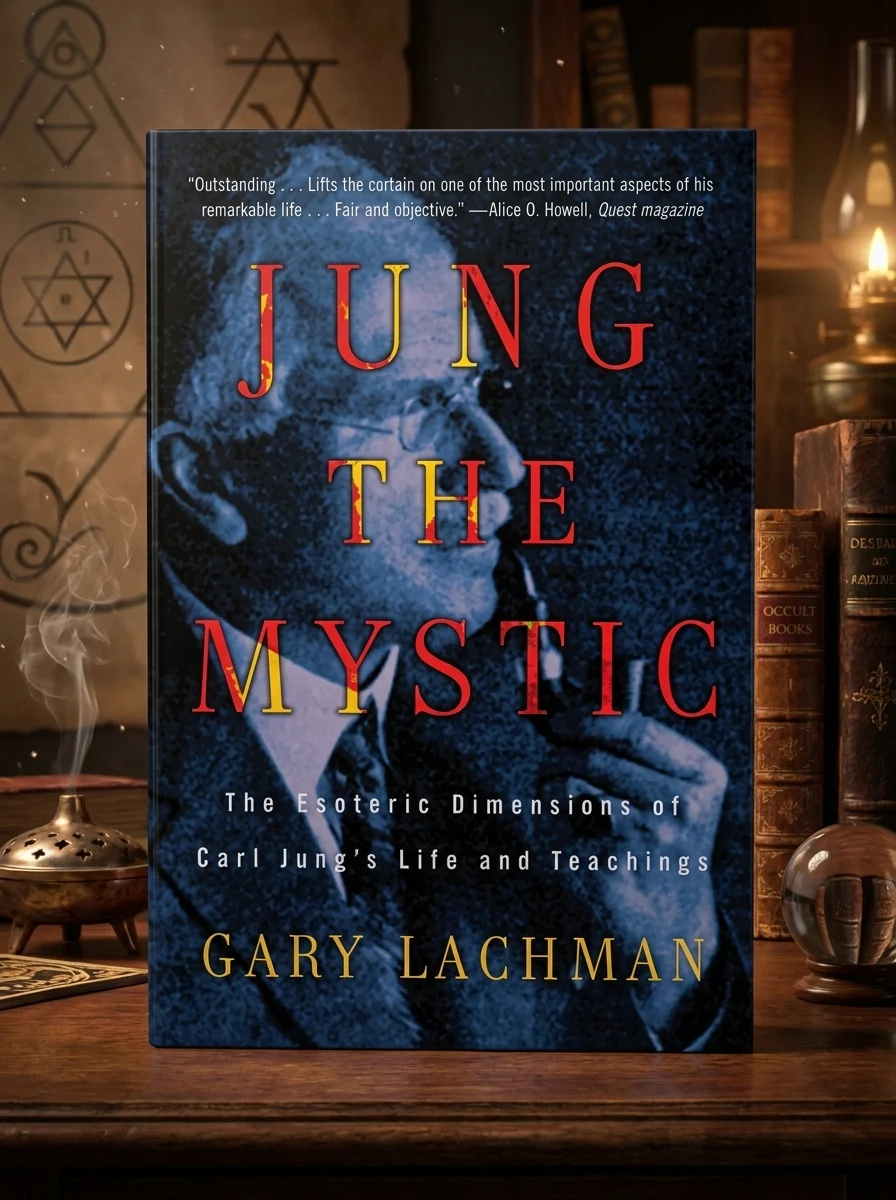

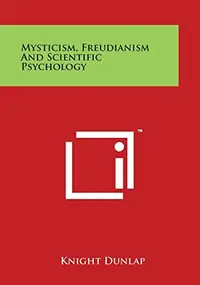
Mysticism, Freudianism and Scientific Psychology
Dunlap, KnightStock reported in the catalog; fulfillment is confirmed with your request.
Dive into the early 20th-century clash of science, spirit, and the subconscious mind.
Knight Dunlap's seminal 1920 work meticulously navigates the complex interplay between ancient mystical traditions, the burgeoning theories of Freudian psychoanalysis, and the emerging field of scientific psychology. This volume offers a fascinating intellectual journey, dissecting how each paradigm attempts to unravel the mysteries of the human psyche, consciousness, and spiritual experience. Dunlap critically examines their methodologies and often divergent conclusions, providing a unique historical lens on the enduring quest to understand the human mind. It's a foundational text for comprehending the early 20th-century intellectual landscape.
This text emerges from the early twentieth century, capturing a pivotal moment when ancient mystical traditions intersected with the nascent fields of scientific psychology and Freudian psychoanalysis. It serves as a historical document reflecting the intellectual landscape's attempt to reconcile spiritual experience with emerging empirical methodologies.


📝 Description: Mysticism, Freudianism and Scientific Psychology
💎 Expert review
📖 Why choose it
Why this book is worth reading
Scholars of esoteric history and psychology will find this volume indispensable for understanding the foundational debates that shaped modern views on consciousness. Readers interested in the tension between empirical science and spiritual mysticism will appreciate Dunlap’s meticulous dissection of how different paradigms attempt to unravel the human psyche. It offers a unique historical lens, allowing enthusiasts to grasp the complexity of early twentieth-century intellectual efforts to define the boundaries between the subconscious mind and spiritual experience. For those seeking a rigorous, critical examination of these divergent methodologies, this book provides essential context for contemporary discussions on the nature of the mind.
⭐ Reader reviews
Reader rating
Dunlap’s work is a dense, scholarly exploration that demands patience from its audience. While it offers a fascinating intellectual journey through the clash of science and spirit, it is strictly academic in tone and structure. It does not suit casual readers seeking accessible spirituality or quick insights into Freudian theory. Those looking for narrative engagement or practical self-help advice will find this text dry and overly analytical. However, for those willing to engage with complex historical arguments regarding the methodologies of mysticism and psychology, it remains a valuable, if demanding, resource for understanding the era's intellectual struggles.
❓ Frequently asked questions
📖 Who should read this
For those captivated by the intellectual history of psychology, the evolving dialogue between science and spirituality, or early 20th-century efforts to rationalize the mystical, this volume offers profound insights. Essential for understanding foundational debates shaping modern thought on consciousness.
🎯 Key themes and symbolism
Mysticism's Psychological Lens
Dunlap approaches mystical experiences not as supernatural phenomena, but as psychological states ripe for analysis. He explores how these profound subjective encounters, traditionally interpreted through spiritual frameworks, might be understood or recontextualized by the nascent fields of psychoanalysis and empirical psychology, questioning their origins and effects on the individual.
Freud and the Unconscious
The book critically engages with Sigmund Freud's groundbreaking theories, particularly the role of the unconscious mind, dreams, and primal drives. Dunlap examines how Freudian concepts offered a new vocabulary for understanding human behavior and belief, and how they might converge with or diverge from both spiritual explanations and scientific inquiry into mental processes.
The Scientific Mind
Dunlap champions the rigorous, empirical methods of scientific psychology as the ultimate arbiter of truth regarding the mind. He contrasts this approach with the more speculative or experiential nature of mysticism and the interpretive framework of Freudianism, advocating for a systematic, observable, and measurable understanding of human consciousness and its phenomena.
💬 Quotes from the book
“To dissect the mystical experience with the instruments of science is not to diminish its profound subjective reality, but to seek its mechanisms within the very fabric of human consciousness.”
“The Freudian edifice, while offering provocative insights into the subterranean currents of the psyche, must nonetheless submit to the same rigorous empirical scrutiny demanded of any scientific hypothesis.”
📜 Historical context
📚 Glossary
- Mysticism
- Freudianism
- Scientific Psychology
📔 Questions to reflect on
- How do you personally reconcile scientific understanding of the brain and mind with deeply subjective or spiritual experiences you may have encountered?
- What are the inherent limitations of applying purely empirical, scientific methods to phenomena that are intrinsically personal, qualitative, or transcendent in nature?
- Considering the intellectual climate of the early 20th century, how might Freud's theories have been perceived as both revolutionary and potentially threatening to established religious or mystical worldviews?
✍️ More books by this author Dunlap, Knight
All books by this author →
🏛 Books from this publisher Literary Licensing, LLC
All books from this publisher →
 82
82

 86
86
 82
82


You might also like
See more →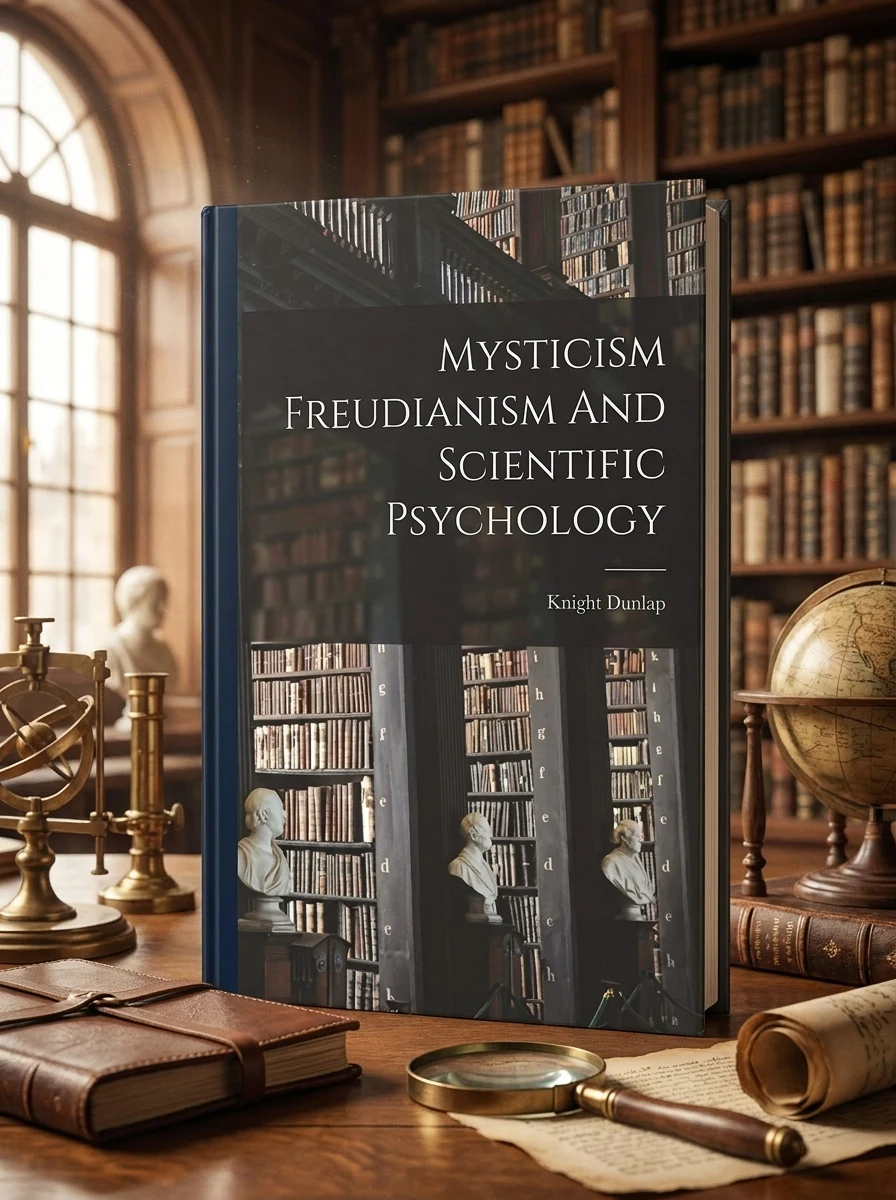


 79
79