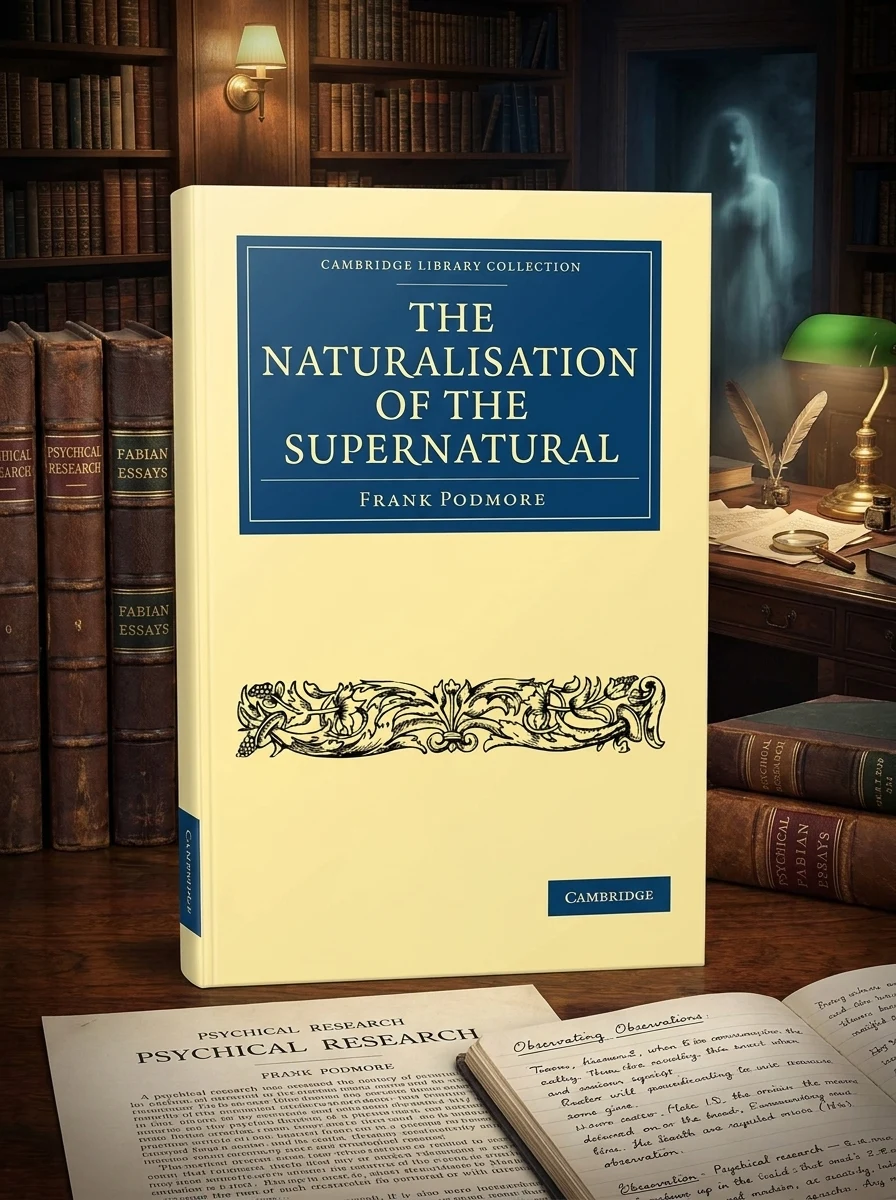
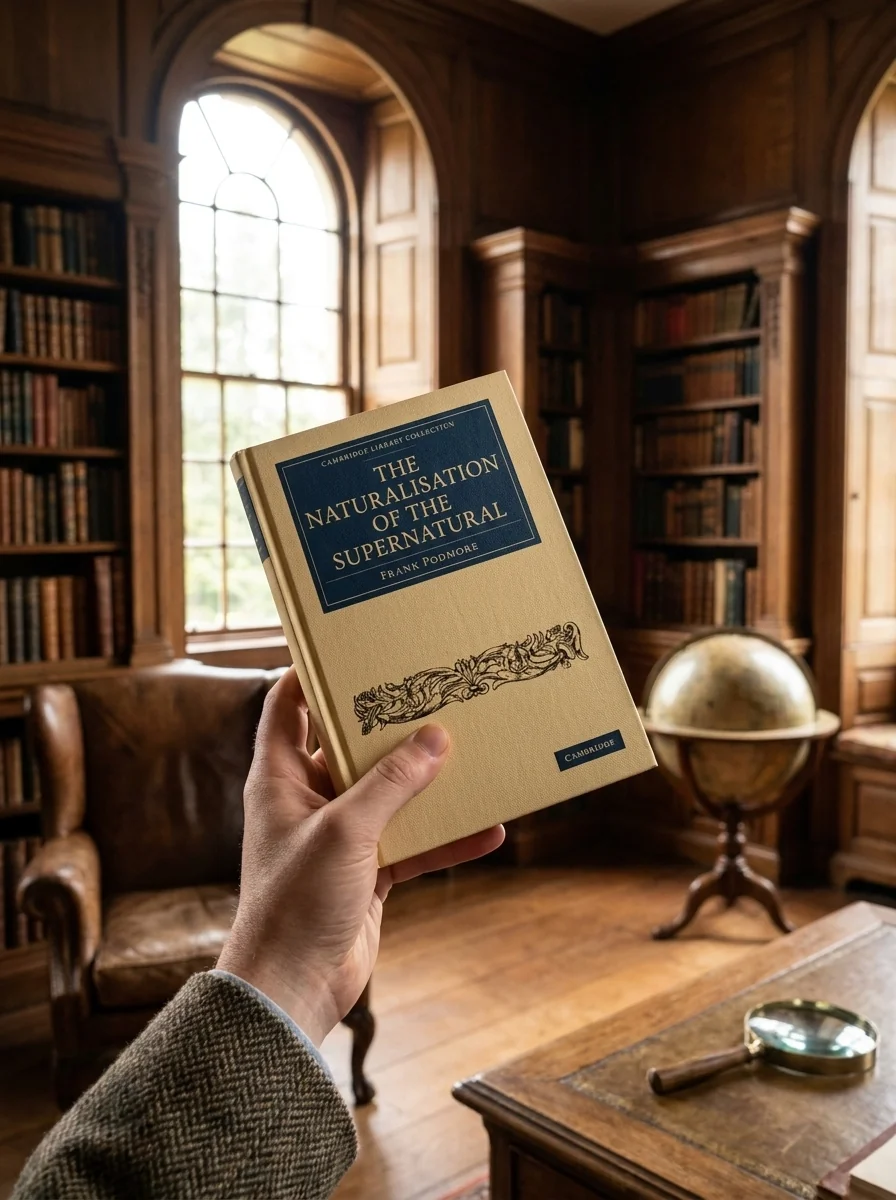
The Naturalisation of the Supernatural Podmore, Frank
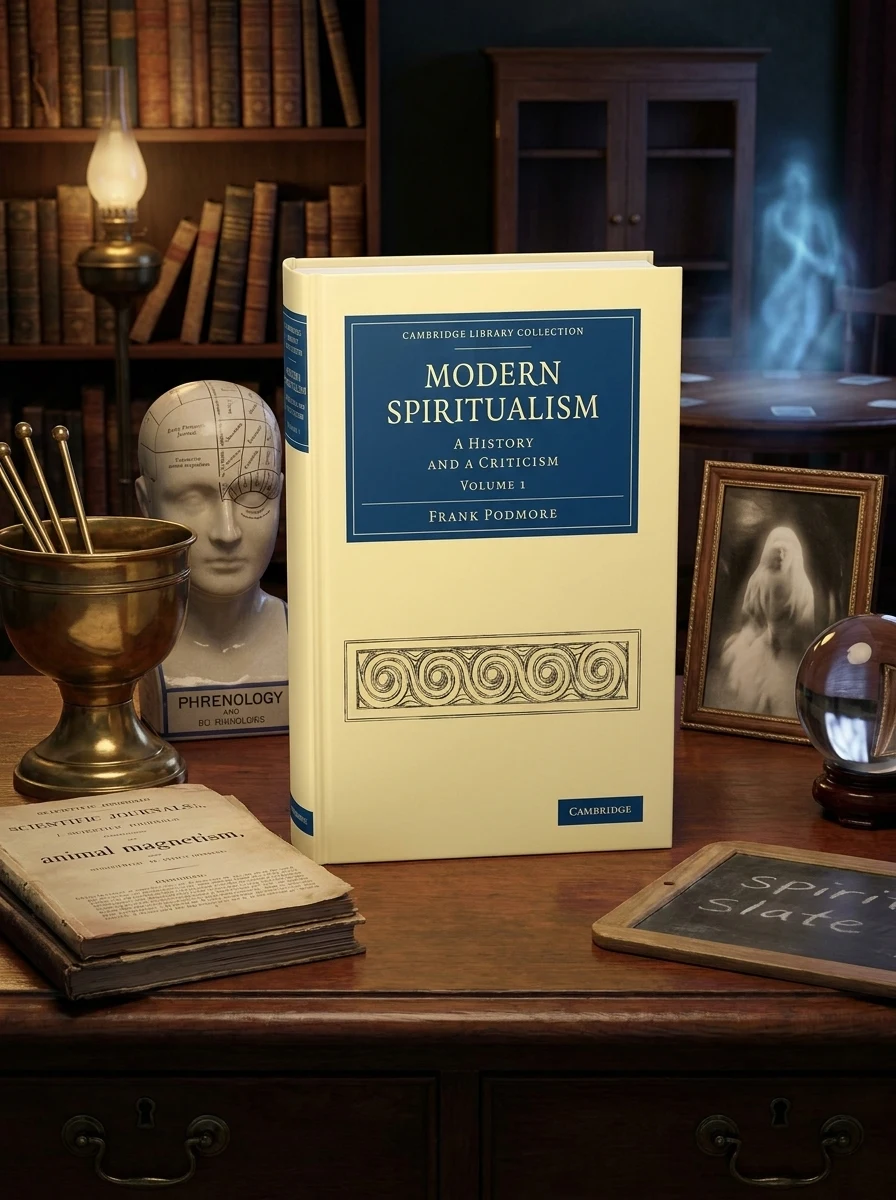
✍️ Podmore, FrankFrank Podmore, a pioneering figure bridging academic skepticism and spiritual inquiry, offers a compelling historical examination of supernatural phenomena. As a co-founder of the Society for Psychical Research and a prominent Fabian intellectual, he brought a rigorous, analytical lens to spiritualism's claims, seeking natural explanations for seemingly inexplicable events. This work delves into the historical evolution of supernatural beliefs, dissecting popular mediums and psychic occurrences through a rationalist framework. It's a critical exploration for understanding the late Victorian intellectual grappling with science, belief, and the unseen world.


📝 Description: The Naturalisation of the Supernatural Podmore, Frank
💎 Expert review
📖 Why choose it
Why this book is worth reading
Readers fascinated by the historical intersection of science and spirituality will find this text invaluable for understanding how rational minds approached the supernatural during a transformative period. It is particularly suited for those interested in the origins of psychical research and the intellectual debates surrounding spiritualism in late Victorian England. By examining the intricate dance between skepticism and belief, this book offers deep insights into how society grappled with inexplicable events without abandoning analytical frameworks. It provides a necessary counterpoint to purely credulous accounts, offering a nuanced view of the era's cultural landscape and the persistent human curiosity regarding the otherworldly.
⭐ Reader reviews
Reader rating
This volume serves as a critical historical document for scholars of psychical research and Victorian intellectual history, providing a rigorous framework for analyzing supernatural claims through a naturalist lens. However, it does not suit readers seeking empirical proof of spiritual phenomena or those preferring mystical, non-skeptical interpretations of the occult. The text’s reliance on rationalist dissection may feel dry or dismissive to devoted spiritualists who prioritize experiential validation over academic scrutiny. It is best appreciated by those interested in the sociology of belief and the methodological evolution of investigating the unseen, rather than by casual enthusiasts looking for entertaining ghost stories or affirmative spiritual guidance.
❓ Frequently asked questions
📖 Who should read this
If you're drawn to the intersection of science and the occult, or seek a rigorous, historical perspective on spiritualism and psychic phenomena, this book is for you. It appeals to critical thinkers who appreciate a methodical approach to the mysterious.
🎯 Key themes and symbolism
Rational Skepticism
Podmore meticulously applies scientific principles to the supernatural, challenging credulity with critical analysis. He dissects claims of psychic ability and spiritual communication, consistently seeking logical, earthbound explanations rather than embracing mystical interpretations, advocating for a naturalistic understanding.
Victorian Spiritualism Unveiled
This work provides an invaluable historical account of the spiritualist movement flourishing in Victorian England. Podmore explores its diverse manifestations, prominent figures, and the societal impact of its purported communications with the dead, offering a unique insider's perspective on a pivotal cultural phenomenon.
Mind, Body, Spirit Interplay
While fundamentally skeptical, Podmore doesn't dismiss the human experiences themselves. He probes the psychological and physiological aspects behind supernatural claims, investigating how human perception, belief, and suggestion might contribute to phenomena often attributed to disembodied spirits or hidden forces.
📜 Historical context
📚 Glossary
- Spiritualism
- Psychical Research
- Fabian Society
📔 Questions to reflect on
- How might a modern scientific lens interpret phenomena once considered purely supernatural?
- Consider a belief you once held that you later 'naturalized' or explained through a different framework. What was that process like?
- In what ways do you think skepticism can enhance, rather than diminish, our understanding of profound or inexplicable experiences?