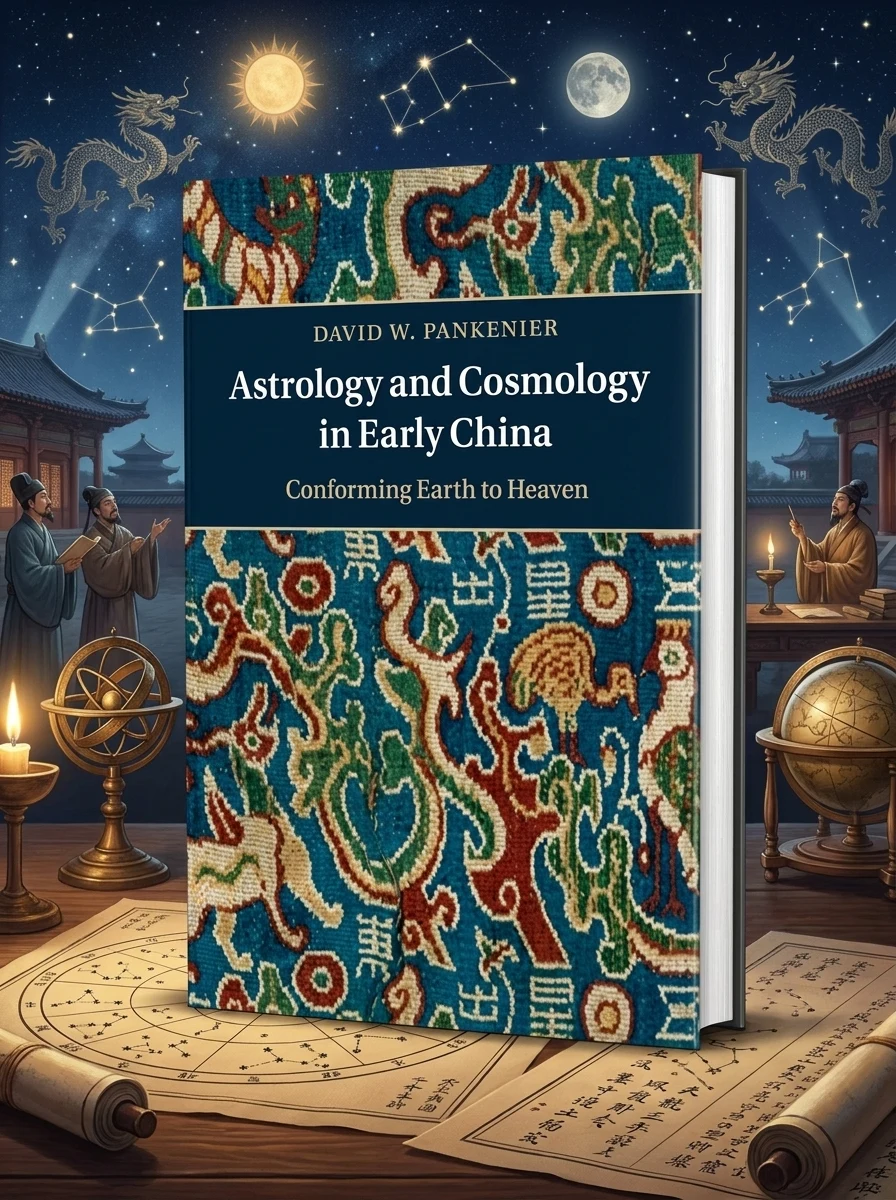
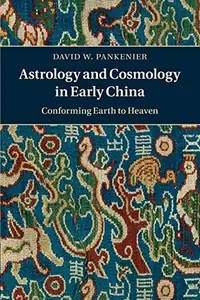
Astrology and Cosmology in Early China
Stock reported in the catalog; fulfillment is confirmed with your request.
Unearth how ancient China's destiny was woven into the very fabric of the cosmos.
This seminal work by David W. Pankenier unveils the profound connection between early Chinese civilization and the celestial realm. It meticulously details how the movements of the Sun, Moon, and stars were not merely observed but actively mirrored in the establishment and governance of their society. Pankenier's groundbreaking research illuminates this often-overlooked field, revealing how astronomical phenomena influenced everything from political legitimacy to ritual practices. It offers an unparalleled deep dive into the sophisticated astral sciences that underpinned ancient Chinese thought and culture, presenting a fresh perspective on their worldview.
This scholarly text explores the intricate relationship between early Chinese civilization and their celestial observations, positioning astronomical phenomena as central to societal governance and political legitimacy. It situates itself within the study of ancient astral sciences that underpinned traditional Chinese thought and culture.


📝 Description: Astrology and Cosmology in Early China
💎 Expert review
📖 Why choose it
Why this book is worth reading
Scholars of ancient history, enthusiasts of comparative cosmology, and readers interested in the intersection of astronomy and politics will find this volume indispensable. Pankenier’s groundbreaking research offers a fresh perspective on how early Chinese society mirrored celestial movements in their daily lives and rituals. It is essential for those seeking to understand the sophisticated astral sciences that shaped political legitimacy and cultural worldview. If you are fascinated by how the cosmos was woven into destiny, this book provides an unparalleled deep dive into these often-overlooked connections, revealing the profound influence of the Sun, Moon, and stars on governance.
⭐ Reader reviews
Reader rating
Pankenier delivers a meticulous and seminal examination of early Chinese cosmology, detailing how celestial mechanics dictated societal structures. While the research is undeniably groundbreaking and illuminates a critical aspect of ancient thought, this text is strictly academic. It will not suit casual readers seeking narrative storytelling or those looking for practical astrological advice rather than historical analysis. The dense scholarly tone may alienate general audiences, making it best suited for those with a specific interest in Sinology or the history of science who appreciate rigorous, evidence-based exploration over accessible prose.
❓ Frequently asked questions
📖 Who should read this
If you're fascinated by how ancient cultures interpreted the cosmos, or curious about the origins of scientific thought intertwined with spiritual belief, this book is for you. Dive into the sophisticated world of early Chinese celestial observation and its profound cultural impact.
🎯 Key themes and symbolism
Celestial Influence on Culture
Explores the deep-seated belief in ancient China that cosmic events directly impacted terrestrial affairs. Pankenier details how statecraft, ritual, and even architectural design were conceived to align with or reflect the perceived order and messages from the heavens, demonstrating a profound reverence for celestial patterns and their societal implications.
Pioneering Research in Astro-Cosmology
This work breaks new ground by meticulously uncovering and analyzing the intricate systems of ancient Chinese astral observation and interpretation. It fills a significant void in Western scholarship, offering a comprehensive and accessible examination of a complex subject that has long been overlooked or misunderstood, making it a definitive resource.
Statecraft and Celestial Mandate
The book delves into how early Chinese rulers and scholars utilized astronomical knowledge to legitimize authority and predict societal shifts. It reveals the sophisticated methods employed to interpret celestial omens, ensuring harmony between the earthly realm and the cosmic order, which was crucial for maintaining imperial power and stability across dynasties.
💬 Quotes from the book
“The celestial sphere was not merely a distant spectacle for the early Chinese; it was an intricately woven tapestry of divine decree and earthly consequence, demanding constant vigilance and interpretation.”
“By meticulously correlating textual evidence with archaeoastronomical data, we begin to reconstruct a sophisticated system where every eclipse and planetary alignment held profound socio-political implications.”
📜 Historical context
📚 Glossary
- Cosmology
- Astral Phenomena
- Mandate of Heaven
📔 Questions to reflect on
- How might our modern societies be different if we still integrated celestial observations into our governance and daily lives as ancient cultures did?
- Consider a historical event from a culture you know. How might an astrologer or cosmologist from that era have interpreted celestial signs related to it?
- In what ways do contemporary understandings of the universe still influence human culture, even if less directly tied to daily governance?
🏛 Books from this publisher Cambridge University Press
All books from this publisher →


 75
75

You might also like
See more →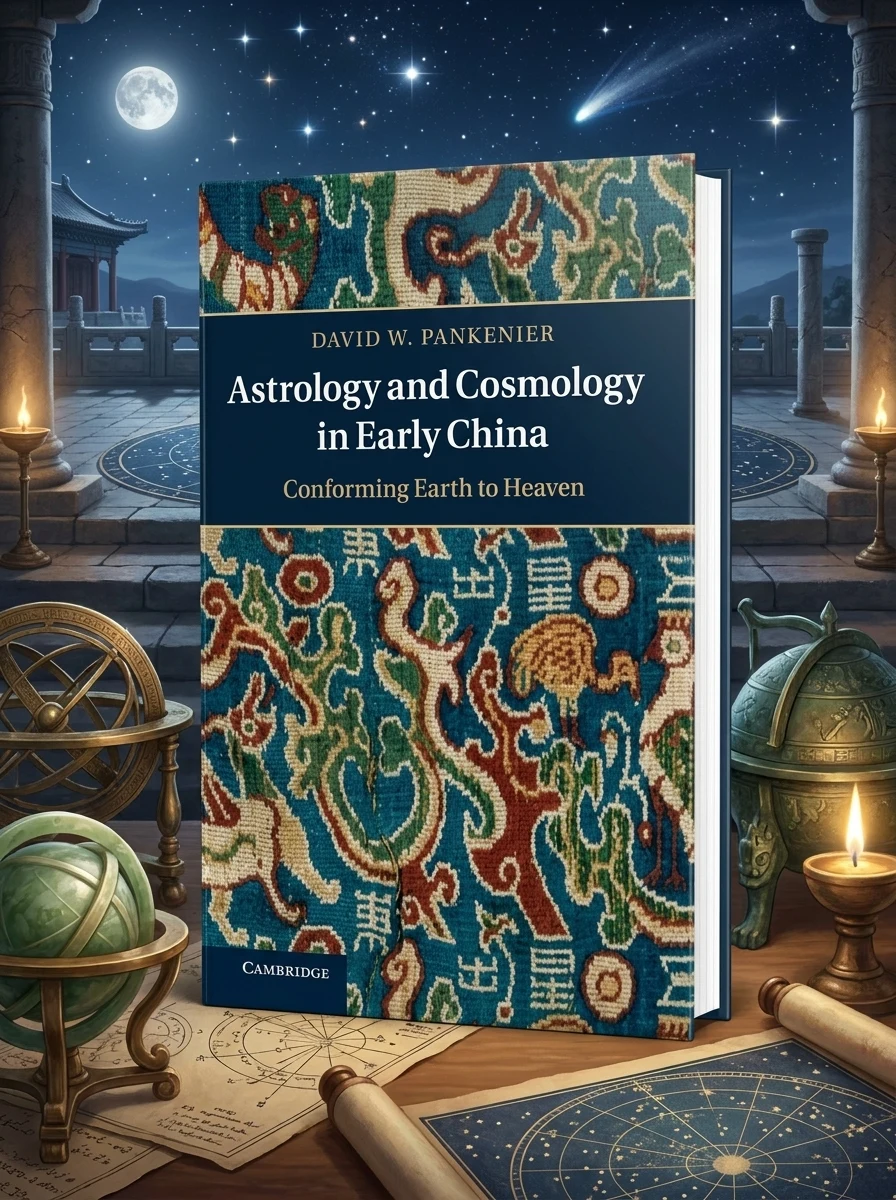
 88
88
 84
84
 83
83
 91
91
![The Instant Astrologer [With CD]](/img/the-instant-astrologer-with-cd-scene.webp)