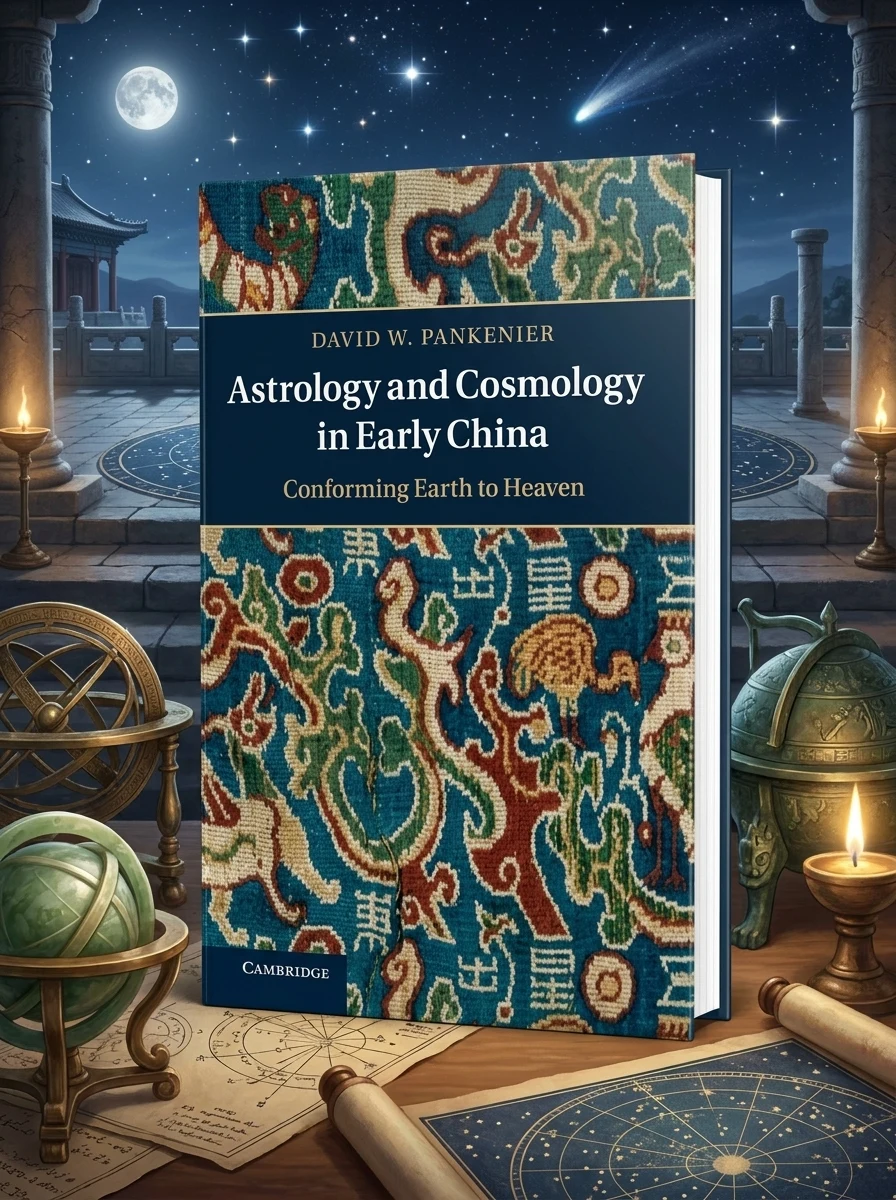
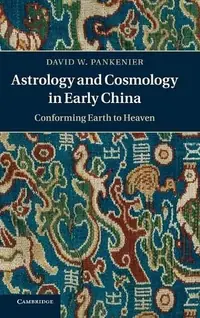
Astrology and Cosmology in Early China: Conforming Earth to Heaven
 89
89
 Editorial score
How we rate
Editorial score
How we rate
Stock reported in the catalog; fulfillment is confirmed with your request.
Uncover how ancient China meticulously mapped its destiny to the stars.
David Pankenier's groundbreaking work illuminates the profound celestial insights that shaped early Chinese civilization. This essential volume delves into how ancient cultures meticulously observed the Sun, Moon, and stars, not merely for navigation, but as direct blueprints for earthly governance and societal structure. It explores the intricate ways these astral phenomena were mirrored in every facet of life, revealing a civilization deeply attuned to cosmic rhythms. Pankenier uncovers a previously overlooked dimension of historical scholarship, offering fresh perspectives on a fascinating, understudied field.
This volume explores the profound celestial insights of early Chinese civilization, examining how ancient cultures observed astral phenomena as direct blueprints for earthly governance and societal structure.


📝 Description: Astrology and Cosmology in Early China: Conforming Earth to Heaven
💎 Expert review
📖 Why choose it
Why this book is worth reading
Scholars of comparative religion, historians of astronomy, and enthusiasts of esoteric history will find this text indispensable. It offers a fresh perspective on how ancient societies aligned their terrestrial existence with cosmic rhythms. Readers interested in the intersection of mythology and political legitimacy will appreciate Pankenier’s detailed analysis of how destiny was mapped to the stars. This book is ideal for those seeking to understand the intellectual foundations of early Chinese cosmology and its enduring influence on cultural identity and governance structures.
⭐ Reader reviews
Reader rating
Pankenier provides a rigorous, albeit dense, examination of early Chinese celestial studies. While it is essential for specialists in Sinitic history or archaeoastronomy, casual readers may find the academic tone and specialized terminology inaccessible. It is not suited for those seeking narrative-driven historical accounts or general introductions to astrology. The work demands patience and a strong interest in the minutiae of how astral phenomena mirrored societal facets. Those looking for light reading on horoscopes will be disappointed by its scholarly depth and focus on governance rather than personal divination.
❓ Frequently asked questions
📖 Who should read this
If you're captivated by ancient civilizations, the history of science, or the profound interconnectedness between humanity and the cosmos, this book offers an unparalleled journey into the celestial foundations of early Chinese culture.
🎯 Key themes and symbolism
Celestial Influence on Civilization
The book meticulously details how ancient Chinese society, from its political structures to its religious practices, was deliberately configured to reflect cosmic patterns and astronomical observations, establishing a profound connection between heaven and earth in their worldview.
Pioneering Scholarly Research
This text offers a fresh, in-depth examination of an often-overlooked area, challenging prior assumptions and bringing new insights to the study of early Chinese thought. It fills a significant gap in our understanding of East Asian intellectual history.
Cosmology as Societal Blueprint
Discover how the Chinese understood the universe's inherent order and actively sought to replicate this celestial harmony within their earthly kingdom. The cosmos was not just observed; it was a living model for human organization and flourishing.
💬 Quotes from the book
“The mandate of Heaven was not merely a political doctrine, but a living, breathing reflection of the celestial dance.”
“Every terrestrial institution, from palace architecture to ritual calendar, found its true form in the movements of the Sun, Moon, and distant stars.”
📜 Historical context
📚 Glossary
- Cosmology
- Astral Phenomena
- Pioneering Text
📔 Questions to reflect on
- How might our modern understanding of the cosmos influence societal structures if we adopted a similar 'mirroring' philosophy?
- Consider how the integration of celestial observation into governance might foster a deeper connection to nature and the universe.
- Reflect on the concept of an 'understudied field.' What other areas of ancient knowledge might be waiting for pioneering research?
🏛 Books from this publisher Cambridge University Press
All books from this publisher →

 75
75


You might also like
See more →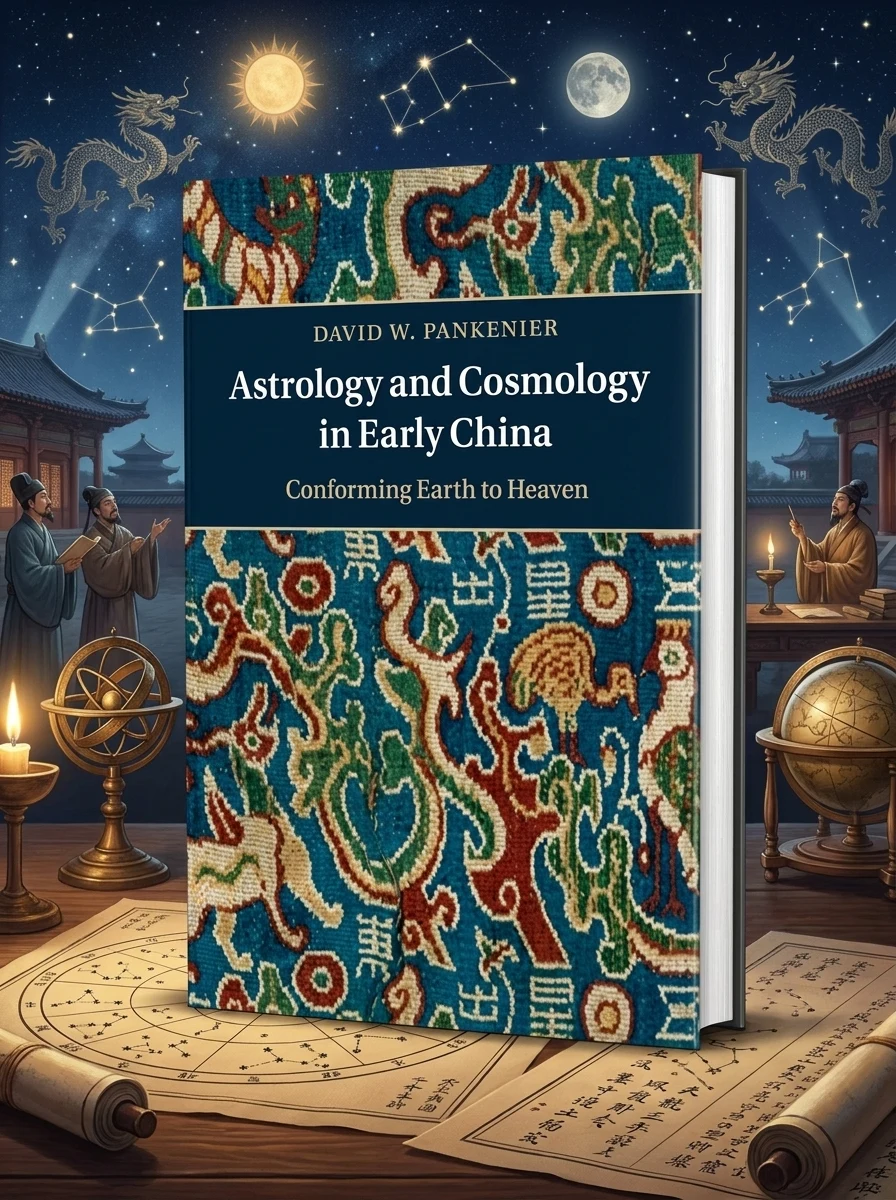 89
89
 88
88
 84
84
 83
83
 91
91
![The Instant Astrologer [With CD]](/img/the-instant-astrologer-with-cd-scene.webp) 91
91