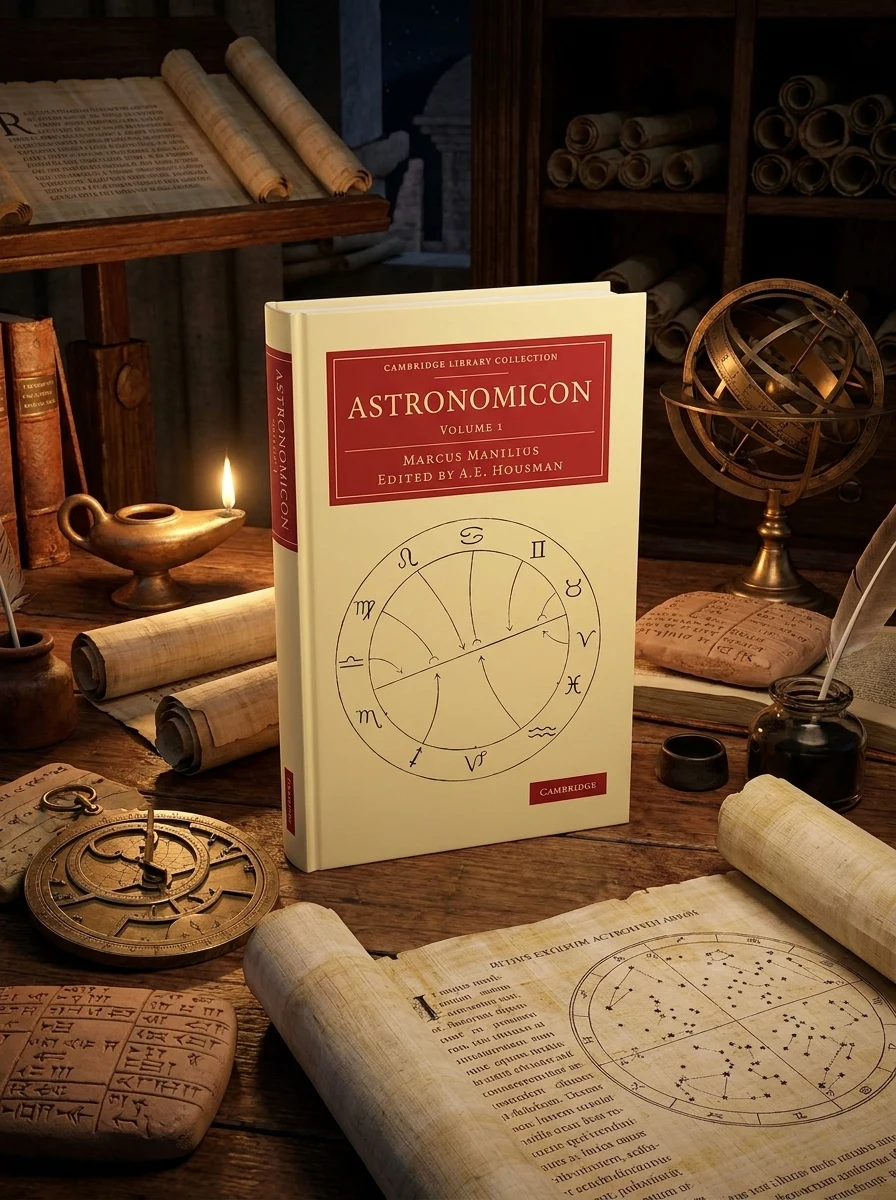
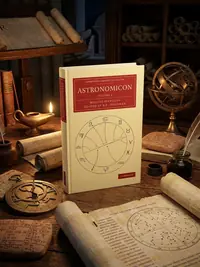
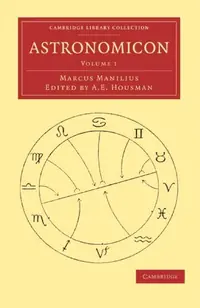
Astronomicon Manilius, Marcus
Manilius, Marcus; , Housman, A EStock reported in the catalog; fulfillment is confirmed with your request.
Unravel the celestial threads that weave human destiny in this ancient cosmic epic.
This monumental five-volume poetic work, traditionally ascribed to Marcus Manilius, represents a groundbreaking achievement in the annals of Western thought. It offers the earliest systematic exploration of the profound, intricate relationship between the zodiacal constellations and the unfolding of human affairs. Despite ongoing scholarly debate surrounding its precise authorship and exact date of composition, Manilius's ambitious undertaking provides unparalleled insight into early astrological philosophy and the pervasive concept of cosmic influence, meticulously laying out a framework for understanding destiny written in the stars.
This work stands as a monumental poetic achievement in Western thought, offering the earliest systematic exploration of astrology. It meticulously details early astrological philosophy and the pervasive concept of cosmic influence on human destiny.


📝 Description: Astronomicon Manilius, Marcus
💎 Expert review
📖 Why choose it
Why this book is worth reading
Readers with a profound interest in the historical roots of Western esotericism will find this text invaluable. It offers unparalleled insight into early astrological philosophy, unraveling the celestial threads that weave human destiny. For those fascinated by the intricate relationship between zodiacal constellations and unfolding human affairs, Manilius provides a comprehensive framework for understanding cosmic influence. This monumental five-volume poetic work serves as a foundational resource for anyone seeking to grasp the ancient intellectual landscape where fate was written in the stars, making it essential for serious students of occult history.
⭐ Reader reviews
Reader rating
While this text is a groundbreaking achievement in Western thought, it is strictly for the dedicated scholar or the serious esotericist. It does not suit casual readers seeking accessible modern astrology or quick horoscopes. The dense poetic structure and complex philosophical underpinnings demand patience and intellectual rigor. Those expecting straightforward divinatory advice will be disappointed by its academic nature. However, for those willing to engage with this ambitious undertaking, it offers a unique window into the pervasive concept of cosmic influence and the systematic exploration of destiny that defined early astrological thought.
❓ Frequently asked questions
📖 Who should read this
For serious students of ancient philosophy, the history of science, or the foundational origins of astrological thought, this text is indispensable. It offers a rare, profound glimpse into the intellectual landscape where cosmic observation first merged with human destiny.
🎯 Key themes and symbolism
Cosmic Determinism Explored
The text meticulously lays out a philosophical argument for how celestial alignments, particularly the zodiac's houses, directly influence individual destinies and worldly events, suggesting a grand, interwoven cosmic order that predetermines human experiences.
Foundations of Astrology
It details the rudimentary principles of what would become classical Western astrology, mapping the twelve zodiacal divisions and their perceived correlations with human traits, life stages, and potential fortunes, establishing core tenets for centuries of astrological practice.
Ancient Roman Philosophy
Beyond mere star-gazing, the work delves into Stoic and other philosophical traditions of its era, seeking to understand the underlying rationale and divine mechanics behind celestial influence on earthly existence, grounding astral lore in intellectual discourse.
💬 Quotes from the book
“Lo, how the stars, in their unending dance, weave threads of fate for every mortal glance.”
“The houses twelve, by cosmic reason spun, dictate the paths where earthly lives are run.”
📜 Historical context
📚 Glossary
- Zodiac
- Celestial Houses
- Cosmic Determinism
📔 Questions to reflect on
- How might the concept of cosmic determinism, as presented in ancient texts, shape one's view of free will and personal responsibility today?
- Reflect on how modern scientific understanding might interpret or dismiss the ancient belief in celestial influences on human life and events.
- Consider the psychological comfort or discomfort that might arise from believing one's fate is intricately woven into the grand tapestry of the stars.
✍️ More books by this author Manilius, Marcus; , Housman, A E
All books by this author →
🏛 Books from this publisher Cambridge University Press
All books from this publisher →
 75
75

You might also like
See more →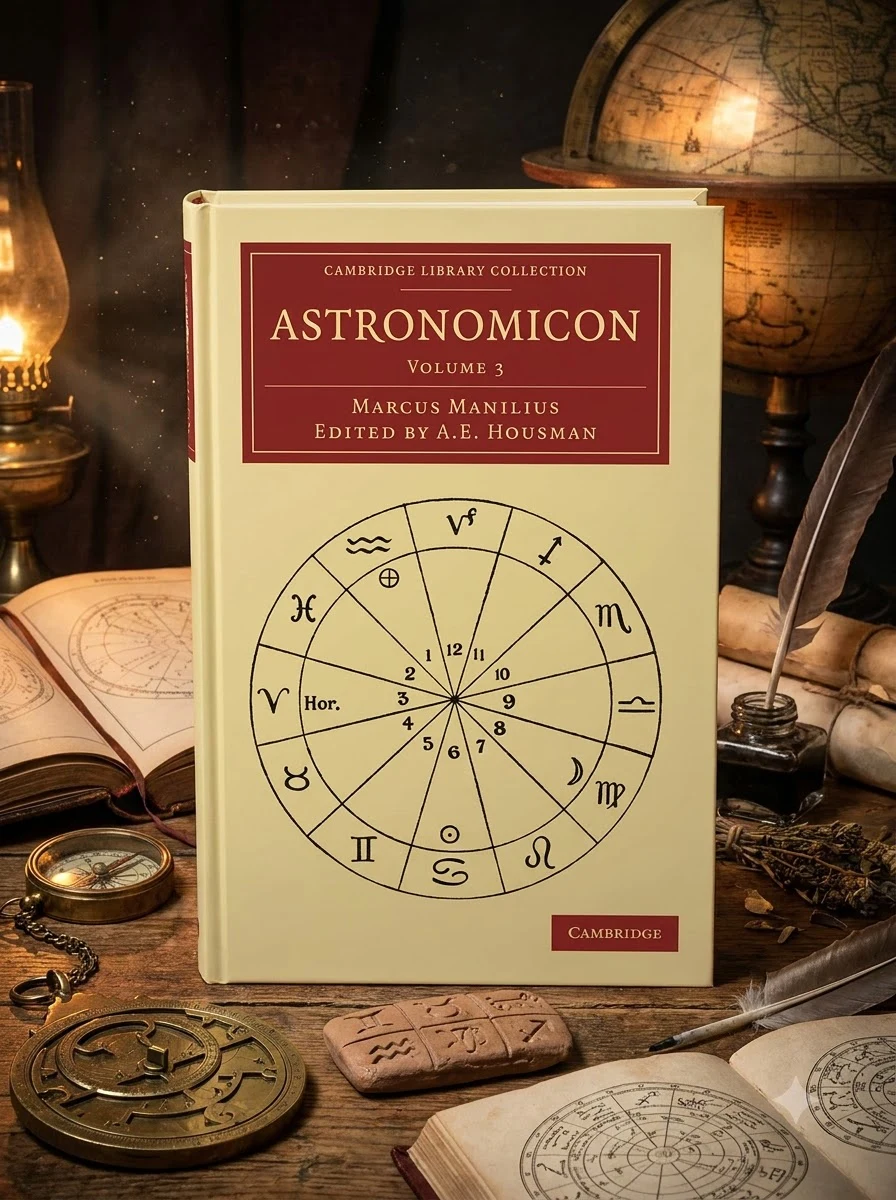 84
84
 83
83
 89
89
 91
91
 91
91
 91
91