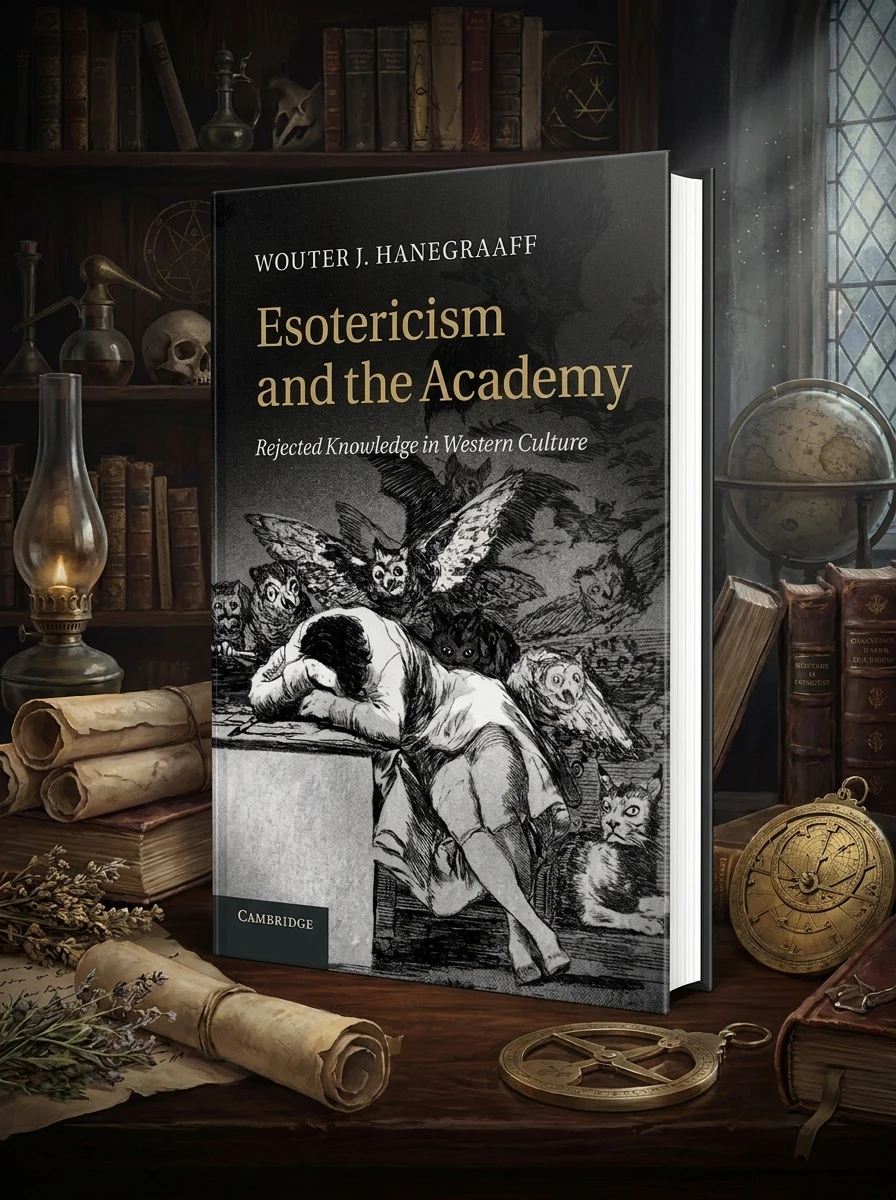
Esotericism and the Academy: Rejected Knowledge in Western Culture
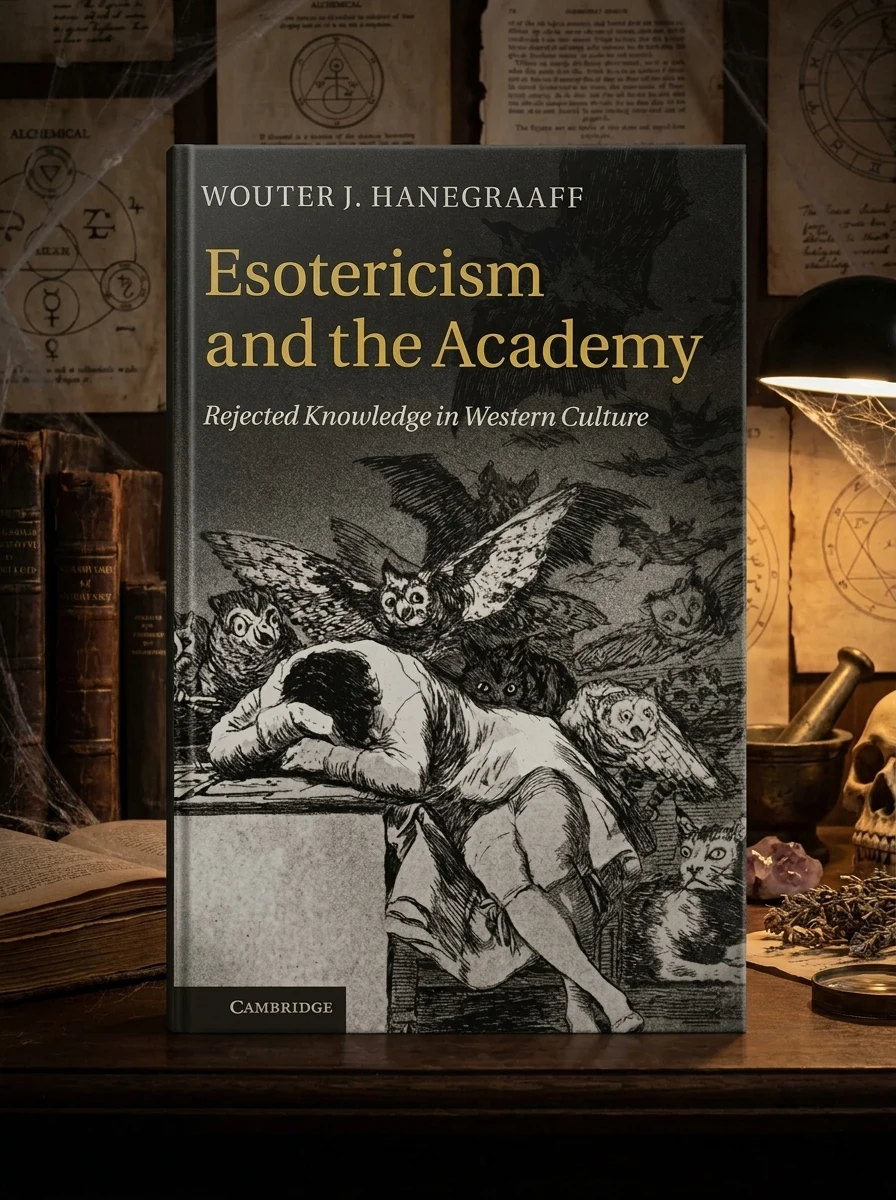
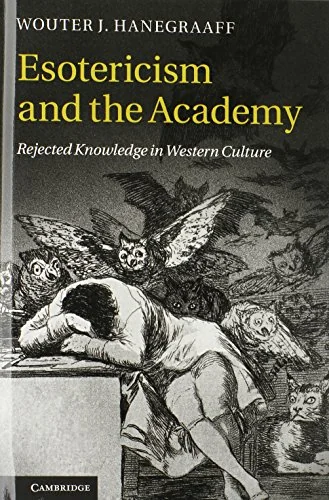
✍️ Hanegraaff, Wouter JWouter Hanegraaff's seminal work meticulously dissects the historical disdain shown by mainstream academia toward esoteric, occult, and magical traditions. This book argues that the scholarly world, often out of ignorance, has systemically marginalized profound religious and philosophical currents crucial to understanding Western intellectual history. Hanegraaff challenges readers to reconsider what constitutes 'valid' knowledge, asserting that a comprehensive grasp of our cultural heritage demands a serious engagement with these often-rejected disciplines. It's an essential corrective, advocating for a more inclusive and accurate historical narrative.


📝 Description: Esotericism and the Academy: Rejected Knowledge in Western Culture
💎 Expert review
📖 Why choose it
Why this book is worth reading
This book is essential for scholars, historians, and deeply curious readers who feel that traditional academic narratives have left significant gaps in our understanding of Western intellectual heritage. It offers a vital corrective by unmasking the bias against esoteric wisdom, urging us to reconsider what constitutes valid knowledge. Readers seeking a more inclusive and accurate historical narrative will find profound value here. It challenges the reader to engage seriously with rejected disciplines, revealing how these marginalized currents are crucial for a comprehensive grasp of our cultural roots. If you believe that true scholarship requires openness to all philosophical traditions, this work provides the theoretical foundation and compelling argument for such an expansive view of history.
⭐ Reader reviews
Reader rating
Hanegraaff delivers a meticulous dissection of academic bias, offering a necessary challenge to established scholarly paradigms. However, readers seeking quick, accessible summaries of occult practices or practical magical instruction will likely find this dry and overly theoretical. It is not suitable for those who prefer esotericism treated purely as entertainment or mystical experience without rigorous historical context. The text demands patience and a willingness to engage with dense academic arguments regarding the sociology of knowledge. While intellectually robust, it may disappoint readers looking for direct engagement with magical texts rather than the historical analysis of their reception.
❓ Frequently asked questions
📖 Who should read this
If you're a student of religion, philosophy, or history, or simply curious about the hidden currents beneath Western thought, this book will profoundly reshape your understanding. It's for anyone ready to challenge academic dogma and explore the rich, often-overlooked intellectual heritage of esotericism.
🎯 Key themes and symbolism
Academic Exclusion
Hanegraaff rigorously examines how universities and scholars have historically dismissed esoteric knowledge as irrational or superstitious. He reveals the mechanisms and biases that led to the exclusion of these traditions from the academic canon, arguing that this oversight has left significant gaps in our understanding of Western thought and its development.
Defining Esotericism
The book delves into the complex task of defining 'esotericism' itself, moving beyond pejorative stereotypes to explore its diverse manifestations across centuries. It clarifies what truly constitutes esoteric thought, differentiating it from mere superstition and establishing a framework for its systematic study within an academic context, free from inherent prejudice.
Reclaiming Intellectual History
This work underscores the vital importance of reintegrating esoteric traditions into the broader narrative of Western intellectual history. Hanegraaff demonstrates how many significant philosophical and scientific advancements were influenced by or intertwined with these 'rejected' forms of knowledge, urging a re-evaluation of historical trajectories to present a more complete and nuanced picture.
📜 Historical context
📚 Glossary
- Esotericism
- Occult
- The Academy
📔 Questions to reflect on
- How has mainstream education shaped your perception of 'rejected' or 'occult' knowledge, and how might Hanegraaff's arguments challenge this view?
- Consider a historical figure or movement you've studied; how might their story be reinterpreted if esoteric influences were acknowledged and integrated?
- What are the ethical implications for scholarship when entire traditions of thought are systematically excluded or misrepresented by academic institutions?